Fireplace Door vs. Screen: Which Offers Better Protection?
Fireplace doors usually give better protection overall: they block sparks more effectively, reduce accidental contact with hot surfaces, and can cut heat loss when closed; screens mainly stop stray embers and are weaker for child and pet safety. Poor protection can mean burns, flying embers on rugs or floors, and more heat lost up the flue. This guide compares doors and screens by spark escape, child contact, smoke, and heat loss so you can pick the right barrier for your fireplace.
| Factor | Fireplace door | screen | Winner |
|---|---|---|---|
| Sparks and embers | 5 | 3 | Fireplace door |
| Child and pet contact barrier | 4 | 2 | Fireplace door |
| Heat loss and drafts | 4 | 1 | Fireplace door |
| Convenience for tending the fire | 2 | 5 | screen |
Fireplace doors vs. screens at a glance
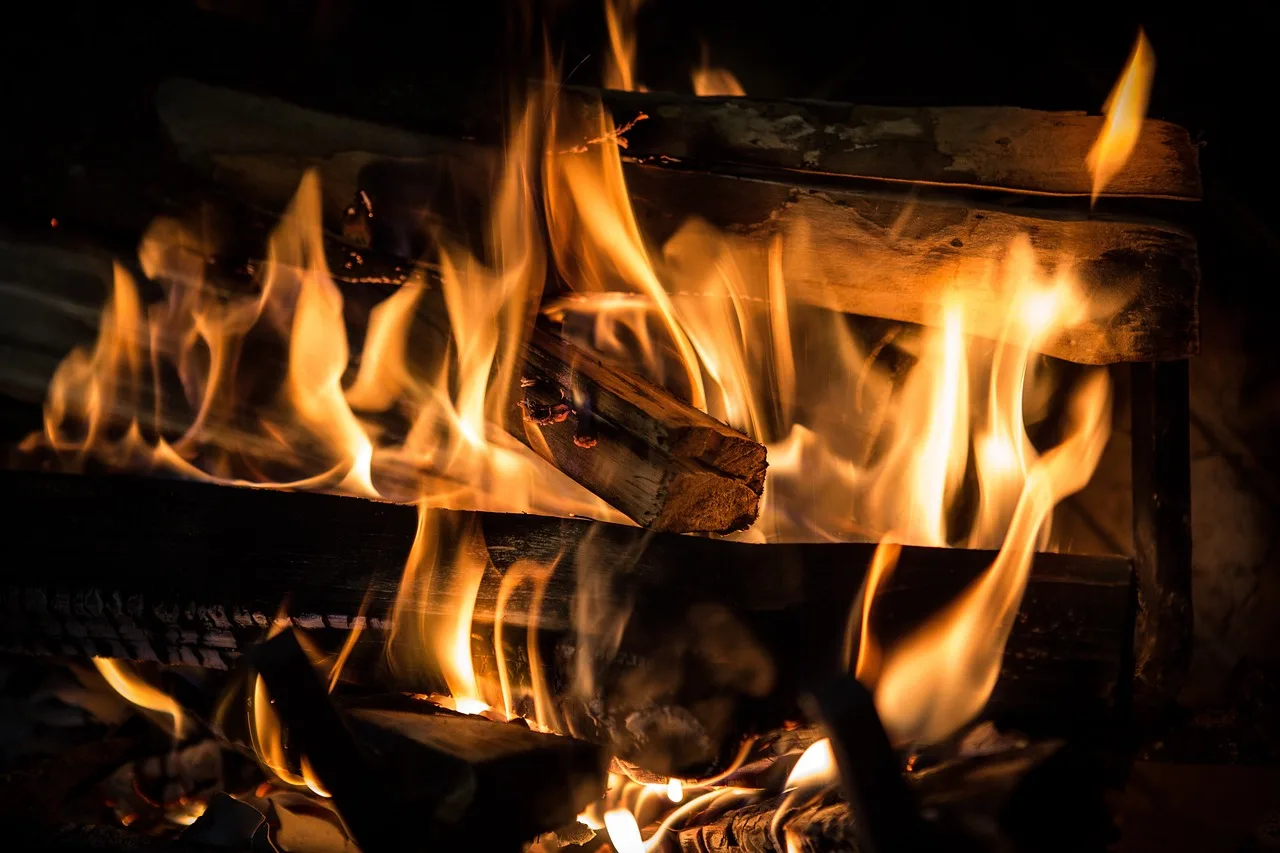
Fireplace doors and screens both sit between the room and the fire, but they do different jobs. Doors use tempered or ceramic glass to close off the firebox opening, while screens are mesh or metal panels placed in front of an open fire. For spark control and heat retention, doors usually win. For quick access, screens are simpler.
An open fireplace sends more sparks into the room and loses more heat than a closed unit, so the barrier choice matters. If your main concern is a stronger block for kids, pets, embers, and drafts, doors are usually the better fit. If you want faster tending and open access to the fire, a screen can be the more practical tool.
Sparks and embers
Fireplace doors score higher because they close off the opening and contain sparks and embers better than a screen. Screens do block large debris, sparks, and embers, but the woven wires or metal panel leave more open space than glass doors.
Say your wood fire pops a coal onto the hearth every time you add a split log. A glass door is more likely to keep that coal inside the firebox opening, while a screen is more likely to stop the largest fragments and let smaller embers settle closer to the room side.
Contact barrier
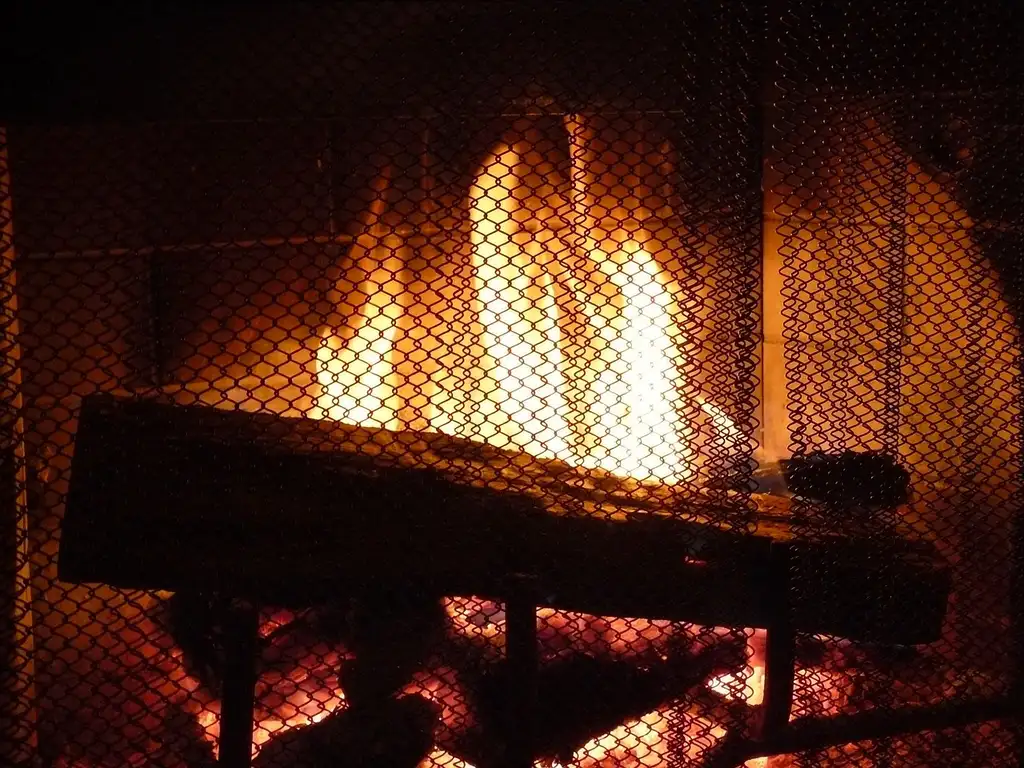
Doors are stronger for keeping children and pets away from the flame area, but they are not a free pass. Glass doors can get very hot, so they still pose a burn risk if someone touches them. A screen helps create distance, yet it is still a weaker physical barrier than a closed door assembly.
That difference matters in homes with toddlers or curious pets. A screen can slow direct contact with a fire, but it does not create the same barrier as glass over the opening. If you need the strongest separation from the firebox, doors are the better pick.
Heat loss and drafts
Fireplace doors usually reduce drafts and air leakage more than screens. Glass doors create a tighter seal than an open hearth, which can help limit warm room air from being pulled up the chimney. A screen does not actually block any heat.
That does not mean doors are airtight. They can still leak air around the frame, and many fireplaces do not behave the same way. But compared with a screen, doors are the clear winner for reducing heat loss and supporting winter efficiency.
Convenience for tending the fire
Screens are easier to move aside, which makes adding logs and adjusting the fire simpler. That is useful if you tend the fire often, want quick access, or prefer more radiant heat during the burn. Doors add more steps and can involve hinges, handles, and cleaning.
Convenience also affects maintenance. Screens are typically made from metal, often bronze or iron, and are usually cheaper than glass doors. Doors cost more to buy and install, and the glass and frame need regular cleaning to stay clear.
Fireplace barrier matrix
The best choice depends on which risk matters most. Use this matrix to match the barrier to your fireplace, your burn habits, and the people in the room. A higher score means stronger performance on that specific hazard.
| Hazard | Fireplace door | screen | Best for | Not ideal when |
|---|---|---|---|---|
| Spark containment | 5 | 3 | Fireplace door | You tend the fire often and want the easiest open access |
| Child and pet contact | 4 | 2 | Fireplace door | You need a barrier that stays cool to the touch |
| Heat loss and drafts | 4 | 1 | Fireplace door | You only want a lightweight visual barrier during active fires |
| Convenience | 2 | 5 | screen | You want the strongest barrier around the opening |
Why the matrix favors doors for protection
Doors are built from tempered glass, and some use ceramic glass, which has high heat resistance and can withstand fireplace temperatures. That gives them better containment for sparks, embers, and room-side contact than a typical mesh barrier. They also help reduce drafts and heat loss from an open fireplace.
Screen protection is narrower. It still helps in front of an open fire, but think of it as a basic spark and ember screen rather than a full protection upgrade.
Which protects better from sparks and embers?
Fireplace doors usually protect better from sparks and embers. They close off the firebox opening, so there is less chance that popping embers will jump into the room. A screen still helps, but it is less complete because it remains in front of an open fire rather than sealing the opening with glass.
That difference matters most with open fireplaces, where sparks have a direct path to rugs, flooring, and nearby decor. If your main concern is room protection from flying embers, doors are the stronger choice.
Why doors usually contain more
Tempered glass is used in fireplace doors, and it is more durable than standard glass. Ceramic glass is used in some fireplace glass doors and has high heat resistance. Either way, the panel gives a more complete physical barrier than mesh or a metal panel.
That does not mean doors should be treated as universal fire shields. Many wood-burning fireplaces require doors to stay open while the fire is burning unless the manufacturer explicitly allows closed-door operation. Follow the fireplace and door instructions, especially if you are using the unit actively.
Where screens still make sense
Screens still make sense when you want easy tending and a simpler setup. If you add logs often, want quick fire adjustments, or prefer to keep the flame fully visible, a screen can be the more practical option. It is also typically less expensive than doors.
For a fireplace used only occasionally, a screen may be enough if your main concern is catching the largest sparks and embers. It is not the stronger option, but it can be the right trade-off for access and price.
Do fireplace doors reduce heat loss more?
Yes. Fireplace doors reduce heat loss more than screens, because glass doors can help reduce drafts and limit the amount of warm air pulled up the chimney. Screens do not block heat the way doors do, so they do very little for winter efficiency.
An open fireplace converts only about 10% of the energy into heat energy, so any barrier that cuts air movement can help. A screen does not offer that kind of gain.
Tempered glass and ceramic glass doors
Tempered glass is the standard material in fireplace doors, and ceramic glass is used in some models for higher heat exposure. Both support the door’s role as a heat-control barrier. The main point is simple: the glass panel does more than a screen can do for room-side heat retention.
Still, do not assume every door is fully airtight. Many models improve efficiency and reduce draft, but they are not the same as a sealed insert. The exact benefit depends on the fireplace type and the door design.
Drafts, air leakage, and fireplace type limits
Drafts matter because an open fire can pull conditioned air up the chimney. Glass doors create a tighter seal to help reduce that flow, while a screen leaves the opening exposed. That is why doors are usually the better energy-efficiency choice.
Before buying, check whether your fireplace is masonry, prefab, or an insert. Those types do not accept the same door or screen setups. A compatible fit is part of the safety decision, not just the style decision.
Are fireplace screens safe for kids and pets?
Not by themselves, if you want strong protection. A screen gives a barrier, but it is a weaker one, and it does not stop a child or pet from getting close enough to a hot opening, hot metal, or falling embers. For households with active kids or pets, doors usually offer better protection.
That said, doors also get hot. A glass front can still burn a hand or nose, so you should not treat it as a cool surface. If children or pets are the main concern, the safer setup is the one that best limits access and matches your fireplace instructions.
Direct contact risk
The key issue is direct contact with hot surfaces and the fire area. A screen can reduce casual reach, but it does not create a hard, closed barrier. A door does better at stopping contact, though the glass itself can still become extremely hot during a burn.
If you need a barrier for a crawling child or a dog that bumps into furniture, choose the option that gives the most separation and the least easy access. In most cases, that means doors rather than a standalone screen.
When a screen is enough and when it is not
A screen may be enough for a low-traffic room where adults supervise the fire and no one is likely to touch it. It is less suitable when children or pets move freely through the space, because it offers a weaker barrier and less protection from the hot opening.
Picture a living room with a 36-inch open hearth and a curious toddler who walks by every evening. A screen can help, but a properly fitted door gives a stronger physical boundary and better spark control.
Choose Fireplace door if… / Choose screen if…
Choose Fireplace door if you want the stronger choice for sparks, embers, drafts, and contact protection. Choose screen if you want easier fire tending, lower upfront cost, and a barrier that stays in front of an open fire without closing it off.
Choose Fireplace door if…
- You want the best spark containment and ember control.
- You need better protection for kids or pets near the hearth.
- You want to reduce drafts and heat loss from an open fireplace.
- Your fireplace type accepts the door model you are considering, and the manufacturer allows the intended use.
Choose screen if…
- You tend the fire often and want the easiest access.
- You prefer a lower-cost barrier for occasional use.
- You want a simple mesh or metal panel in front of an open fire.
- Your main concern is basic spark blocking, not stronger contact protection or heat retention.
Check your fireplace type before buying
Do not skip the fit check. Masonry fireplaces, prefab fireplaces, and inserts are not interchangeable, and the wrong barrier can create clearance problems or fail to install correctly. Confirm the fireplace type first, then verify whether the door or screen is approved for that unit.
Also check the operating instructions for closed-door burning. Some fireplace glass doors must remain open while the fire burns, especially on wood-burning fireplaces. If the manufacturer allows closed-door use, follow that guidance exactly.

Frequently asked questions
Which is safer, a fireplace door or a screen?
Fireplace doors are usually safer overall because they block sparks better, reduce access to hot openings, and help limit heat loss. That said, the glass can still get very hot, so “safer” does not mean “cool to the touch.” The right choice still depends on the fireplace type and the way you burn fires.
Do fireplace glass doors stop sparks better than screens?
Yes. Glass fireplace doors generally stop sparks and embers better than screens because they close off the firebox opening. Screens still catch larger debris and some embers, but they leave more of the opening exposed. If spark control is the priority, doors are the stronger barrier.
Can you use a fireplace screen with glass doors?
Sometimes, but only if the fireplace and door manufacturer instructions allow that setup. Combining them can add a layer of protection in some installations, yet it can also affect airflow and overheating. Do not assume the combination is acceptable without checking the specific fireplace and door requirements first.
Do fireplace doors reduce heat loss more than screens?
Yes. Fireplace doors usually reduce heat loss more than screens because they help limit drafts and air leakage at the opening. A screen does not block heat. If winter efficiency matters, doors are usually the better option, though they still may not be fully airtight.
Are fireplace screens safe for homes with kids and pets?
They offer some protection, but they are not the strongest choice for homes with kids and pets. A screen can help block direct access to the fire, yet it is still a lighter barrier than glass doors. If contact risk is the main concern, doors usually provide better protection.
What is the difference between a fireplace screen and a fireplace door?
A fireplace screen is usually a mesh curtain or metal panel placed in front of an open fire. A fireplace door, also called a fireplace glass door, uses tempered glass to close off the firebox opening. The door offers stronger containment and better heat control, while the screen is easier to move for tending the fire.
Do fireplace glass doors need to stay open while the fire burns?
Often, yes. Many wood-burning fireplaces require the doors to remain open while the fire is burning unless the manufacturer explicitly allows closed-door operation. That instruction matters for safety and proper airflow. Always check the fireplace and door manual before closing the doors during an active burn.
Sponsored / affiliate links. As an Amazon Associate I earn from qualifying purchases. I may earn additional commission from eligible campaigns.