What Moisture Percentage Should Firewood Be For Best Burns?
The ideal moisture percentage for firewood is generally between 15% and 20%. Wood with moisture above 25% burns poorly, producing excessive smoke and creosote. Seasoned wood, dried for at least six months to a year, typically falls within this optimal range.
Using a moisture meter is the most accurate way to check.
Understanding Firewood Moisture Content
When we talk about firewood, especially its “moisture content,” we’re really talking about the water still held inside the wood. Think of a freshly cut tree. It’s full of sap and water, much like a juicy fruit.
This water needs to go away before the wood is good for burning.
Burning wood with too much water is like trying to cook with a sponge. The heat from your fire first has to boil away all that extra water. This takes a lot of energy.
That energy could have been used to create heat for your home. Instead, it’s wasted on turning water into steam.
So, what is the magic number? For the best burns, you want your firewood to have a moisture percentage between 15% and 20%. This is what we call seasoned or properly dried firewood.
It has lost most of its water.
Wood with moisture content over 25% is still considered “wet” or “unseasoned.” It will smoke a lot. It will also burn very slowly. And it creates more creosote.
Creosote is a sticky, black substance that builds up in your chimney. It can even cause dangerous chimney fires.
On the other hand, wood that is too dry can sometimes burn too fast. But this is less common with firewood people buy or collect. The real problem most people face is burning wood that is not dry enough.
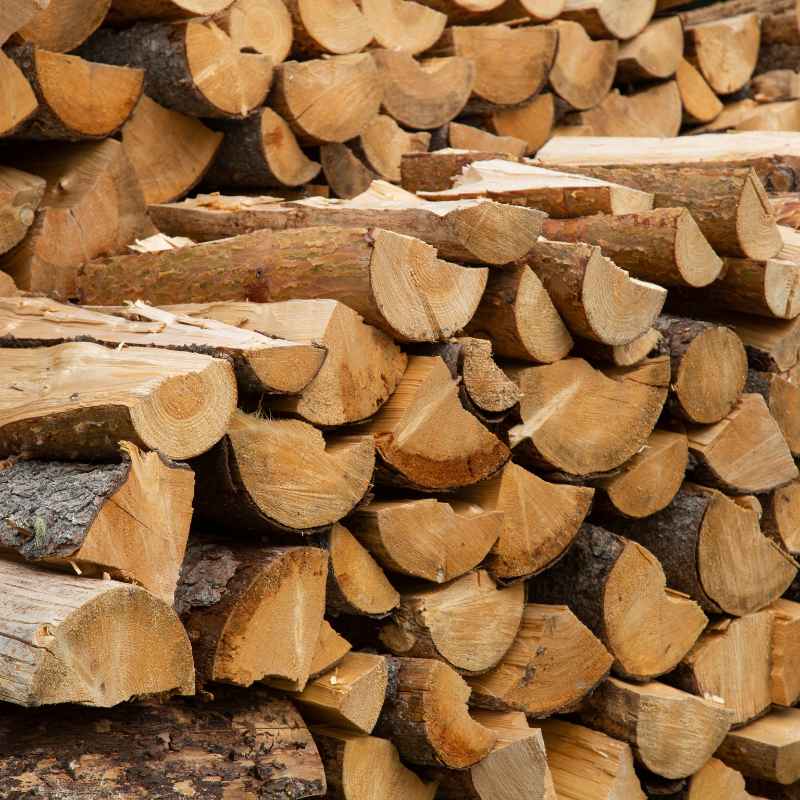
My Own Smoky Fireplace Fiasco
I remember one particularly cold winter evening a few years back. I had stacked a fresh load of logs by my fireplace, eager for a cozy night. I was a bit new to managing my own firewood back then.
I thought, “Wood is wood, right?” I tossed a few logs on the grate and lit them.
The room quickly filled with a thick, acrid smoke. My eyes watered. The smoke alarm even chirped a warning.
The fire itself was weak, barely glowing. I felt a wave of annoyance and confusion. I had a big pile of wood!
Why wasn’t it working?
I opened a window to let some smoke out. Then I looked closer at the logs. They felt surprisingly heavy.
They were also hard to light. I realized then that I had grabbed wood that hadn’t been seasoned properly. It was too wet.
That night, I learned a valuable lesson about firewood moisture the hard way.
Quick Guide: Ideal Firewood Moisture
Target Range: 15% – 20% moisture
Why it Matters:
- Hotter fire
- Less smoke
- More heat output
- Reduced creosote buildup
Avoid Above: 25% moisture (wet wood)
What Makes Firewood Wet?
When a tree is alive and growing, its wood is very wet. The water is stored in the cells of the wood. This water is often called “green” moisture.
It’s a natural part of the tree’s life. A freshly cut log can be 30%, 40%, or even 50% water.
To make firewood burn well, this water needs to be removed. This process is called seasoning. Seasoning is essentially drying the wood out.
The best way to do this is to let it air dry. This takes time. It also requires proper storage.
How long does it take to season wood? It depends on many things. The type of wood matters.
Hardwoods like oak or maple take longer than softwoods like pine or fir. The weather plays a big role too. A dry, windy climate helps wood dry faster than a damp, humid one.
Most experts say firewood needs at least six months to season. But often, a full year is even better. For hardwoods, two years is not uncommon.
During this time, the wood is stacked. It’s kept off the ground. It also needs good airflow around it.
Improper storage is a common reason why wood stays too wet. If wood is just piled up against a shed or left under a tarp that traps moisture, it won’t dry properly. Rain can also soak into exposed wood piles if they aren’t covered on top.
Seasoning: The Drying Process
What is it? Removing water from wood.
How it happens: Air drying over time.
Key Factors:
- Time: 6 months to 2 years
- Wood Type: Hardwoods take longer
- Climate: Dry, windy is best
- Storage: Stacked off ground, good airflow, covered top
How to Tell if Your Firewood is Ready
Many people rely on visual cues or sounds to guess if their wood is dry. These can be helpful hints, but they aren’t always accurate. You might be surprised by what they tell you.
One common sign people look for is cracks at the ends of the logs. As wood dries, it shrinks. This shrinking can cause the wood to split or crack, especially at the ends where drying happens fastest.
If you see deep cracks, it’s often a good sign the wood is dry.
Another tip is to listen to the sound. If you hit two dry logs together, they should make a clear, ringing sound. If they make a dull thud, they are likely still wet.
This is because the water inside dampens the sound.
The color of the wood can also give a clue. Dry wood often looks lighter in color. The bark might also be looser on seasoned wood.
Freshly cut wood looks “greener” or wetter, and the bark is usually tight.
However, all these methods are just estimates. A log might look dry on the outside but still be quite wet inside. The end cracks can be misleading.
The sound test can be affected by the type of wood. That’s why there’s a much better, more reliable way to know for sure.
Visual & Auditory Cues for Dry Wood
Look for:
- End Cracks: Deep splits at the log ends.
- Color: Lighter, less vibrant than fresh wood.
- Bark: Looser, easier to peel away.
Listen for:
- A clear, ringing sound when logs are tapped together. (Dry wood)
- A dull thud when logs are tapped together. (Wet wood)
Caution: These are good hints but not always exact.
The Most Accurate Method: A Moisture Meter
If you want to be absolutely certain about your firewood’s moisture content, the best tool to use is a wood moisture meter. These are small, handheld devices. They are quite affordable and very easy to use.
Most meters have two metal pins on the bottom. You push these pins into the wood. The meter then sends a small electrical current through the wood.
The resistance to this current tells the meter how much moisture is present. It then shows you a number on a digital display or dial.
To get the most accurate reading, you should test several logs from your pile. Don’t just test one or two. Also, test different parts of the log.
Push the pins in about a quarter to a half-inch. It’s best to test in the middle of the log, not right at the end where it dries faster.
For best results, split a log and test the newly exposed surface. This gives you the moisture content of the wood’s interior, which is what matters most for burning. If you get a reading consistently below 20%, you’re in great shape.
Using a moisture meter takes the guesswork out of it. You’ll know for sure if your wood is ready. This saves you from wasting time and energy on smoky, inefficient fires.
It’s a small investment that pays off quickly in better heating and less frustration.
Using a Wood Moisture Meter
Tool Needed: Wood moisture meter (digital or analog)
How to Use:
- Push metal pins into the wood surface.
- Aim for 1/4 to 1/2 inch deep.
- Test multiple logs from your stack.
- Test different spots on each log.
- For best accuracy, split a log and test the inside.
What to Look For: Readings below 20% are ideal.
Why Burning Wet Wood is a Problem
We’ve touched on this, but it’s worth really understanding why burning damp firewood is such a bad idea. It impacts your comfort, your wallet, and even the safety of your home.
First, the efficiency. When you burn wet wood, a huge amount of the energy released goes into boiling off the water. This means less heat actually goes into warming your home.
You’ll find yourself needing to use more wood to get the same amount of warmth. This costs you money if you buy wood, or it costs you more effort if you collect and process it yourself.
Second, the smoke. Wet wood smolders and smokes. This isn’t just unpleasant; it’s a sign of incomplete combustion.
This means you’re not getting all the good stuff (heat and energy) out of the wood. The smoke itself can be irritating to breathe. It can also lead to a sooty smell in your house.
You might also find your windows and fireplace glass getting dirty faster.
Third, creosote. This is a big one. As the smoke from wet wood rises up your chimney, it cools.
The water and unburned particles in the smoke condense. They form a tar-like substance called creosote. A thin layer of creosote isn’t usually a major issue.
But over time, especially with consistent use of wet wood, this layer gets thicker.
A thick buildup of creosote is highly flammable. If a spark or ember from your fire reaches this creosote, it can ignite. This causes a chimney fire.
Chimney fires are extremely dangerous. They can spread to the rest of your house. They can cause serious damage or even total loss of the home.
Regular chimney cleaning is always recommended, but burning wet wood makes the problem much worse and much more frequent. Keeping your firewood properly seasoned is a key part of safe and efficient home heating.
Risks of Burning Wet Firewood
Reduced Heat: Energy wasted boiling water, not heating your home.
Excessive Smoke: Incomplete burning, dirty air, sooty smells.
Creosote Buildup: Sticky residue that coats chimney walls.
Fire Hazard: Thick creosote can ignite, causing dangerous chimney fires.
Increased Costs: You’ll need more wood for less heat.
What This Means for Your Fireplace or Wood Stove
So, what’s the takeaway for anyone who enjoys a fire? It all comes down to preparation. If you buy firewood, ask about its moisture content.
A reputable supplier will know. They should be able to tell you if it’s seasoned.
If you get your own firewood, whether you cut it yourself or collect it from a friend’s property, you must plan ahead. You need to cut and stack your wood well in advance of when you plan to burn it. This means cutting it in the spring or summer for burning the following winter.
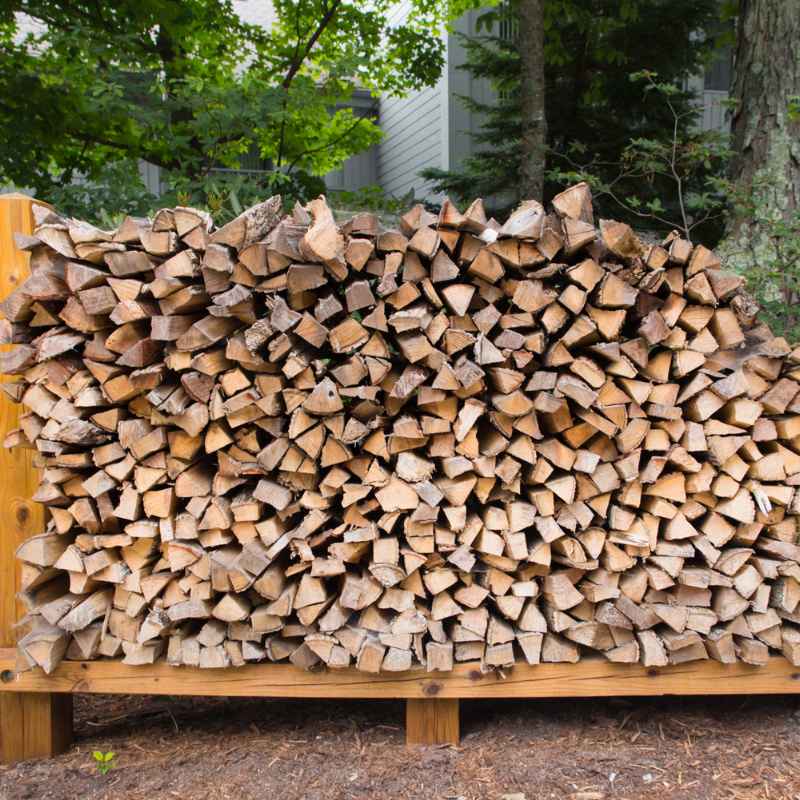
When you stack your wood, remember good airflow is key. Don’t just dump it in a corner. Stack it on pallets or old bricks to keep it off the damp ground.
Leave some space between the logs. Make sure air can get all around the pile.
Covering the wood pile is also important. You want to keep the rain and snow off the top and sides. But avoid wrapping it tightly in plastic.
This traps moisture and prevents drying. A simple tarp secured over the top, or a dedicated wood shed, works best. The sides should be open to the air.
If you’re storing wood inside your home or garage, make sure it’s not packed too tightly. Allow for some air circulation. Even a few days of drying in a warmer indoor environment can help improve the wood’s condition before it goes into your stove.
And remember that moisture meter! It’s your best friend for ensuring you’re always burning the right wood. Having it handy allows you to check new loads before they even get near your stove.
Quick Tips for Better Burning
Getting the moisture right is the biggest step. But a few other simple practices can make your fires even better.
Start with Kindling: Always start your fire with small, dry kindling. This catches easily and gets the fire going strong. Then add progressively larger pieces of wood.
Use Small Splits First: When you add logs to an established fire, start with smaller splits of seasoned wood. These will catch more easily and help build up a good bed of coals.
Don’t Overload: Stuffing too much wood into a stove or fireplace at once can smother the fire. This leads to incomplete burning and more smoke.
Ensure Good Airflow: Most wood stoves have air vents. Make sure these are open enough to allow the fire to breathe. Too little air means a smoldering fire.
Too much can make it burn too fast.
Burn Hot Fires: A hot fire burns more completely and efficiently. This means less creosote and more heat. Avoid letting fires smolder for long periods.
Clean Your Chimney: Schedule regular inspections and cleanings with a certified chimney sweep. This is crucial for safety, no matter how well you season your wood.
Firewood Moisture Content FAQs
What is the best moisture percentage for firewood?
The ideal moisture percentage for firewood is generally between 15% and 20%. Wood in this range burns hot and clean.
How long does firewood need to season?
Firewood typically needs at least six months to a year to season properly. Hardwoods may need longer, sometimes up to two years.
Can I tell if my firewood is dry without a meter?
You can look for signs like end cracks, lighter color, and loose bark. Tapping logs together for a ringing sound also helps. However, a moisture meter is the most accurate method.
What happens if I burn firewood that is too wet?
Burning wet firewood results in a smoky, inefficient fire that produces little heat. It also leads to increased creosote buildup in your chimney, which is a fire hazard.
Where is the best place to store firewood?
Store firewood off the ground, in a location with good airflow, and protected from rain and snow on top. A wood shed or a covered stack with open sides is ideal.
What is creosote and why is it bad?
Creosote is a sticky, tar-like residue that forms from burning wood, especially wet wood. It builds up in chimneys and is highly flammable, posing a serious fire risk.
Conclusion: Burn Smart, Burn Dry
Achieving a perfect fire is really about respecting the wood you’re burning. Understanding and managing its moisture content is the most critical step. Aiming for that 15% to 20% range will transform your fires from smoky struggles into warm, efficient sources of heat.
Be patient with the seasoning process. Invest in a moisture meter. Your nose, your lungs, and your home will thank you.
Sponsored / affiliate links. As an Amazon Associate I earn from qualifying purchases. I may earn additional commission from eligible campaigns.