Does Sitting On The Toilet Cause Hemorrhoids? Essential Facts
Does sitting on the toilet cause hemorrhoids? The simple answer is that prolonged sitting, not the act of using the toilet itself, is a major risk factor. Staying seated too long puts unnecessary pressure on the sensitive veins in your rectum, which can lead to swelling and irritation—the definition of hemorrhoids.
Hello there! As someone who loves tackling home projects, I know that when something feels “off” in your body, it can be as frustrating as trying to get a perfect dovetail joint on your first try. Many of us have sat on the toilet scrolling on our phones, thinking it’s harmless. But when we hear warnings about hemorrhoids, that bathroom time often comes to mind. It’s a common worry, and you are right to seek clear facts! This isn’t about scaring you; it’s about understanding how our habits affect our health, much like understanding the grain when sanding a piece of wood. We’ll break down exactly what’s happening down there, how long is too long, and simple steps you can take starting today to keep things running smoothly. Let’s get you the confidence and knowledge you need!
Understanding Hemorrhoids: What Are They, Really?
Before we talk about the toilet seat, let’s quickly look at what hemorrhoids are. Think of them like small, easily irritated cushions or bundles of veins located just inside or around the anus. They are totally normal—we all have them! They help maintain continence (keeping things sealed).
When these veins get swollen, inflamed, or stretched out due to too much pressure, that’s when we get symptoms like itching, pain, or bleeding. These swollen veins are hemorrhoids.
The Big Question: Does Sitting on the Toilet Cause Hemorrhoids?
This is where we need to be clear. The toilet itself doesn’t cause the problem. You can sit down for two minutes, and it’s usually fine. The issue arises from how long you stay seated.
Imagine a perfectly good hosepipe. If you step on it or tightly clamp it for a long time, the water backs up, and the hose swells, right? Sitting on the toilet for extended periods acts like stepping on those sensitive rectal veins.
When you sit on a standard toilet seat, especially when straining, gravity pulls blood down, and the lack of proper support allows those veins to pool and swell under the pressure. Medical professionals often refer to this increased pressure as being related to prolonged straining and sitting time. The Mayo Clinic notes that straining during bowel movements is a primary contributor to hemorrhoid flare-ups.
Why We Sit Too Long: The Modern Trap
It’s easy to lose track of time, especially now that our phones have become our constant companions.
- Distraction: Reading, texting, or browsing keeps your mind off the clock.
- Straining: Many people strain to empty their bowels quickly, which increases pressure.
- Habit: It becomes a daily routine to linger in the bathroom sanctuary.
The key takeaway here is that the bathroom is for elimination, not extended relaxation or entertainment. Shortening your time in the bowl is one of the easiest fixes you can apply today.
The Science of Sitting: Pressure and Blood Flow
To really understand the risk, we need to look at the physics involved. When you are standing or lying down, your body weight is distributed. When you sit on a toilet, your posture changes how blood flows in the lower half of your body.
How Posture Changes Blood Pooling
When you sit on a standard toilet seat, the front edge of the seat puts pressure on the back of your thighs. This pressure slightly restricts blood flow coming out of the rectal area while gravity simultaneously encourages blood to pool there.
If you are also straining (pushing hard), you are adding internal abdominal pressure on top of this poor posture. It’s a double whammy for those delicate veins!
Internal vs. External Hemorrhoids
It helps to know which type you might be dealing with, as toilet time affects them differently:
| Type | Location | Toilet Risk Factor |
|---|---|---|
| Internal | Inside the rectum | Prolonged sitting can cause prolapse (bulging out). |
| External | Under the skin around the anus | More often caused by acute straining or pushing. |
Both types benefit greatly from shorter bathroom visits and avoiding unnecessary straining.
The Danger of Straining (The Biggest Culprit)
While sitting too long is bad, straining is often the direct action that aggravates existing or developing hemorrhoids. Straining is what happens when you push forcefully to try and move stool when it isn’t ready to pass.
Think of it like this: If you are trying to drive a nail with a hammer (straining), you apply massive force. If you wait until the nail is loose and just tap it (a normal bowel movement), it slides right out. We want the tap, not the hammer!
Steps to Reduce Straining During Bathroom Visits
Here are some practical steps, similar to how we adjust our stance when using a power saw to ensure safety and accuracy:
- Don’t Wait Too Long: Go as soon as you feel the urge. Ignoring the signal lets the stool harden, making the next visit a struggle.
- Avoid Reading/Phones: Set a mental timer. If you haven’t gone within three to five minutes, get up and try again later.
- Elevate Your Feet: This is a game-changer! Elevating your knees above your hips mimics a squatting position, which naturally straightens the anorectal angle, making passage easier. Many people use a simple stool (like a small wooden crate you could easily build!) for this purpose.
- Relax Your Muscles: Tension makes things harder. Focus on deep, slow breaths to relax your abdominal and pelvic floor muscles.
The Role of Squatting and Posture Aids
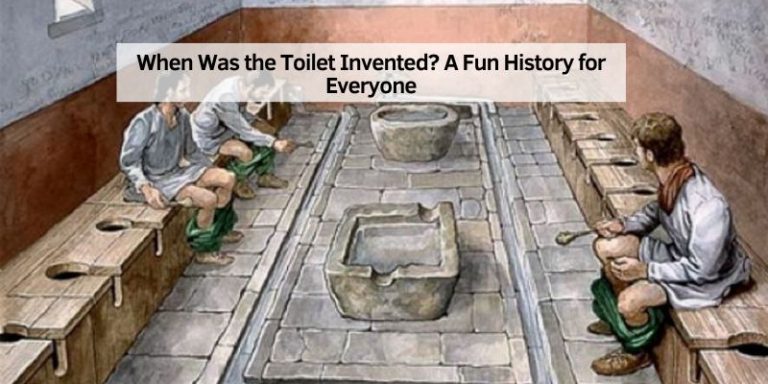
If sitting too long is the problem, what’s the solution? Nature intended us to squat. Historically, this position aligns the colon perfectly for easy, natural evacuation. Modern toilets, while convenient for daily life, fight against our natural anatomy.
Why Squatting Helps
When you squat, the puborectalis muscle (which loops around the rectum) relaxes much more completely than when you sit at a 90-degree angle. This relaxation opens the pathway.
For DIY enthusiasts, think of it like setting up a jig for cutting wood. The right angle makes the cut smooth; the wrong angle creates resistance. Squatting provides the right angle for your colon.
Tool Check: Bathroom Posture Aids
You don’t need a complicated renovation to achieve a better angle. These aids are simple and effective:
- Commercial Squatting Stools: These are specifically shaped to fit around the base of your toilet, bringing your knees up.
- DIY Step Stool: A sturdy, low stool (about 7 to 9 inches high) made of wood or plastic works perfectly. Ensure it’s wide enough for stability, just like you’d choose a stable base for a workbench.
- Knee Pillow/Pouch: If you can’t use a stool, sometimes placing a firm cushion on your lap while sitting can slightly adjust your torso angle forward.
Studies published in reputable journals often point out that adopting a squatting posture significantly reduces the need to strain during defecation, thereby lowering the risk of hemorrhoidal flare-ups.
Diet and Hydration: Preventing Hard Stools (The Root Cause)
While toilet time management addresses the physical mechanics, we must also address the material we are passing. Hard, dry stools are the number one reason people strain, which then leads to prolonged sitting. This is where fiber and water come in—the foundation of good bowel health.
Fiber: Your Body’s Natural Brush
Fiber adds bulk to your stool and helps it retain water, making it soft and easy to pass. If you’re used to working with dense materials, think of fiber as the sawdust that helps keep the main product moving smoothly through your machine.
Excellent Sources of Dietary Fiber:
- Fruits: Apples (with skin), pears, berries.
- Vegetables: Broccoli, carrots, leafy greens.
- Whole Grains: Oatmeal, whole wheat bread, brown rice.
- Legumes: Beans, lentils, peas.
Aim for around 25 to 38 grams of fiber per day, according to recommendations from health organizations like the National Institute of Diabetes and Digestive and Kidney Diseases (NIDDK).
Hydration is Non-Negotiable
Fiber needs water to work its magic. If you eat a lot of fiber but drink very little water, the fiber acts like a sponge in your colon, creating hard, cement-like stool that is painful to pass.
Tip for DIYers: Just as you keep your tools clean and lubricated, keep your insides hydrated. Water helps soften the stool, reducing friction and strain.
When Supplements Might Be Needed
If you struggle to meet your fiber goals through diet alone, psyllium husk (found in products like Metamucil) or methylcellulose can be helpful additions. Always introduce these slowly, starting with small doses, and ensure you drink plenty of water with them to avoid constipation.
Identifying When Toilet Time Becomes Harmful
How do you know if your bathroom routine is actively causing issues? Look for these clear warning signs.
Warning Signs to Watch For
If you notice these symptoms, it’s time to adjust your toilet habits immediately and consider talking to your doctor:
- Bleeding (bright red blood on toilet paper or in the bowl).
- Persistent itching or soreness around the anus.
- Pain or discomfort during or after a bowel movement.
- Feeling like you haven’t fully emptied your bowels, even after trying.
- Noticing a lump or swelling around the anal opening that may retract (internal hemorrhoids).
If you experience persistent bleeding, never assume it’s just hemorrhoids; always consult a healthcare provider to rule out more serious conditions. Safety first, just like when using power tools!
A Time Study: How Long is Too Long?
While there’s no universal “magic number” for everyone, general medical advice centers around limiting the time spent actively sitting on the toilet to the duration of a normal bowel movement.
Here is a simple guide based on standard recommendations:
| Duration | Risk Level | Recommendation |
|---|---|---|
| 0–3 Minutes | Low Risk | Normal and healthy. |
| 3–10 Minutes | Moderate Risk | Time to reduce distractions and check your diet. |
| 10+ Minutes | High Risk | Actively contributing to vein pressure. Stop lingering immediately. |
Putting It Into Practice: A Bathroom “Tool Kit” for Relief
Now that we understand the risks, let’s build your personal “tool kit” for better bathroom habits. These are simple, non-medical adjustments that can make a huge difference, much like choosing the right grit sandpaper for a smooth finish.
Action Plan: Improving Your Next Visit
Follow these simple steps to retrain your body:
- Prepare First: Ensure your diet is high in fiber and water throughout the day. You shouldn’t be heading to the bathroom if you haven’t felt the urge naturally.
- Set Up Your Squat Aid: Place your small stool or riser under your feet before you sit down. This ensures your knees are elevated from the start.
- Sit Down, Relax, and Wait: Sit only when you genuinely feel the need to go. Take a few deep, relaxing breaths. Let your body do the work naturally without pushing.
- The 5-Minute Rule: If nothing happens comfortably within about five minutes, get up. Walk around, have a glass of water, or read a chapter of a book elsewhere. Don’t sit there waiting for results.
- Gentle Wiping: When finished, use moist, soft toilet paper or specialized flushable wipes (check local plumbing guidelines first!) to clean gently. Avoid harsh scrubbing.
Consistency is key here. If you treat your bathroom time like a quick, functional task rather than a long break, your body will adjust.
When to Consider Professional Help
If you’ve changed your diet, hydration, and toilet habits and are still experiencing significant pain or bleeding, it’s time to call in an expert—a doctor or gastroenterologist. They can offer advanced treatments, sometimes including rubber band ligation or minor procedures, which can be surprisingly quick and effective. Never hesitate to seek professional advice when home fixes don’t resolve the issue.
Frequently Asked Questions (FAQ) for Beginners
Q1: Is it bad if I have to strain a little bit sometimes?
A: A very small amount of light straining is usually okay occasionally. The problem comes when straining is necessary every time, or when you have to push hard repeatedly for several minutes. This intense pressure is what damages the veins.
Q2: Do electronic bidets cause hemorrhoids?
A: No, bidets do not cause hemorrhoids. In fact, they can help! Bidets use a gentle stream of water to clean the area, which avoids the harsh friction and irritation caused by dry, repeated wiping.
Q3: Can using a squatting stool fix existing hemorrhoids?
A: A squatting stool won’t cure existing, painful hemorrhoids, but it is an excellent preventative measure. By reducing the strain needed to pass stool, it prevents existing hemorrhoids from becoming worse or recurring.
Q4: Should I hold in the urge if I am not near a bathroom?
A: Ideally, you should try to go when the urge strikes. Holding it in can cause stool to become drier and harder in the colon, making the eventual bowel movement more difficult and more likely to cause straining later on.
Conclusion: Small Habit Changes, Big Relief
So, does sitting on the toilet cause hemorrhoids? Not exactly—but sitting too long and straining absolutely can. The real issue isn’t the toilet itself; it’s how we use it. Prolonged sitting increases pressure on the rectal veins, and straining turns that pressure into irritation, swelling, and pain. In today’s world of smartphones and busy schedules, it’s easy to turn bathroom time into downtime—but your body pays the price.
The good news is that hemorrhoids are often preventable with simple, realistic habit changes. Limiting toilet time, avoiding distractions, improving posture with a footstool, staying hydrated, and eating enough fiber all work together to reduce strain and protect those sensitive veins. Think of it like good craftsmanship: when you use the right tools, the right angles, and the right materials, everything works more smoothly.
If symptoms persist despite better habits, don’t ignore them—getting medical advice early can prevent bigger problems later. Ultimately, treating bathroom visits as a quick, purposeful task rather than a place to linger is one of the easiest ways to support long-term digestive health. A few mindful minutes today can save you a lot of discomfort tomorrow!