Are Bidets Sanitary? A Simple Guide to Cleaner Bathrooms
My first encounter with a bidet was a total surprise. I was visiting a friend’s house, saw this odd toilet-seat gadget, and thought, “What’s this thing spraying water at me for?” Turns out, it was a bidet, and it changed how I think about bathroom hygiene! In this article, I’ll explain are bidets sanitary, share easy tips for using them, compare them to toilet paper, and give you practical advice to make your bathroom routine cleaner and comfier. Whether you’re new to bidets or a fan looking for tips, I’ve got you covered with simple steps, fun examples, and answers to common questions.
What Is a Bidet and Why Does It Matter?
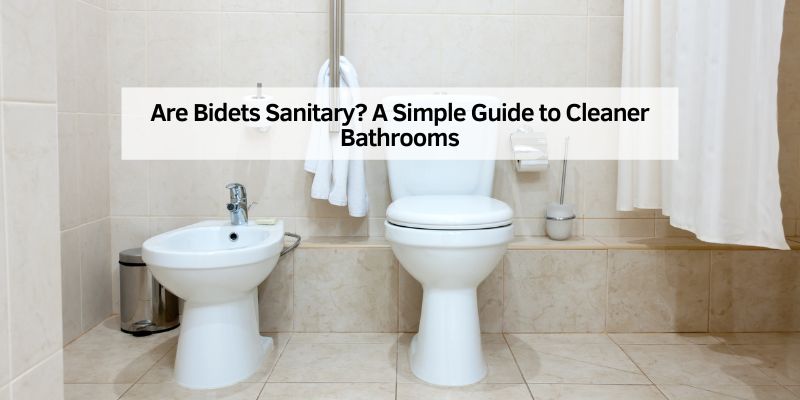
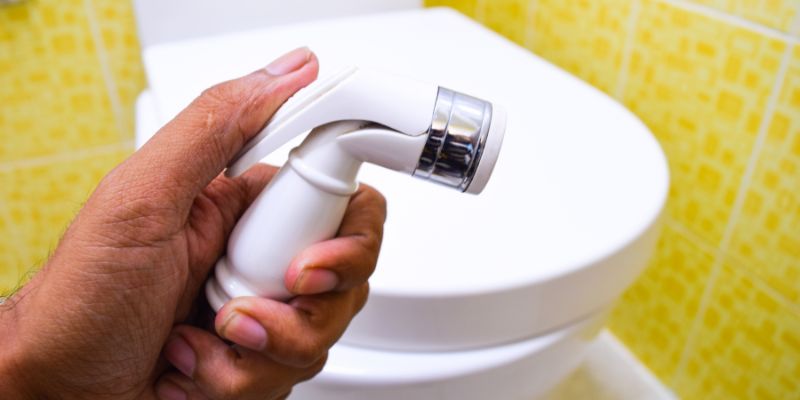
A bidet is a bathroom tool that sprays water to clean your bottom after using the toilet. It’s like a mini shower for your backside! Bidets come in many forms: standalone bowls, toilet seat attachments, or handheld sprayers. They’re popular in places like Europe and Asia, and now they’re catching on in the USA.
Why do they matter? Bidets clean better than toilet paper. Water washes away mess more gently and thoroughly than wiping. They’re also eco-friendly, saving trees by cutting down on toilet paper use. Plus, they’re great for people with sensitive skin or mobility issues, making bathroom trips easier and comfier.
Are Bidets Sanitary? The Simple Truth
Yes, bidets are sanitary—often more sanitary than toilet paper! Water cleans better than dry paper, which can leave bits of fecal matter behind. A 2017 study found that wiping with toilet paper can spread bacteria to your hands, while bidets reduce this risk by washing mess away. But, there’s a catch: bidets need proper use and cleaning to stay safe.
For example, I learned the hard way that you need to clean the bidet nozzle regularly. My first bidet got a bit grimy because I skipped cleaning it for weeks—yuck! Now, I wipe the nozzle with a mild cleaner weekly, and it’s as good as new. Proper use, like directing water front-to-back (especially for women), also keeps things hygienic and prevents infections.
How to Use a Bidet: A Step-by-Step Guide
Using a bidet is a piece of cake once you get the hang of it. Here’s a simple guide for beginners:
- Use the toilet first. Do your business as usual. You can wipe lightly with toilet paper if you want.
- Turn on the bidet. If it’s a seat attachment, press the “wash” button or turn the knob. For standalone bidets, adjust the faucet.
- Adjust the water. Start with low pressure to avoid a surprise splash. Aim the stream at your bottom.
- Clean gently. Let the water do the work. Move slightly to clean all areas.
- Dry off. Use a small towel, toilet paper, or an air-dryer feature if your bidet has one.
Visual Idea: A simple diagram showing a bidet seat with labeled buttons (wash, dry, pressure) would make this crystal clear!
Bidets vs. Toilet Paper: A Quick Comparison
To help you decide if bidets are right for you, let’s compare them to toilet paper. I’ve used both, and here’s what I found:
| Feature | Bidet | Toilet Paper |
|---|---|---|
| Cleanliness | Washes away mess with water | Wipes but may leave residue |
| Comfort | Gentle, soothing, no irritation | Can chafe or irritate sensitive skin |
| Cost | $50-$650 upfront, saves on TP long-term | $10-$20/month, adds up over time |
| Eco-Friendliness | Uses less water than TP production | Uses trees, water, and chemicals |
Caption: This table compares bidets and toilet paper based on cleanliness, comfort, cost, and environmental impact.
Bidets win for cleanliness and comfort, but the upfront cost can be a hurdle. Toilet paper is cheaper upfront but less effective and eco-friendly. I switched to a bidet attachment for $60, and it paid for itself in a year by cutting my toilet paper use by 75%!
Benefits of Using a Bidet
Bidets have tons of perks. Here’s why I love mine:
- Cleaner Feeling: Water leaves you squeaky clean, like a quick shower.
- Gentler on Skin: No more chafing or irritation, especially if you have hemorrhoids.
- Saves Money: You’ll use less toilet paper, saving hundreds over time.
- Eco-Friendly: Bidets cut down on the 20,000 trees flushed daily as toilet paper.
- Helps Mobility: Great for seniors or anyone who struggles to wipe.
One drawback? Bidets need regular cleaning to stay sanitary. If you skip maintenance, bacteria can grow on the nozzle. Also, some models need an electrical outlet, which might mean extra setup.
Common Mistakes to Avoid
When I started using a bidet, I made some rookie mistakes. Here’s how to avoid them:
- Skipping Cleaning: Clean the nozzle weekly with a mild cleaner to prevent germs.
- Wrong Water Pressure: Start low to avoid a shocking spray. Trust me, too high is not fun!
- Incorrect Spray Direction: Always aim front-to-back to avoid infections, especially for women.
- Ignoring the Manual: Read it! It tells you how to maintain your bidet properly.
Visual Idea: A cartoon showing a person startled by a high-pressure bidet spray could add a funny touch!
Choosing the Right Bidet: Simple Options
Picking a bidet can feel overwhelming, but it’s easier than you think. Here’s a quick guide to popular types:
| Bidet Type | Cost | Features | Best For |
|---|---|---|---|
| Non-Electric Attachment | $50-$100 | Cold water, basic spray | Beginners, budget-conscious |
| Electric Seat | $200-$650 | Warm water, dryer, heated seat | Comfort-seekers, frequent users |
| Standalone Bidet | $300-$1000 | Full fixture, customizable settings | Luxury lovers, big bathrooms |
Caption: This table compares bidet types by cost, features, and who they suit best.
I started with a non-electric Tushy attachment—super easy to install and perfect for beginners. If you want fancy features like warm water, go for an electric seat like the Toto Washlet C5. Check sites like BidetKing for reviews and options.
Easy Tips for Keeping Your Bidet Sanitary
Keeping your bidet clean is no sweat. Here are my top tips:
- Wipe the Nozzle: Use a soft cloth and mild cleaner weekly.
- Check the Filter: Some bidets have water filters—clean them monthly.
- Use Self-Cleaning Features: Many models, like Brondell’s Swash, have a nozzle rinse button.
- Flush First: Flush the toilet before using the bidet to avoid splashing mess.
Visual Idea: A checklist graphic for bidet maintenance would make these steps easy to follow.
My Personal Bidet Story
When I installed my first bidet, I was nervous. Would it be weird? Cold? Messy? But after a week, I was hooked. I felt cleaner, used less toilet paper, and even saved a few bucks. My favorite moment? When my 10-year-old nephew tried it and giggled, saying, “It’s like a water tickle!” Now, I can’t imagine going back to just toilet paper. It’s like choosing a dry rag over a shower—why would you?
Conclusion
Bidets are a game-changer for bathroom hygiene. They’re sanitary, gentle, and eco-friendly, saving you money and trees. Whether you’re a beginner or a bidet pro, there’s a model for you. Try a simple attachment like I did—it’s easy to install and costs less than a fancy dinner! Share your bidet stories or tips in the comments, or ask me anything. Let’s make bathrooms cleaner, one splash at a time!
Frequently Asked Questions
Are Bidets Really Cleaner Than Toilet Paper?
Yes, bidets are cleaner. Water washes away mess more effectively than wiping, reducing bacteria on your skin and hands. Studies show bidets lower the risk of spreading germs compared to toilet paper alone.
Can Bidets Cause Infections?
No, if used correctly. Always direct water front-to-back, especially for women, to avoid pushing bacteria toward sensitive areas. Regular cleaning of the nozzle also prevents infections.
How Do I Clean a Bidet?
It’s simple. Wipe the nozzle weekly with a mild cleaner. Use self-cleaning features if available. Check the manual for filter cleaning tips to keep water fresh.
Are Bidets Safe for Kids?
Yes, with supervision. Kids can use bidets with low-pressure settings. Teach them to aim the spray correctly and clean the nozzle to stay hygienic.
Do Bidets Save Money?
Absolutely. A bidet attachment ($50-$100) cuts toilet paper use by up to 75%, saving hundreds over time. It’s a smart investment for your wallet and the planet.
Can I Install a Bidet Myself?
Yes, it’s easy. Non-electric bidets take 10-15 minutes to install with basic tools. Electric models may need an outlet but come with clear instructions.
Are Public Bidets Sanitary?
They can be. Wipe the nozzle with toilet paper before use and test the spray direction. Public bidets are safe if maintained, but home bidets are easier to keep clean.