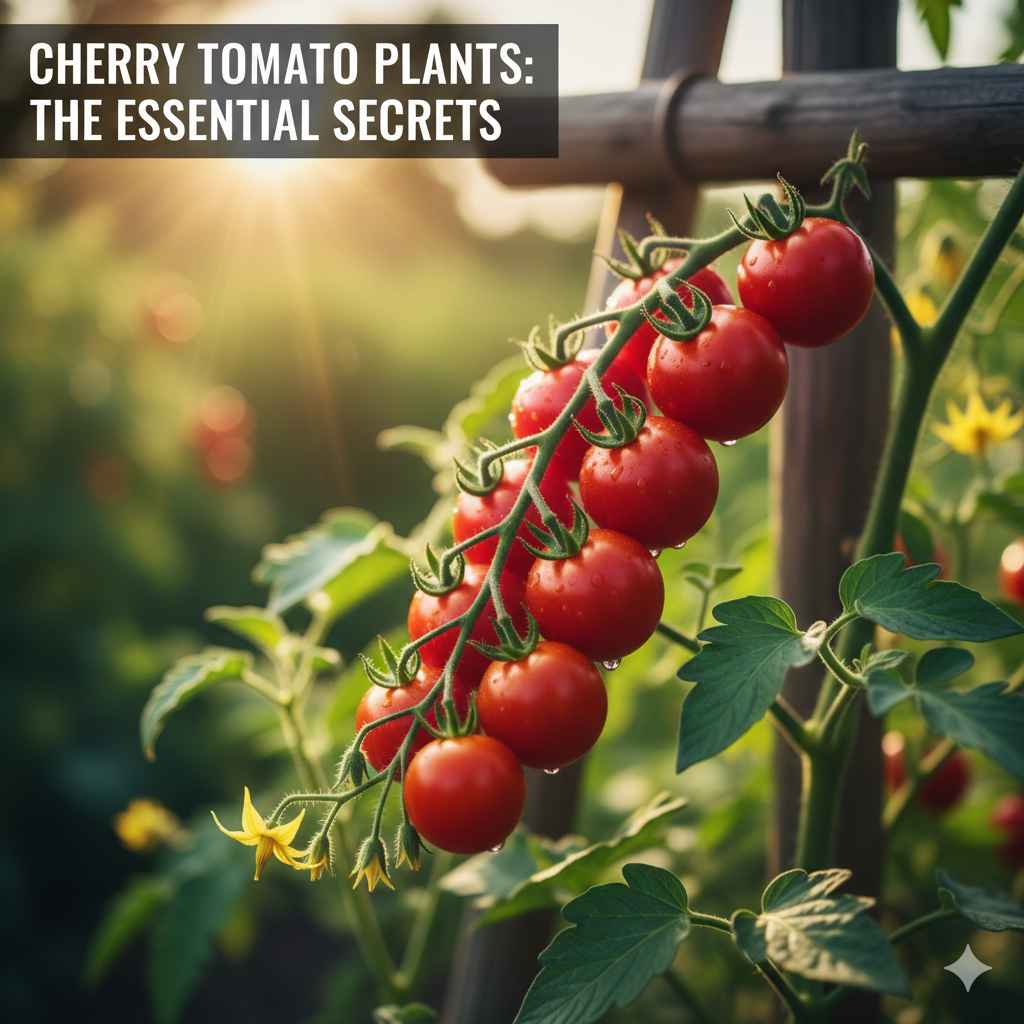
Are Cherry Tomato Plants: Essential Secret
Are cherry tomato plants determinate or indeterminate? The essential secret is knowing that most varieties are indeterminate, meaning they grow and produce fruit all season long until frost, requiring sturdy staking or caging. Understanding this growth habit is key to successful, bountiful harvests.
When you look at those tiny, sweet cherry tomatoes ripening on the vine, it’s easy to think they are simple plants. Many new gardeners feel a bit lost about how to care for them best. Do they grow short and bushy, or do they turn into long, sprawling vines? This difference matters a lot for your garden space and the support you need to give them! If you treat a giant vine like a little bush, you’ll end up with a tangled mess on the ground. Don’t worry! We’ll break down the simple secret to success so you can support your cherry tomatoes perfectly and enjoy the sweetest harvest. Next, we’ll uncover the two main types of growth and why it matters for your setup.
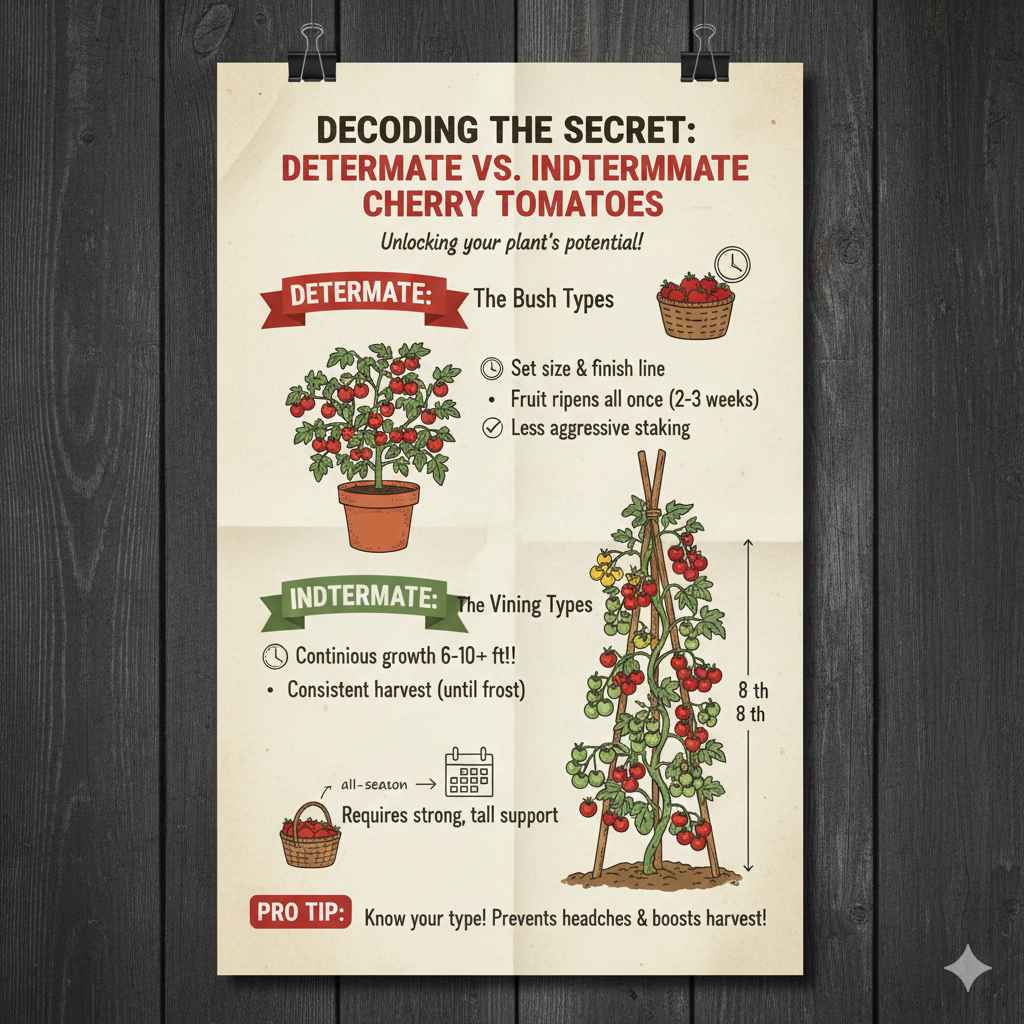
Decoding the Secret: Determinate vs. Indeterminate Cherry Tomatoes
Understanding whether your cherry tomato plant is “determinate” or “indeterminate” is the single most important piece of information for planning your garden layout, choosing containers, and deciding on support structures. It’s like knowing if you’re building a small bookshelf or a towering wardrobe—the foundation and bracing must be different!
What Does Determinate Mean? (The Bush Types)
Think of determinate plants as having a set finishing line. They grow to a certain size, produce most of their fruit all at once over a short period (usually 2–3 weeks), and then they stop growing taller.
These plants are often shorter and stockier, which is why they are sometimes called “bush” varieties. They work great for small spaces or patio containers.
Pros of Determinate Cherry Tomatoes:
- Great for container gardening where space is limited.
- Fruit ripens nearly all at the same time, which is wonderful if you want to do a big batch of canning or making sauce.
- They generally require less aggressive staking; a small cage or stake is often enough.
Cons of Determinate Cherry Tomatoes:
- You get one big harvest, and then the plant is essentially done for the season.
- If you want fresh tomatoes all summer long, this type might disappoint you.
What Does Indeterminate Mean? (The Vining Types)
Indeterminate plants are the tireless marathon runners of the tomato world. They just keep growing taller and producing flowers and fruit continuously from planting time until the first hard frost kills them off.
Most of the popular, high-yielding cherry tomato varieties fall into this category. They can easily grow 6 to 10 feet tall or even more if you let them!
Pros of Indeterminate Cherry Tomatoes:
- Consistent, continuous harvest all summer long—fresh salads daily!
- They produce a much higher total yield over the whole season.
- They are vigorous growers, making them rewarding for those with a bit more space.
Cons of Indeterminate Cherry Tomatoes:
- They require very strong, tall support systems (cages or tall stakes).
- They need more pruning to manage air flow and energy focus.
- They take up significantly more vertical space.
Identifying Your Plant Type: The Essential Guide for Beginners
So, how do you figure out which type you have? Often, the seed packet or plant tag tells you directly. But if you’ve bought a plant unlabeled or saved seeds, you can usually tell by looking at how it grows early on.
Step 1: Read the Label or Source
This is the easiest way. Look for words like “Bush,” “Patio,” or “Dwarf” (usually determinate) or “Vining,” “Continuous Fruit,” or “Heirloom” (often indeterminate).
Step 2: Observe the Growth Habit
After about four to six weeks of steady growth, take a good look at the main stem. Is the plant looking wide and bushy? Or is it focusing all its energy on sending one main central stem upwards very rapidly?
Step 3: Check for the “End Bud” (The Hard Tell)
Determinate varieties stop growing vertically when a flower bud forms at the very tip (apex) of the main growing point. Indeterminate varieties always have a growing tip (a small, pointed leaf cluster) at the top, allowing them to continue reaching for the sky.
Crucial Next Step: Choosing the Right Support Structure
Once you know the plant type, picking the support is straightforward. Using the wrong support leads to broken stems, damaged fruit, and a huge headache. Remember, we want strong, lasting results, just like building with solid joints!
Support for Determinate (Bush) Cherry Tomatoes
These plants are generally happy with less fuss. A standard, circular tomato cage bought from any garden center is usually perfect.
- Choose the Right Size: Look for a cage that is at least 2 to 3 feet tall.
- Install Early: Put the cage around the plant when it’s still small—about 8 inches tall. If you wait until it’s big, you risk damaging the roots or knocking off early blossoms when installing the cage later.
- Use Soft Ties: As the plant grows, gently tie any loose, heavy stems to the inside wires of the cage using soft garden twine or strips of old cloth. Don’t tie them too tightly!
Support for Indeterminate (Vining) Cherry Tomatoes
These need serious, heavy-duty support because they will grow tall and heavy with hundreds of tomatoes. We need structures that go high!
Option A: The Tall Stake System (Great for Row Gardens)
You’ll need sturdy wood or thick metal stakes, at least 6 to 8 feet long. For the best results, check out guides on setting deep fence posts, as these stakes need similar stability. According to Cornell University Extension studies, strong vertical support is key for maximizing airflow and yield in vining tomatoes (Journal of Vegetable Science).
- Drive the stake deep into the ground, about 12–18 inches away from the main stem, ensuring it’s firmly set before the plant gets too large.
- As the plant grows, gently wrap the main stem to the stake every 10–12 inches using figure-eight wraps with soft material.
- Keep tying the main leader stem up toward the top of the stake.
Option B: Heavy-Duty Cages or Trellises (Best for Containers or Small Spaces)
Standard “big box store” round cages are often too flimsy for indeterminate varieties. They usually collapse under the weight of a full harvest.
- Use Concrete Reinforcing Wire (CRW): This heavy metal mesh fencing (often available at hardware stores) can be easily shaped into a large, strong cylinder. It lasts for years and provides excellent support.
- Trellising: If you are growing against a wall or fence, string strong horizontal lines of twine or wire every 12 inches, and train the tomato vines up the strings. This is a fantastic, reliable method.
Pro Tip from Md Meraj: Never wait until the plant is flopping over to add support. Support goes in before the plant needs it, just like bracing a joint before you put weight on it. Early support prevents stress and broken stems later!
Soil and Nutrition: Feeding Your Determined Growers
Whether you have a bushy determinated or a towering indeterminate, all cherry tomatoes need consistent food and water to produce those sweet little bombs of flavor. Think of soil as the foundation of any good structure—it needs to be solid and well-fed.
The Importance of Consistent Water
Inconsistent watering is the number one cause of blossom end rot (that ugly black spot on the bottom of the fruit). Tomatoes hate drying out completely and then getting flooded.
- Water deeply and regularly, especially when the weather is hot. The soil should feel moist, like a wrung-out sponge, not soggy.
- Drip irrigation or soaker hoses are ideal because they deliver water directly to the roots without wetting the leaves (which helps prevent fungal diseases).
Choosing the Right Fertilizer
Tomatoes need three main things: Nitrogen (N) for leafy growth, Phosphorus (P) for roots and energy transfer, and Potassium (K) for overall plant health and fruit quality.
When the plant is young, it needs a little more Nitrogen. Once it starts setting flowers (the goal!), switch to a fertilizer higher in Phosphorus and Potassium.
Here is a simple guide to feeding based on the growth stage:
| Growth Stage | Recommended Nutrient Focus (N-P-K Ratio Example) | Application Frequency |
|---|---|---|
| Seedling/Young Plant (First Month) | Balanced, slightly higher in Nitrogen (e.g., 10-10-10 or 16-4-8) | Every 2-3 weeks |
| Flowering & Fruiting (Mid-Season Onward) | Higher in P and K, lower in N (e.g., 5-10-10 or Tomato-specific feed) | Every 1-2 weeks |
| Container Plants | Liquid feed works best as nutrients wash out faster. | Weekly |
A Note on Organic Feed: Organic options like compost tea, fish emulsion, or bone meal provide a slower, steady release of nutrients, which tomato plants absolutely love. They are excellent for building long-term soil health.
Pruning Secrets: Managing the Growth Energy
Pruning is often the step that makes new gardeners nervous, but it’s just strategic trimming—think of it like light sanding or joint cleanup to make a project better. Pruning tomatoes focuses the plant’s energy where you want it: into those delicious cherry tomatoes!
Pruning Indeterminate Vining Types
For these tall growers, pruning is essential to keep them manageable and healthy.
- Identify Suckers: Suckers are the small, new shoots that pop up in the “armpit” (the angle) where a leaf branch meets the main stem. If left alone, these suckers grow into full secondary stems, making a thick, bushy mess that shades the lower fruit and invites disease.
- When to Remove: Remove suckers when they are small (less than 3 inches long). Pinch them off gently with your fingers.
- Focus on the Leader: For indeterminate plants, you want to guide the strongest, main stem (the “leader”) up your stake or trellis. Remove most suckers except for the ones you want to keep as fruit-producing side branches (usually one or two low down).
Pruning Determinate Bush Types
This is much simpler. You generally do not need to heavily prune determinate tomatoes. Heavy pruning can reduce your already short harvest window.
- Only remove leaves that are touching the soil. This prevents soil-borne diseases from splashing up onto the foliage.
- If the plant becomes overly dense in the middle, you can thin out a few interior branches just to improve airflow.
Troubleshooting Common Cherry Tomato Issues (The Homeowner’s Fixes)
Even with the best planning, things happen in the garden. When problems arise, remember: most solutions are simple adjustments to light, water, or soil structure.
Problem 1: Yellowing Lower Leaves
This often signals a Nitrogen deficiency, as the plant pulls N from old leaves to feed new growth. It can also happen if the soil stays too wet, making it hard for roots to absorb nutrients.
- Fix: Apply a balanced, quick-release fertilizer or side-dress with a scoop of aged compost around the base. Ensure you are not overwatering.
Problem 2: Cracked or Split Fruit
This happens when the tomato rapidly swells after a dry spell. The skin can’t stretch fast enough to hold the internal growth.
- Fix: The answer is consistent moisture! Use mulch (straw or wood chips) to keep soil moisture even throughout the day.
Problem 3: Lack of Fruit Set (Flowers drop off)
Cherry tomatoes need pollination. If temperatures are too high (over 90°F consistently) or if it’s too cool, the pollen becomes sterile or fails to transfer.
- Fix: In extreme heat, provide afternoon shade if possible. If temperatures are cool, gently tap or shake the main stem daily around midday to mimic the effect of wind and encourage pollen release.
For reliable guidelines on optimal growing conditions, always check your local Cooperative Extension office resources, as climate factors play a huge role. For example, resources from the University of Minnesota Extension offer great regional data on growing tomatoes successfully.

Quick Comparison Table: Deciding on Your Variety Needs
Choosing between determinate and indeterminate is largely about your lifestyle and space availability. Use this table to quickly weigh your options for your next project.
| Feature | Determinate (Bush) | Indeterminate (Vining) |
|---|---|---|
| Growth Habit | Stops growing at a set height | Grows continuously until frost |
| Harvest Time | Single, large flush of fruit | Continuous small harvests all season |
| Space Needed | Small; great for pots (10-gallon minimum) | Large; requires vertical space (6+ feet) |
| Staking Needs | Minimal support (small cage) | Extensive, heavy-duty staking or caging |
| Pruning Requirement | Very little | Moderate to heavy pruning recommended |
Frequently Asked Questions for Beginner Gardeners
Q1: If I pick a determinate cherry tomato, will it still produce fruit if I plant it late in the season?
A: Yes, but for a much shorter time. Determinate types need a certain number of days to mature and produce their single crop. If your growing season is short, planting them late means you might only get a small harvest right before frost hits.
Q2: Can I grow an indeterminate tomato in a 5-gallon bucket?
A: You can, but it will struggle. Indeterminate plants are heavy feeders and huge drinkers. A 5-gallon bucket dries out too quickly and restricts root growth, leading to fewer tomatoes. Aim for at least a 15–20 gallon container for happy indeterminate growth.
Q3: How tall can an indeterminate cherry tomato plant actually get?
A: Without heavy pruning or the season ending, they can easily reach 8 to 12 feet tall, especially in hot, long seasons. That’s why strong staking systems (like cattle panels or heavy wire cages) are crucial; regular thin cages will bend or snap.
Q4: If I see suckers on my determinate plant, should I still prune them off?
A: If your plant is clearly determinate (bushy, small), you can ignore most suckers. Removing them might slightly reduce the total number of fruit clusters it can support, as they are designed to produce fruit from all side branches simultaneously.
Q5: My cherry tomatoes are planted close to the fence. Can I just let the indeterminate vine climb the fence directly?
A: That depends on the fence material. If the fence is open wire mesh or strong lattice, it works great. If it’s solid wood, the plant won’t get enough airflow, increasing the risk of powdery mildew and rot. You must always provide air circulation around the leaves.
Q6: When should I put the support structure in place for an indeterminate tomato?
A: Install the final, tall support system as soon as you plant the seedling, when it is only 6 to 10 inches tall. If you wait, you risk damaging the roots when hammering a large stake deep into the established soil later on.
Q7: Which type of cherry tomato is best for a beginner gardener?
A: Determinate (bush) varieties are generally easier for absolute beginners. They require less management, handle smaller containers better, and the single, predictable harvest is less overwhelming than managing a constant supply from an indeterminate vine.
Putting It All Together for a Bountiful Harvest
You’ve learned the essential secret: knowing the difference between determinate (bush, short harvest) and indeterminate (vining, long harvest) growth dictates every move you make in the garden, from the size of your pot to the height of your stakes. Just like when you plan out a custom cabinet build, knowing the specs upfront saves you headaches later.
Don’t stress about getting it perfect on day one. Start small. If you choose an indeterminate plant, invest in a strong cage or stake system right away—that initial setup is the foundation for a rewarding summer. Keep your soil consistently moist, feed it regularly once it flowers, and be brave when you prune those suckers on your vining plants. Gardening is all about learning and adapting. By recognizing your plant’s growth habit, you’ve already cleared the biggest hurdle. Now go build those strong supports, watch those sweet little tomatoes ripen, and enjoy the incredible payoff of your own hard work! Happy growing!