Are LED Bulbs Legal in the USA? A Deep Dive into Regulations and Benefits
Hey there! If you’re wondering whether LED bulbs are legal in the USA, you’re not alone. I’ve been down this rabbit hole myself, curious about whether these energy-saving lights are okay to use in my home, car, or even my outdoor spaces. The good news? LED bulbs are not only legal but also a fantastic choice for most lighting needs. But, like anything, there are some rules and considerations to keep in mind. Let’s break it all down together, so you can feel confident about using LED bulbs in your home or on the road. I’ve explored this topic thoroughly, and I’m excited to share what I’ve learned in a way that’s easy to understand, no matter your background.
What Are LED Bulbs, and Why Are They So Popular?
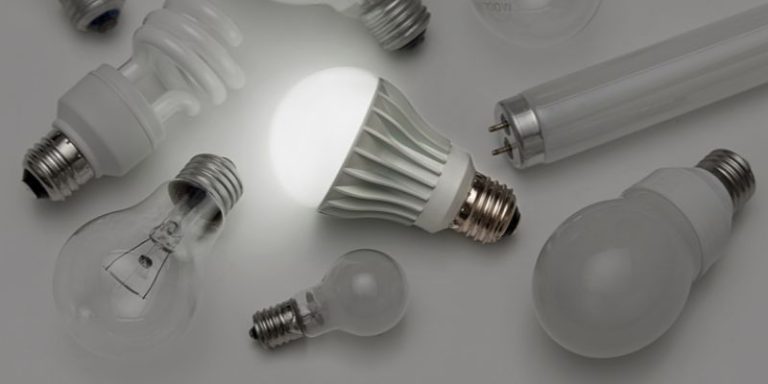
First things first, let’s talk about what LED bulbs are. LED stands for Light Emitting Diode, a fancy way of saying they’re super-efficient lights that use less energy than traditional incandescent or fluorescent bulbs. I remember swapping out my old bulbs for LEDs a few years ago, and the difference in my electric bill was noticeable almost immediately! They last longer, shine brighter, and come in all sorts of colors and styles.
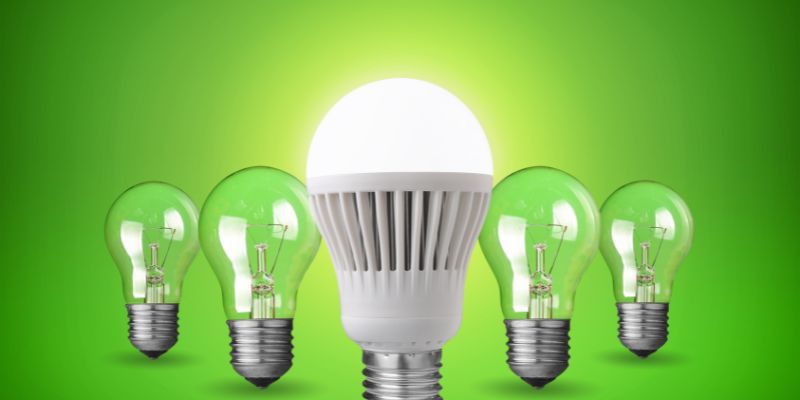
Why are they so popular? Well, they save energy, which is great for both your wallet and the environment. They also last up to 25,000 hours or more, compared to about 1,000 hours for an incandescent bulb. Plus, they’re versatile—you can find LEDs for your home, car headlights, streetlights, and even holiday decorations. But with all this popularity, you might wonder if there are any legal catches. Let’s dive into that.
Are LED Bulbs Legal for Home Use?
When I first started using LED bulbs at home, I wondered if there were any rules I needed to follow. The short answer is yes, LED bulbs are completely legal for home use across the USA. There are no federal laws banning them, and they’re widely encouraged because of their energy efficiency. In fact, the U.S. Department of Energy promotes LEDs as a way to reduce energy consumption.
However, there are a few things to keep in mind. Some states have energy efficiency standards that push for LED use. For example, California has strict regulations under Title 20 and Title 24, which set standards for appliances and lighting. These rules don’t ban LEDs; they actually encourage them because LEDs meet or exceed these efficiency requirements. I’ve found that most LED bulbs you buy from reputable retailers are labeled to show they comply with these standards, so you’re usually in the clear.
One tip I learned the hard way: always check the packaging for certifications like ENERGY STAR. These labels mean the bulb has been tested for efficiency and safety. I once bought a cheap, off-brand LED bulb online, and it flickered like crazy. Turns out, it wasn’t certified, and I had to replace it. Stick with trusted brands, and you’ll have no legal or performance issues at home.
Are LED Bulbs Legal for Vehicles?
Now, let’s talk about using LEDs in cars, because this is where things get a bit trickier. I’ve always loved the sleek, bright look of LED headlights, but I learned that not all LED bulbs are automatically legal for vehicles. The legality depends on where and how you’re using them.
For headlights, the U.S. Department of Transportation (DOT) sets standards under the Federal Motor Vehicle Safety Standards (FMVSS). These rules ensure that headlights are safe for drivers and don’t blind others on the road. Many LED headlights are DOT-compliant, especially if they come factory-installed in newer cars. But if you’re retrofitting an older car with aftermarket LED bulbs, you need to be careful.
I made the mistake of buying aftermarket LED headlights for my old pickup truck without checking the rules. They were super bright, but I got pulled over because they weren’t DOT-approved. The officer explained that aftermarket LEDs need to meet specific beam pattern and brightness standards. Some states, like Texas and Florida, are stricter about this than others. My advice? Look for LED bulbs marked as DOT-compliant, and check your state’s vehicle code before installing them.
For other vehicle lights—like brake lights, turn signals, or interior lights—LEDs are generally legal as long as they meet color and brightness requirements. For example, brake lights must be red, and turn signals must be amber or yellow. I’ve found that most LED bulbs designed for cars are made to meet these standards, but it’s worth double-checking.
Here’s a quick table to summarize vehicle LED legality:
| Vehicle Light Type | Legal Status | Key Considerations |
|---|---|---|
| Headlights | Legal if DOT-compliant | Must meet beam pattern and brightness standards. Check state laws for aftermarket LEDs. |
| Brake Lights | Legal | Must be red and bright enough to be visible. |
| Turn Signals | Legal | Must be amber/yellow and meet visibility requirements. |
| Interior Lights | Legal | No specific restrictions, but avoid distracting colors like blue or red if visible from outside. |
Are LED Bulbs Legal for Outdoor and Commercial Use?
When I started upgrading my outdoor lighting, I wondered if LEDs were okay for things like porch lights, streetlights, or even my small business’s signage. Good news: LEDs are legal for outdoor and commercial use, and they’re actually the go-to choice for many cities and businesses.
For outdoor home use, like floodlights or pathway lights, there are no federal or state bans on LEDs. In fact, many municipalities encourage LEDs because they reduce energy costs for street lighting. I noticed my town switched all its streetlights to LEDs a few years ago, and the difference is striking—they’re brighter and use less power.
For commercial settings, like offices or retail stores, LEDs are also legal and widely used. However, some local building codes might require specific brightness levels or color temperatures for safety reasons. For example, when I helped a friend set up lighting for his café, we had to ensure the LEDs met local fire code standards for brightness and emergency lighting. Always check with your local building department if you’re doing a big commercial project.
One thing to watch out for: some homeowners’ associations (HOAs) have rules about outdoor lighting. I had a neighbor who installed super bright LED floodlights, and the HOA made him swap them out because they were too intense for the neighborhood. If you live in an HOA community, check their guidelines before installing outdoor LEDs.
Are There Any Restrictions on LED Bulbs?
While LEDs are legal in most cases, there are a few restrictions to know about. These usually come down to safety, efficiency, or specific use cases. Here’s what I’ve learned:
- Color Restrictions: In vehicles, certain colors like blue or red are reserved for emergency vehicles. I once saw a car with blue LED underglow, and it got pulled over fast. Stick to white or amber for most vehicle uses unless you’re sure it’s allowed in your state.
- Brightness and Glare: For both home and vehicle use, LEDs can be too bright if not installed correctly. In my home, I accidentally bought a 100W-equivalent LED bulb for a small lamp, and it was like staring into the sun! For vehicles, overly bright headlights can blind other drivers, which is why DOT compliance is so important.
- Dimming Compatibility: Not all LEDs are dimmable, and using non-dimmable LEDs with a dimmer switch can cause flickering or even damage. I learned this when I tried to dim some cheap LEDs in my dining room—big mistake. Always check if the bulb is labeled as dimmable if you plan to use it with a dimmer.
- Specialty Uses: In some cases, like stage lighting or medical equipment, LEDs need to meet specific standards. For example, theatrical lighting might require LEDs with a high Color Rendering Index (CRI) to show colors accurately. I spoke to a theater tech friend who said they only use LEDs that meet these standards for professional productions.
Benefits of Using LED Bulbs
Now that we’ve covered the legal side, let’s talk about why LEDs are worth using. I’ve been using them for years, and I can’t imagine going back to old-school bulbs. Here are some benefits that make LEDs a no-brainer:
- Energy Savings: LEDs use up to 80% less energy than incandescent bulbs. My electric bill dropped by about $20 a month after I switched my whole house to LEDs.
- Long Lifespan: LEDs can last 10-20 years, depending on usage. I haven’t had to replace a single LED bulb in my living room since I installed them five years ago.
- Versatility: You can find LEDs in all shapes, sizes, and colors. Whether you need a warm glow for your bedroom or a bright white light for your garage, there’s an LED for that.
- Eco-Friendly: LEDs don’t contain mercury, unlike some fluorescent bulbs, and their energy efficiency reduces your carbon footprint. I feel good knowing my lighting choices are helping the planet.
- Safety: LEDs stay cooler than incandescent bulbs, reducing the risk of burns or fires. This was a big deal for me since I have kids who are always touching lamps.
How to Choose Legal and Safe LED Bulbs
Picking the right LED bulb can feel overwhelming with so many options out there. I’ve made a few mistakes along the way, but here’s what I’ve learned to ensure you’re getting legal, safe, and high-quality LEDs:
- Check Certifications: Look for ENERGY STAR, UL (Underwriters Laboratories), or ETL (Intertek) labels. These show the bulb has been tested for safety and efficiency.
- Match the Application: Make sure the bulb is designed for its intended use. For example, don’t use an indoor LED bulb outdoors unless it’s rated for wet or damp locations.
- Read Reviews: I always check online reviews before buying LEDs, especially for vehicles. Other users often point out issues like flickering or poor fit.
- Buy from Reputable Retailers: Stick to well-known stores or brands like Philips, GE, or Cree. I’ve had great luck with these, and they usually meet all legal standards.
- Check State Laws for Vehicles: If you’re buying LEDs for your car, double-check your state’s vehicle code or ask a mechanic to ensure they’re legal.
Common Myths About LED Bulbs and Legality
When I first started researching LEDs, I came across some myths that had me second-guessing. Let’s clear up a few:
- Myth: LEDs Are Illegal in Some States: Nope! LEDs are legal nationwide, but specific uses (like vehicle headlights) might have restrictions.
- Myth: LEDs Are Always Safe: While LEDs are generally safe, using them incorrectly (like non-dimmable bulbs with a dimmer) can cause issues.
- Myth: All LEDs Are the Same: Not true. Quality varies widely, so stick with certified bulbs from trusted brands.
Conclusion: Shine Bright with Confidence
After diving deep into the world of LED bulbs, I can say with confidence that they’re not only legal but also one of the best lighting choices you can make. Whether you’re brightening up your home, upgrading your car, or illuminating your business, LEDs offer unmatched efficiency, longevity, and versatility. Just make sure to choose bulbs that meet safety and legal standards, especially for vehicles or commercial spaces.
I’ve loved seeing the difference LEDs have made in my home—lower bills, brighter rooms, and a little peace of mind knowing I’m doing something good for the planet. So go ahead, make the switch, and light up your world the smart way!
Frequently Asked Questions
Are LED bulbs legal in all 50 states?
Yes, LED bulbs are legal in all 50 states for home, outdoor, and commercial use. For vehicles, they’re legal as long as they meet DOT standards and state-specific requirements, especially for headlights.
Can I use LED bulbs in my car’s headlights?
Yes, but they must be DOT-compliant. Factory-installed LED headlights are usually fine, but aftermarket LEDs need to meet beam pattern and brightness rules. Check your state’s vehicle code to be sure.
Do LED bulbs work with dimmer switches?
Not all LEDs are dimmable. Check the packaging for “dimmable” labeling. Using non-dimmable LEDs with a dimmer can cause flickering or damage.
Are there any colors I can’t use for LED bulbs?
In vehicles, avoid blue or red LEDs for exterior lights, as these are often reserved for emergency vehicles. For home use, there are no color restrictions, but check HOA rules for outdoor lights.
How do I know if an LED bulb is safe and legal?
Look for certifications like ENERGY STAR, UL, or ETL on the packaging. These ensure the bulb meets safety and efficiency standards. Stick with reputable brands for the best results.