Are Tarps Good Insulators for Home Improvement?
Hey there! If you’re wondering whether tarps are good insulators for your home improvement projects, you’re in the right place. I’ve spent plenty of time experimenting with tarps around my own home, from covering drafty windows to protecting outdoor furniture during harsh winters. Tarps are one of those versatile tools that seem simple but can make a big difference when used right. In this article, I’ll dive deep into whether tarps are effective insulators, how they work, and the best ways to use them for home improvement. I’ll share what I’ve learned, including some practical tips and tricks, to help you decide if tarps are the solution you need to keep your home cozy and protected. Let’s get started!
What Are Tarps, and How Do They Work as Insulators?
Let’s begin with the basics. Tarps, short for tarpaulins, are large, flexible sheets typically made from materials like polyethylene, vinyl, or canvas. They’re often used to cover things, protect surfaces, or shield against the elements. But insulation? That’s where things get interesting.
Insulation is all about preventing heat loss or gain. It traps air, which acts as a barrier to keep warm air in and cold air out—or vice versa in hot weather. Regular tarps are thin, usually designed to block wind, rain, or sun. They’re not naturally great at insulation because they don’t trap much air. However, insulated tarps are a different story. These are built with layers, often including foam or polyester, that create a pocket of air to slow down heat transfer.
I’ve used both standard and insulated tarps in my projects. Standard tarps are lightweight and great for quick fixes, like covering a broken window. But when I needed serious insulation, like keeping my garage warm in winter, insulated tarps were the way to go. They’re thicker, heavier, and designed to hold heat better than their standard counterparts.
Types of Tarps and Their Insulation Properties
Not all tarps are created equal. When I first started using tarps, I didn’t realize how much the material matters. Here’s a breakdown of the main types and how they stack up as insulators:
- Polyethylene Tarps: These are the most common, often called poly tarps. They’re lightweight, waterproof, and affordable. I’ve used them to cover outdoor furniture, but they’re not great insulators. They block wind and rain but don’t trap heat well.
- Vinyl Tarps: Heavier and more durable than poly tarps, vinyl tarps are better at resisting wear and tear. They’re still not designed for insulation, but their thickness offers a slight edge over poly tarps. I’ve found them useful for covering equipment in my shed.
- Canvas Tarps: These are made from woven fabric, often cotton or a cotton blend. They’re breathable, which is great for covering items that need ventilation, but they’re not waterproof unless treated. Insulation-wise, they’re decent but not as effective as insulated tarps.
- Insulated Tarps: The stars of the show for insulation. These tarps have layers, usually with foam or polyester sandwiched between outer shells of vinyl or polyethylene. The foam traps air, making them excellent for maintaining temperature. I used an insulated tarp to cover my patio last winter, and it made a noticeable difference in keeping the space usable.
Here’s a quick comparison to help you visualize:
| Tarp Type | Insulation Level | Best For | Pros | Cons |
|---|---|---|---|---|
| Polyethylene | Low | Temporary covers, rain protection | Lightweight, cheap, waterproof | Poor insulation, less durable |
| Vinyl | Low to Moderate | Equipment covers, outdoor storage | Durable, waterproof | Heavy, minimal insulation |
| Canvas | Moderate | Ventilation-needed covers | Breathable, durable | Not waterproof unless treated |
| Insulated | High | Temperature control, concrete curing | Excellent insulation, durable | Expensive, heavier |
Why Use Tarps for Insulation in Home Improvement?
You might be thinking, “Why not just use traditional insulation like fiberglass or foam boards?” Good question! Tarps have unique advantages that make them a go-to for certain home improvement tasks. Here’s why I’ve turned to tarps time and again:
- Affordability: Tarps are way cheaper than installing permanent insulation. When I needed a quick fix for a drafty garage door, a $50 insulated tarp did the trick, saving me hundreds compared to professional insulation.
- Versatility: Tarps can be used almost anywhere—windows, doors, patios, or even as temporary roofing. I once used a tarp to insulate my basement walls during a cold snap, and it worked like a charm.
- Ease of Use: They’re easy to install and remove. No special tools needed—just some tape, screws, or bungee cords. I’ve hung tarps over windows in minutes to block drafts.
- Temporary Solutions: If you’re in the middle of a renovation, tarps can protect your home from the elements. During a roof repair, I used a heavy-duty tarp to keep rain out until the job was done.
- Portability: Unlike fixed insulation, tarps can be moved and reused. I’ve repurposed the same insulated tarp for my patio, garage, and even a camping trip.
That said, tarps aren’t perfect. They’re not a long-term replacement for proper insulation, and they can wear out under constant sun exposure. But for quick, cost-effective solutions, they’re hard to beat.
Best Home Improvement Uses for Insulated Tarps
Over the years, I’ve found some fantastic ways to use insulated tarps around the house. Here are my top picks for home improvement projects where they shine:
Insulating Windows and Doors
Windows and doors are notorious for letting in drafts. I’ve taped insulated tarps over my old single-pane windows during winter, and the difference was immediate—my heating bill dropped, and the rooms felt cozier. You can cut the tarp to fit the window, secure it with weatherproof tape, and even layer it over curtains for extra protection. For doors, I’ve hung tarps over the frame to seal gaps, especially in my garage where cold air loves to sneak in.
Protecting Outdoor Spaces
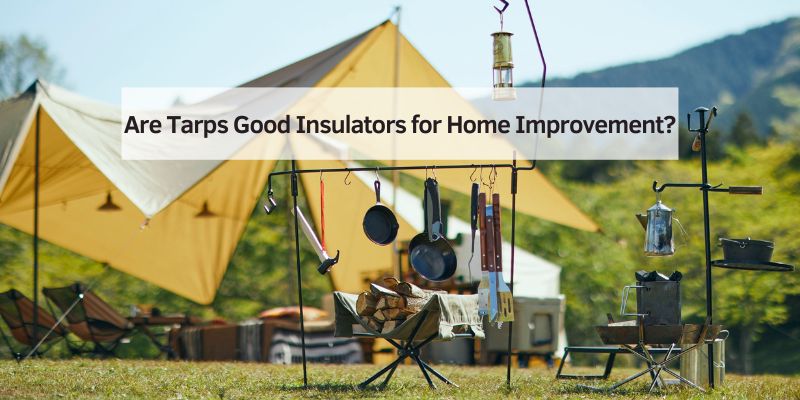
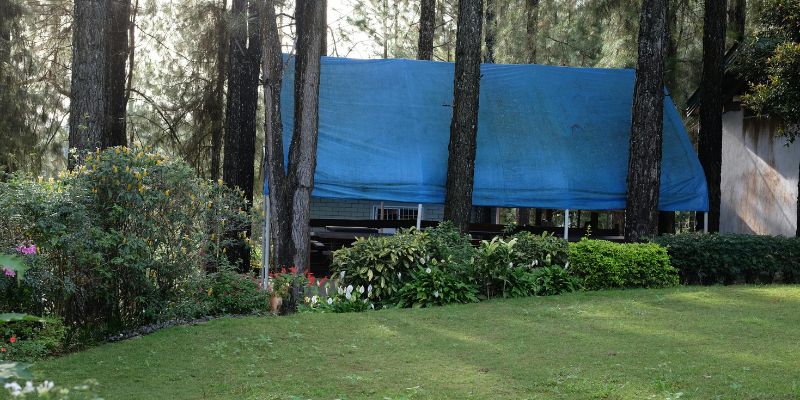
If you have a patio or porch, insulated tarps can make it usable year-round. Last winter, I draped an insulated tarp over my patio to create a windproof, warm space for outdoor gatherings. It wasn’t as fancy as a permanent enclosure, but it kept us comfortable without breaking the bank. You can also use tarps to cover outdoor furniture or grills, protecting them from snow and ice.
Insulating Basements and Garages
Basements and garages are often the coldest parts of a home. I’ve used insulated tarps to line basement walls, which helped keep the space warmer and reduced dampness. In my garage, I hung a tarp over the door to create a better seal. It’s a simple trick that makes these spaces more functional, especially if you use them as workshops or storage areas.
Temporary Roofing During Repairs
If you’re replacing a roof or fixing storm damage, a tarp can be a lifesaver. I once had a leak in my roof during a rainy week, and a heavy-duty insulated tarp kept the interior dry until repairs were complete. Secure the tarp with boards or screws to ensure it stays in place, and you’ve got a reliable temporary shield.
Concrete Curing in Cold Weather
If you’re pouring concrete in winter, insulated tarps are a must. They trap heat and maintain the right temperature for curing, preventing cracks. I helped a friend with a driveway project, and we used insulated tarps to cover the fresh concrete. It cured perfectly, even in freezing temperatures.
How to Choose the Right Tarp for Insulation
Picking the right tarp can feel overwhelming with so many options. Here’s what I’ve learned to look for when choosing one for insulation:
- Material: Go for insulated tarps with closed-cell foam or polyester layers for the best insulation. Vinyl or polyethylene outer layers add durability and weather resistance.
- Thickness: Thicker tarps insulate better. I’ve seen insulated tarps with foam layers ranging from ¼ inch to 1 inch. For serious cold, go for at least ½ inch.
- Size: Measure the area you need to cover and add a little extra for overlap. I made the mistake of buying a tarp that was too small once, and it left gaps that let cold air in.
- Durability: Look for UV-resistant and waterproof tarps, especially for outdoor use. My patio tarp lasted two winters because it was treated to resist sun damage.
- Attachment Points: Tarps with grommets (metal eyelets) are easier to secure. I’ve used bungee cords through grommets to hang tarps tightly without tearing.
Pro tip: If you’re on a budget, start with a smaller insulated tarp for a specific area, like a window or door. You can always add more as needed.
Tips for Using Tarps Effectively
I’ve made plenty of mistakes with tarps, so let me save you some trouble. Here are my top tips for getting the most out of them as insulators:
- Seal Edges Tightly: Gaps let air sneak through, ruining your insulation. Use weatherproof tape or adhesive strips to secure edges. I’ve also used weights to keep outdoor tarps in place.
- Layer for Extra Insulation: For really cold areas, layer multiple tarps or combine them with blankets. I’ve placed an electric blanket under an insulated tarp for extra warmth in my garage.
- Clean Before Installing: Dust or moisture can weaken adhesion. I always clean windows or walls before attaching a tarp to ensure a tight seal.
- Check for Damage: Inspect tarps for tears or worn spots before using them. A small hole in my tarp once let in enough cold air to make it useless.
- Store Properly: When not in use, roll or fold tarps and store them in a dry place. My first tarp got moldy because I left it in a damp basement—lesson learned!
Limitations of Tarps as Insulators
I’d love to say tarps are the ultimate insulation solution, but they have their limits. They’re not as effective as permanent insulation like spray foam or fiberglass. Insulated tarps are great for temporary fixes or supplemental insulation, but they won’t replace a well-insulated wall or roof. They can also degrade over time, especially if exposed to constant sunlight or harsh weather. I’ve had to replace outdoor tarps after a couple of seasons because UV rays weakened the material.
Another downside is that tarps can be bulky. Insulated ones are heavier than standard tarps, which can make them tricky to handle for large areas. And while they’re affordable, high-quality insulated tarps can still cost more than you’d expect for a temporary solution.
Comparing Tarps to Other Insulation Options
To give you a clear picture, let’s compare tarps to other insulation methods I’ve tried:
- Fiberglass Insulation: This is the gold standard for walls and attics. It’s highly effective but expensive and permanent. Tarps are better for quick, removable solutions.
- Foam Boards: These are great for rigid insulation but can be costly and hard to install in odd-shaped areas. Tarps are more flexible and easier to work with.
- Bubble Wrap: A budget-friendly option for windows, but it’s less durable and offers minimal insulation compared to insulated tarps.
- Concrete Curing Blankets: These are specialized for concrete work and often include active heating elements. They’re more effective than tarps for curing but less versatile.
For most home improvement tasks, tarps strike a balance between cost, ease, and effectiveness, especially for temporary needs.

My Personal Experience with Tarps
Let me share a quick story. Last winter, my old house was hit hard by a cold snap. The garage, where I keep my tools and work on projects, was freezing. I could see my breath while working! I picked up a 6×8-foot insulated tarp with ½-inch foam and hung it over the garage door, securing it with bungee cords and tape. Within a day, the space was noticeably warmer. I even added a small space heater, and the tarp helped trap the heat. It wasn’t a perfect solution, but it made the garage usable without a pricey insulation overhaul.
Another time, I used a tarp to cover a broken window after a storm. I taped a standard poly tarp over the frame, and while it didn’t insulate as well as an insulated tarp would have, it kept the rain out and stopped drafts until I could get the window fixed.
Conclusion
So, are tarps good insulators? Absolutely, especially if you choose insulated tarps designed for temperature control. They’re not a replacement for permanent insulation, but they’re a fantastic, budget-friendly option for temporary fixes, outdoor protection, or specific projects like concrete curing. I’ve used tarps to make my home more comfortable, protect my belongings, and even save money on heating bills. Whether you’re sealing a drafty window, insulating a garage, or covering a patio, tarps offer a versatile and practical solution.
The key is choosing the right tarp for the job—insulated for serious cold, vinyl or poly for basic protection. With a little creativity and some careful installation, tarps can be your secret weapon for home improvement. So, next time you’re facing a chilly draft or a cold outdoor space, grab a tarp and give it a try. You might be surprised at how much of a difference it makes!
FAQs
Can I Use a Regular Tarp for Insulation?
Regular tarps, like poly or vinyl, offer some protection against wind and rain but aren’t great insulators. They don’t trap heat well. For insulation, I recommend using an insulated tarp with foam or polyester layers to keep warmth in.
How Do I Secure a Tarp for Insulation?
You can secure a tarp with weatherproof tape, adhesive strips, or bungee cords through grommets. For outdoor use, weights or stakes work well. I always make sure the edges are tight to prevent drafts.
Are Insulated Tarps Waterproof?
Most insulated tarps are waterproof, thanks to their vinyl or polyethylene outer layers. I’ve used them in rain and snow without issues, but always check the product specs to be sure.
Can Tarps Be Used Year-Round?
Yes! Insulated tarps are great for winter to keep heat in and for summer to block heat out. I’ve used them to shade my patio in hot weather, and they worked just as well as in the cold.
How Long Do Insulated Tarps Last?
With proper care, insulated tarps can last a few years. UV exposure and harsh weather can wear them down, so I store mine in a dry place when not in use to extend their life.
Are Tarps Safe for Indoor Use?
Insulated tarps are safe indoors as long as they’re clean and securely fastened. I’ve used them to insulate basement walls without any problems, but avoid covering vents or heaters to prevent fire risks.