Best Pendant Lamps: Genius & Essential Picks
Quick Summary: Finding the best pendant lamps is about choosing styles that fit your room’s size, purpose, and your personal taste. From statement pieces to task lighting, we’ll guide you through smart picks that add beauty and function without the fuss, making your home shine.
Hello there! Are you looking to brighten up your home with a touch of style? Pendant lamps are fantastic for this. They hang down, adding light and a decorative flair exactly where you need it. Sometimes, picking the perfect one can feel a bit overwhelming with so many choices out there. But don’t worry! I’m here to help you navigate through the options. We’ll explore some genius and essential pendant lamp picks that will make your space look amazing and feel just right.
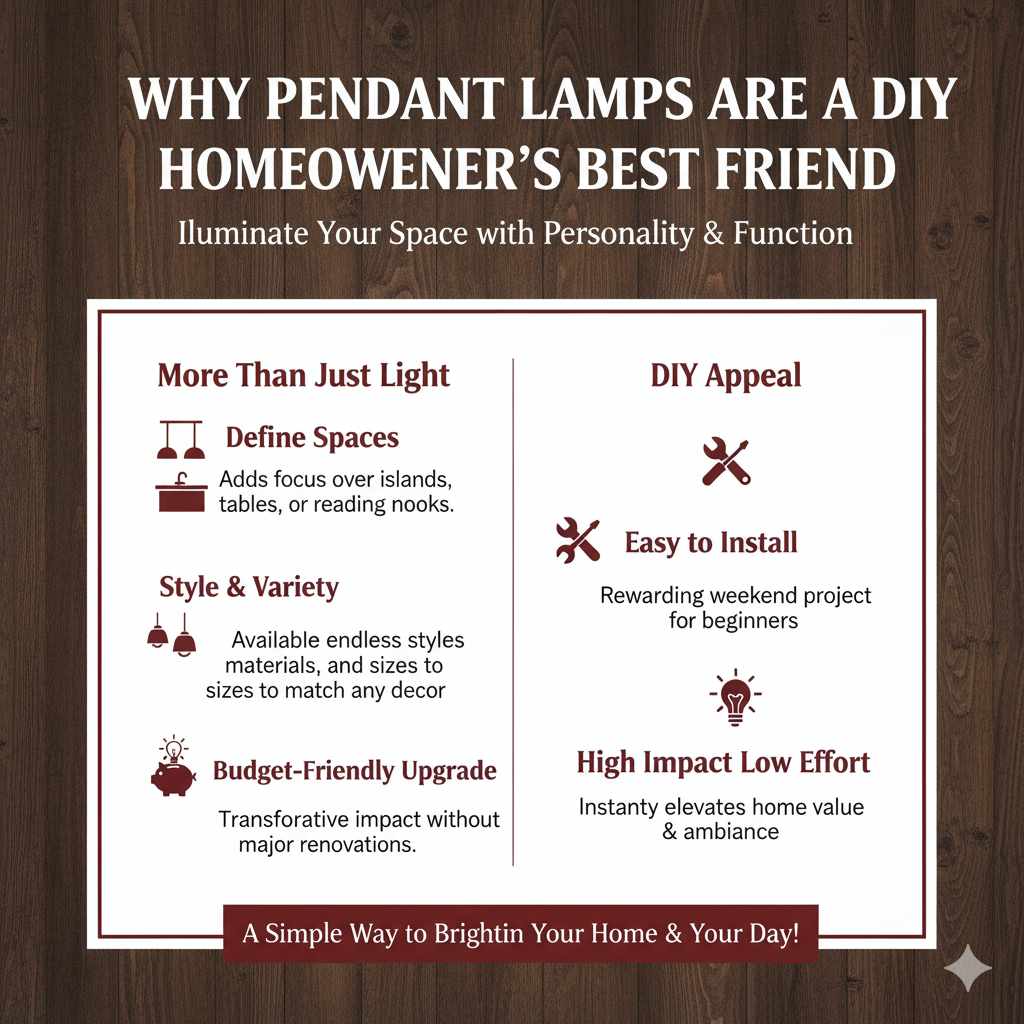
Why Pendant Lamps Are a DIY Homeowner’s Best Friend
Pendant lights are more than just light fixtures; they’re versatile design elements that can transform a room. They hang from the ceiling, often suspended by a cord, chain, or rod, drawing the eye and defining spaces. For us DIYers, they offer a fantastic way to add personality and functionality without undertaking major renovations. Think about it: a well-chosen pendant can be the star of your kitchen island, a cozy accent over your reading nook, or a dramatic statement in your entryway. They’re perfect for adding focused light where you need it most, whether you’re chopping vegetables, working at your desk, or simply enjoying a quiet evening.
The beauty of pendant lamps lies in their variety. You can find them in almost any style, material, and size imaginable. This means there’s a perfect pendant out there for every home and every budget. Whether your style is modern, rustic, industrial, or classic, you can find a pendant lamp that complements your existing decor. Plus, installing a pendant light can be a rewarding DIY project that adds significant value and appeal to your home.
Choosing the Best Pendant Lamps: A Beginner’s Guide
When you’re looking for the “best pendant lamps,” it’s not just about what looks good in a catalog. It’s about finding a lamp that truly works for your space and your needs. Think of it like choosing the right tool for a woodworking project – you need something that’s functional, fits the scale, and looks great too. Here’s how we’ll break it down:
- Consider the Space: Where will the pendant lamp go? A dining room needs something different than a small hallway.
- Think About the Purpose: Is it for general ambiance, task lighting (like over a counter), or a statement piece?
- Size Matters: A huge chandelier won’t work in a tiny nook, and a small accent light might get lost over a large table.
- Style Harmony: Does it match your home’s overall look?
- Material and Finish: These details can tie the whole room together.
Let’s dive deeper into each of these points to help you make the perfect choice.
Key Factors for Selecting Pendant Lamps
Picking the right pendant lamp involves a few smart considerations. It’s all about matching the light fixture to its environment and its job. Here’s what to keep in mind:
1. Room Size and Scale
This is super important for getting the proportions right. A pendant that’s too big can make a small room feel cramped, while one that’s too small can look lost in a larger space.
- For Small Rooms (e.g., entryways, powder rooms, small kitchens): Look for smaller, more delicate pendants. Think single bulbs with slim shades, or clusters of mini-pendants. A diameter of around 10-12 inches is often a good starting point.
- For Medium Rooms (e.g., dining areas, kitchen islands, bedrooms): You have more flexibility. Pendants in the 12-20 inch diameter range usually work well. You might even consider a set of two or three smaller pendants for a larger island.
- For Large Rooms (e.g., great rooms, large dining tables): Go for larger, more substantial pendants, or consider a cluster of several medium-sized ones. A pendant over 20 inches in diameter can be a stunning focal point.
Pro Tip: For dining tables or kitchen islands, a common rule of thumb is to ensure there’s at least 30-36 inches of space between the bottom of the pendant and the surface it’s illuminating. Also, make sure there’s enough headroom – you don’t want anyone bumping their head!
2. Lighting Purpose and Function
What do you need the light to do? Different pendants are better suited for different tasks.
- Task Lighting: This is about focused light for activities like cooking, reading, or working. For kitchen islands or desks, look for pendants that direct light downwards. Metal shades or glass shades with open bottoms are excellent for this.
- Ambient Lighting: This provides general illumination and sets the mood. Pendants with frosted glass, fabric shades, or those that diffuse light upwards and outwards are great for creating a warm, inviting atmosphere.
- Accent Lighting: These are often smaller, decorative pendants used to highlight a specific area or object, or simply to add visual interest.
- Statement Pieces: Some pendants are designed to be the main visual focus of a room. These often feature unique designs, bold materials, or impressive scale.
3. Style and Aesthetics
Your pendant lamp should complement your home’s decor. Think about the overall vibe you’re going for.
- Modern/Contemporary: Clean lines, geometric shapes, metal finishes (chrome, brushed nickel), glass, and minimalist designs.
- Industrial: Exposed bulbs, metal cages, distressed finishes, raw materials like concrete or wood. Often inspired by old factories or workshops.
- Farmhouse/Rustic: Natural materials like wood and wrought iron, barn-style shades, vintage-inspired designs.
- Mid-Century Modern: Organic shapes, tapered shades, brass or wood accents, often with a retro feel.
- Traditional: Classic shapes, ornate details, often with fabric shades or crystal accents.
Helpful Resource: Understanding different home design styles can really help. The Houzz guide to home styles is a great place to start exploring.
4. Material and Finish
The materials and finishes of your pendant lamp play a big role in its look and how it interacts with light.
- Glass: Clear glass offers unobstructed light, frosted glass diffuses it softly, and colored glass adds a pop of personality.
- Metal: From polished chrome to matte black, brushed brass, or oil-rubbed bronze, metal finishes can dramatically change the feel. Consider matching or complementing your other hardware (faucets, door handles).
- Wood: Adds warmth and a natural touch, perfect for rustic or Scandinavian styles.
- Fabric: Softens light and adds a cozy, traditional feel.
- Concrete/Ceramic: Offer a modern, earthy, or industrial vibe.
Genius & Essential Pendant Lamp Picks for Every Room
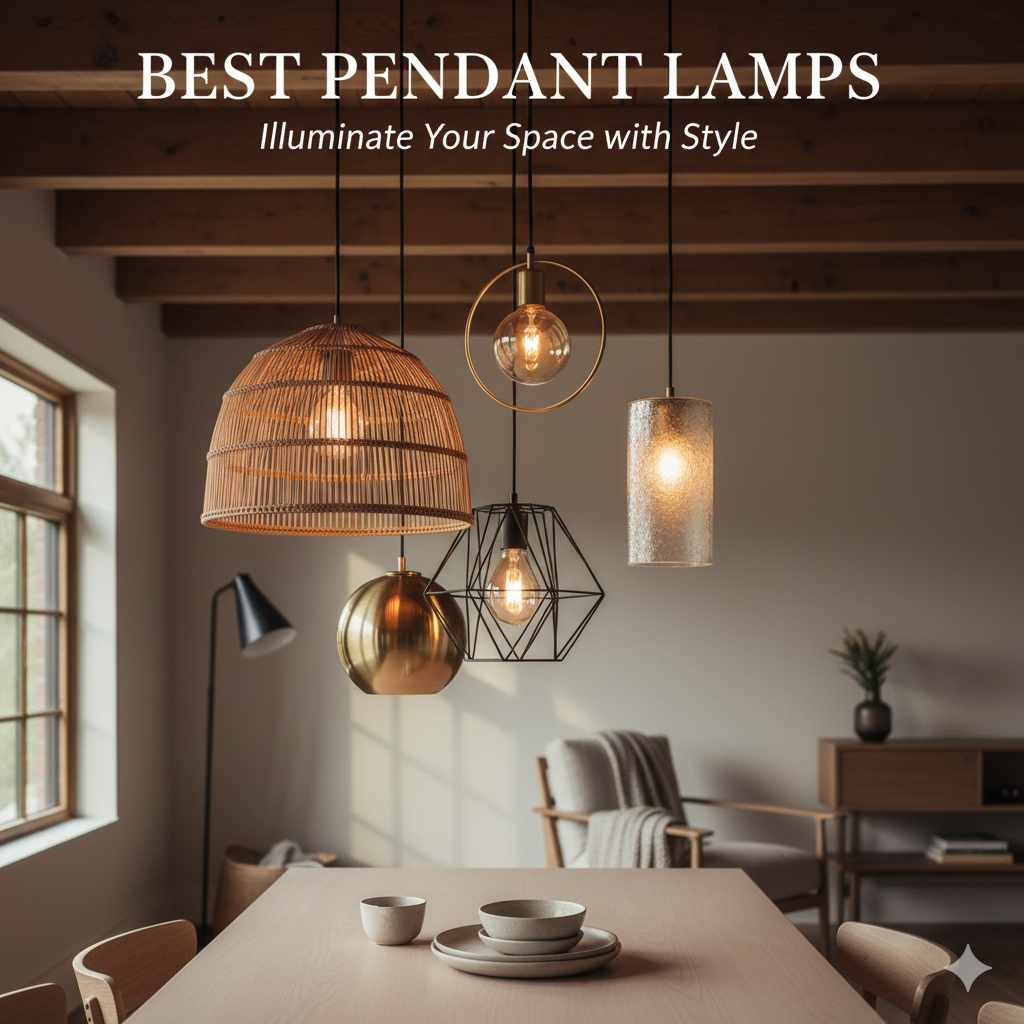
Now that we know what to look for, let’s explore some specific types of pendant lamps that are consistently popular and incredibly effective. These are the “genius” picks because they solve common design challenges and add real value.
1. The Classic Dome Pendant
Why it’s essential: This is a workhorse. Its simple, versatile shape makes it suitable for almost any setting, especially kitchens and dining areas. It directs light downwards, making it great for task lighting.
Best for: Kitchen islands, dining tables, entryways.
Style compatibility: Works with modern, industrial, farmhouse, and even some transitional styles depending on the finish.
Material/Finish ideas: Metal (brushed nickel, matte black, copper), enamel, sometimes glass.
2. The Industrial Cage Pendant
Why it’s genius: It embraces the raw, utilitarian aesthetic. The cage design protects the bulb (often an Edison-style exposed bulb) and creates a cool, edgy look. It adds character without being overpowering.
Best for: Lofts, man caves, kitchens with an industrial vibe, hallways.
Style compatibility: Industrial, rustic, modern industrial, eclectic.
Material/Finish ideas: Black metal, bronze, galvanized steel, sometimes with wood accents.
3. The Schoolhouse Pendant
Why it’s essential: A timeless design that evokes a sense of nostalgia and classic charm. Typically features a round, frosted glass shade that diffuses light beautifully for a soft, even glow.
Best for: Kitchens, dining rooms, entryways, home offices.
Style compatibility: Farmhouse, vintage, traditional, transitional.
Material/Finish ideas: Frosted or clear glass, often with brushed nickel, oil-rubbed bronze, or black hardware.
4. The Globe Pendant
Why it’s genius: Simple, elegant, and modern. A spherical shade provides a clean look and can be used individually or in multiples for a striking effect.
Best for: Modern kitchens, minimalist living rooms, entryways, hallways.
Style compatibility: Modern, contemporary, minimalist, Scandinavian.
Material/Finish ideas: Clear or frosted glass, sometimes milk glass, with sleek metal finishes.
5. The Linear Chandelier/Pendant
Why it’s essential: Perfect for long surfaces like large dining tables or spacious kitchen islands. It provides widespread illumination and acts as a strong design element.
Best for: Long dining tables, large kitchen islands, living areas.
Style compatibility: Modern, contemporary, industrial, transitional.
Material/Finish ideas: Various metals, often with multiple bulbs or shades arranged in a line.
6. The Drum Pendant
Why it’s essential: Similar to a drum lampshade but suspended. It offers a soft, diffused light and a clean, contemporary look. Great for general lighting.
Best for: Bedrooms, living rooms, dining areas, hallways.
Style compatibility: Modern, transitional, contemporary, even some minimalist styles.
Material/Finish ideas: Fabric shades, metal, acrylic, often with simple metal frames.
7. The Edison Bulb Pendant
Why it’s genius: It’s all about the bulb! These pendants showcase vintage-style exposed filament bulbs. They’re simple, minimalist, and add a warm, retro glow. You can hang them individually or in a cluster.
Best for: Adding accent lighting, creating a cozy atmosphere, entryways, bedside lighting.
Style compatibility: Industrial, rustic, modern, minimalist, eclectic.
Material/Finish ideas: Simple cords (black, fabric-wrapped), minimal hardware, often paired with decorative Edison bulbs.
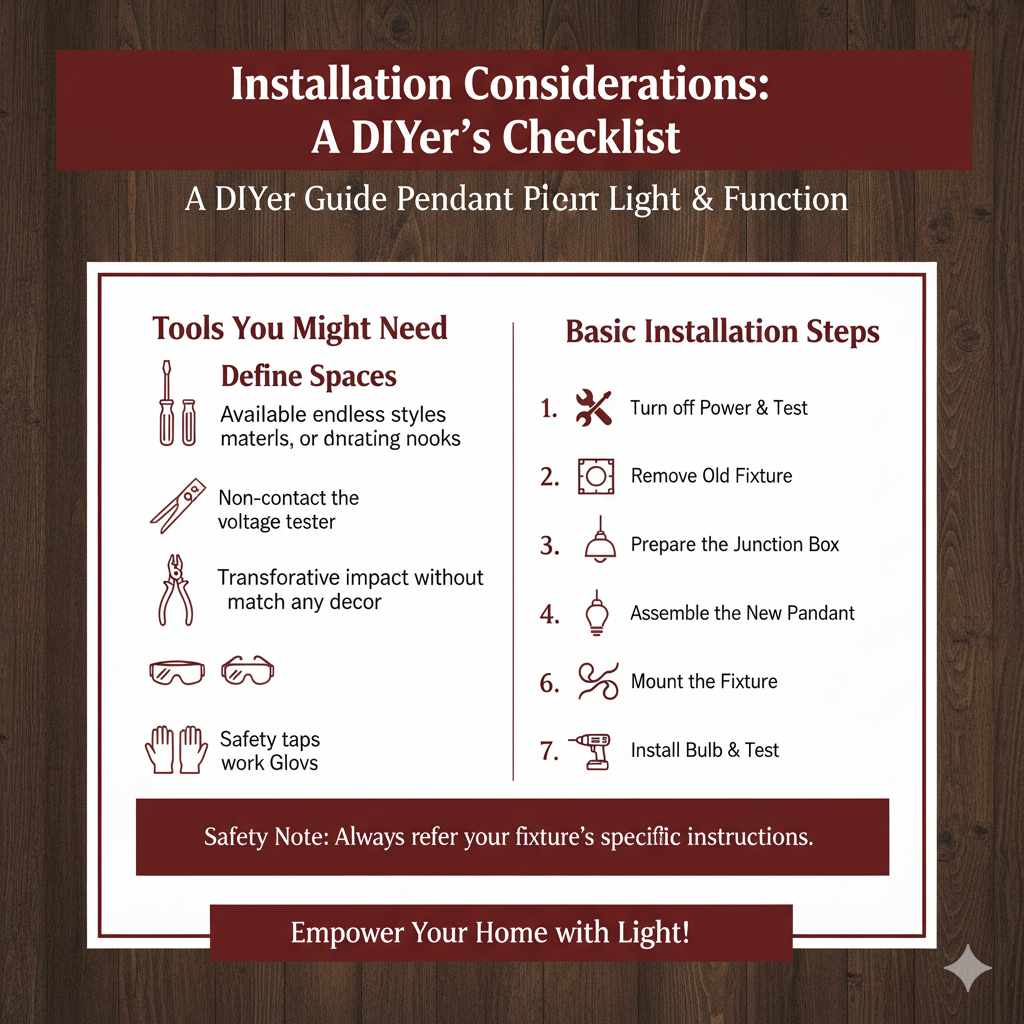
Installation Considerations: A DIYer’s Checklist
Installing a pendant light can be a satisfying DIY project, but safety and proper technique are crucial. Always remember to turn off the power at the circuit breaker before you start! If you’re uncomfortable with electrical work, it’s always best to hire a qualified electrician.
Tools You Might Need:
- Screwdriver set (Phillips and flathead)
- Wire strippers/cutters
- Voltage tester (non-contact is safest for beginners)
- Ladder
- Pliers
- Electrical tape
- Safety glasses
- Gloves
Basic Installation Steps (Always refer to your fixture’s specific instructions):
- Turn off Power: Locate your home’s electrical panel and switch off the breaker for the room you’re working in. Use your voltage tester to confirm there’s no power at the existing fixture or junction box.
- Remove Old Fixture: Carefully detach the old light fixture. You’ll typically need to unscrew a mounting bracket and disconnect the wires.
- Prepare the Junction Box: Ensure the junction box in the ceiling is secure and rated for the weight of your new pendant light.
- Assemble the New Pendant: Follow the manufacturer’s instructions to assemble your new pendant, including attaching the shade, cord, or rod.
- Wire the Pendant: Connect the wires from the pendant to the corresponding wires in the junction box (usually black to black, white to white, and ground to ground). Use wire nuts to secure the connections.
- Mount the Fixture: Secure the pendant’s mounting bracket to the junction box and then attach the pendant itself.
- Install the Bulb and Test: Screw in the appropriate light bulb, turn the power back on at the breaker, and test your new light!
Safety Note: For detailed guidance on electrical safety, the Occupational Safety and Health Administration (OSHA) offers comprehensive resources, though always prioritize your fixture’s specific manual and local building codes.
Pendant Lamp Styles at a Glance
To help you visualize, here’s a quick comparison of some popular pendant lamp styles:
| Style | Key Features | Best Use Case | Typical Materials |
|---|---|---|---|
| Dome | Simple, downward-facing shade | Task lighting (kitchens, islands) | Metal, glass |
| Cage | Exposed bulb within a protective metal frame | Industrial or rustic accents | Metal (black, bronze) |
| Schoolhouse | Round, often frosted glass shade | Classic, vintage ambiance | Glass, metal |
| Globe | Spherical shade | Modern, minimalist spaces | Glass (clear, frosted) |
| Linear | Multiple lights in a horizontal fixture | Long tables, large islands | Metal, glass |
| Drum | Cylindrical shade | General ambient lighting | Fabric, metal, acrylic |
| Edison Bulb | Focus on vintage-style exposed bulb | Accent lighting, cozy mood | Simple cord, minimal hardware |
Frequently Asked Questions (FAQ)
Q1: How high should a pendant light hang over a dining table?
A good rule of thumb is to have about 30-36 inches of clearance between the bottom of the pendant and the tabletop. This ensures enough light without being in the way.
Q2: Can I use a pendant light as my only light source in a room?
It depends on the room and the pendant. For smaller spaces or areas needing focused light, yes. For larger rooms or general illumination, you might need to supplement with other light sources like floor lamps or ceiling lights.
Q3: What’s the difference between a pendant and a chandelier?
While both hang from the ceiling, chandeliers are typically larger, more elaborate, and have multiple arms with lights. Pendants are usually simpler, often with a single light source, and are more focused on directing light.
Q4: How many pendant lights should I use over a kitchen island?
For standard islands, two or three pendants are common. The number and spacing depend on the island’s length and the size of the pendants. Ensure they are spaced evenly and don’t overwhelm the space.
Q5: What kind of bulb is best for a pendant light?
This depends on the pendant’s style and purpose. For task lighting, a brighter, more focused bulb is good. For ambient lighting, a dimmer, warmer bulb (like an LED that mimics incandescent warmth) works well. Always check the maximum wattage your fixture can handle.
Q6: Can I install a pendant light on a sloped ceiling?
Many pendant lights can be adapted for sloped ceilings using special mounting hardware or angled canopies. Always check the product specifications or consult with the manufacturer if you have a sloped ceiling.
Conclusion: Light Up Your Home with Confidence!
There you have it! Choosing the best pendant lamps doesn’t have to be complicated. By considering the space, purpose, scale, and style, you can find the perfect fixtures to enhance your home’s beauty and functionality. Whether you’re aiming for a cozy reading nook, a bright and inviting kitchen, or a dramatic entryway, there’s a pendant lamp out there waiting to make a statement.
Remember, these lights are more than just illumination; they’re opportunities to express your personal style and add that special touch to your DIY projects. Take your time, consider these tips, and don’t be afraid to experiment. With the right pendant lamp, you can truly transform your living space and feel proud of the results. Happy lighting!