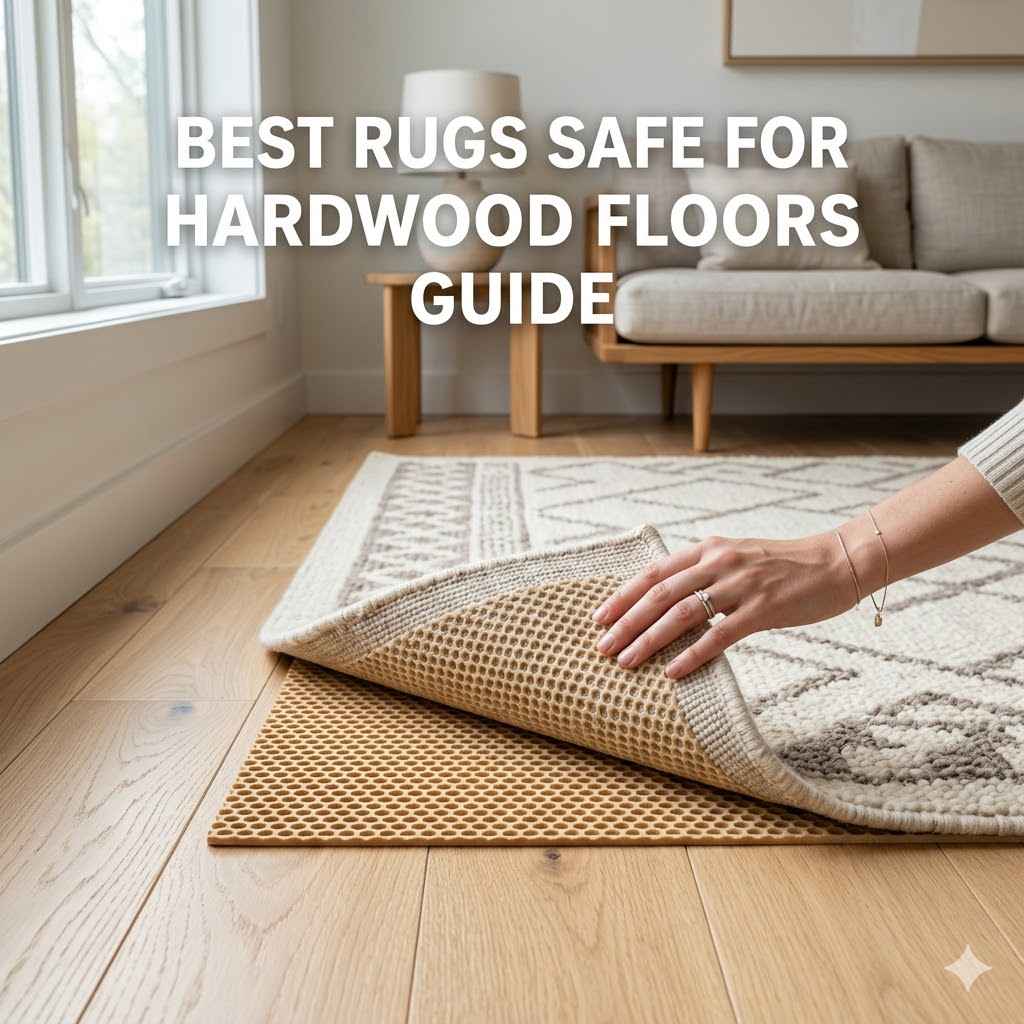
Best Rugs Safe for Hardwood Floors Guide
Picking out rugs for your beautiful hardwood floors can feel a bit tricky at first. You want something cozy and stylish, but you also need to make sure it won’t scratch or damage your precious wood. Lots of people worry about finding the right materials and what kind of backing to choose.
Don’t stress! This guide will make it super simple. We’ll walk through exactly what to look for to keep your floors looking great while adding warmth to your home.
Choosing Best Rugs Safe for Hardwood Floors
Selecting the best rugs safe for hardwood floors is important for protecting your investment in beautiful wood. Hardwood floors can be scratched or dulled by rough rug backings or certain rug fibers. This section will explore the key characteristics of rugs that are gentle on wood, helping you make informed choices for your home.
We’ll cover what makes a rug floor-friendly and what to avoid.
Rug Materials That Are Gentle
Some rug materials are naturally softer and less likely to cause damage. Natural fibers often rank high for safety. They are generally less abrasive than synthetic options.
This makes them a top choice for homeowners who want to protect their hardwood.
-
Wool: Wool rugs are a popular choice because they are soft and durable. They don’t typically have a harsh backing. Wool fibers are resilient and tend to spring back, meaning they won’t flatten and abrade the wood surface.
It’s a natural material that offers good insulation and comfort underfoot.
-
Cotton: Cotton rugs are another excellent option. They are soft, breathable, and usually have a flat weave. This low pile height means less friction against the wood.
Cotton rugs are also easy to clean, which is a bonus for busy households. Many cotton rugs come with a separate rug pad, which adds an extra layer of protection.
-
Jute and Sisal: These natural plant fibers are eco-friendly and offer a textured, earthy look. While they can be a bit coarser, when properly backed or used with a good rug pad, they are safe for hardwood. Their natural texture can add warmth and interest to a room.
It is important to check the backing of jute and sisal rugs, as some can be more abrasive.
-
Silk: Silk rugs are luxurious and have a smooth, soft texture. They are naturally gentle on floors. However, silk rugs are often expensive and require professional cleaning, making them less practical for high-traffic areas where extra protection is a concern.
When you are looking at rug materials, think about the fibers themselves. Are they smooth and pliable? Or do they feel stiff and potentially scratchy?
Natural fibers like wool and cotton are generally your safest bet for a smooth surface interaction with your hardwood.
Materials to Use with Caution
Some rug materials and constructions can pose a risk to hardwood floors. Understanding these potential hazards helps in making the best decisions for your home. Certain synthetic fibers or aggressive weaving techniques can lead to scratches or discoloration over time.
-
Synthetics like Polypropylene (Olefin): While durable and stain-resistant, some synthetic fibers can become stiff and abrasive over time, especially with heavy foot traffic. The backing material is also crucial here. If a polypropylene rug has a stiff, rubbery backing, it can sometimes react with hardwood finishes, causing discoloration.
Always check for a protective barrier or use a rug pad.
-
Rough Weaves: Rugs with a very coarse or looped weave, especially if the loops are tight, can create friction. This friction can wear down the finish on hardwood floors. Examples include some types of Berber carpets or certain heavily textured natural fiber rugs if their construction is too dense.
-
Natural Fibers with Harsh Backings: Even soft natural fibers can be problematic if they have a stiff, non-breathable backing that traps moisture or reacts with wood finishes. Some older rugs or those made with adhesives can have backings that become brittle and shed, scratching floors.
The key is to consider the combination of fiber and backing. A rug that seems soft might still cause issues if its underside is rough or chemically reactive with your floor’s finish. Always err on the side of caution and look for rugs specifically designed to be safe for hardwood.
The Importance of Rug Backing
The backing of a rug plays a massive role in how safe it is for hardwood floors. A rug’s backing is the material on its underside that holds the fibers together. Some backings are great for floors, while others can cause damage.
This is often more important than the rug’s top material.
A good rug backing provides a protective layer. It prevents the rug from sliding, which also stops it from rubbing directly against the wood. It acts as a buffer.
This buffer is essential for preventing scratches and preserving the finish of your hardwood.
Types of Rug Backing and Floor Safety
Understanding different backing materials helps you choose wisely. Some backings are excellent, while others require extra care or a rug pad. It’s all about how the backing interacts with your hardwood.
-
Latex Backing: Many rugs come with a latex backing. This is a rubber-like material. It offers good slip resistance.
However, natural latex can sometimes react with certain wood finishes, especially older ones or those with specific sealants. This reaction can lead to discoloration or stickiness. It’s often recommended to use a rug pad between a latex-backed rug and hardwood floors to create a barrier.
Latex is made from rubber sap. It’s naturally flexible and provides cushioning. However, the chemicals in latex can sometimes break down finishes on wood.
This is why a barrier like a rug pad is often advised. The pad prevents direct contact.
-
Polypropylene or Vinyl Backing: Some rugs have synthetic backings. These can be made from materials like polypropylene or vinyl. These are generally more stable than latex and less likely to react with finishes.
However, stiff or brittle vinyl backings can still shed small particles that scratch floors. Look for flexible, smooth synthetic backings.
Polypropylene is a common plastic. It’s often used in outdoor carpets too. It’s durable and cheap to make.
However, some types can become brittle with age. This brittleness means they can break into small pieces. These pieces can then scratch your floor when the rug moves.
-
No Backing (Requires Rug Pad): Many beautiful rugs, especially those made from natural fibers like wool or cotton, are sold without any attached backing. These rugs absolutely need a separate rug pad. The rug pad is the primary protective layer in this case.
It prevents slipping and protects the floor.
Rugs without a backing are great because you can choose your own protection. A good rug pad will add cushioning and prevent wear. It also helps the rug lie flat.
This is the most flexible approach to floor safety.
-
Action Backing: This is common in carpet tiles. It’s a woven material often with a stiff backing added. While it’s durable, the stiffness and woven nature can create abrasion on wood floors.
These are generally not recommended directly on hardwood without a very substantial protective layer.
Action backing is designed for durability and easy installation in commercial settings. It’s meant to be attached to subflooring. When placed on hardwood, the dense weave and stiff backing can cause wear patterns over time.
It’s like having a very fine sandpaper underneath the rug.
The most important takeaway is that a soft, smooth backing is ideal. If a rug has a stiff or potentially reactive backing, a high-quality rug pad is non-negotiable. This is the best way to ensure your hardwood floors stay pristine.
The Crucial Role of Rug Pads
A rug pad is your hardwood floors’ best friend when it comes to rugs. It’s not just an extra piece of material; it’s a vital protector. Think of it as a shield for your floors.
Without a good rug pad, even the gentlest rug can cause issues over time.
Rug pads do several important jobs. They stop rugs from sliding around, which prevents scratches from movement. They also add cushioning, making the rug feel softer.
Plus, they can help keep the rug in place and extend its life. For hardwood, this protection is invaluable.
Benefits of Using a Rug Pad
Using a rug pad offers many advantages, especially for hardwood flooring. These benefits go beyond just comfort; they directly impact the longevity and appearance of your floors.
-
Prevents Slipping and Sliding: This is perhaps the most critical function for hardwood floors. A slipping rug can cause serious scratches or gouges if it shifts unexpectedly. A good rug pad grips both the rug and the floor, keeping everything securely in place.
This eliminates the risk of sudden movement and potential damage. Imagine a rug moving when someone walks on it; without a pad, the rug’s edge can scrape the floor.
-
Protects Hardwood Finish: The pad acts as a barrier between the rug and the floor. It absorbs friction and prevents the rug’s backing from rubbing against and potentially dulling or scratching the wood finish. Some backings can even react chemically with certain finishes, causing permanent discoloration.
A rug pad stops this direct contact. This is especially important for softer finishes or older floors.
-
Adds Cushioning and Comfort: While protecting your floor, a rug pad also enhances the feel of the rug. It adds a layer of softness underfoot, making the rug more comfortable to walk on. This is particularly noticeable with thinner rugs.
The extra padding can make even a basic rug feel more luxurious. It also helps to muffle sound.
-
Extends Rug Life: By preventing excessive wear and tear from friction and movement, a rug pad can help your rug last longer. It supports the rug’s fibers and backing, reducing stress on the material. This means you get more enjoyment out of your rug without worrying about premature damage.
A rug pad absorbs some of the impact from footsteps. This reduces stress on the rug’s fibers and weave. Over time, this can prevent the rug from becoming matted or worn down.
It’s like giving your rug a supportive foundation.
-
Improves Air Circulation: Some rug pads are designed to allow air to circulate underneath. This is beneficial for hardwood floors as it helps prevent moisture buildup, which can lead to warping or damage. This is particularly important in humid environments or if spills are a concern.
Trapped moisture is a silent enemy of hardwood. If a rug and its pad don’t allow for airflow, humidity can get trapped. This trapped moisture can cause the wood to swell or warp.
A breathable rug pad helps wick away moisture and allows the floor to breathe. This maintains the integrity of the wood.
When choosing a rug pad, look for materials like felt, rubber, or a combination of both. Felt pads offer cushioning and grip, while rubber pads provide excellent traction. Ensure the pad is the correct size for your rug, trimming it if necessary so it doesn’t show from the sides.
Types of Rug Pads for Hardwood Floors
Not all rug pads are created equal. The best rug pads for hardwood floors offer a balance of grip, cushioning, and breathability. Choosing the right type ensures maximum protection for your flooring.
-
Felt Rug Pads: These are made from compressed natural fibers. They provide excellent cushioning and a good amount of grip. Felt pads are typically quite thick and add a luxurious feel to any rug.
They are a safe bet for most hardwood floors because they are generally non-reactive. Their density helps prevent them from shredding and scratching.
Felt is a dense, soft material. It absorbs impact well. This makes walking on the rug feel more comfortable.
The texture of felt also helps it grip the floor and the rug. Look for high-quality, dense felt for the best results.
-
Rubber Rug Pads: Natural or recycled rubber pads offer superior grip. They are ideal for high-traffic areas where rug slippage is a major concern. Many rubber pads also have perforations or a textured surface to allow for some air circulation.
It’s important to ensure the rubber is high-quality and won’t stain or leave residue on your floor.
Natural rubber comes from rubber trees. It’s very flexible and grippy. Recycled rubber is also an option and is good for the environment.
Some rubber pads can react with certain finishes if they are cheap or contain specific chemicals. Always check reviews or test a small corner if unsure.
-
Combination Pads (Felt and Rubber): These are often considered the best of both worlds. They have a layer of felt for cushioning and a layer of rubber for maximum grip. This type of pad provides excellent protection, comfort, and stability.
They are a great investment for valuable hardwood floors.
These pads combine the softness of felt with the gripping power of rubber. The felt layer offers comfort and helps the rug lay flat. The rubber layer ensures the rug stays put.
This dual action makes them a top choice for protecting hardwood floors.
-
Memory Foam Rug Pads: These offer significant cushioning and a plush feel underfoot. They are good for comfort but might not offer as much grip as rubber or combination pads. They can also sometimes trap moisture if they aren’t breathable.
If using memory foam, ensure it’s a high-quality, dense foam that allows for some airflow.
Memory foam is known for its ability to contour to pressure. This provides a very soft, comfortable surface. However, its density can sometimes limit airflow.
If spills happen, moisture can get trapped. For busy households, other options might be safer.
When buying a rug pad, always check the manufacturer’s recommendations for hardwood floors. Some manufacturers even offer specific pads designed to be safe for all types of wood finishes. Reading reviews can also provide valuable insights from other homeowners.
Best Rugs Safe for Hardwood Floors Specific Recommendations
Now that we understand materials and backings, let’s talk about specific rug types that are excellent choices for hardwood floors. These are options that combine style, comfort, and, most importantly, floor safety.
Area Rugs
Area rugs are fantastic for defining spaces and adding warmth. When choosing one for hardwood, focus on the construction and backing.
-
Hand-knotted Wool Rugs: These are prized for their quality and beauty. The wool fibers are soft and durable. Hand-knotting creates a dense pile that is generally safe.
Ensure it has a good backing or use it with a rug pad. Their natural resilience makes them less likely to flatten and abrade floors.
-
Flatweave Cotton or Wool Rugs: Rugs like kilims, dhurries, or some types of rag rugs are made with a flat weave. They have very little to no pile. This makes them ideal for hardwood because they create minimal friction.
They are also lightweight and easy to move. A non-slip rug pad is still recommended for safety and added floor protection.
These rugs are woven tightly. They lie very flat against the floor. This lack of raised fibers means there’s less chance of snagging or scratching.
They are a very practical choice for homes with pets or children where rugs might get moved around a lot.
-
Natural Fiber Rugs with Certified Safe Backings: Some brands offer rugs made from jute, sisal, or seagrass that have a soft, felted backing or are specifically designed to be used with their own protective pads. Always verify the backing material and check for any manufacturer warnings about hardwood.
These rugs bring a natural, organic look to a room. They can add a lot of texture. When they come with a backing that has been tested and approved for hardwood, they are an excellent choice.
This ensures the backing won’t damage the finish.
When buying an area rug, always look for descriptions that mention floor safety. If the rug has an attached backing, it should be described as soft, flexible, and non-reactive. If it’s sold without a backing, factor in the cost and importance of a high-quality rug pad.
Runners
Runners are perfect for hallways, entryways, or kitchens. These areas often see heavy foot traffic, making floor protection even more crucial.
-
Washable Cotton or Microfiber Runners: Many modern runners are made from soft cotton or microfiber that can be machine washed. These are great because they are easy to clean and their fibers are generally soft. They often come with a non-slip backing that is safe for hardwood.
The key is the flexibility and softness of the backing.
Being able to wash your runner is a huge plus for high-traffic areas. Spills and dirt are common. A washable rug means you can keep it clean and looking fresh.
Soft microfiber or cotton is less likely to cause abrasion than coarser materials.
-
Braided Wool or Cotton Runners: Similar to area rugs, braided runners offer durability and a classic look. If they are made from wool or cotton and don’t have a stiff backing, they are a good choice. Again, pairing with a rug pad is always a wise decision for hallways.
Braided rugs have a unique texture. They are made by interlacing strips of fabric. This creates a sturdy and visually interesting rug.
Ensure the strips themselves aren’t too stiff and that the backing, if any, is flexible and smooth.
For hallways, a runner with an integrated non-slip backing that is known to be safe for hardwood is ideal. If the runner has no backing, a thin, grippy rug pad specifically designed for runners will do the trick.
Doormats (Inside and Outside)
Doormats are the first line of defense against dirt and moisture. Choosing the right ones for your entryway can protect your interior floors from significant damage.
-
Coir Doormats (Outside): These are made from natural coconut husk fibers. They are excellent for scraping dirt and moisture from shoes. They are generally safe for the outside of your home.
However, if placed on a wooden porch or deck, consider a mat that allows water to drain through easily and doesn’t trap moisture against the wood.
Coir mats are very effective at trapping dirt and debris. Their rough texture is great for cleaning shoes. They are a natural material and are biodegradable.
For outdoor use on wood, they are a good option as they are exposed to the elements.
-
Fabric or Rubber-Backed Doormats (Inside): For inside your front door, choose a mat that absorbs moisture well and has a backing that is safe for hardwood. Look for mats made of absorbent cotton, microfiber, or a blend. The backing should be flexible and non-staining.
Avoid stiff, solid rubber mats that might trap moisture or react with the floor finish.
Inside the house, the doormat’s job is to catch anything the outside mat missed. It also needs to protect the floor from wet shoes. A washable fabric mat with a safe backing is usually the best bet.
This keeps your main living areas cleaner and your floors safer.
A good doormat system involves an effective outdoor mat to do the heavy lifting of dirt removal and an absorbent indoor mat to catch the rest. Both should be chosen with hardwood floor safety in mind.
Dealing with Specific Hardwood Finishes
Not all hardwood floors are the same. The finish on your wood can affect how it reacts with rug backings and even some rug pads. Understanding your finish is key to choosing the safest options.
Polyurethane Finishes
Most modern hardwood floors have a polyurethane finish. This is a durable, protective layer. It can be oil-based or water-based.
Water-based polyurethanes are generally more resilient and less prone to reactions.
Polyurethane finishes are quite robust. They offer good protection against moisture and wear. However, some rubber backings, especially those with high levels of plasticizers, can still react with these finishes over time.
This reaction can cause yellowing or discoloration where the rug was placed. This is why a barrier like a rug pad is so important, even with polyurethane.
For polyurethane finishes, it’s generally safe to use felt or combination rug pads. If you opt for a rubber pad, choose one that is specifically labeled as non-staining or safe for all floor types. Always test a small, inconspicuous area first if you have any doubts.
Wax or Oil Finishes
Older homes might have hardwood floors finished with wax or oil. These finishes are more natural and porous than polyurethane. They require more careful maintenance and are more susceptible to damage.
Wax and oil finishes are not as sealed as polyurethane. They can absorb liquids more easily, and they can be more sensitive to chemicals. Certain rug backings can actually dissolve or react with wax and oil, causing permanent damage.
This makes them a higher-risk floor type for rugs.
If you have wax or oil finished floors, it is strongly recommended to use only 100% natural felt rug pads. These pads are breathable and typically made from inert materials. Avoid any rubber, vinyl, or synthetic backings altogether.
A well-fitting rug with a thick felt pad is the safest approach. You might also consider rugs that are very tightly woven and lie flat, like flatweave cotton or wool dhurries.
Pre-Finished Floors
Pre-finished hardwood floors are manufactured and finished in a factory before installation. These finishes are typically very hard and durable, often involving aluminum oxide or ceramic particles for extra wear resistance.
These highly durable finishes are generally more resistant to staining or reactions from rug backings. You have a bit more flexibility with pre-finished floors. However, it’s still good practice to use a rug pad to prevent scratches from the rug’s texture or any loose fibers.
The pad also adds comfort and prevents slipping.
Even with tough finishes, scratches can still occur from grit trapped under a rug. A rug pad is essential for preventing this abrasive action. For pre-finished floors, most high-quality felt, rubber, or combination pads are usually safe and effective.
Visualizing Rug Placement and Safety
Where you place a rug and how it looks in the room are important considerations, but so is its impact on the floor. Let’s look at how visual elements tie into safety.
Color Bleeding and Staining
One concern with rugs on hardwood is color bleeding. This happens when the dye from the rug transfers to the floor, especially if the rug gets wet or if the backing is of poor quality.
To avoid this, choose rugs made with high-quality, colorfast dyes. Natural fibers like wool and cotton are less prone to bleeding than some synthetics. Always check the rug’s care instructions.
If it’s listed as hand-washable or dry-clean only, it might indicate a higher risk of dye transfer. Using a rug pad with a waterproof layer can also help create a barrier against spills and dye.
Sticking and Residue
Some rug backings, particularly older or cheaper rubber or vinyl ones, can degrade over time. This degradation can cause them to become sticky, leave behind residue, or even fuse with the floor’s finish. This is a common problem with latex-backed rugs on certain finishes.
To prevent this, opt for rugs with well-made, stable backings. High-quality synthetic backings, natural felt, or premium rubber pads are less likely to cause these issues. Regularly inspect the area under your rug, especially if you have an older rug or are unsure about its backing material.
Scuff Marks and Wear Patterns
Even without chemical reactions, rugs can cause visible wear on hardwood floors. This can manifest as scuff marks from the rug’s texture or wear patterns where the rug is constantly moved or where furniture legs press down.
A good rug pad is key to minimizing scuff marks. It provides a smooth surface and prevents the rug’s edges from abrading the floor. For furniture, using furniture protectors under the legs can prevent dents and scratches, even on top of a rug.
Rotating your rugs regularly can also help distribute wear evenly across your floors.
Consider the pile height of your rug. High-pile rugs can sometimes trap more dirt and grit, which can then act like fine sandpaper. Lower-pile rugs or flatweave options are often better for high-traffic areas where preventing wear is a priority.
Maintenance Tips for Rugs on Hardwood
Keeping your rugs and hardwood floors in good condition requires regular care. Simple maintenance can prevent many common problems and keep your home looking beautiful.
-
Regular Vacuuming: Vacuum your rugs frequently to remove dirt, dust, and debris. This prevents grit from getting ground into the fibers and potentially scratching the floor. Use a vacuum cleaner with adjustable height settings and avoid using the beater bar on delicate rugs or on hardwood floors.
When vacuuming, be gentle. If your vacuum has a setting for hard floors or a brush roll that can be turned off, use it. This prevents the spinning brush from scratching your wood.
Aim to vacuum at least once a week, more often in high-traffic areas.
-
Spot Cleaning Spills Immediately: If a spill occurs, clean it up right away. Blot the liquid gently with a clean cloth, working from the outside of the spill inward. Avoid rubbing, as this can spread the stain and damage the rug fibers.
Use a rug cleaner appropriate for the rug material if needed.
For hardwood floors, immediate spill cleanup is even more critical. Any liquid that seeps through the rug and onto the floor can cause discoloration or warping. A rug pad with a waterproof barrier can offer extra protection in such instances.
-
Deep Cleaning as Needed: Depending on the rug material and traffic, professional cleaning or a thorough DIY cleaning may be necessary every 6-12 months. Always follow the manufacturer’s cleaning recommendations to avoid damaging the rug or its backing.
Deep cleaning helps remove embedded dirt and allergens. For wool rugs, professional cleaning is often best. For washable rugs, follow the care label precisely.
Ensure the rug is completely dry before placing it back on the hardwood to prevent mildew or moisture damage.
-
Rotate Your Rugs: To ensure even wear and prevent sun fading in specific areas, rotate your rugs every 6-12 months. This helps distribute the wear and tear from foot traffic and sunlight exposure. It also helps prevent indentations from furniture legs from becoming too pronounced in one spot.
Rotating your rugs is a simple but effective maintenance step. It helps maintain the rug’s appearance and can also help your hardwood floors age more evenly. This is especially useful in rooms with large windows where sunlight can cause fading.
Proper maintenance not only keeps your rugs looking their best but also significantly contributes to the health and longevity of your beautiful hardwood floors.
Frequently Asked Questions
Question: What is the best type of rug backing for hardwood floors
Answer: The best rug backing for hardwood floors is one that is soft, flexible, and non-reactive. Natural felt or high-quality rubber pads are excellent choices. Many manufacturers recommend using a separate rug pad made of felt or a rubber/felt combination to provide cushioning and prevent slipping without damaging the floor finish.
Question: Can I use any rug on my hardwood floors
Answer: No, you cannot use any rug on hardwood floors without potential risk. Rugs with stiff, abrasive, or chemically reactive backings can scratch or discolor your wood. Always choose rugs made from soft materials like wool or cotton, and ideally, use them with a protective rug pad.
Question: How do I know if a rug is safe for my hardwood floors
Answer: Look for rugs made from soft natural fibers like wool or cotton. Check the backing; it should be flexible and smooth. If the rug has a stiff backing, or if you’re unsure, always use a high-quality rug pad designed for hardwood floors.
Manufacturers’ descriptions often indicate floor safety.
Question: Will a rubber-backed rug damage my hardwood
Answer: Some rubber-backed rugs can damage hardwood floors, especially older ones or those with certain finishes. The chemicals in some rubber backings can react with wood finishes, causing discoloration or residue. High-quality, non-staining rubber pads, or felt pads, are generally safer alternatives or should be used in conjunction with rubber-backed rugs.
Question: What should I do if my rug has already caused minor scratches on my hardwood
Answer: For minor scratches, you can try a wood repair kit or wood filler that matches your floor’s color. Lightly sand the scratched area if necessary, apply the filler, and then touch up with matching stain and finish. For deeper scratches, professional refinishing of the affected area might be necessary.
Summary
Choosing the best rugs safe for hardwood floors involves looking at material, backing, and using a good rug pad. Soft natural fibers like wool and cotton are great. Always opt for a rug pad to prevent slips and protect your floor’s finish.
With these simple steps, your hardwood floors will stay beautiful for years to come.