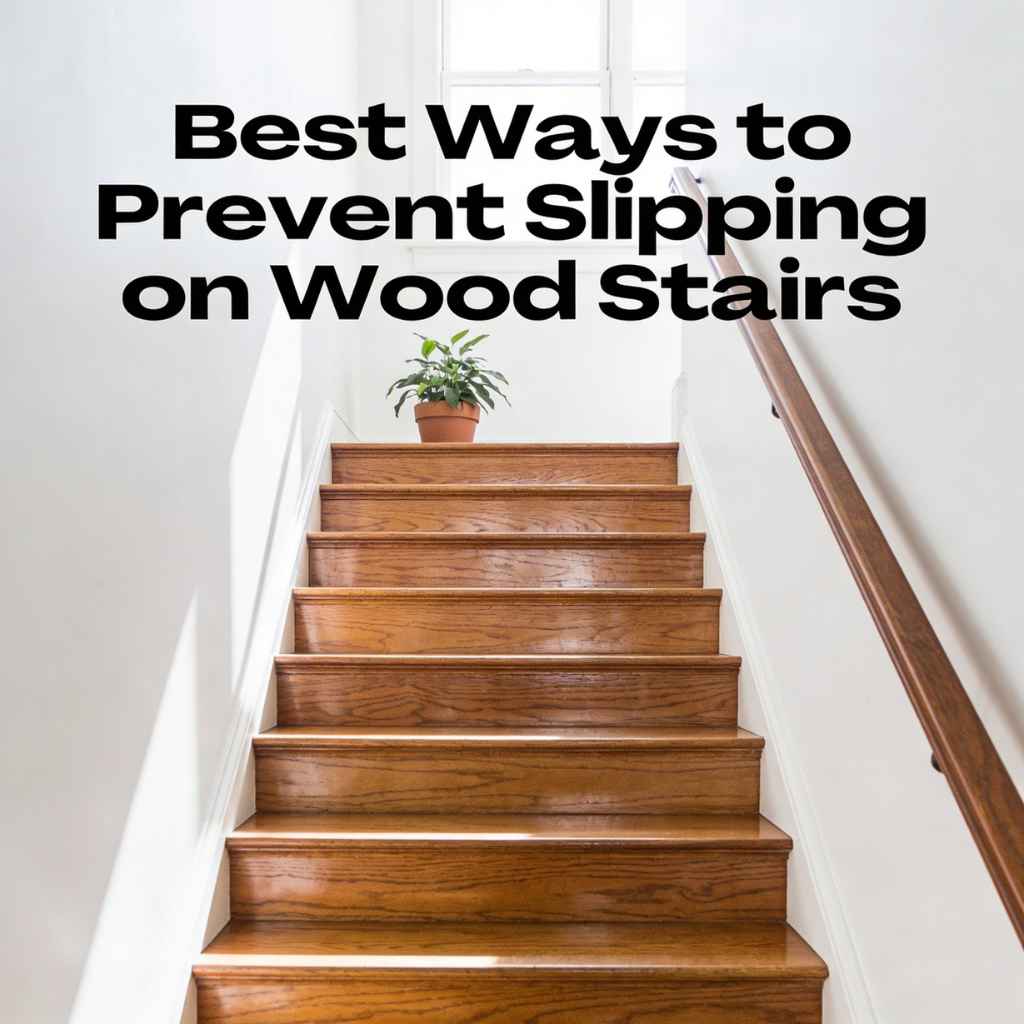
Best Ways to Prevent Slipping on Wood Stairs
Wood stairs look nice, but they can be slippery. This is a common problem, especially for people new to home safety or those with active households. You might worry about falls, particularly on polished or older wood.
Don’t fret! We’ll walk you through simple, step-by-step solutions. You’ll learn easy ways to make your wood stairs much safer.
Making Wood Stairs Safer
Wood stairs are a beautiful part of many homes. However, their smooth surface can become a hazard, leading to slips and falls. This is a significant concern for homeowners, especially those with children, elderly family members, or pets.
Addressing this requires practical solutions that enhance grip without compromising the aesthetic appeal of your staircase. This section explores the foundational steps and materials you can use to achieve this.
Grip Enhancement Through Surface Treatments
One of the most direct ways to improve stair safety is by altering the surface of the wood itself. This can involve applying coatings or treatments that create more friction. These methods are effective because they directly address the slipperiness of the wood’s natural finish.
Anti-Slip Coatings and Paints
Anti-slip coatings are specialized paints or clear sealants designed to add texture to surfaces. When applied to wood stairs, they create a grippier surface, significantly reducing the risk of slips. These products often contain fine aggregates, like sand or plastic particles, embedded within the coating.
This adds a rough texture that provides much-needed traction.
The application process is usually straightforward. First, the stairs must be thoroughly cleaned and dried. Any old finishes or waxes should be removed to ensure proper adhesion.
Next, the anti-slip coating is applied using a brush, roller, or sprayer, depending on the product and the stair design. Multiple thin coats are often recommended for better durability and a more even texture. Allow adequate drying time between coats, as specified by the manufacturer.
Once fully cured, these coatings offer a durable, slip-resistant finish that can withstand regular foot traffic.
A study by the National Safety Council indicated that over 20,000 falls on stairs and steps occur in homes each year, with a significant portion attributed to slippery surfaces. Implementing anti-slip coatings can directly combat this statistic by providing a more secure footing.
Benefits of using anti-slip coatings include:
- Enhanced Traction: The textured surface dramatically increases grip, preventing feet from sliding. This is crucial for all users, especially those with mobility issues.
- Durability: High-quality anti-slip coatings are designed to be wear-resistant and can last for several years, even with heavy use. They can withstand scuffing and abrasion common on stairways.
- Versatility: Available in various finishes, including clear, wood-toned, or colored, these coatings can complement your existing décor. Some are even paintable, allowing for complete customization of your stair’s appearance.
Clear Anti-Slip Sealants
For those who want to preserve the natural beauty of their wood stairs while adding safety, clear anti-slip sealants are an excellent choice. These sealants provide a protective layer and add a fine grit for traction without significantly altering the wood’s appearance or color. They are often preferred in homes where maintaining the original look of the wood is a priority.
These sealants work by embedding tiny particles within a clear, durable resin. When applied, they form a transparent, textured surface that provides excellent grip. The application is similar to regular sealants: clean the stairs thoroughly, then apply thin, even coats using a brush or roller.
It’s important to work in a well-ventilated area. Allow each coat to dry completely before applying the next. The finished product offers protection against moisture and wear while making the stairs safer.
Consider a scenario where a homeowner has beautiful oak stairs but is concerned about their grandchildren visiting. Applying a clear anti-slip sealant allows them to enjoy the wood’s natural grain while ensuring the stairs are safe for little ones.
Key advantages of clear anti-slip sealants:
- Aesthetic Preservation: They maintain the natural look and feel of the wood, allowing its beauty to shine through. The texture is often subtle, visible upon closer inspection rather than overtly altering the finish.
- Water Resistance: Like other sealants, they offer protection against spills and moisture, which can otherwise damage wood and make it more slippery. This extends the life of the wood.
- Ease of Application: Compared to some more aggressive treatments, clear sealants are generally easy to apply with common tools. They offer a balance of safety and minimal visual impact.
Adding Physical Gripping Elements
Beyond surface treatments, adding physical elements to the stairs provides tangible points of contact for improved grip. These are often visible and can also add decorative touches to your staircase.
Non-Slip Stair Treads and Runners
Non-slip stair treads and runners are popular solutions for adding safety and style to wood stairs. Treads are individual coverings for each step, while runners cover a section or the entire length of the stairs. They are made from various materials like carpet, rubber, or durable synthetic fibers.
Installation is typically straightforward. Most treads and runners come with adhesive backing or can be secured with staples or special clips. Before installation, ensure the wood stairs are clean and dry.
For adhesive types, peel off the backing and carefully position the tread or runner onto the stair. For stapled or clipped versions, measure and cut the material to fit, then secure it firmly to the stair tread. It’s important to ensure they lie flat and are securely attached to prevent tripping hazards themselves.
Regularly cleaning these covers will maintain their grip and appearance.
A common real-life example is a homeowner who installed a carpet runner on their steep, narrow wooden staircase. This not only made the stairs safer for their aging dog but also added a cozy feel to the hallway.
Advantages of stair treads and runners:
- Immediate Grip: The textured fabric or rubber surface offers instant, reliable traction underfoot. This provides a clear difference in feel compared to bare wood.
- Comfort and Noise Reduction: Carpet treads and runners can also add a layer of comfort and significantly reduce the noise of footsteps on wood. This is a welcome benefit in busy homes.
- Customization and Style: They come in a vast array of colors, patterns, and materials, allowing homeowners to choose options that perfectly match their interior design. This makes safety a stylish addition.
Adhesive Anti-Slip Strips
Adhesive anti-slip strips are a simple and cost-effective way to enhance safety on wood stairs. These strips are typically made of a durable, textured material, often with a gritty surface, and feature a strong adhesive backing. They are applied directly to the edge or surface of each stair tread.
The installation is as easy as applying a sticker. First, clean the stair treads thoroughly and ensure they are dry. Measure and cut the strips to the desired length, usually across the width of the tread or along the leading edge.
Peel off the adhesive backing and carefully apply the strip, pressing down firmly to ensure good contact and to activate the adhesive. For best results, apply them to the part of the stair where your foot naturally lands. These strips provide a clear visual cue and a noticeable increase in grip.
Imagine a busy family with two young children. They decided to install black adhesive anti-slip strips on the nose of each wood stair. This simple addition greatly reduced the number of times their children’s shoes slipped while running up and down the stairs.
Key benefits of adhesive anti-slip strips:
- Easy Installation: They require no special tools or skills to apply, making them a DIY-friendly solution for anyone wanting quick safety improvements.
- Cost-Effectiveness: Compared to full stair coverings or professional treatments, adhesive strips are a very affordable option for adding safety.
- Visibility: Many strips are designed with high contrast colors (like black or grey) or reflective elements, making them more visible, especially in low light conditions. This serves as an extra safety feature.
Maintaining Wood Stairs for Safety
Beyond adding specific safety features, the ongoing maintenance of your wood stairs plays a crucial role in preventing slips. Regular care ensures that the wood and any safety applications remain in good condition.
Regular Cleaning and Polishing
Keeping wood stairs clean is fundamental to safety. Dust, dirt, and debris can act like ball bearings, making the surface more slippery. Regular sweeping or vacuuming helps remove these loose particles.
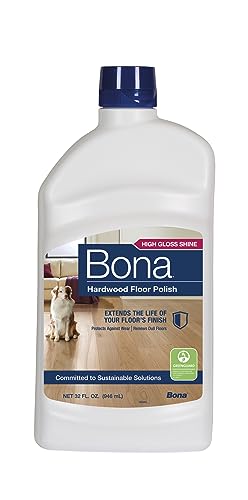
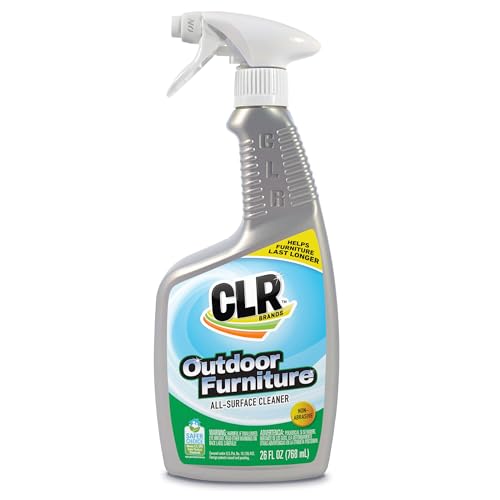
When it comes to cleaning, use a wood-appropriate cleaner and a slightly damp mop or cloth. Avoid using excessive water, as this can damage the wood and warp it over time, which could lead to structural issues. For polishing, use a wood polish that does not leave a slippery residue.
Some polishes can create a very slick surface. If you notice a waxy buildup, it might be time to strip and reapply a safer finish. Always test any cleaning or polishing product in an inconspicuous area first to see how it affects the wood’s finish and traction.
Statistics show that approximately 50% of home injuries are related to falls. Regular cleaning helps prevent these by keeping surfaces clear of hazards that can cause slips. A clean stair is a safer stair.
Important aspects of cleaning and polishing:
- Debris Removal: Frequent cleaning prevents the accumulation of grit and dust, which can reduce friction. This means sweeping or vacuuming at least a few times a week.
- Appropriate Cleaners: Use pH-neutral cleaners designed for wood. Harsh chemicals can strip protective finishes and make the wood more vulnerable and slippery.
- Non-Slippery Finishes: Choose polishes or waxes that don’t leave a glossy, slick surface. Some products are specifically designed for wood floors and stairs to provide a subtle sheen without compromising grip.
Inspection for Wear and Tear
Wood stairs can experience wear and tear over time. Regular inspection is vital to catch potential hazards before they cause an accident. Look for loose or splintered wood, worn-down areas, loose railings, or any damage to existing safety treatments.
Pay close attention to the edges of the treads, as these are the areas that receive the most foot traffic. If you notice any areas where the finish has worn away, exposing raw wood, this area will be more prone to slipping and damage. Also, check the stability of your handrails and banisters.
A secure handrail is a critical safety feature, providing support and an element of balance for those ascending or descending the stairs. If you find any loose screws or wobbly sections, address them immediately.
Consider a scenario where a homeowner noticed a small chip in the wood on the edge of a stair. They initially ignored it, but over a few weeks, it became a larger splinter. A visitor caught their shoe on it and stumbled, thankfully without serious injury.
This highlighted the need for proactive inspection.
Key points for inspection:
- Surface Condition: Check for splinters, gouges, or areas where the finish is worn away, exposing raw wood. These can create uneven surfaces and reduce grip.
- Loose Components: Ensure that stair treads are firmly attached and that there are no loose boards. Inspect handrails and balusters for stability.
- Safety Application Integrity: If you have applied anti-slip treatments, treads, or strips, check that they are still securely in place and not peeling or worn out.
Advanced Safety Measures and Professional Help
Sometimes, basic maintenance and simple additions aren’t enough. For steeper, more challenging staircases, or in situations where maximum safety is paramount, more advanced solutions or professional input might be necessary.
Professional Refinishing and Installation
For homeowners who lack the time, tools, or confidence for DIY projects, professional help is an excellent option. Professionals can assess your stairs, recommend the best solutions, and perform installations with precision and expertise.
A professional refinishing service can restore your wood stairs to their former glory while incorporating safety features. This might involve sanding down old finishes, repairing any structural damage, and then applying a high-quality, durable, and slip-resistant finish. They have access to commercial-grade products and techniques that can offer superior durability and safety compared to DIY applications.
When considering professionals, look for companies with good reviews and experience in stair renovation and safety. Ask for references and get detailed quotes that outline the scope of work and the materials to be used. A professional installation ensures that all safety measures are applied correctly, maximizing their effectiveness and longevity.
A case study from a property management company involved a multi-unit apartment building with old, slippery wooden staircases. They hired a contractor to install a specialized industrial-grade anti-slip coating on all staircases. The result was a dramatic reduction in slip-and-fall incidents reported by tenants, leading to fewer insurance claims and improved resident satisfaction.
Benefits of professional services:
- Expert Assessment: Professionals can identify underlying issues with your stairs and recommend the most appropriate and effective safety solutions.
- High-Quality Materials: They often use superior, professional-grade products that are more durable and effective than those available to the general public.
- Proper Installation: Expert installation ensures that safety features are applied correctly, maximizing their lifespan and effectiveness, and preventing potential hazards from improper application.
Considering Staircase Design and Lighting
Sometimes, the design of the staircase itself, or the lighting, can contribute to slipperiness or the perception of danger. Optimizing these aspects can significantly improve overall safety.
Riser and Tread Dimensions
The dimensions of stair risers (the vertical part) and treads (the horizontal part) are critical for safe stair climbing. While modifying these dimensions is a major renovation, understanding their impact is useful. Standard building codes typically specify ranges for riser height and tread depth to ensure comfortable and safe ascents and descents.
Stairs with inconsistent or unusually proportioned risers and treads can be disorienting and increase the risk of missteps.
For instance, if the treads are too shallow, your foot may not have enough surface area to land securely. Conversely, if the risers are too high, it can lead to tripping. If your stairs have unusual dimensions, adding visible gripping elements like contrasting colored treads or strips becomes even more important to provide clear cues for foot placement.
In older homes, you might find stairs with shallow treads or steep risers. In such cases, adding non-slip treads that slightly increase the effective depth of the tread can offer a significant safety improvement without altering the fundamental structure.
Understanding design factors:
- Tread Depth: A sufficient tread depth ensures your foot can land fully and securely on the step. Too shallow, and the front of your foot may overhang, leading to slips.
- Riser Height Consistency: Uniform riser heights make each step predictable. Inconsistent heights can cause misjudgments in stride length, leading to stumbles.
- Overall Stair Pitch: The angle of the staircase affects how steep it feels. Very steep stairs inherently require more caution and better gripping surfaces.
Importance of Adequate Lighting
Good lighting is an often-overlooked but crucial element in stair safety. Poorly lit stairs can hide hazards, making it difficult to see where to place your feet. This is especially true at the edges of treads or if there are subtle variations in the stair surface.
Ensure that all areas of your staircase are well-lit. This includes the top and bottom landings, as well as every step in between. Consider installing overhead lighting fixtures that provide even illumination.
If natural light is limited, consider accent lighting. Stair lights installed along the risers or under the handrail can provide a clear visual path and highlight the edge of each step. These lights can be on a dimmer or motion sensor for convenience and energy efficiency.
Regular checks of light bulbs are also part of good maintenance.
A statistic from the Illuminating Engineering Society (IES) suggests that improving lighting can reduce accidents in various environments by up to 30%. Applying this to homes, adequate stair lighting is a powerful preventative measure against slips.
Lighting tips for safety:
- Even Illumination: Ensure there are no dark spots or shadows on the stairs. Overlapping light sources can provide the best coverage.
- Task Lighting: Lights should be bright enough to clearly define the edge of each step and the landing areas.
- Consider Accent Lighting: Small lights integrated into the wall or railing can guide the eye and improve perception of depth and safety, especially in the evening.
Best Ways to Prevent Slipping on Wood Stairs: A Comprehensive Guide
This comprehensive guide has detailed various methods to ensure your wood stairs are as safe as possible. We’ve covered surface treatments, physical gripping elements, essential maintenance, and even design considerations. The goal is to provide you with practical, actionable advice to prevent slips and falls.
By implementing a combination of these strategies, you can transform your wooden staircase into a secure pathway for everyone in your home.
Materials Comparison for Stair Safety
Choosing the right materials can significantly impact the effectiveness and longevity of your safety measures. Here’s a comparison of common options:
| Material/Method | Pros | Cons | Best For |
|---|---|---|---|
| Anti-Slip Coatings | Durable, long-lasting, can be tinted or colored, good adhesion | Requires proper surface preparation, can alter wood’s original look if not clear | High-traffic areas, permanent solutions, customizable appearance |
| Clear Anti-Slip Sealants | Preserves wood’s natural look, durable, water-resistant | May be less aggressive grip than colored options, application requires care | Maintaining aesthetic appeal, protecting wood while adding safety |
| Carpet Treads/Runners | Adds comfort, noise reduction, good grip, variety of styles | Can wear out over time, may trap dirt and be harder to clean, potential tripping hazard if not secured | Homes with children and pets, adding warmth and style, reducing noise |
| Adhesive Anti-Slip Strips | Very affordable, easy to apply, highly visible, quick fix | May peel up over time with heavy use or moisture, can be less aesthetically pleasing | Budget-conscious homeowners, quick safety upgrades, renters |
Understanding the differences between these options helps you select the best approach for your specific needs and the characteristics of your wood stairs. Each method offers a unique blend of safety, durability, and aesthetic considerations.
Frequently Asked Questions
Question: Are wood stairs always slippery
Answer: Not always, but they can become very slippery, especially if they have a smooth finish, are old, or are exposed to moisture or spills. The natural smoothness of wood makes it prone to reduced traction.
Question: What is the easiest way to make wood stairs less slippery
Answer: Applying adhesive anti-slip strips to the edge of each stair is often the easiest and most affordable method. They require no special tools and provide immediate grip.
Question: Can I paint my wood stairs to make them safer
Answer: Yes, you can paint them with an anti-slip paint. These paints contain gritty particles that add traction. Make sure to prepare the stairs properly and use a durable, slip-resistant paint.
Question: How often should I check my wood stairs for safety issues
Answer: It’s best to inspect your wood stairs at least monthly. Pay attention to wear and tear, the condition of any safety applications, and the stability of handrails.
Question: Should I use wax on my wood stairs
Answer: Generally, it’s not recommended to use wax on wood stairs if safety is a primary concern. Many waxes create a very slick surface that increases the risk of slipping.
Conclusion
Keeping your wood stairs safe is achievable with simple steps. Enhance traction using anti-slip coatings, treads, or adhesive strips. Regular cleaning and inspections are key.
Small changes make a big difference. Enjoy a safer home.