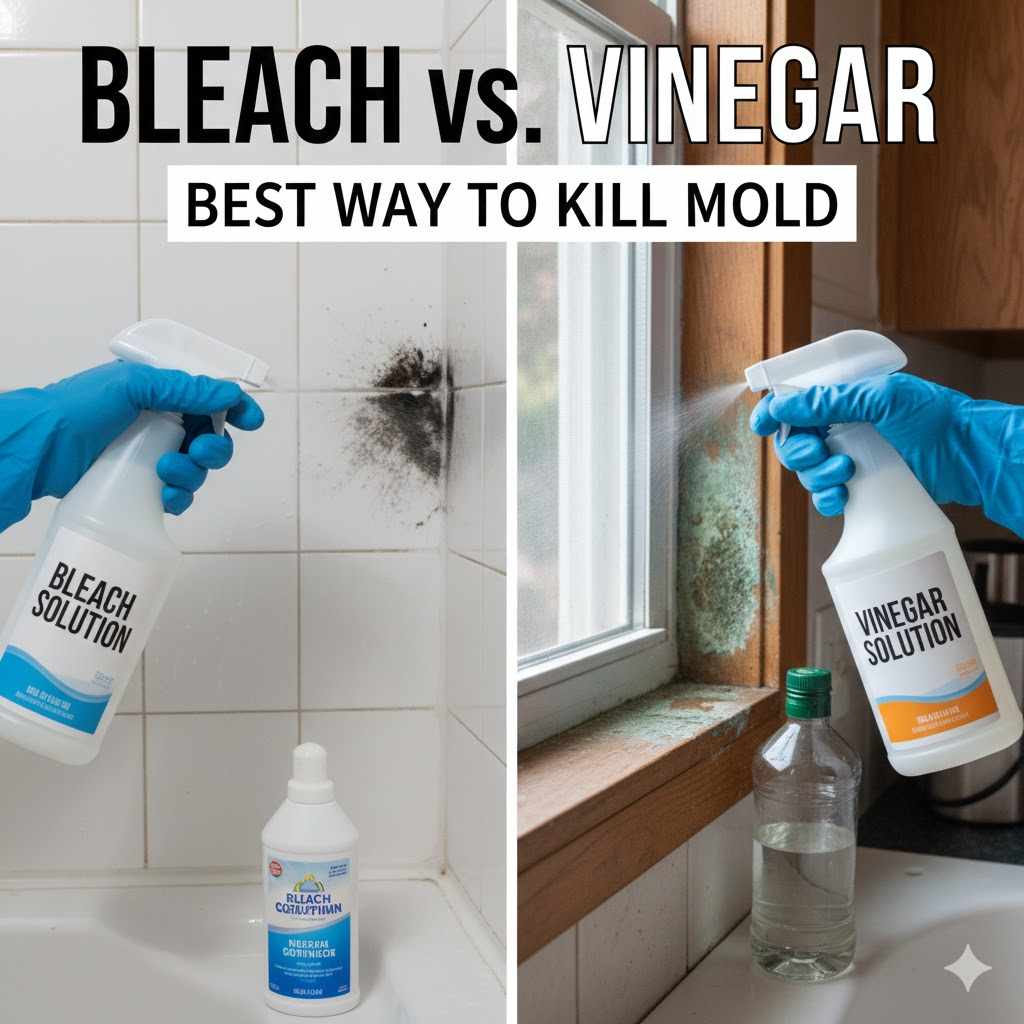
Bleach vs Vinegar Best Way to Kill Mold
Tackling mold on wood can feel tricky. Many people wonder whether to grab bleach or vinegar. Both seem like good cleaning helpers, but which one is truly the best way to kill mold on wood?
It’s a common question, and the answer can feel confusing at first. Don’t worry! We’ll walk through it step by step, making it super simple to get rid of that mold and protect your wooden surfaces.
Get ready for a clear path to a mold-free home.
Understanding Mold and Its Impact on Wood
Mold is a type of fungus that thrives in damp, humid environments. It feeds on organic materials, including wood, which makes wooden surfaces a common target. When mold grows on wood, it not only looks unsightly but can also weaken the structure of the wood over time.
It can also release spores into the air, which can cause health problems for people and pets, such as allergies, asthma, and other respiratory issues. Identifying mold early is key to preventing extensive damage and health concerns.
The presence of mold often indicates an underlying moisture problem. This could be from leaks, high humidity, or poor ventilation. Addressing the source of the moisture is just as important as cleaning the mold itself.
If the moisture issue isn’t fixed, the mold will likely return, even after thorough cleaning. Understanding these basics helps us appreciate why effective mold removal is so important for maintaining a healthy living space and preserving the integrity of our wooden items.
How Mold Grows on Wood
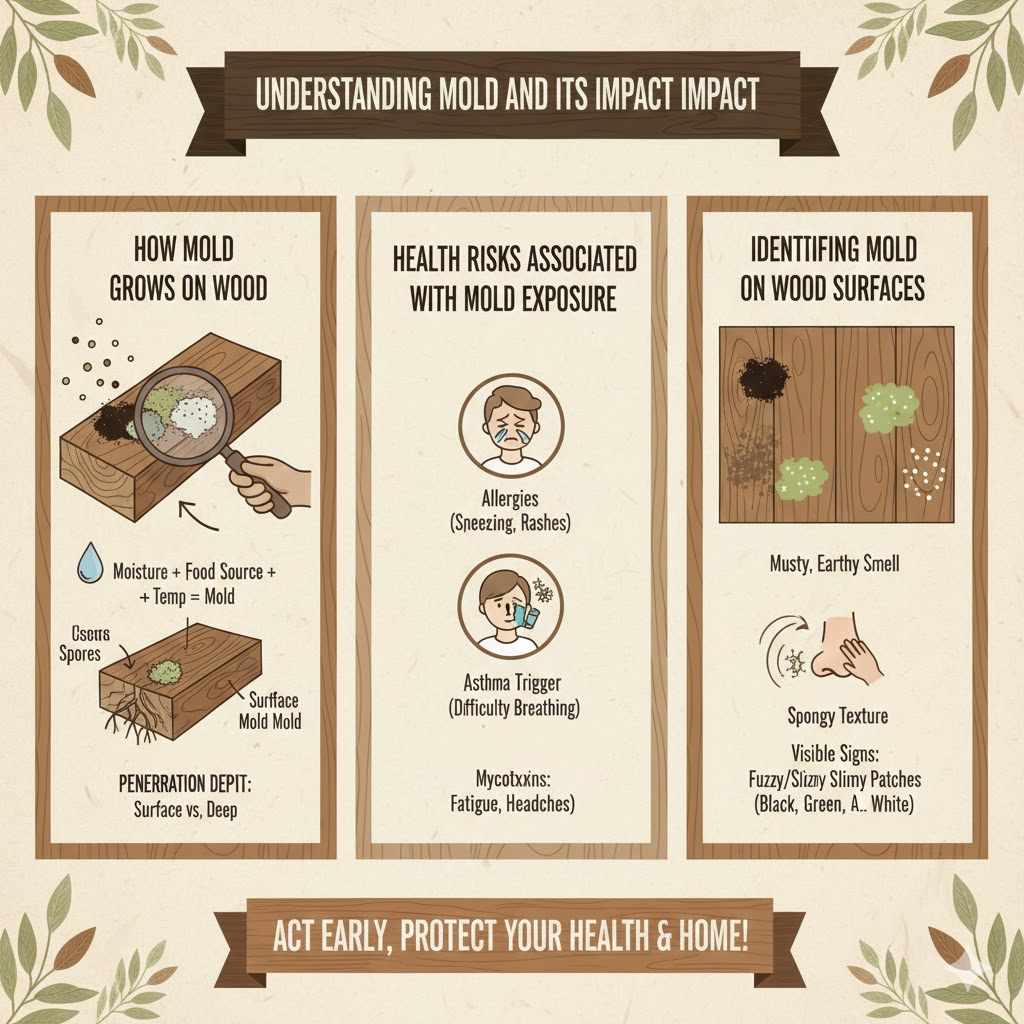
Mold needs a few things to grow: moisture, a food source, and the right temperature. Wood provides an excellent food source because it’s organic. When wood becomes damp, mold spores, which are present in almost all environments, find a perfect place to land and start to grow.
The longer wood stays wet, the deeper the mold can penetrate.
Different types of mold exist, and some are more aggressive than others. The visible signs of mold on wood can range from small spots to large, fuzzy patches. These can be black, green, white, or even orange.
The texture can also vary, appearing powdery, slimy, or velvety.
The penetration depth of mold is a critical factor. Surface mold is generally easier to remove. However, if mold has been present for a long time or the wood has been saturated with moisture, the mold can grow into the wood fibers.
This makes removal much harder and might require more aggressive cleaning methods or even replacement of the wood.
Health Risks Associated with Mold Exposure
Exposure to mold spores can trigger a variety of health issues. For many people, mold exposure leads to allergic reactions. These can include sneezing, runny nose, red eyes, and skin rashes.
People with mold allergies are particularly sensitive and may experience severe reactions.
For individuals with asthma, mold can be a serious trigger. Breathing in mold spores can cause asthma attacks, making it difficult to breathe. Chronic exposure to mold has also been linked to the development of asthma in children, even those who did not previously have it.
In more severe cases, or for individuals with weakened immune systems, mold can cause serious lung infections. Mycotoxins, which are toxic compounds produced by some molds, can also lead to a range of symptoms, including fatigue, headaches, and nausea. It’s essential to manage mold growth to maintain a safe and healthy environment for everyone.
Identifying Mold on Wood Surfaces
Spotting mold on wood is usually straightforward, but sometimes it can hide. The most common sign is the visible presence of colored fuzzy or slimy patches. These patches can be black, green, blue, white, gray, or even red.
Another common indicator is a musty or earthy smell. This odor is often noticeable in damp areas and can persist even if you can’t see mold. If you smell mold, it’s a good idea to investigate the area closely.
Sometimes, mold can grow behind paint or finishes, making it harder to see.
Changes in the wood’s texture can also signal mold. The wood might feel soft, spongy, or damp to the touch. If you notice any of these signs on your wooden furniture, walls, or floors, it’s time to take action.
Bleach vs Vinegar Best Way to Kill Mold on Wood A Detailed Comparison
When facing mold on wood, two common household cleaners often come to mind: bleach and vinegar. Both have their strengths and weaknesses, and choosing the right one depends on several factors. Understanding how each works, their effectiveness, and their potential drawbacks is crucial for making an informed decision.
This section breaks down the Bleach vs Vinegar Best Way to Kill Mold on Wood debate with clear explanations.
Bleach is a powerful disinfectant known for its ability to kill a wide range of microorganisms, including mold. Vinegar, specifically white distilled vinegar, is a natural acid that also has antifungal properties. However, their mechanisms of action, safety considerations, and impact on wood differ significantly.
Let’s explore these differences to help you decide which is best for your situation.
How Bleach Works Against Mold
Bleach, chemically known as sodium hypochlorite, is a strong oxidizing agent. When it comes into contact with mold, it breaks down the cellular structure of the mold, effectively killing it. It’s highly effective at killing mold spores and preventing regrowth on non-porous surfaces.
The key advantage of bleach is its speed and potency. It can kill mold quickly and often leaves surfaces looking cleaner due to its bleaching effect. However, bleach is a harsh chemical.
It can irritate the skin, eyes, and respiratory system. Proper ventilation and protective gear are essential when using it.
For wood, bleach can be problematic. Because wood is porous, bleach might not penetrate deep enough to kill mold roots. Instead, it might kill the surface mold while leaving deeper infestations intact.
It can also discolor or damage certain types of wood finishes.
How Vinegar Works Against Mold
White distilled vinegar is an acidic solution, typically containing about 5% acetic acid. This acidity is what makes it effective against mold. Acetic acid can disrupt the mold’s cell membranes, leading to its death.
Vinegar is also effective at removing soap scum and hard water stains, making it a versatile cleaner.
One of the main benefits of vinegar is that it’s a natural and non-toxic cleaning agent. It’s generally safer to use around children and pets, although its strong smell can be unpleasant for some. Unlike bleach, vinegar can penetrate porous materials like wood more effectively, reaching deeper into the wood fibers to kill mold at its source.
While vinegar is effective, it might not kill mold as quickly as bleach. It also has a distinct, strong odor that can linger for a while, though this smell typically dissipates as it dries. It’s important to use undiluted white distilled vinegar for maximum effectiveness against mold.
Effectiveness on Porous Surfaces like Wood
Wood is a porous material, meaning it has tiny holes and channels. This characteristic makes it more challenging to remove mold compared to non-porous surfaces like tile or glass. When mold grows on wood, its roots, called hyphae, can extend deep into the material.
Bleach, being a liquid with a high surface tension, tends to stay on the surface of porous materials. It effectively kills surface mold but often fails to reach the deeper roots. This means that while the visible mold might disappear, the underlying problem can persist, leading to recurrence.
Bleach can also damage the wood’s natural fibers if used too often or too concentrated.
Vinegar, on the other hand, has a lower surface tension and is more acidic. This allows it to penetrate deeper into the wood’s pores. The acetic acid can effectively kill mold as it travels into the wood, addressing not just the surface growth but also the embedded roots.
This makes vinegar generally more effective for killing mold on porous materials like wood.
Safety and Health Considerations
When comparing bleach and vinegar, safety is a paramount concern, especially in a home environment. Bleach is a chemical that can cause significant harm if not handled with care. Inhaling bleach fumes can irritate the lungs and nasal passages, leading to coughing, wheezing, and shortness of breath.
Direct contact with skin can cause burns and irritation, and eye contact can lead to severe damage.
It is crucial to wear gloves, eye protection, and ensure excellent ventilation when using bleach. Never mix bleach with ammonia or other cleaning products, as this can create toxic gases. For individuals with respiratory conditions like asthma or allergies, using bleach can exacerbate their symptoms.
Vinegar, while having a strong odor, is a much safer alternative. It’s a natural food product and generally considered non-toxic. The primary concern with vinegar is its strong smell, which can be bothersome.
However, this smell dissipates once the area is dry. While it’s less likely to cause severe health issues, it’s still advisable to use it in a well-ventilated area and avoid direct eye contact, as its acidity can cause irritation.
Damage to Wood and Finishes
The impact of bleach and vinegar on wood and its finishes is another important consideration. Bleach is known for its whitening properties. While this can make the wood look brighter by removing the mold’s color, it can also permanently lighten or discolor the wood.
This is particularly noticeable on darker woods or wood with specific stains.
Bleach can also weaken the wood fibers over time. Repeated exposure can make the wood brittle and more susceptible to damage. If the wood has a protective finish, like varnish or paint, bleach can strip or damage these coatings, leaving the wood exposed and vulnerable to future problems.
Vinegar, being acidic, can also affect wood finishes, especially delicate ones. It might dull or soften some varnishes or lacquers if left on for too long or used too concentrated. However, when diluted and used appropriately, it generally causes less damage than bleach.
It’s always best to test any cleaning solution on an inconspicuous area of the wood first to see how it reacts before applying it to a larger surface.
| Cleaning Agent | Effectiveness on Wood Mold | Penetration Depth | Safety Concerns | Wood Damage Risk |
|---|---|---|---|---|
| Bleach | Kills surface mold well | Limited on porous surfaces | High: Respiratory irritant, skin/eye burns | Moderate: Discoloration, fiber weakening |
| Vinegar | Effective, kills deeper roots | Good penetration into pores | Low: Strong odor, mild irritation | Low to Moderate: Can affect finishes if not diluted |
Step-by-Step Guide for Using Vinegar to Remove Mold from Wood
Given its ability to penetrate porous wood and its safer profile, white distilled vinegar is often the preferred choice for tackling mold on wood. This guide will walk you through the process, ensuring you can effectively remove mold and prevent its return. Following these steps will help you achieve a clean and healthy wooden surface without causing further damage.
Before you begin, remember to gather all the necessary supplies. Preparation is key to a smooth and efficient mold removal process. Ensure you have good ventilation in the area you’ll be working in.
This will help to dissipate the vinegar smell and any mold spores that might be released.
Gathering Your Supplies
To effectively remove mold from wood using vinegar, you’ll need a few items. First, you’ll need white distilled vinegar. Make sure it’s undiluted for maximum effectiveness against mold.
You will also need a spray bottle to apply the vinegar evenly to the affected area.
For cleaning, have a few clean cloths or sponges handy. It’s best to use separate cloths for applying the vinegar and for wiping away the mold. You will also need a bucket of clean water for rinsing.
Protective gear is recommended, including rubber gloves and eye protection, even though vinegar is less harsh than bleach. If the mold is extensive, consider wearing a mask to avoid inhaling any airborne spores.
Preparing the Area
Proper preparation is essential for safe and effective mold removal. Begin by ensuring the area is well-ventilated. Open windows and doors if possible.
If the mold is on furniture or items that can be moved, try to relocate them outdoors to a well-ventilated spot, like a garage or patio, to prevent spreading spores inside your home.
Protect surrounding areas that you don’t want to get wet or potentially stained by the vinegar. You can use plastic sheeting or old towels to cover floors, walls, or nearby furniture. If you are cleaning a large area, consider wearing old clothes that you don’t mind getting stained.
Applying the Vinegar Solution
Once your supplies are ready and the area is prepared, it’s time to apply the vinegar. Pour undiluted white distilled vinegar into your spray bottle. Generously spray the vinegar directly onto the moldy areas of the wood.
Make sure to saturate the mold, allowing the vinegar to sit and work its magic.
Let the vinegar sit on the mold for at least an hour. This allows the acetic acid time to penetrate the wood and break down the mold’s structure effectively. During this time, you might notice the mold starting to change color or texture as the vinegar works.
Scrubbing and Wiping Away Mold
After the vinegar has had time to soak, use a clean cloth or sponge to gently scrub the moldy areas. You don’t need to scrub too hard, especially on softer woods, as this can damage the surface. The vinegar should have loosened the mold, making it easier to remove.
Wipe away the loosened mold and excess vinegar with a clean cloth. Rinse your cloth frequently in a bucket of clean water. If mold remains, reapply vinegar and scrub again.
Once you have removed as much mold as possible, rinse the entire area with a clean, damp cloth dipped in plain water. This step is important to remove any remaining vinegar residue.
Drying and Preventing Future Growth
Thorough drying is critical after cleaning to prevent mold from returning. Use dry cloths to wipe down the wood until it is completely dry to the touch. If you are drying a larger area, like a wooden floor or wall, you can use fans or a dehumidifier to speed up the drying process.
To prevent mold from growing back, address the root cause of the moisture problem. Ensure good ventilation in the area, especially in bathrooms, kitchens, and basements. Fix any leaks promptly.
Using a dehumidifier can help control humidity levels. Consider applying a mold-resistant sealant or finish to the wood surfaces, especially in areas prone to moisture.
When Bleach Might Be Considered for Mold Removal on Wood
While vinegar is generally recommended for wood, there are specific situations where bleach might be considered. These instances typically involve non-porous wood surfaces or situations where immediate surface disinfection is the primary goal. However, caution must always be exercised due to the potential for damage and health risks associated with bleach.
It’s important to reiterate that bleach is less effective on porous surfaces because it struggles to penetrate and kill mold at its roots. For standard wood furniture, paneling, or structural wood, vinegar or other less harsh methods are usually better. However, understanding where bleach might play a role, albeit with significant caveats, is useful.
Non-Porous or Sealed Wood Surfaces
Some wooden items might have a very thick, non-porous sealant or finish, like high-gloss varnish or epoxy coating. In such cases, the wood itself is protected, and the mold is primarily growing on the surface of the sealant. Bleach can be effective at killing mold on these types of surfaces because it doesn’t need to penetrate.
For instance, a wooden boat or a heavily varnished table with mold spots on its surface might be candidates for a diluted bleach solution. The key is that the bleach sits on top of the sealant, killing the mold without soaking into the wood. However, even on these surfaces, it’s crucial to test the bleach solution on an inconspicuous area first to ensure it doesn’t damage the finish.
A very diluted bleach solution (e.g., 1 part bleach to 10 parts water) is generally recommended for these scenarios. After application and a short contact time, the area should be rinsed thoroughly with water and dried completely. This minimizes the risk of the bleach damaging the underlying finish.
Dealing with Extensive Surface Mold
In cases of very widespread mold growth that is primarily superficial, bleach might be considered for its rapid killing action. If you have a large area covered in visible mold, and speed is a critical factor, a diluted bleach solution can quickly kill the surface mold. This can sometimes make the subsequent cleaning process easier.
However, this approach still carries the risk of not eradicating the entire mold colony. If mold has penetrated the wood, bleach will only address the top layer. The underlying mold can continue to grow, and the problem may re-emerge.
Therefore, even when using bleach for extensive surface mold, it’s essential to follow up with thorough cleaning and to investigate potential moisture sources.
When using bleach for this purpose, always ensure maximum ventilation and wear protective gear. The fumes from large-scale bleach application can be overwhelming and hazardous. After killing the surface mold, it is advisable to clean the area with vinegar or soap and water to neutralize any remaining bleach residue and to help kill any mold that might have been missed.
Potential Risks and Precautions
Using bleach on wood carries significant risks. The most obvious is discoloration. Bleach can strip color from wood, leaving white or lightened patches that can be permanent.
This is especially problematic for decorative woodwork or antique furniture where maintaining the original appearance is important.
Bleach can also degrade wood fibers. Over time, repeated exposure can make the wood weaker and more brittle. This is a concern for structural elements or furniture that needs to withstand stress.
The fumes from bleach are also a major health hazard. Inhaling them can cause respiratory distress, and they can irritate the eyes and skin.
If you decide to use bleach, always dilute it significantly (e.g., 1 part bleach to 10 parts water). Work in a very well-ventilated area, wearing gloves, eye protection, and a mask. Never mix bleach with other cleaners, especially ammonia.
After use, rinse the area thoroughly with clean water and dry it completely. It is often recommended to follow up with a vinegar rinse to help neutralize any remaining bleach.
Alternative Methods for Mold Removal on Wood
Beyond bleach and vinegar, several other effective methods can be used to tackle mold on wood. These alternatives offer different benefits, such as being more gentle on wood, having fewer fumes, or being particularly effective for certain types of mold or wood. Exploring these options can provide solutions tailored to specific needs and preferences.
Sometimes, the best approach isn’t just about killing the mold but also about the health of the wood and the people in the environment. These alternative methods often prioritize a gentler touch, making them ideal for sensitive surfaces or for individuals who are particularly sensitive to chemicals.
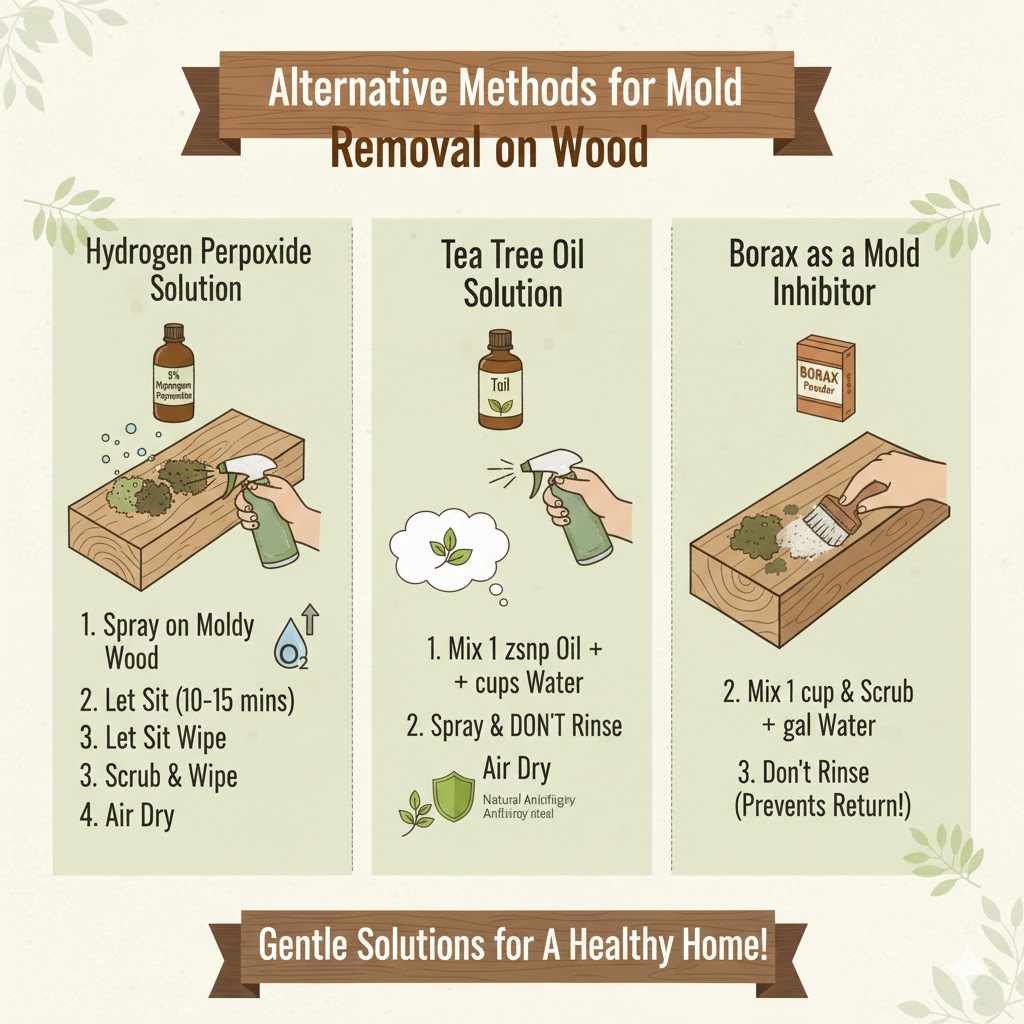
Hydrogen Peroxide Solution
Hydrogen peroxide is another effective antifungal agent that can be used to kill mold on wood. It is generally considered safer than bleach and has fewer harsh fumes, making it a good option for indoor use. A 3% hydrogen peroxide solution, commonly available at drugstores, is usually sufficient.
To use it, pour the hydrogen peroxide into a spray bottle and spray it directly onto the moldy wood. Let it sit for about 10-15 minutes. The peroxide will bubble as it reacts with the mold.
After the waiting period, scrub the area with a brush or cloth and wipe it clean. Rinse the area with water and dry thoroughly.
Hydrogen peroxide can also help to lighten stains left by mold, though it may not be as potent as bleach in this regard. It’s still advisable to test it on an inconspicuous spot first, as it can sometimes lighten certain wood finishes. The chemical breaks down into oxygen and water, making it an environmentally friendly choice.
Tea Tree Oil Solution
Tea tree oil is a natural essential oil with strong antifungal, antiviral, and antibacterial properties. It’s a potent mold killer and can also help to prevent its recurrence. It has a distinctive, somewhat medicinal scent.
To use tea tree oil for mold removal, mix about two teaspoons of tea tree oil with two cups of water in a spray bottle. Shake well. Spray the solution directly onto the moldy areas of the wood.
Do not rinse. Let the solution air dry. The strong smell of tea tree oil will dissipate over time.
Tea tree oil is generally safe to use on most surfaces, but a patch test is still recommended. It’s important to use pure, high-quality tea tree oil for the best results. This method is particularly good for smaller mold patches or for regular maintenance to prevent mold from growing in the first place.
Borax as a Mold Inhibitor
Borax, also known as sodium borate, is a natural mineral that is effective at killing mold and preventing its return. It’s a less toxic alternative to bleach and has a very low risk of toxicity if ingested by pets or children, though it should still be kept out of reach and not intentionally consumed.
To use borax, mix one cup of borax powder with one gallon of water. Stir until the borax is dissolved. Apply the solution to the moldy wood using a brush or spray bottle.
Scrub the mold away with a brush or cloth. Unlike bleach or vinegar, borax does not need to be rinsed off. Leaving a thin residue of borax on the wood can help prevent future mold growth.
Borax is particularly effective for tackling mold in areas that are prone to moisture, such as basements or bathrooms. It can also be used as a preventative treatment after mold has been removed. It is important to note that while borax is effective, it does leave a powdery residue that might need to be brushed off after drying.
Commercial Mold Removers
There are many commercial mold removers available on the market. These products are specifically formulated to kill mold and mildew. Some are designed for general use, while others are tailored for specific surfaces like wood.
When choosing a commercial mold remover, read the label carefully. Ensure it is safe for use on wood and that it effectively kills mold. Many commercial removers are bleach-based or contain other strong chemicals, so proper ventilation and protective gear are essential.
Some commercial products use enzymatic cleaners, which are effective at breaking down mold and organic matter. These can be a good option if you are looking for a powerful yet potentially less harsh alternative to traditional chemical cleaners. Always follow the manufacturer’s instructions for safe and effective use.
Frequently Asked Questions
Question: Is vinegar better than bleach for mold on wood
Answer: Yes, vinegar is generally better for mold on wood because it can penetrate porous surfaces like wood to kill mold roots, whereas bleach often only kills surface mold and can damage wood finishes.
Question: Can I use diluted bleach on wood
Answer: You can use a very diluted bleach solution on sealed or non-porous wood surfaces, but it’s risky for most wood types. It can discolor, weaken, and damage the wood and its finish.
Question: How long should I leave vinegar on moldy wood
Answer: Leave undiluted white distilled vinegar on moldy wood for at least one hour to allow it to penetrate and kill the mold effectively.
Question: Will mold come back after using vinegar
Answer: Mold can come back if the underlying moisture problem isn’t fixed. Vinegar kills existing mold, but you must address the cause of dampness to prevent regrowth.
Question: Are there any natural ways to kill mold on wood besides vinegar
Answer: Yes, natural options include hydrogen peroxide solutions, tea tree oil mixtures, and borax. These also offer effective mold killing and prevention.
Summary
Choosing between bleach and vinegar for mold on wood involves understanding their strengths and weaknesses. Vinegar typically wins for wood due to its penetration and safer profile, effectively killing mold roots without harsh damage. Always address moisture sources to prevent mold’s return.