Can I Use Fiberglass Resin to Seal Wood? (Epoxy vs Polyester)
Yes, but true fiberglass resin (polyester) bonds poorly to bare wood — small air pockets at the surface keep it from fully curing there, weakening the seal over time. Epoxy resin is what boat builders actually use to seal wood, since it cures solid in thin films and bonds tightly to the grain. This guide covers which resin to use, prep and application steps, cure times (70–85°F, 24+ hours), and mistakes that cause bubbles or peeling.
Fiberglass Resin vs. Epoxy Resin: Which Actually Seals Wood?
“Fiberglass resin” on a hardware-store shelf is almost always polyester resin (or vinyl ester) — a different chemical family from epoxy resin. The distinction matters more than the marketing suggests.
Wood has microscopic air pockets at its surface. Polyester resin is air-inhibited — it needs air excluded to fully cure — so it never completely cures right at the wood interface, leaving a weaker bond that can loosen over time. Epoxy resin is not air-inhibited; it cures solid even in thin films, which is why it bonds tightly to wood grain and is the standard choice in wooden boat construction.
| Factor | Polyester (“Fiberglass”) Resin | Epoxy Resin |
|---|---|---|
| Bonds to bare wood | Poor — doesn’t fully cure at the wood surface | Excellent — cures solid in thin films |
| Typical cost (per gallon) | Lower, roughly $10–$15 | Higher, roughly $50–$70 |
| Moisture resistance long-term | Prone to osmotic blistering | Better long-term water resistance |
| Best use on wood | Bonding fiberglass cloth to itself, not bare wood | Sealing and encapsulating bare wood |
If you already have polyester “fiberglass resin” and only need to bond fiberglass cloth over an existing painted or primed surface, it can still work. But for sealing bare, unprotected wood — a boat hull, an outdoor deck, a plywood project — epoxy resin is the material that actually does the job long-term. See our full beginner’s guide to epoxy resin on wood for a deeper walkthrough of the same technique. For our complete wood sealer comparisons, see the sealers hub.
Benefits Of Using Fiberglass Resin On Wood
Properly encapsulated wood — sealed on all sides with epoxy resin, not just coated on top — creates a strong moisture barrier that helps prevent rot and decay in boats, decks, and outdoor furniture. Because it fills the wood’s surface pores, it also adds abrasion resistance the bare wood didn’t have.
A properly sealed piece resists everyday wear better and needs fewer repairs over time, which is why the technique is common for tables, chairs, doors, and any wood exposed to standing water or high humidity.
Preparation Steps
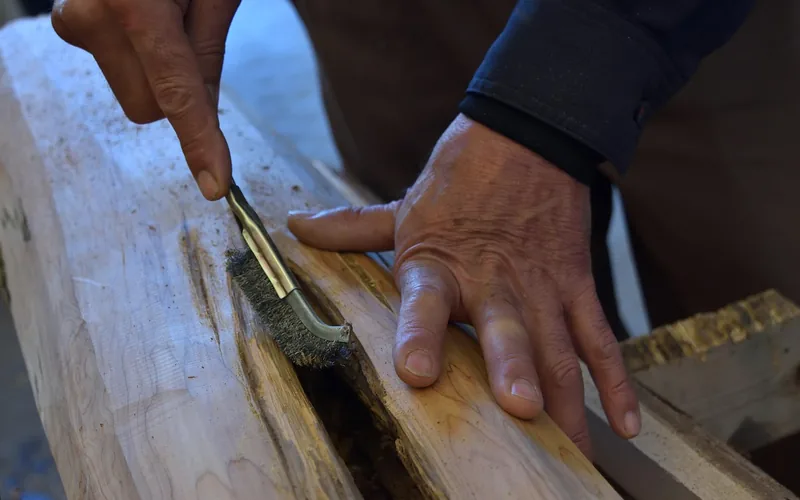
Start by removing dirt and grime from the wood with a soft brush or cloth — use soap and water on sticky spots. Clean wood is essential; any dirt trapped under the resin becomes a permanent flaw and a weak point where moisture can collect.
Sand the wood smooth with fine-grit sandpaper (120–220 grit), working in the direction of the grain. Remove all dust with a tack cloth or vacuum afterward — leftover dust mixed into wet resin creates visible specks and weak adhesion spots. If your project is plywood specifically, see our guide on making plywood waterproof for panel-specific prep tips.
Best Wood-Sealing Resin Pick
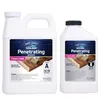
TotalBoat Clear Penetrating Epoxy Wood Sealer – $59.99
A true epoxy sealer, not polyester “fiberglass resin” — penetrates and cures solid at the wood surface, the exact bonding issue this guide explains above.
- Best for: Boat hulls, outdoor furniture, and plywood decks
- Why we picked it: Formulated to penetrate wood grain, unlike air-inhibited polyester resin
- Main drawback: Costs more per gallon than hardware-store polyester resin
Compare more wood-sealing resin options
 Marine-Grade Pick WEST SYSTEM Wood Rot Repair Kit – $36.42
|
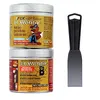 Budget Pick PC-Woody Epoxy Paste Kit – $13.73
|
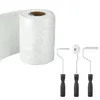 For Cloth Lamination Wesnoy Fiberglass Cloth Roll Kit – $35.99
|
As an Amazon Associate we earn from qualifying purchases.
Application Process
- Gather materials: epoxy resin, hardener, a mixing container, and a stir stick. Measure the resin and hardener to the exact ratio printed on the packaging — most epoxies are unforgiving of an off ratio and won’t cure properly.
- Mix: pour resin into the container first, then add hardener. Stir slowly and thoroughly for the full time the manufacturer specifies (often 3–5 minutes) — scrape the sides and bottom of the container so no unmixed resin remains.
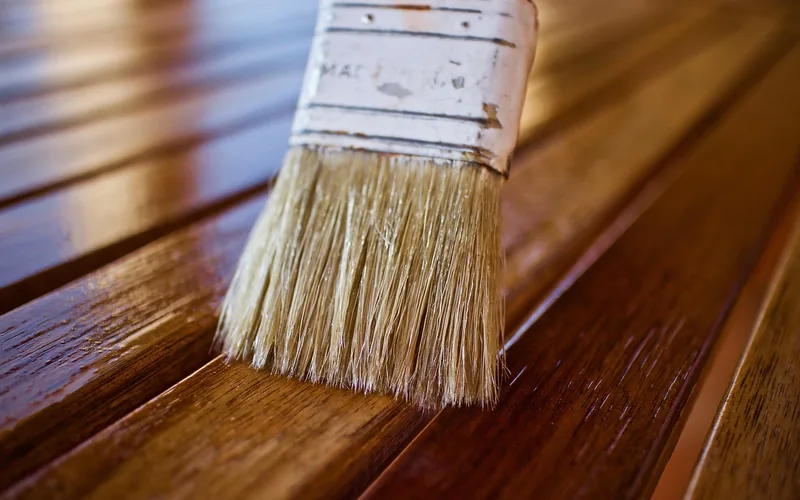
- Apply the first coat: use a brush or foam roller to lay down a thin, even coat. A thin first coat penetrates the wood grain better than a thick one.
- Apply additional coats: let each coat dry per the manufacturer’s recoat window, then apply a second thin coat if needed. Thick coats trap heat as they cure and are the leading cause of cracking and peeling.
Work in a well-ventilated area and wear gloves and a respirator mask rated for organic vapors — epoxy and polyester fumes are both a respiratory irritant during application.
Curing And Drying
A properly cured resin coat is what actually protects the wood, so don’t rush this step. Full cure takes longer than the surface “dry to touch” time.
Curing Time
Most epoxy and polyester resins need at least 24 hours before handling, and up to a week for a full chemical cure. Leave the resin undisturbed while curing — dust or contact during this window shows up as permanent surface flaws.
Temperature Considerations
Temperature drives cure speed. Higher temperatures speed curing; lower temperatures slow it, and below roughly 50°F many resins won’t cure fully at all. Keep the workpiece in a stable environment and avoid sudden temperature swings, which can cause cracking as the resin cures.
📊 Ideal cure temperature for most wood-sealing epoxies is 70–85°F, with a minimum 24-hour cure before handling. — Source: Epoxyworks, Gougeon Brothers Inc. (WEST SYSTEM Epoxy)
Potential Issues
Applying too much resin at once causes most common problems: bubbles form when resin isn’t mixed thoroughly, uneven surfaces result from rushing the application, and skipping sanding leads to poor adhesion. Mix slowly, sand before sealing, and apply thin coats to avoid all three.
- Bubbles: pass a heat gun or small torch lightly over wet resin to pop trapped air, or mix more slowly next time.
- Sticky spots: usually an incorrect resin-to-hardener ratio — always measure by the manufacturer’s exact ratio, not by eye.
- Uneven layers: sand down high spots once fully cured, then apply a thin leveling coat.
- Cracks: usually caused by curing too fast in high heat or applying too thick a coat — work in a cool, stable-temperature space.
- Peeling: almost always a wood-prep failure — sand and clean the surface thoroughly before the next attempt. If the wood has rotted or gouged areas first, see our guide to the best epoxy for filling voids in wood before sealing over them.
Safety Precautions
Both epoxy and polyester resin require the same core safety precautions during application — gloves, eye protection, and ventilation are non-negotiable, not optional.
Protective Gear
Wear nitrile gloves, safety goggles, and a respirator mask rated for organic vapors. Both resin types can irritate skin and eyes on contact, and the mask prevents inhaling airborne fumes. Cover exposed skin to reduce contact risk. For more product options beyond the picks above, see our roundup of the best epoxy for woodworking.
Working In A Ventilated Area
Always work in a well-ventilated area. Open windows and doors if working indoors, and use a fan to improve airflow. Never work in small, closed spaces — resin fumes can build up to hazardous concentrations.
What Boat Builders and Manufacturers Say
“Our experience at Gougeon Brothers, Inc. is that adhesion is critical for a successful fiberglass repair… Since there are small air pockets in wood, polyester resin does not completely cure at the wood interface, reducing the adhesion. WEST SYSTEM Epoxy’s legacy in wooden boat construction is partially due to its excellent adhesion to many different species of wood.”
The tradeoff is cost: epoxy resin runs roughly $50–$70 per gallon versus $10–$15 for polyester “fiberglass resin,” and epoxy has a stronger odor that requires good ventilation. For a small repair or a project where long-term wood adhesion doesn’t matter (bonding cloth over an already-sealed surface, for example), polyester’s lower cost may be worth it. For sealing bare wood you expect to last, the adhesion difference outweighs the price gap.
Frequently Asked Questions
Can Fiberglass Resin Seal Wood Effectively?
Technically yes, but polyester “fiberglass resin” bonds weakly to bare wood because it doesn’t fully cure at the wood surface. Epoxy resin seals wood far more effectively and is the standard choice for boat building and outdoor projects.
Is Fiberglass Resin Waterproof On Wood?
Both resin types are waterproof once cured, but polyester resin is more prone to osmotic blistering over years of water exposure. Epoxy resin holds up better long-term, which is why it’s used below the waterline on boats.
How To Apply Fiberglass Resin To Wood?
Clean and sand the wood first, removing all dust. Mix resin and hardener to the exact ratio on the label, then brush or roll on a thin, even coat. Apply a second thin coat once the first is dry — thick coats crack and peel.
Does Fiberglass Resin Strengthen Wood?
Yes — a cured resin coating adds abrasion resistance and, if paired with fiberglass cloth, meaningful structural reinforcement. Epoxy penetrates and bonds to the wood fiber itself, so it adds more real strength than polyester resin does.
What Topcoat Goes Over Fiberglass Resin on Wood?
Once fully cured and lightly sanded, both epoxy and polyester resin accept a marine-grade polyurethane varnish (spar varnish) for UV protection — plain epoxy yellows and breaks down in sunlight without a UV-blocking topcoat. Two-part polyurethane and some water-based polyacrylic topcoats also work over cured epoxy; test compatibility on a scrap piece first.
Can You Use Fiberglass Resin on MDF?
Not recommended. MDF absorbs resin unevenly along cut edges and swells when it soaks up liquid resin before curing, which can warp or delaminate the panel. If you need to seal MDF, use a dedicated MDF sealer or primer first, then a thin epoxy coat — not resin as the first layer.
Conclusion
Sealing wood with resin works — but the resin type matters more than the marketing on the can suggests. Epoxy resin bonds to bare wood and resists moisture long-term; polyester “fiberglass resin” is cheaper but doesn’t fully cure at the wood surface, leaving a weaker seal. Prep the wood thoroughly, measure your ratio precisely, and apply thin coats for the best result.
Sponsored / affiliate links. As an Amazon Associate I earn from qualifying purchases. I may earn additional commission from eligible campaigns.