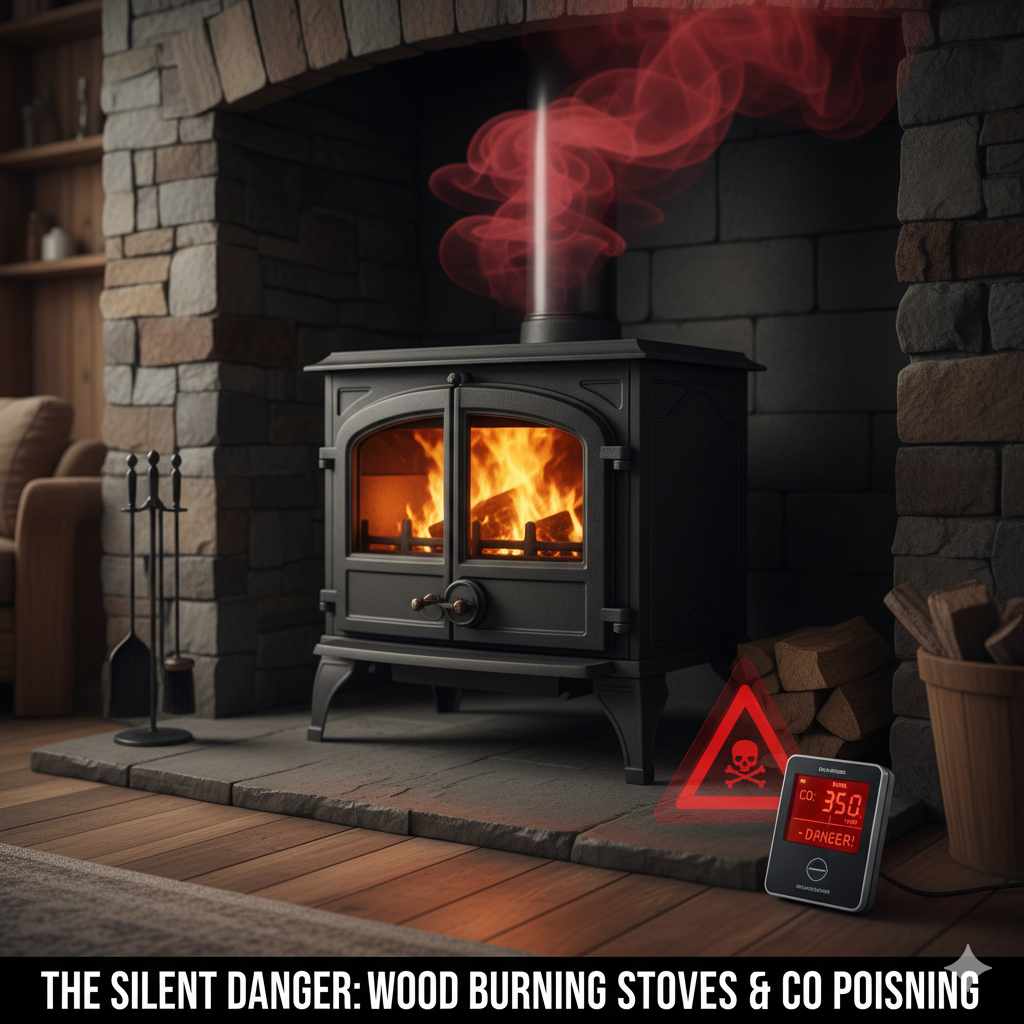
Can Wood Burning Stoves Cause Carbon Monoxide Poisoning? Essential Guide
Yes, wood burning stoves absolutely can cause carbon monoxide poisoning if not properly installed, maintained, and operated. Understanding the risks and taking essential precautions is crucial for keeping your home safe.
There’s nothing quite like the cozy warmth and inviting ambiance of a wood burning stove. It’s a classic feature that brings comfort and charm to any home. However, as you enjoy the crackling fire, it’s important to be aware of a silent danger: carbon monoxide (CO). This invisible, odorless gas is a byproduct of burning fuel, including wood. While wood stoves are generally safe when used correctly, an issue with the stove or its ventilation can lead to dangerous CO levels. Don’t worry, though! With a little knowledge and some simple steps, you can enjoy your wood stove safely. This guide will walk you through everything you need to know to prevent carbon monoxide poisoning.
Understanding Carbon Monoxide and Wood Stoves
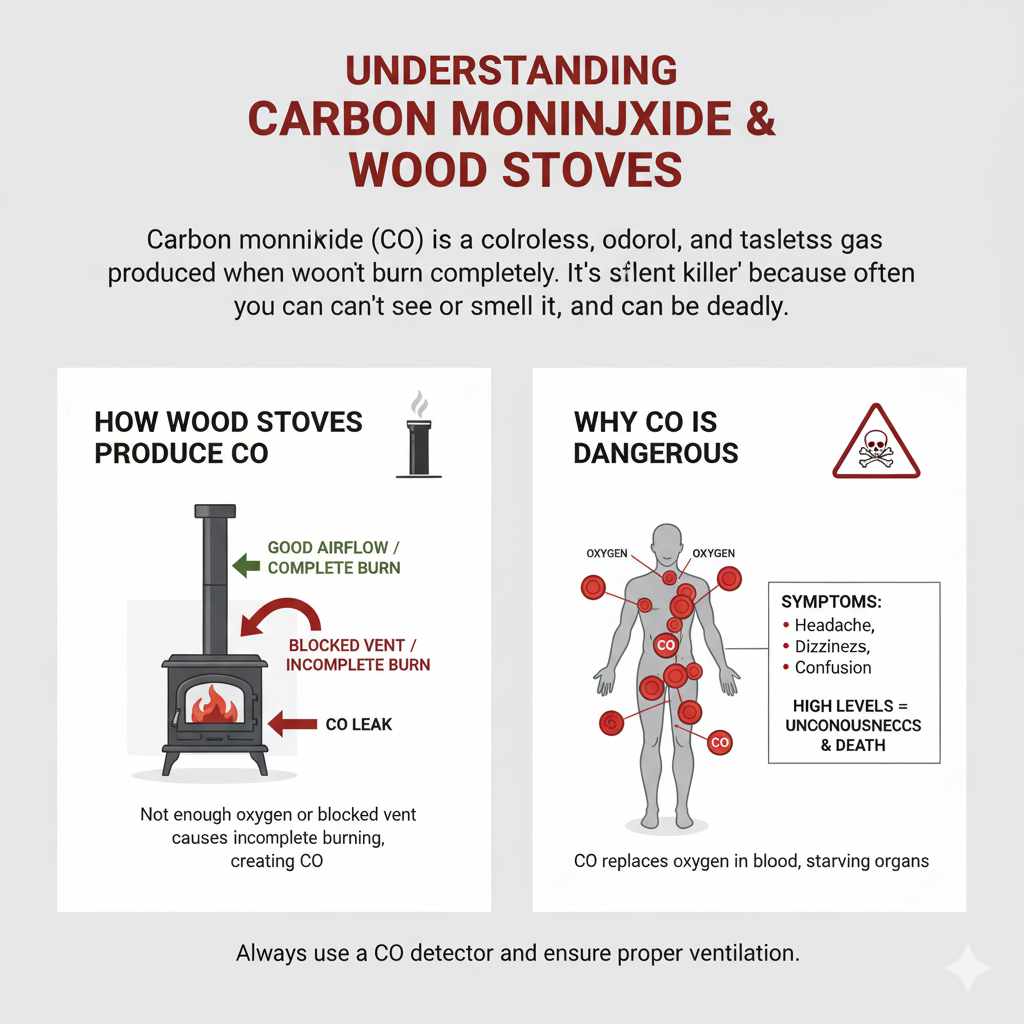
Carbon monoxide (CO) is a colorless, odorless, and tasteless gas produced when fuels, like wood, don’t burn completely. Think of it as an exhaust gas from the fire. When your wood burning stove is working efficiently and properly vented, the CO safely escapes up the chimney and outdoors. The problem arises when this process is interrupted.
How Wood Stoves Produce Carbon Monoxide
During the combustion of wood, several gases are produced. Ideally, a well-functioning wood stove with good airflow will convert most of the fuel into heat, carbon dioxide (CO2), and water vapor. However, if there isn’t enough oxygen for complete combustion, or if the exhaust system isn’t working correctly, carbon monoxide is the result. This incomplete burning is the primary way CO is generated by your stove.
Why CO is Dangerous
Carbon monoxide is often called the “silent killer” because you can’t see, smell, or taste it. When you breathe it in, it attaches to the hemoglobin in your blood, which is what carries oxygen. CO binds much more tightly than oxygen does, meaning your blood can’t carry oxygen to your body’s organs and tissues. This can lead to serious health problems or even death, even at low concentrations over time, or quickly at high concentrations.
According to the Centers for Disease Control and Prevention (CDC), CO poisoning can cause flu-like symptoms, and at higher levels, it can lead to unconsciousness and death.
Signs and Symptoms of Carbon Monoxide Poisoning
Recognizing the symptoms of CO poisoning is crucial for quick action. These symptoms can vary depending on the concentration of CO in the air and how long someone has been exposed. They often mimic other illnesses, which is why it’s so important to be aware and have a CO detector.
Mild Symptoms (Low-Level Exposure)
If you or someone in your household experiences any of these, especially after using the wood stove, consider the possibility of CO exposure and ventilate the area immediately. Seek fresh air.
- Headache
- Dizziness
- Nausea or vomiting
- Fatigue
- Shortness of breath
Moderate to Severe Symptoms (Higher-Level Exposure)
These symptoms indicate a more serious situation and require immediate medical attention. Get everyone to fresh air and call emergency services right away.
- Confusion or disorientation
- Vision problems
- Chest pain
- Loss of coordination
- Loss of consciousness
- Seizures
It’s important to note that individuals who are sleeping or intoxicated may not wake up to symptoms, making CO detectors essential safety devices.
Common Causes of Carbon Monoxide from Wood Stoves
Several factors can contribute to carbon monoxide buildup from your wood burning stove. Most of these relate to how the stove is functioning or how it’s connected to your home’s ventilation system.
1. Poor Draft
A “draft” is the upward pull of air through your chimney, which carries smoke and combustion gases (including CO) outside. If the draft is weak, these gases can back up into your home.
- Blocked Chimney: Soot, creosote buildup, bird nests, or debris can obstruct the chimney, preventing proper airflow.
- Chimney Height and Location: If the chimney isn’t tall enough or is too close to surrounding structures or trees, it can disrupt the natural draft.
- Cold Chimney: A cold chimney doesn’t create a strong draft initially. You might see smoke spillage when you first light the fire.
- Negative Air Pressure: Modern, well-sealed homes can sometimes create negative air pressure. When you turn on exhaust fans (like in kitchens or bathrooms) or clothes dryers, they can pull air down the chimney, pushing CO into the house.
2. Incomplete Combustion
This happens when there isn’t enough oxygen for the wood to burn completely.
- Overloaded Stove: Packing too much wood into the firebox can restrict airflow.
- Closed Dampers: If the air intake dampers are closed too much, they limit the oxygen supply to the fire.
- Burning Unsuitable Materials: Burning trash, treated wood, or wet wood can produce more CO and other harmful byproducts.
3. Stove Malfunctions or Damage
Even a well-maintained stove can develop issues.
- Cracked Firebox or Door Seal: Cracks or gaps in the stove itself can allow smoke and CO to leak into the room instead of going up the chimney.
- Damaged Flue Pipe: The pipe connecting the stove to the chimney can corrode, develop holes, or become disconnected, leading to leaks.
- Incorrect Installation: If the stove or chimney wasn’t installed according to manufacturer instructions and local building codes, it can lead to ventilation problems.
4. Operating Errors
Sometimes, it’s simply a matter of how the stove is used.
- Opening the Door During High Burn: Opening the stove door when the fire is burning intensely can cause a temporary backdraft.
- Not Allowing Enough Air: Forgetting to open the air vents sufficiently when starting or maintaining a fire.
Essential Safety Measures: Preventing CO Poisoning
The good news is that by taking proactive steps, you can significantly reduce the risk of carbon monoxide poisoning from your wood burning stove. These measures focus on proper installation, regular maintenance, and safe operation.
1. Install Carbon Monoxide Detectors
This is your most critical line of defense. A CO detector is an alarm that sounds when it senses dangerous levels of carbon monoxide.
- Placement: Install detectors on every level of your home, especially outside sleeping areas. Follow the manufacturer’s instructions for placement relative to fuel-burning appliances like your wood stove.
- Type: Choose detectors that are certified by a recognized testing laboratory (like UL). Combination smoke and CO detectors are also available and can be a good option.
- Maintenance: Test your CO detectors monthly and replace batteries at least once a year, or as recommended by the manufacturer. Detectors have a lifespan, usually around 5-10 years, so note the replacement date. You can find more information on CO detector safety from organizations like the National Fire Protection Association (NFPA).
2. Professional Installation and Inspection
Ensure your wood stove and chimney system are installed correctly from the start.
- Certified Installers: Use certified professionals for installation. They understand building codes and best practices for safe operation.
- Annual Inspections: Have your wood stove and chimney system inspected by a certified chimney sweep at least once a year, before the heating season begins.
3. Regular Maintenance
Keeping your stove and chimney clean and in good repair is vital.
- Chimney Sweeping: Regular sweeping removes creosote buildup, which can cause chimney fires and blockages. The frequency depends on how often you use the stove and the type of wood you burn, but annually is a good minimum.
- Stove Inspection: Check for cracks in the firebox, stove body, and door gaskets. Replace any worn or damaged parts.
- Flue Pipe Check: Inspect the connection between the stove and the chimney for leaks, rust, or damage.
4. Proper Operation
How you use your stove makes a big difference.
- Use Dry, Seasoned Wood: Wet or unseasoned wood burns inefficiently and produces more smoke and creosote. Wood should be seasoned (dried) for at least 6-12 months.
- Avoid Burning Trash or Treated Wood: These materials can release toxic fumes and damage your stove and chimney.
- Ensure Adequate Airflow: Open air vents sufficiently, especially when starting a fire. Don’t close them down too much, even to conserve heat, as this can starve the fire of oxygen and cause incomplete combustion.
- Watch for Smoke Spillage: If you see smoke entering the room when you open the stove door, it could indicate a draft problem.
- Be Mindful of Home Ventilation: If you have strong exhaust fans, consider opening a window slightly to ensure your home has enough fresh air and to prevent negative pressure.
What to Do in Case of a CO Alarm
If your carbon monoxide detector sounds, it’s not a time to investigate. It’s a time to act immediately.
- Evacuate Everyone: Get all people and pets out of the house immediately.
- Seek Fresh Air: Go outside to a place where you can breathe fresh air.
- Call for Help: From outside the home, call your local emergency services (like 911 or your fire department).
- Do Not Re-enter: Do not go back inside until the emergency responders tell you it is safe to do so.
- Get the Appliance Checked: Once it’s safe, have your wood stove and chimney system inspected by a qualified professional before using it again.
It’s always better to be safe than sorry. A sounding CO alarm should be treated as a serious emergency.
Wood Stove Maintenance Checklist
To help you keep your wood burning stove safe and efficient, here’s a handy checklist for regular maintenance. Think of this as your friendly reminder to keep things in tip-top shape!
| Task | Frequency | Notes |
|---|---|---|
| Test Carbon Monoxide Detectors | Monthly | Press the test button. Replace batteries annually. |
| Visual Inspection of Stove | Weekly (during use) | Check for obvious cracks, loose parts, or damage to door seals. |
| Inspect Firebox and Grate | Monthly | Clean out ash. Check for cracks or excessive wear. |
| Check Chimney Connection | Monthly | Ensure the flue pipe is securely attached and free from holes. |
| Chimney Inspection & Cleaning | Annually (before heating season) | Professional cleaning to remove creosote and blockages. |
| Inspect Stove Door Gaskets | Annually | Check for wear and tear. Replace if they look flattened or damaged to ensure a good seal. |
| Check Damper Operation | Annually | Ensure it opens and closes smoothly. |
| Inspect Stove Exterior | Annually | Look for rust or damage. Address any issues promptly. |
Understanding Different Types of Wood Stoves and CO Risks
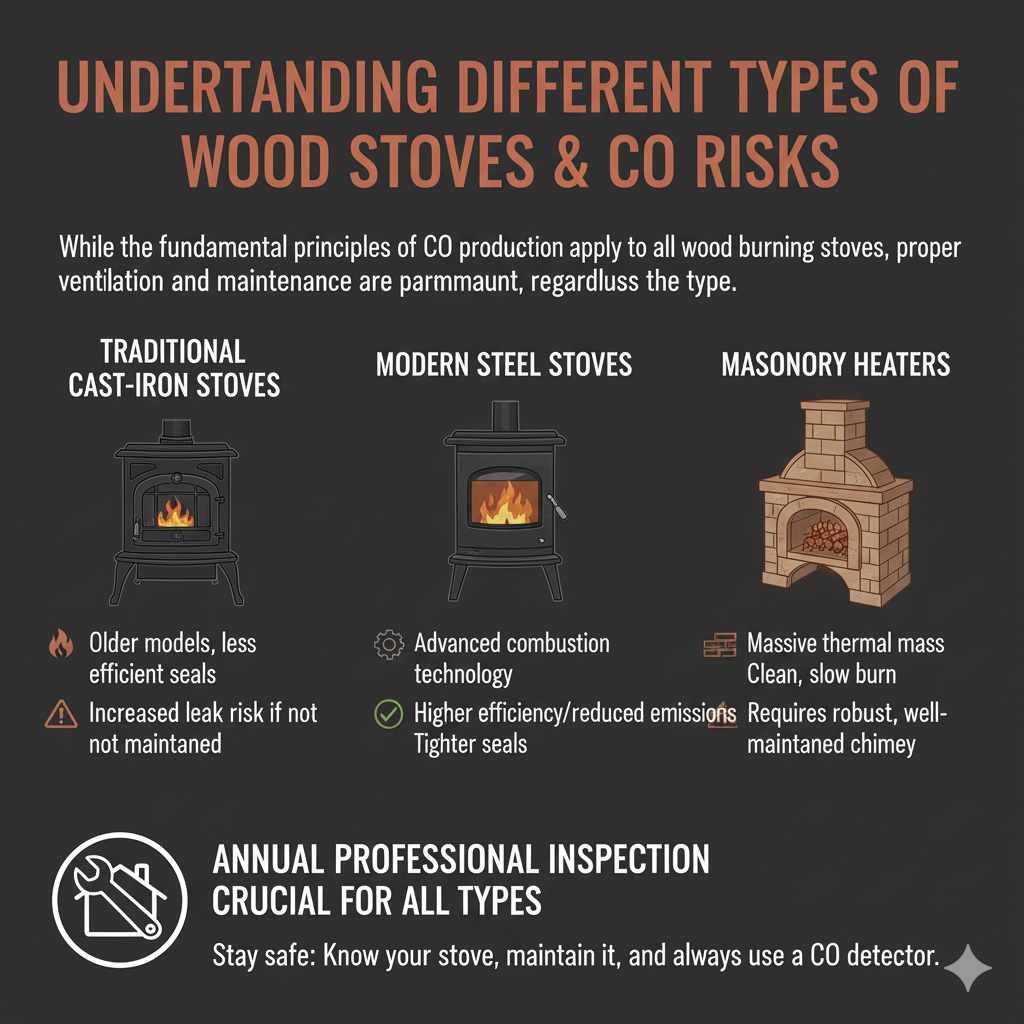
While the fundamental principles of CO production apply to all wood burning stoves, some types might have slightly different considerations. However, the core safety practices remain the same. Whether you have a traditional cast-iron stove, a modern steel stove, or a masonry heater, proper ventilation and maintenance are paramount.
For example, older stoves might be more prone to developing cracks or having less efficient combustion technology compared to newer models that are designed with advanced features to improve efficiency and reduce emissions. Regardless of the age or type, a thorough annual inspection by a professional is the best way to ensure your specific unit is operating safely.
Frequently Asked Questions (FAQ)
Here are some common questions homeowners have about wood stoves and carbon monoxide.
Q1: Can a new wood burning stove cause carbon monoxide poisoning?
A: Yes, even a new stove can cause CO poisoning if it’s not installed correctly, if the chimney isn’t drawing properly, or if it’s operated improperly. Always ensure professional installation and follow the manufacturer’s guidelines.
Q2: How often should I have my chimney inspected and cleaned?
A: It’s generally recommended to have your chimney inspected and cleaned at least once a year, especially before the start of the heating season. If you use your stove very frequently, you might need more frequent cleanings.
Q3: What are the best types of wood to burn in a wood stove?
A: The best wood to burn is dry, seasoned hardwood (like oak, maple, or ash). These woods burn hotter and cleaner, producing less creosote and CO compared to softwoods or wet wood.
Q4: My CO detector went off, but I don’t smell anything. Should I still worry?
A: Absolutely. Carbon monoxide is odorless and tasteless. If your detector sounds, treat it as an emergency and evacuate immediately. Do not assume it’s a false alarm.
Q5: Can I use my wood stove if the damper is stuck partially closed?
A: No. A stuck or partially closed damper severely restricts airflow, leading to poor combustion and a high risk of carbon monoxide buildup. Get it repaired by a professional immediately.
Q6: What is creosote, and why is it dangerous?
A: Creosote is a tar-like substance that builds up in the chimney as a result of burning wood. It’s highly flammable and can cause chimney fires. Excessive creosote can also narrow the flue, impeding proper ventilation and increasing the risk of CO entering your home.
Q7: How can I prevent negative air pressure in my home when using my wood stove?
A: To prevent negative air pressure, ensure your home has adequate fresh air. This might involve opening a window slightly when the stove is in use, especially if you have powerful exhaust fans. Some modern homes may benefit from a dedicated outside air kit for the stove, which can be installed by a professional.
Conclusion
Enjoying the warmth and beauty of a wood burning stove is a wonderful experience, and it can be done safely. By understanding that wood stoves can produce carbon monoxide if not managed correctly, and by implementing the essential safety measures we’ve discussed, you can protect yourself and your loved ones. Regular maintenance, proper operation, and the vigilant use of carbon monoxide detectors are your best tools for ensuring peace of mind. Think of it as part of the routine care for your stove, just like tending the fire. Stay informed, stay vigilant, and stay warm and safe!