Can Wood Burning Stoves Produce Carbon Monoxide?
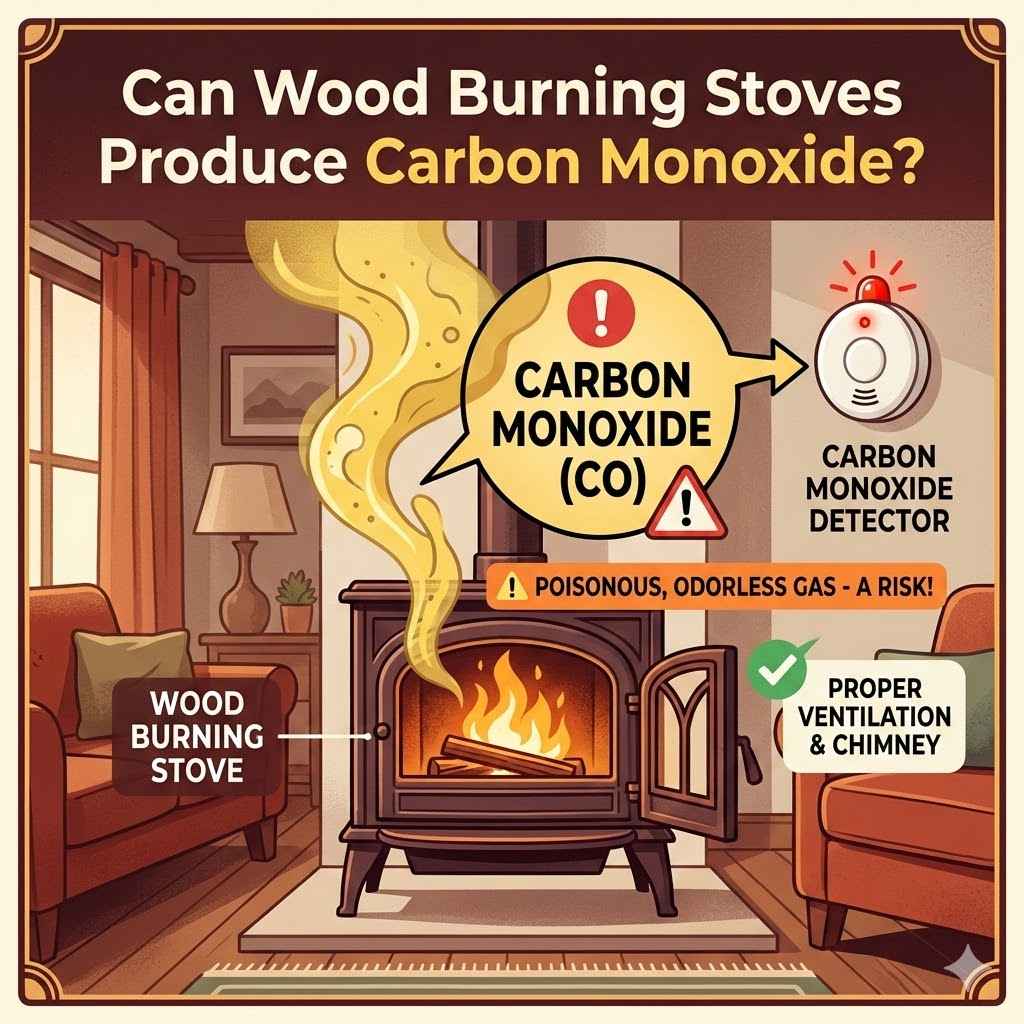
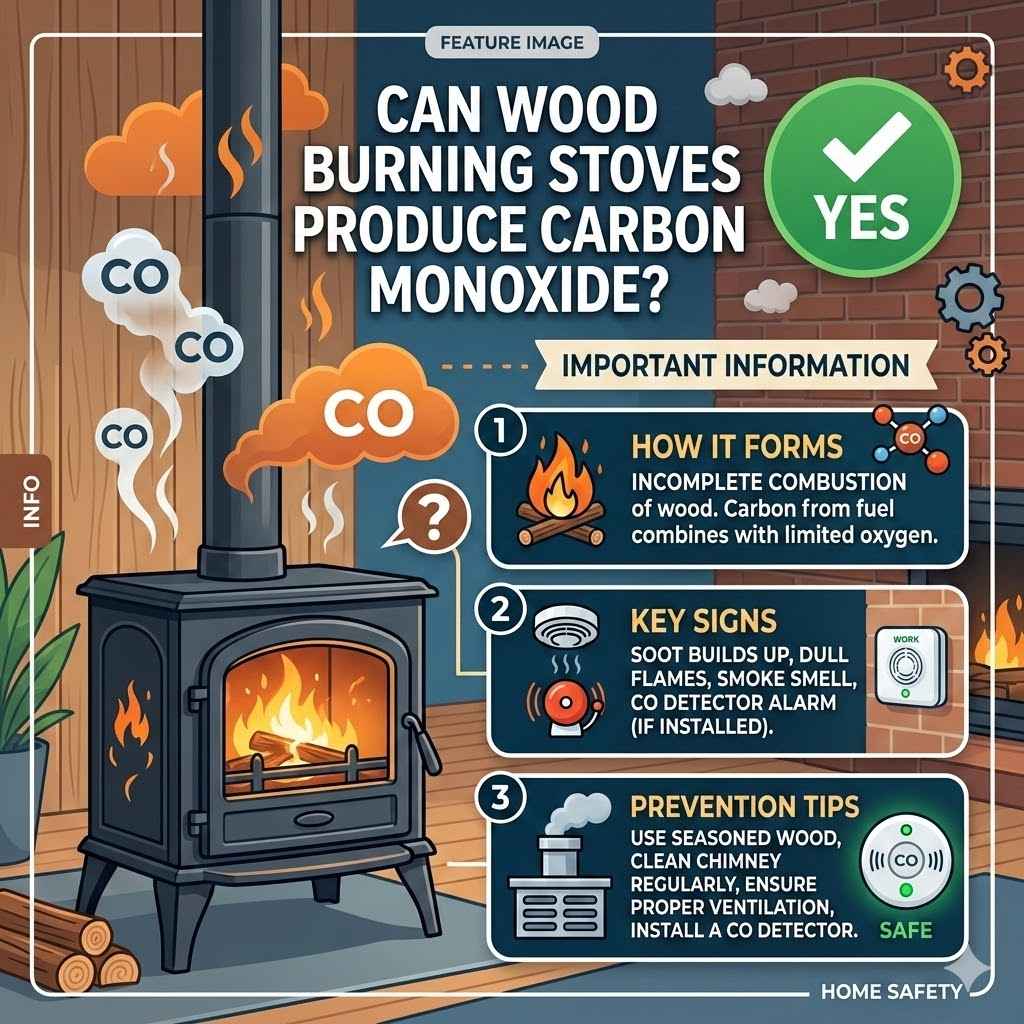
It’s common to wonder, “Can Wood Burning Stoves Produce Carbon Monoxide?” especially when you’re new to using them or thinking about getting one. This question can feel a bit tricky because wood fires are natural, but they also create invisible gases. Don’t worry, it’s simpler than it sounds!
We’ll walk through how wood stoves work and how to keep things safe. We’ll break down exactly what you need to know to enjoy your cozy fire without any worries.
Understanding Carbon Monoxide From Wood Burning
This section explains why carbon monoxide is a concern with wood stoves and what it is. We will look at how incomplete burning creates this gas. You’ll learn about the dangers of carbon monoxide.
What Is Carbon Monoxide?
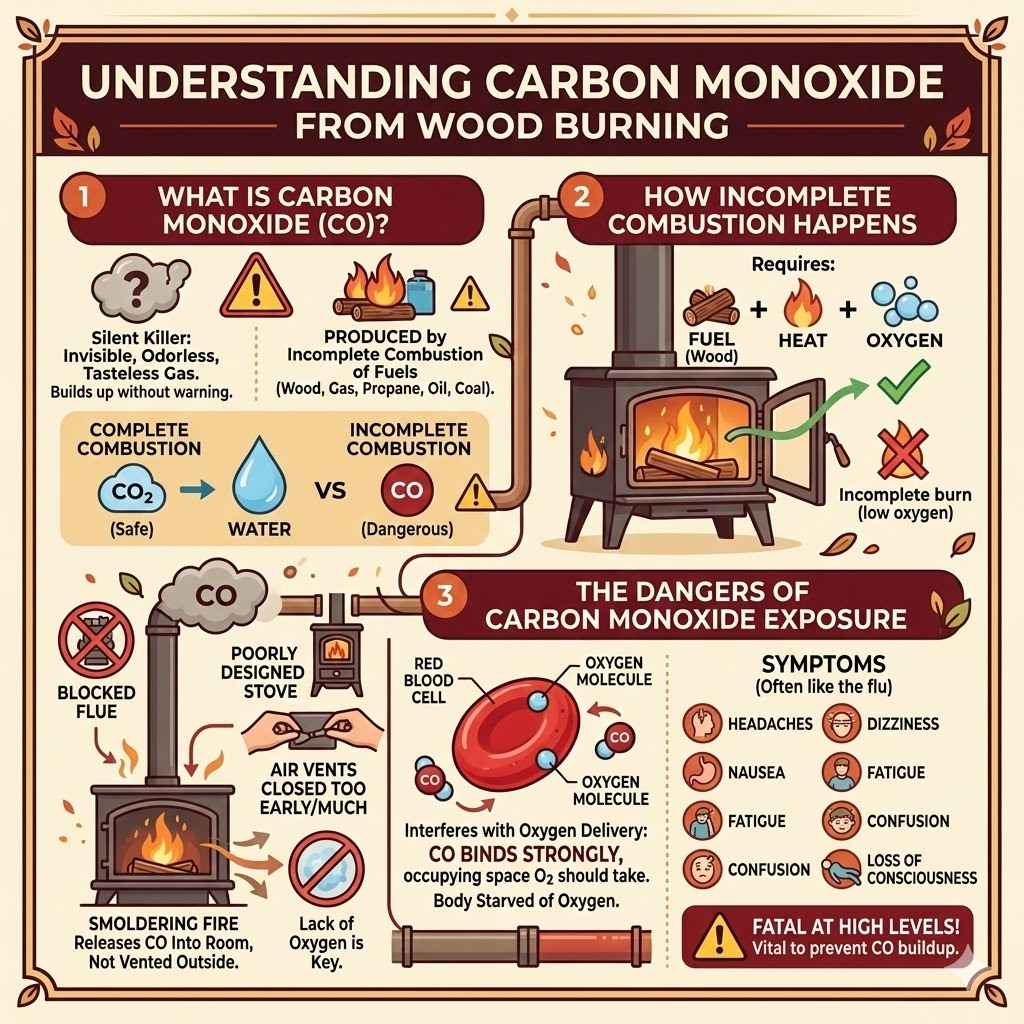
Carbon monoxide, often called CO, is a gas that you can’t see, smell, or taste. It’s also known as the “silent killer.” This is because it can build up in a home without anyone noticing until it’s too late.
CO is produced when fuels like wood, natural gas, propane, oil, or coal don’t burn completely. This incomplete combustion happens when there isn’t enough oxygen available for the fuel to turn into carbon dioxide (CO2) and water. Instead, a portion of the carbon in the fuel is released as CO.
Even small amounts of CO can be harmful if inhaled over time. High concentrations can cause serious health problems or even death. This is why understanding how and why wood stoves can produce it is so important for safety.
How Incomplete Combustion Happens
Incomplete combustion is the main reason why wood burning stoves can produce carbon monoxide. This occurs when the process of burning is cut short before all the fuel has fully converted into harmless gases like carbon dioxide and water vapor.
Think of it like a fire that isn’t getting enough air. Fire needs three things to burn: fuel (wood), heat, and oxygen. If the oxygen supply is limited, the fire can’t perform a complete burn.
The wood still burns, but it produces other things besides CO2 and water, with carbon monoxide being a primary byproduct.
Several factors can lead to insufficient oxygen. These include a poorly designed stove, a blocked chimney flue, or even closing the air vents too much too soon. When these conditions are met, the fire smolders, and CO is released into the room instead of being vented outside.
The Dangers of Carbon Monoxide Exposure
Carbon monoxide is dangerous because it interferes with how your body uses oxygen. When you breathe in CO, it sticks to the red blood cells in your body. These red blood cells are supposed to carry oxygen from your lungs to your brain and other organs.
However, CO binds much more strongly to these cells than oxygen does. This means that the CO “occupies” the space that oxygen should take. As a result, your body doesn’t get enough oxygen.
This can lead to serious health issues.
Symptoms of CO poisoning can be vague and might seem like the flu. They include headaches, dizziness, nausea, and fatigue. At higher levels, it can cause confusion, loss of consciousness, and can be fatal.
This is why it is vital to prevent CO buildup in your home.
Factors Influencing Carbon Monoxide Production
This section will explore the specific things about your wood stove and its setup that can cause more carbon monoxide to be produced. We’ll look at the stove itself, how you use it, and the chimney.
Stove Design and Condition
The design of your wood burning stove plays a big role in how efficiently it burns fuel. Older stoves or those not built to modern standards might not have features that promote complete combustion. Modern stoves often have secondary burn systems that help burn off gases that would otherwise become CO.
The condition of your stove also matters. If seals around the door are worn out, they can let in too much air, leading to a less efficient burn. On the other hand, if the air vents are clogged or not working properly, there might not be enough oxygen for a clean burn.
Regular maintenance and choosing a well-designed stove are key.
Fuel Quality and Loading Practices
The type of wood you burn and how you load your stove can greatly affect CO emissions. Seasoned firewood is essential. “Seasoned” means the wood has been dried for at least six months to a year.
Wet or unseasoned wood contains a lot of moisture. When you try to burn it, the stove has to use a lot of energy just to boil off that water before it can even start burning the wood efficiently. This process leads to a cooler, smoldering fire that produces more smoke and carbon monoxide.
How you load the stove also makes a difference. Overloading the stove can restrict airflow. This can choke the fire, preventing it from getting enough oxygen and leading to incomplete combustion and CO production.
It’s better to load the stove with fewer logs to allow for good air circulation.
Chimney and Venting System Issues
The chimney is the exhaust system for your wood stove. If it’s not working correctly, carbon monoxide can back up into your home. A common problem is a blockage in the flue.
Things like creosote buildup (a tar-like substance from burning wood), bird nests, or other debris can obstruct the chimney. When the flue is blocked, smoke and CO cannot escape properly. Instead, they are forced back down into the room where the stove is located.
Another issue can be improper chimney height or design. If the chimney isn’t tall enough or has too many bends, it might not create enough draft to pull the smoke and gases up and out effectively. This is especially true in certain wind conditions or when the stove is first lit.
Negative Air Pressure
Sometimes, a house can develop “negative air pressure.” This means the air pressure inside the house is lower than the air pressure outside. This can happen when a house is very well-sealed for energy efficiency.
When there’s negative air pressure, it acts like a vacuum. Instead of the chimney naturally drawing smoke and CO up and out, the negative pressure can actually pull those gases back down into the house. This can happen even with a perfectly clean and functional chimney.
Things that can cause negative air pressure include exhaust fans in kitchens and bathrooms, clothes dryers, and even leaky ductwork. If your home has a strong exhaust system, it can create this problem for your wood stove.
Ensuring Safe Carbon Monoxide Levels
This section provides practical steps you can take to keep your home safe and prevent dangerous levels of carbon monoxide. We will cover what to do with your stove, your chimney, and what safety devices to use.
Regular Professional Chimney Sweeping
One of the most important steps to prevent carbon monoxide buildup is to have your chimney cleaned regularly. This service is often called chimney sweeping. A professional chimney sweep will inspect and clean the inside of your chimney flue.
During the cleaning, they remove any creosote that has formed. Creosote is a highly flammable substance that builds up from the smoke and unburned particles in wood. It’s a major cause of chimney fires, but it also narrows the flue, restricting airflow and increasing CO risk.
A professional also checks for any blockages, such as nests or debris, and ensures the chimney is structurally sound. Most experts recommend having your chimney inspected and swept at least once a year, or more often if you use your wood stove frequently. This ensures proper draft and safe venting.
Using Carbon Monoxide Detectors
Installing carbon monoxide detectors in your home is a crucial safety measure. These devices are specifically designed to sense the presence of CO gas. They will sound an alarm if CO levels reach dangerous levels.
It’s recommended to have CO detectors on every level of your home, especially near sleeping areas. This way, if CO is produced while you are sleeping, the alarm will wake you up. Look for detectors that have a digital display, as this can show you the current CO levels in the air.
Make sure to test your CO detectors regularly to ensure they are working properly. Also, pay attention to the expiration date on the detectors. Like smoke detectors, CO detectors have a lifespan and need to be replaced periodically.
Proper Stove Operation Techniques
How you operate your wood stove directly impacts its efficiency and safety. Always follow the manufacturer’s instructions for your specific stove model. This will give you the best guidance on how to achieve a clean burn.
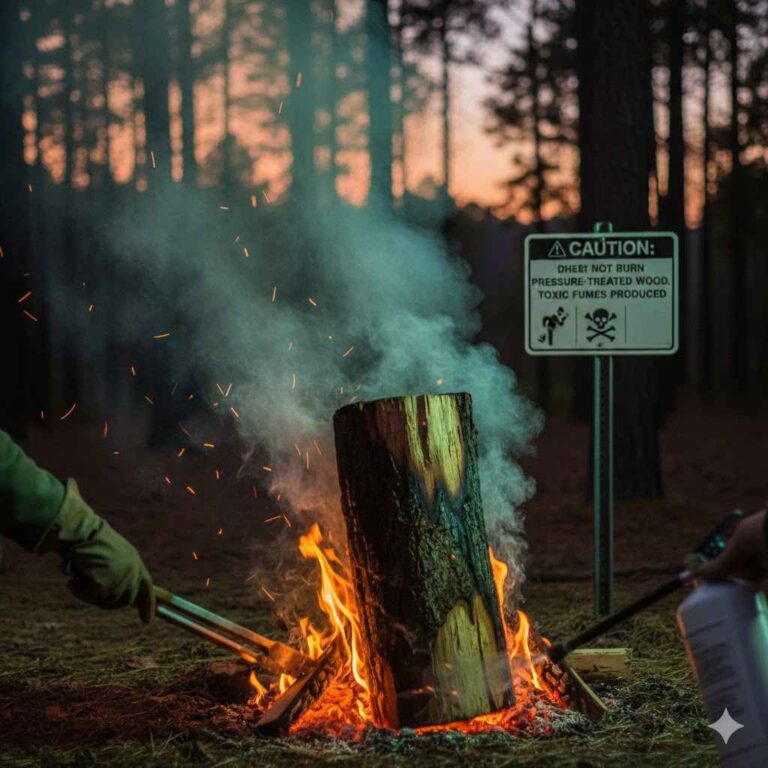
Start your fire with dry, seasoned firewood. Avoid burning trash, plastics, or treated wood, as these can release toxic fumes and clog your chimney. Ensure the air vents are open enough to allow a good supply of oxygen for a strong, steady flame.
Once the fire is established, you can adjust the air vents to control the burn rate, but avoid closing them too much, especially when the stove is hot. Learn to recognize a good, bright flame versus a smoldering, smoky fire. A bright flame usually indicates more complete combustion.
Ensuring Adequate Ventilation
Good ventilation is key to preventing carbon monoxide from building up. This means ensuring your home has enough fresh air coming in to balance out the air being used by the stove. If your house is very airtight, you might need to take extra steps.
One way to help is to open a window or a vent slightly in the room where the wood stove is located, especially when you first start the fire or if you notice a smoky smell. This provides extra oxygen for combustion and helps to vent any potential CO.
If you have powerful exhaust fans in your home, consider installing an outdoor air intake kit for your wood stove. This directly supplies combustion air from outside, reducing the chance of the stove drawing air from inside your house and creating negative pressure.
Benefits of Regular Stove Maintenance
Just like a car, your wood stove needs regular check-ups and maintenance to run safely and efficiently. This includes more than just chimney sweeping. It involves inspecting the stove itself.
For example, you should check the door gasket to make sure it forms a tight seal. A worn gasket can let in unwanted air, affecting the burn. You should also check the firebricks inside the stove; if they are cracked or damaged, they can affect the firebox’s integrity and heat distribution.
Cleaning out the ash from the ash pan regularly is also important. Too much ash can block airflow to the fire. A well-maintained stove burns cleaner, produces less CO, and lasts longer.
Case Studies and Scenarios
Let’s look at some real-life examples to understand how carbon monoxide issues can arise and what preventative actions make a difference. These stories highlight the importance of following safety guidelines.
Scenario 1 A Cold Evening Concern
The Miller family loved their new wood stove for cozy winter nights. One evening, the air in the living room started to feel a bit stuffy, and they all felt slight headaches. Mr.
Miller thought they might have closed the air vents too much to make the fire last longer.
He opened the stove door slightly, and a rush of smoky air came out. They quickly opened windows. Thankfully, their carbon monoxide detector, which they had installed that day, started beeping loudly.
The detector alerted them to the problem before it became serious.
They learned that a smoldering fire with insufficient oxygen was producing CO. They realized they needed to adjust the vents more carefully. They also scheduled their first professional chimney cleaning to ensure no blockages were contributing.
Scenario 2 The Newly Built Home
The Smiths recently moved into a brand-new, very energy-efficient home. They installed a beautiful wood stove for ambiance and backup heat. After a few days, they noticed a faint smoky smell near the stove, and sometimes the fire didn’t seem to draw well.
They called a chimney professional. The sweep discovered that the house was so well-sealed that it created negative air pressure. The stove’s chimney wasn’t strong enough to overcome this pull, and some exhaust was leaking back into the house.
The solution involved installing an outside air kit for the wood stove. This provided the stove with its own direct supply of fresh air from outside, independent of the house’s ventilation. This stopped the negative pressure issue and made the stove operate safely and efficiently.
Scenario 3 An Older Stove and Neglect
The Johnsons had an old wood stove that hadn’t been used in years. They decided to start it up for a power outage. They loaded it with old, somewhat damp wood and lit a fire.
They didn’t have a carbon monoxide detector because they didn’t think it was necessary.
After a few hours, everyone in the family started feeling very sick. They were dizzy, nauseous, and confused. Luckily, a neighbor stopped by and noticed the smoky smell and the family’s condition.
The neighbor had a CO detector with them and it immediately alarmed.
Emergency services were called, and the family was treated for carbon monoxide poisoning. This situation shows the extreme danger of using an old stove without proper maintenance and safety equipment. It also highlighted the risk of using damp wood.
Tips for Safe Wood Stove Use
Always use dry, seasoned firewood. Wet wood smolders and produces more CO. Proper drying removes moisture, allowing for a cleaner, hotter burn.
Ensure good airflow. Never overload the stove.
Leave enough space for air to circulate around the logs. Keep air vents open as needed.
Have your chimney inspected and cleaned annually. This prevents dangerous creosote buildup and blockages that can trap CO.
Install and test carbon monoxide detectors. Place them on every level of your home, especially near bedrooms. Test them monthly.
Understand your stove’s operation. Read the manual and learn how to control the air vents for optimal combustion.
A bright, active flame is usually a good sign.
Be aware of negative air pressure. If you have strong exhaust fans or a very airtight home, consider an outdoor air kit for your stove.
Frequently Asked Questions
Question: Can a brand new wood burning stove produce carbon monoxide?
Answer: Yes, even a new wood burning stove can produce carbon monoxide if it is not operated correctly.
Issues like using wet wood, not allowing enough airflow, or having a blocked chimney can still lead to incomplete combustion and CO production, regardless of the stove’s age or condition.
Question: What is the most important safety device for a wood burning stove?
Answer: The most important safety device is a carbon monoxide detector. While a well-maintained chimney and stove are crucial for prevention, a CO detector is your early warning system that alerts you if dangerous levels of the gas are present in your home.
Question: How do I know if my wood burning stove is producing carbon monoxide?
Answer: You likely won’t know directly because CO is odorless and colorless. However, you might notice symptoms like headaches, dizziness, or nausea. A loud alarm from your carbon monoxide detector is the definitive sign that CO is present.
Question: Can closing the air vents on my wood stove cause carbon monoxide?
Answer: Yes, closing the air vents too much can restrict the amount of oxygen available for the fire. This leads to incomplete combustion, a smoldering fire, and increased production of carbon monoxide.
Question: Should I leave my wood stove door slightly open to prevent carbon monoxide?
Answer: No, you should not intentionally leave the door open. While opening it briefly might release built-up smoke, it’s inefficient and can cause CO to enter the room. The goal is a well-sealed stove with proper airflow controlled by the vents.
Final Thoughts
Yes, wood burning stoves can produce carbon monoxide if they are not operated or maintained properly. Incomplete burning due to lack of air or a blocked chimney is the main cause. By using dry wood, ensuring good airflow, regularly cleaning your chimney, and installing carbon monoxide detectors, you can safely enjoy your wood stove.
Always follow manufacturer guidelines and prioritize regular maintenance for peace of mind.