Can Wooden Chopping Boards Go in the Dishwasher?
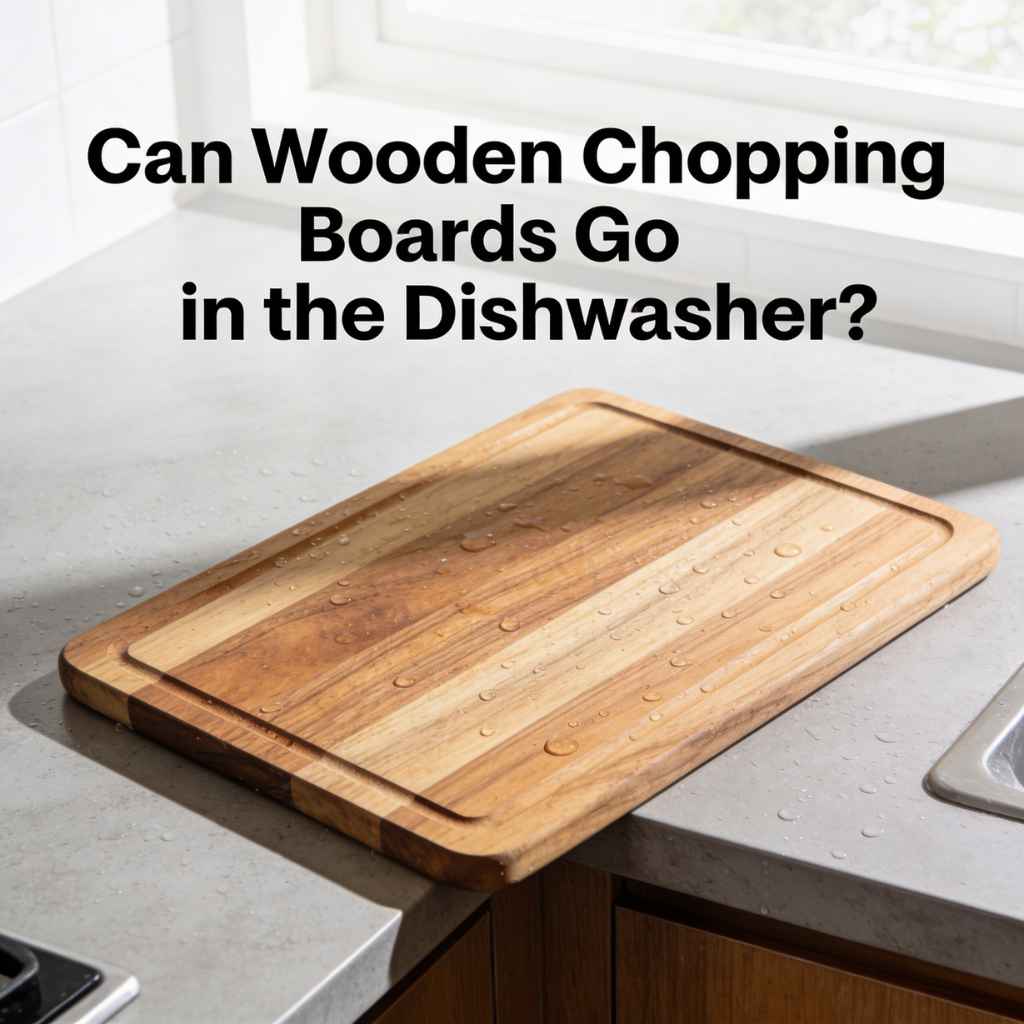
Many home cooks wonder, “Can Wooden Chopping Boards Go in the Dishwasher?” It’s a common question, especially for those new to caring for wooden kitchen tools. The dishwasher seems so easy, but putting your wooden board there might cause problems. Don’t worry, though! We’ll break down exactly what you need to know and give you a simple plan to keep your wooden chopping boards in great shape. Let’s find out how to clean them right.
Understanding Wooden Chopping Board Care
Caring for wooden chopping boards is a bit different from plastic or glass. Wood is a natural material, and it needs a little attention to stay in good condition. If you’re used to tossing everything into the dishwasher, this might feel like extra work. But it’s really quite simple once you know the best way. We’ll explore why dishwashers can be tough on wood and what gentle alternatives work wonders.
Why Dishwashers Are Risky for Wood
Dishwashers use very hot water and strong detergents. This intense environment can be too much for wood. The heat and moisture can cause wood to warp, crack, or split. It can also strip away natural oils that keep the wood healthy and protected. This can make the board more prone to stains and odors. Over time, a wooden board exposed to a dishwasher will likely look worn and might even become unsafe for food preparation.
The high heat in dishwashers is the biggest concern. Wood expands when wet and contracts when dry. Repeated cycles of getting very wet and then very hot and dry can stress the wood fibers. This is like bending a stick back and forth until it breaks. The wood can’t handle that kind of constant stress.
Strong detergents also play a role. They are designed to cut through grease and grime, but they can also strip away the natural protective oils present in wood. These oils are important for keeping the wood moisturized and preventing it from drying out. When these oils are gone, the wood becomes brittle.
The Impact of Moisture and Heat
Constant exposure to hot water and steam is the main problem. It can lead to several issues:
Warping: The board might no longer lie flat. This makes it wobbly on your counter and hard to use.
Cracking and Splitting: The wood fibers can break apart, creating deep lines. These cracks can harbor bacteria.
Discoloration: Wood can turn a dull, grayish color. Stains from food might become permanent.
Reduced Lifespan: Your board will not last as long if it’s put in the dishwasher. It’s like wearing out shoes too quickly.
Think of it this way: wood is alive, in a sense, and it reacts to its environment. A dishwasher is a very harsh environment for wood.
The Best Way to Clean Wooden Chopping Boards
Since the dishwasher is not a good option, how should you clean your wooden chopping boards? The answer is simple hand washing. It’s a gentle process that keeps your boards looking great and working well for years.
Gentle Hand Washing Steps
Start by clearing off any large food scraps. Use a damp cloth or a soft brush to wipe away loose bits.
Next, use warm water and a mild dish soap. Don’t soak the board; just wash one side at a time. Use a soft sponge or cloth. Scrub gently to remove any food residue.
Rinse the board thoroughly with warm water. Make sure all soap is gone.
Drying Your Wooden Board Properly
Drying is just as important as washing. Never leave a wooden board to air dry flat. This can cause one side to dry faster than the other, leading to warping.
Instead, stand the board on its edge. This allows air to circulate around both sides. You can also pat it dry with a clean towel first to speed up the process. Ensure it is completely dry before storing it.
Why Hand Washing Is Better For Wood
Hand washing is the best method because it gives you control over the process. You can be gentle and avoid extreme heat and moisture. This preserves the wood’s natural beauty and integrity.
Preserving Wood’s Natural Qualities
Wood has natural antibacterial properties. When washed gently, these properties are maintained. Hot water and strong detergents can damage these natural defenses.
This method also helps prevent the wood from drying out and becoming brittle. By not soaking the board, you limit the amount of water absorbed. This reduces the risk of warping and cracking.
Preventing Damage and Extending Life
The careful approach of hand washing extends the life of your chopping board significantly. It keeps the surface smooth and free from damage. This means it’s a better surface for cutting and a safer surface for preparing food.
Maintaining Your Wooden Chopping Board
Besides cleaning, a little maintenance can make a big difference. Oiling your wooden chopping boards regularly is key to keeping them in top condition.
The Importance of Oiling
Wood is porous and can dry out over time. Oiling replenishes the natural moisture in the wood. It creates a barrier that helps protect against stains and prevents water from soaking in too deeply.
You should oil your board every few weeks, or whenever it looks dry. This simple step keeps the wood from cracking and looking dull.
Choosing the Right Oil
Not all oils are good for wooden chopping boards. You need food-safe oils. Mineral oil is a popular and safe choice. It’s inexpensive and readily available.
Other good options include beeswax and mineral oil blends, or specialized cutting board oils. Avoid using cooking oils like olive oil or vegetable oil. These can go rancid over time, leaving an unpleasant smell and sticky residue.
How to Oil Your Board
First, make sure the board is clean and completely dry. Pour a generous amount of mineral oil onto the board.
Use a clean, lint-free cloth to rub the oil all over the surface, sides, and ends. Let the oil soak in for at least a few hours, or preferably overnight.
Wipe off any excess oil with a clean cloth. Your board will look richer and feel smoother. Repeat this process regularly to keep your board looking its best.
Common Misconceptions About Wooden Boards
People often think that because wood can rot, it’s inherently unhygienic. This isn’t true, especially with proper care. Wooden boards are actually quite good at keeping bacteria at bay.
Wood vs. Plastic Hygiene
Studies have shown that wooden chopping boards can be more hygienic than plastic ones over time. While bacteria might penetrate the surface of plastic, they tend to get trapped in the microscopic pores of wood. Then, they are naturally killed by the wood’s compounds.
Of course, this relies on proper cleaning. If a wooden board is left dirty or is damaged, it can become a breeding ground for bacteria. But when cared for correctly, it’s a safe and effective kitchen tool.
Addressing the Sanitation Concern
The main concern is usually around sanitation, especially after cutting raw meat. If you’ve cut raw meat on a wooden board, washing it immediately with hot water and mild soap is essential. Make sure it dries thoroughly.
Some people use a paste of baking soda and water to create a gentle scrub. This can help lift stains and odors without damaging the wood. For extra sanitizing, you can wipe the board with a diluted vinegar solution. However, don’t let the board soak in the vinegar.
Can Wooden Chopping Boards Go in the Dishwasher? A Final Verdict
So, to answer the main question: Can Wooden Chopping Boards Go in the Dishwasher? The short answer is no. While it might seem convenient, putting your wooden chopping boards in the dishwasher will likely damage them. The harsh conditions can lead to warping, cracking, and a shorter lifespan.
Opting for gentle hand washing and regular oiling is the best approach. This keeps your wooden boards beautiful, functional, and hygienic for a long time. It’s a simple process that protects your investment and ensures you have a reliable tool for all your culinary adventures. Treat your wood right, and it will serve you well.
Frequently Asked Questions
Question: Can I use any type of oil to condition my wooden chopping board?
Answer: No, it’s best to use food-safe oils like mineral oil, fractionated coconut oil, or specialized cutting board oils. Avoid cooking oils like olive or vegetable oil, as they can become rancid.
Question: How often should I oil my wooden chopping board?
Answer: You should oil your board every few weeks, or whenever it starts to look dry. Regular oiling prevents the wood from drying out and cracking.
Question: What should I do if my wooden chopping board gets a deep scratch?
Answer: For minor scratches, you can often sand the board down with fine-grit sandpaper and then re-oil it. Deep scratches might be harder to fix and could affect the board’s usability or hygiene.
Question: Are wooden chopping boards really more hygienic than plastic?
Answer: Yes, studies suggest that well-maintained wooden boards can be more hygienic than plastic boards over time. Bacteria tend to get trapped and die in wood’s natural structure, unlike plastic where they can multiply.
Question: How do I remove tough stains from my wooden chopping board?
Answer: For tough stains, try a paste of baking soda and water. Gently scrub the stained area and then rinse thoroughly. Always dry the board completely afterwards.
Summary
Wooden chopping boards should not go in the dishwasher. The hot water and strong detergents cause damage like warping and cracking. Instead, hand wash them with mild soap and warm water. Always dry them completely by standing them on their edge. Regular oiling with food-safe mineral oil keeps the wood healthy and protected. This simple care routine ensures your wooden boards last for years.