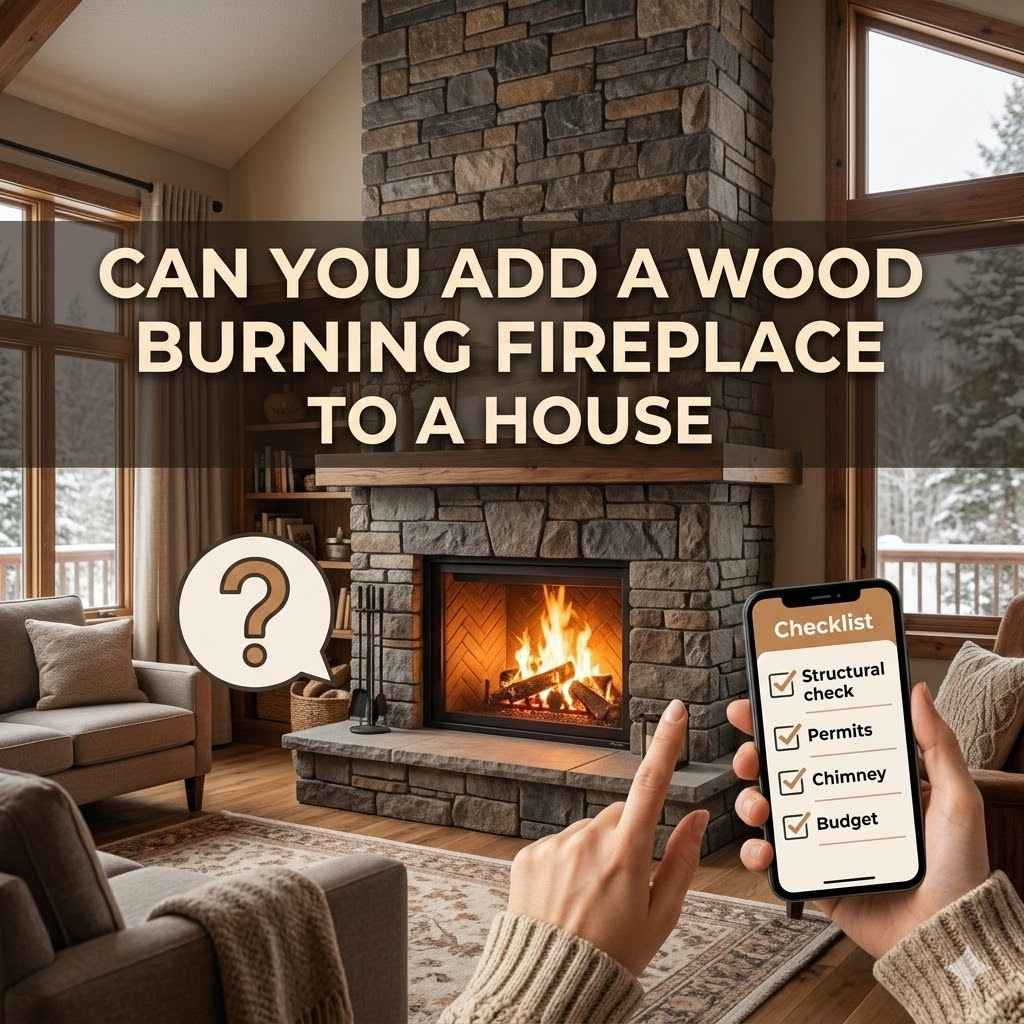
Can You Add a Wood Burning Fireplace to a House
Thinking about adding a wood burning fireplace to your home? You might wonder if it’s even possible or if it’s too hard to figure out. Many people ask Can You Add a Wood Burning Fireplace to a House?
because it seems like a big project. But don’t worry! It’s often simpler than you think, and we’ll walk you through it step by step.
Get ready to learn how to make your cozy dream a reality.
Can You Add a Wood Burning Fireplace to Your House
Adding a wood burning fi
Assessing Your Home’s Structure
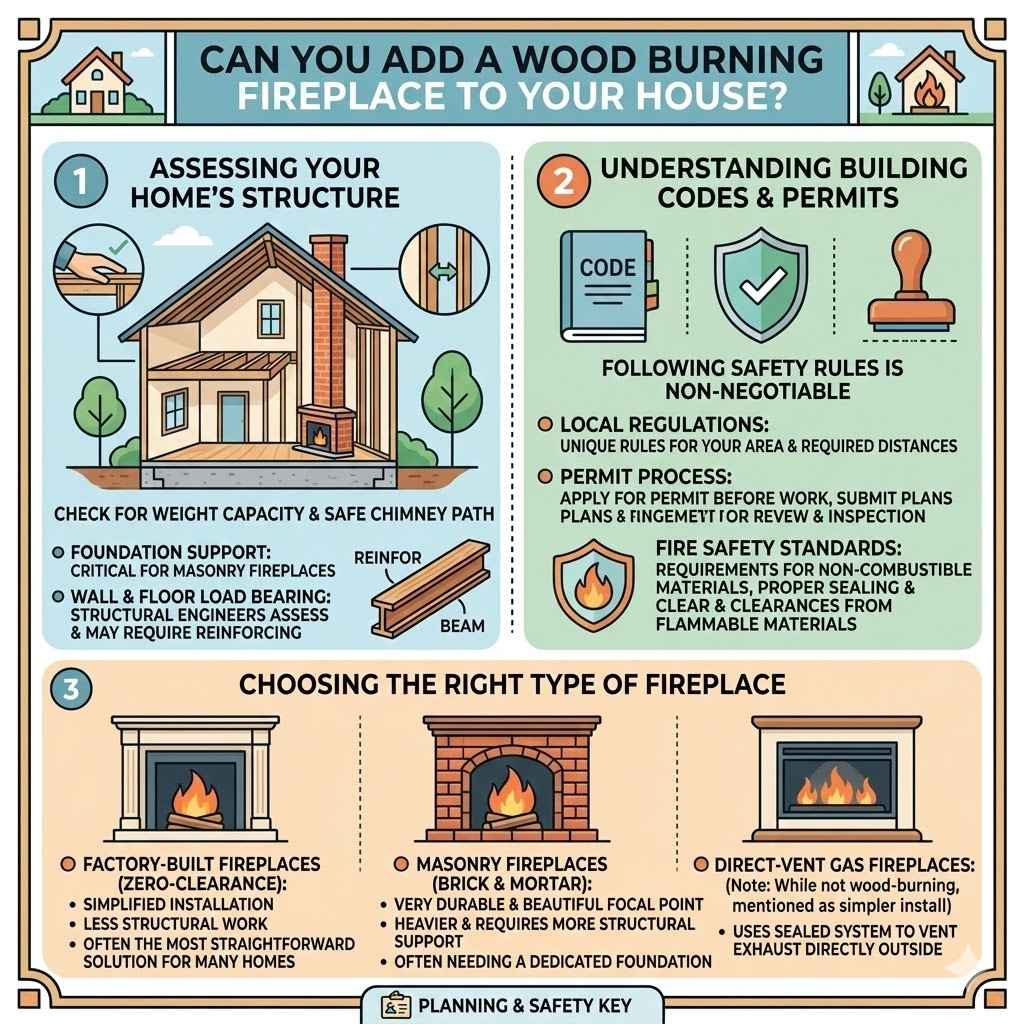
Before anything else, checking your home’s structure is super important. You need to make sure your house can handle the weight of a fireplace and chimney. It also needs a safe place for the chimney to go up and out.
This involves looking at floor joists, wall studs, and the roof structure. Sometimes, reinforcing these areas is necessary.
- Foundation Support: A fi
- Wall and Floor Load Bearing: The walls and floors where the fireplace will be installed must be able to support its weight. Structural engineers can assess this. They will determine if any modifications, like adding extra supports or beams, are required to safely hold the fireplace.
- Roof and Ceiling Clearance: The chimney needs to extend safely above the roofline. This requires clear paths through attics and ceiling spaces. Building codes specify exact heights relative to the roof and any nearby structures or trees to prevent fire hazards.
The structural integrity of your home is the first hurdle. It’s like making sure a table can hold a heavy object. Without proper support, the object could damage the table.
For a fi
Understanding Building Codes and Permits
Building codes are rules that make sure structures are safe. When you add a fireplace, you absolutely must follow these rules. This is not something you can skip.
These codes cover everything from how far the fireplace needs to be from walls to how the chimney is built. Getting permits means you are officially allowed to do the work, and it will be inspected to ensure it’s done right. Not getting permits can lead to fines and problems later.
- Local Regulations: Every town or city has its own building codes. These codes are designed to protect you and your neighbors. They often specify the type of fi
- Permit Process: You will need to apply for a building permit before starting any work. This usually involves submitting plans for your fi
- Fire Safety Standards: Codes heavily focus on fire prevention. This includes requirements for non-combustible materials around the firebox, proper sealing of the chimney, and safe distances from flammable building materials. Following these standards is non-negotiable.
Think of building codes like the rules of a game. If you don’t follow them, you risk getting penalized or having to start over. They are there to keep everyone safe from fires and ensure the fi
Choosing the Right Type of Fireplace
Not all fireplaces are the same. There are different types, and some are easier to add to an existing home than others. Knowing the options helps you pick the best fit for your needs and your house.
Some types require more structural work or specific venting than others. Your choice will affect the cost, complexity, and how much heat your fireplace provides.
- Factory-Built Fi
- Masonry Fireplaces: These are built on-site using bricks and mortar. They are very durable and can be a beautiful focal point. However, they are heavier and require more structural support, often needing a dedicated foundation.
- Direct-Vent Gas Fireplaces: While not wood-burning, it’s worth mentioning that gas options exist. They use a sealed system to vent exhaust directly outside through a wall or roof. This can be simpler to install than a wood-burning chimney but doesn’t offer the same wood-burning experience.
The type of fireplace you choose greatly impacts the installation process. A factory-built fireplace, for example, is like a pre-made unit that fits into a framed opening, simplifying construction. A masonry fireplace is more like building a custom piece from scratch, requiring more skilled labor and materials.
For many homes, the “zero-clearance” type is the most straightforward solution.
How to Add a Wood Burning Fireplace to Your House
Now that we know it’s often possible, let’s look at how you actually get a wood burning fireplace into your house. This process involves several key steps, from planning the location to the final finishing touches. We’ll break down the practical aspects of making this addition a reality.
It’s a journey that requires careful consideration at each stage.
Planning the Location
Where you put your fi
- Room Aesthetics and Functionality: Consider the main living areas. A fireplace in the living room or family room is typical. Think about furniture placement and how the fireplace will be the focal point. It should enhance the room, not take over or obstruct movement.
- Chimney Venting Path: This is a critical practical consideration. The chimney needs a clear vertical path through floors, ceilings, and the roof. Obstacles like beams, HVAC ducts, or plumbing can make installation very difficult or impossible. A clear path simplifies the work significantly.
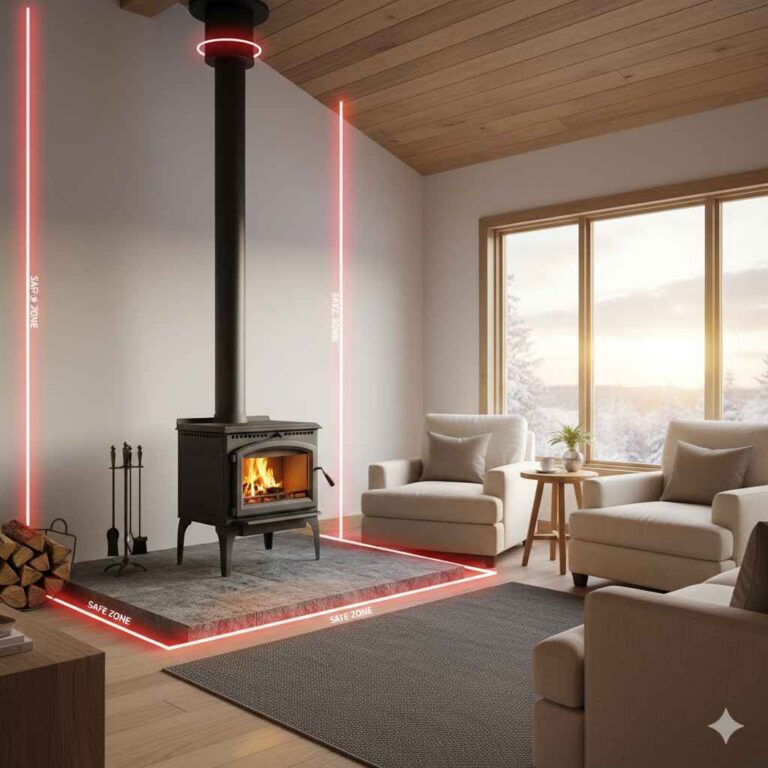
- Proximity to Combustibles: Building codes dictate safe distances between the fi
Imagine placing a heater. You wouldn’t put it right next to curtains, would you? The same thinking applies here, but with more rules.
The location needs to be safe and sensible. A fireplace that’s hard to access for cleaning or wood storage, or one that has a complicated chimney route, will be a constant hassle. Planning this out beforehand saves a lot of headaches later.
Installing the Firebox and Chimney
This is where the real construction happens. The firebox is the part where the fire burns, and the chimney carries smoke away. For factory-built fi
- Firebox Installation: A firebox is essentially a steel or cast-iron box designed to contain the fire safely. It must be properly supported and insulated according to manufacturer instructions and local codes. This unit is then enclosed within a framed structure.
- Chimney Construction or Installation: A masonry chimney is built brick by brick from the foundation up. A factory-built chimney typically uses insulated metal pipe sections that are assembled and secured through the house and roof. Proper sealing at all connection points is vital to prevent smoke leaks.
- Clearances and Hearth Requirements: Ensuring proper clearances from combustible materials is a constant concern during this stage. A hearth, the non-combustible floor area in front of the fireplace, must also be installed to catch sparks and embers.
This part is like building the core of the fireplace. The firebox needs to be strong and safe to hold the heat. The chimney needs to be built to carry the smoke high enough so it doesn’t come back into your house.
Think about a sturdy metal box for the fire and a tall, safe pipe for the smoke. This is the heart of the operation, and it requires skilled hands and attention to detail.
Venting and Air Supply
Fireplaces need air to burn and a way to get smoke out. Proper venting is key to safety and efficiency. Modern fireplaces often have specific requirements for air supply, sometimes drawing air from outside.
This prevents the fireplace from using up oxygen inside your home. A well-vented fireplace burns cleaner and more effectively.
- Draft and Airflow: A good draft pulls smoke up the chimney. This is influenced by chimney height, diameter, and outside air pressure. Modern fi
- Combustion Air Supply: For every fire that burns, it needs oxygen. Older fireplaces often pulled air from the room. Newer, more efficient fireplaces may require a dedicated outside air supply to avoid drawing conditioned air from your home, which can impact heating and cooling efficiency.
- Flue Liner and Damper: The flue liner inside the chimney protects the masonry from heat and corrosion and ensures a smooth path for smoke. A damper is a metal plate that can be opened or closed to control airflow and prevent heat loss when the fireplace is not in use.
Air is like the lifeblood for a fire. Without enough air, the fire sputters and produces more smoke. Too much air, and the fire burns too hot and fast.
The chimney’s job is to be the exhaust system, like a car’s muffler, but for smoke. Making sure this system is clear and has the right amount of air is crucial for your safety and the fireplace’s performance.
Finishing Touches and Safety Features
Once the main structure is in place, it’s time for the finishing touches. This includes the exterior look of the fireplace, like the surround and mantel, and important safety features. A well-finished fireplace looks great and also includes elements that protect your home and family.
This is the final step in making your fireplace ready for use.
- Surround and Mantel Installation: The surround is the decorative material around the firebox opening, often made of tile, stone, or brick. The mantel is the shelf above. These elements add to the fireplace’s aesthetic appeal and are installed to meet safety clearances.
- Spark Arrestor and Cap: A spark arrestor is a screen placed at the top of the chimney to prevent sparks from escaping and igniting nearby flammable materials. The chimney cap also helps keep rain, snow, and animals out.
- Carbon Monoxide Detectors: As an added layer of safety, having working carbon monoxide detectors in your home is essential. These devices alert you if dangerous levels of this odorless gas are present, which can be produced by any fuel-burning appliance.
Think of this as dressing up your fireplace and adding seatbelts. The decorative parts make it look beautiful, like a nice frame around a picture. The safety features, like the spark arrestor, are the essential guards that protect your home.
Ensuring everything is finished correctly means your fireplace is not only a cozy addition but also a safe one.
Costs and Considerations for Adding a Fireplace
Adding a wood burning fireplace is an investment. The cost can vary a lot depending on the type of fireplace, the complexity of the installation, and where you live. It’s wise to budget for not just the fireplace itself but also the labor, permits, and any structural work needed.
Understanding these factors will help you plan financially and avoid surprises.
Estimating the Total Cost
The price tag for a new wood burning fireplace can be substantial. It includes the unit itself, the chimney system, installation labor, and any necessary structural modifications. Costs can range widely, but most homeowners can expect to spend several thousand dollars.
Getting multiple quotes from reputable installers is a good way to get a clearer picture.
- Fireplace Unit Costs: The price of the fireplace unit itself varies greatly. A basic factory-built fireplace might cost $1,000 to $3,000, while a high-end masonry fireplace could cost $5,000 or more. Materials for masonry fireplaces, like specialized bricks and mortar, also add to this cost.
- Installation Labor and Materials: This is often the largest part of the expense. Skilled masons or fireplace installers charge for their expertise. The cost of materials like metal flue liners, insulation, concrete for foundations, and framing lumber also adds up.
- Permits and Inspections: Local authorities charge fees for building permits and inspections. These costs are necessary for ensuring your installation meets safety standards and can range from a few hundred dollars to over a thousand, depending on your location and the project’s scope.
The cost is like buying a new appliance, but with installation complexity. A simple electric heater is cheap. A fancy gas stove is more.
A wood burning fi
Impact on Home Value
A well-installed wood burning fireplace can significantly increase the appeal and value of your home. It’s an attractive feature for potential buyers who are looking for comfort and ambiance. Many people see a fireplace as a desirable amenity, especially in colder climates.
This makes it a worthwhile investment for many homeowners.
- Buyer Appeal: Fi
- Potential Return on Investment: While it’s hard to put an exact number on it, a fireplace can contribute to a higher resale value. The increase in value might not always match the installation cost dollar-for-dollar, but it certainly enhances marketability and can help you sell your home faster.
- Energy Efficiency Considerations: While fireplaces add ambiance, their energy efficiency varies. Modern, efficient models can provide supplemental heat. However, older or poorly maintained fireplaces can actually draw heated air out of the home, making them less energy-efficient.
Adding a fireplace is like adding a premium feature to your home. It’s a visual selling point that buyers often look for. It can be a key factor that helps your home sell faster and potentially for more money.
Think of it as an upgrade that makes your house more desirable and comfortable for its occupants.
Maintenance and Ongoing Costs
Having a wood burning fireplace means ongoing maintenance. This includes regular cleaning of the chimney to prevent creosote buildup, which is a fire hazard. You’ll also need to purchase firewood.
While the initial cost is high, these ongoing expenses are generally manageable for most homeowners.
- Chimney Sweeping: Annual chimney sweeping is crucial for safety. A professional sweeps out creosote, which is a tar-like substance that builds up from burning wood. This prevents chimney fires. Costs typically range from $150 to $300 per cleaning.
- Firewood Costs: The price of firewood varies by region and whether you buy it by the cord or in smaller bundles. While some homeowners source their own wood, most purchase it. This is an ongoing expense that can add up, especially if you use your fireplace frequently.
- Repairs and Inspections: Like any appliance, fireplaces can eventually need repairs. This might involve fixing cracks in the firebox, repairing the damper, or replacing worn parts. Regular professional inspections can help catch minor issues before they become major, costly problems.
Think of it like owning a car. You buy the car, but then you need gas, oil changes, and occasional repairs. A fireplace needs firewood, regular cleaning, and sometimes fixes.
These are normal operating costs that help keep it safe and working well. Most homeowners find these manageable if they plan for them.
Safety First When Adding a Fireplace
Safety is paramount when installing and using a wood burning fireplace. Proper installation by qualified professionals is the first step. After that, safe operating habits are essential for preventing fires and carbon monoxide poisoning.
Understanding these safety measures will help you enjoy your fireplace worry-free.
Professional Installation is Key
You should never attempt to install a wood burning fireplace yourself unless you are a certified professional. These systems involve gas lines, electrical components, and critical structural and ventilation requirements. A mistake can lead to a fire hazard or carbon monoxide leaks.
Hiring experienced and certified installers ensures everything is done according to code and manufacturer specifications.
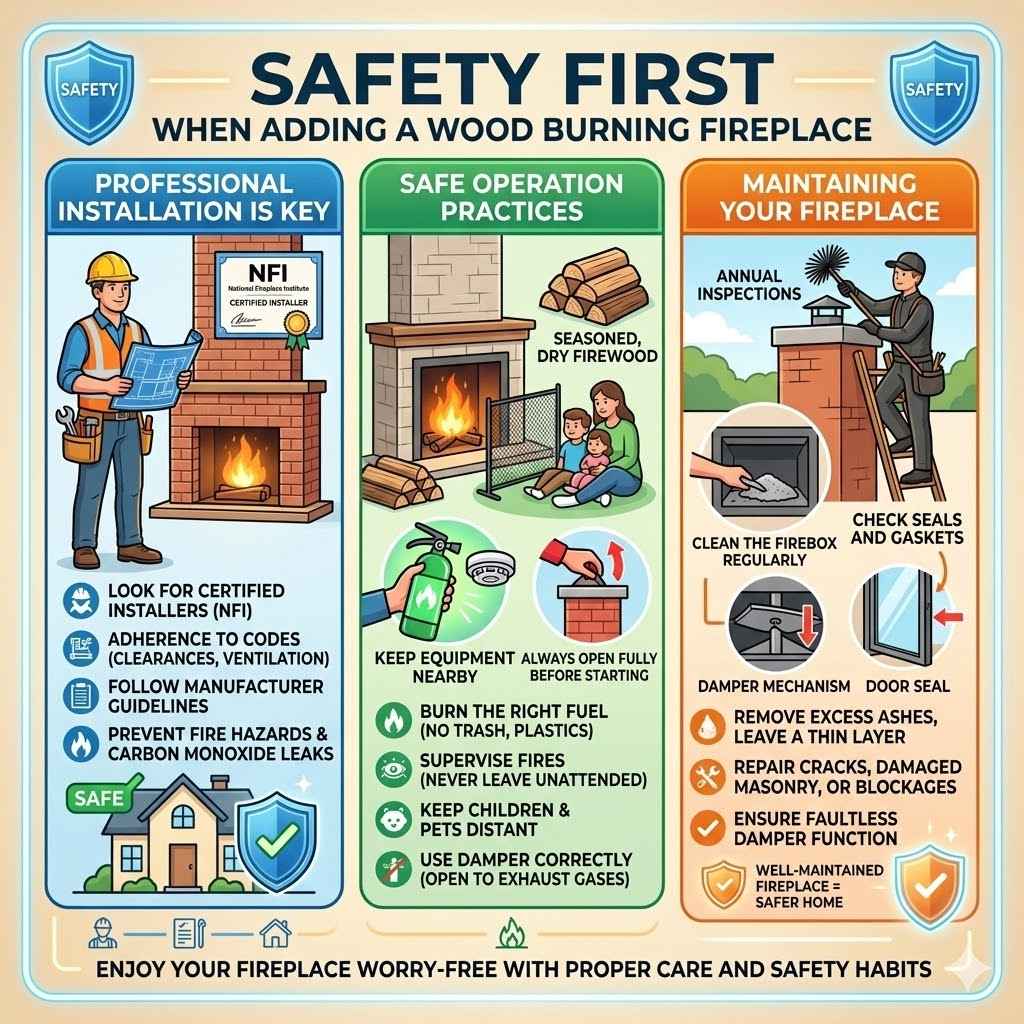
- Certified Installers: Look for installers who are certified by organizations like the National Fireplace Institute (NFI). These professionals have undergone training and testing to ensure they have the knowledge and skills to install fireplaces safely and correctly.
- Adherence to Codes: Professionals are up-to-date on all local and national building codes. They know the exact requirements for clearances, ventilation, hearth size, and chimney construction. This ensures your installation is compliant and safe.
- Manufacturer Guidelines: Each fi
Hiring professionals is like getting a doctor to perform surgery. They have the specialized knowledge and tools to do it right. For something as critical as a fireplace, which involves fire and ventilation, you want experts on the job.
Their work ensures your safety and the longevity of your fireplace.
Safe Operation Practices
Once installed, using your fireplace safely is crucial. This involves burning appropriate materials, supervising fires, and maintaining the fireplace. Simple habits can prevent major accidents and keep your home safe.
- Burning the Right Fuel: Only burn seasoned, dry firewood. Avoid burning trash, plastics, or treated wood, as these can produce toxic fumes and excessive creosote. Wet or green wood burns poorly and creates more smoke and creosote.
- Supervising Fires: Never leave a fire unattended, especially in an empty house. Keep children and pets a safe distance away from the fireplace. Ensure you have a fire extinguisher and a smoke detector nearby.
- Proper Damper Use: Always open the damper fully before starting a fire and close it only after the fire has completely burned out and the ashes have cooled. A closed damper can trap carbon monoxide and other dangerous gases in your home.
Using your fireplace is like driving a car. You need to know how to operate it safely to avoid accidents. Burning the right kind of wood and always watching the fire are simple rules that go a long way.
Making sure the chimney’s “door” (the damper) is open when you need it is also very important.
Maintaining Your Fireplace
Regular maintenance is key to a safe and efficient fireplace. This includes cleaning the firebox and hearth, checking the seals, and getting the chimney inspected and cleaned annually. A well-maintained fireplace is a safer fireplace.
- Annual Inspections: Have your chimney and fireplace inspected by a certified chimney sweep at least once a year. They can identify potential issues like cracks in the flue, damaged masonry, or blockages in the chimney.
- Cleaning the Firebox and Hearth: Remove ashes regularly, but leave a small layer (about an inch) on the firebox floor. This insulates the floor and can help protect it. Sweep the hearth clean of any debris that could be a fire hazard.
- Checking Seals and Gaskets: Inspect the fireplace door and glass seals, as well as the damper mechanism. Worn seals can allow smoke and drafts into the room, and a faulty damper is a safety risk.
Maintenance is like taking care of your teeth. Regular check-ups and cleaning prevent bigger problems down the road. For a fireplace, this means keeping it clean and getting it checked by a pro.
It ensures it works well and remains a safe source of warmth and comfort.
Frequently Asked Questions
Question: Can I put a wood burning fireplace in any room?
Answer: While you can technically place a fireplace in many rooms, it’s best suited for main living areas like the living room or family room. You must ensure there is a safe, clear path for the chimney and adequate clearance from combustible materials as required by building codes. Not all locations will be practical or safe.
Question: How long does it take to install a wood burning fireplace?
Answer: Installation time varies greatly. A simple factory-built fi
Question: Is a wood burning fireplace expensive to run?
Answer: The cost to run depends on how often you use it and the price of firewood in your area. You’ll need to factor in the cost of purchasing seasoned firewood, which can be a significant expense if used frequently. Annual chimney cleaning is also a recurring cost.
Question: Do I need a special foundation for a wood burning fireplace?
Answer: Yes, typically. Masonry fireplaces, in particular, are very heavy and require a dedicated concrete foundation to support their weight safely. Factory-built fireplaces often have specific hearth requirements and may need less extensive foundation work, but always check manufacturer specifications and local building codes.
Question: Can I use my fireplace during a power outage?
Answer: Yes, one of the great benefits of a wood burning fireplace is that it does not rely on electricity to operate, making it an excellent heat source during power outages. Ensure your chimney is clear and you have a good supply of dry firewood on hand for such emergencies.
Summary
So, can you add a wood burning fireplace to a house? Absolutely, the answer is yes. It involves careful planning, checking your home’s structure, following building codes, and choosing the right type of fireplace.
With professional installation and safe operation, you can enjoy the warmth and charm a wood burning fireplace brings to your home.