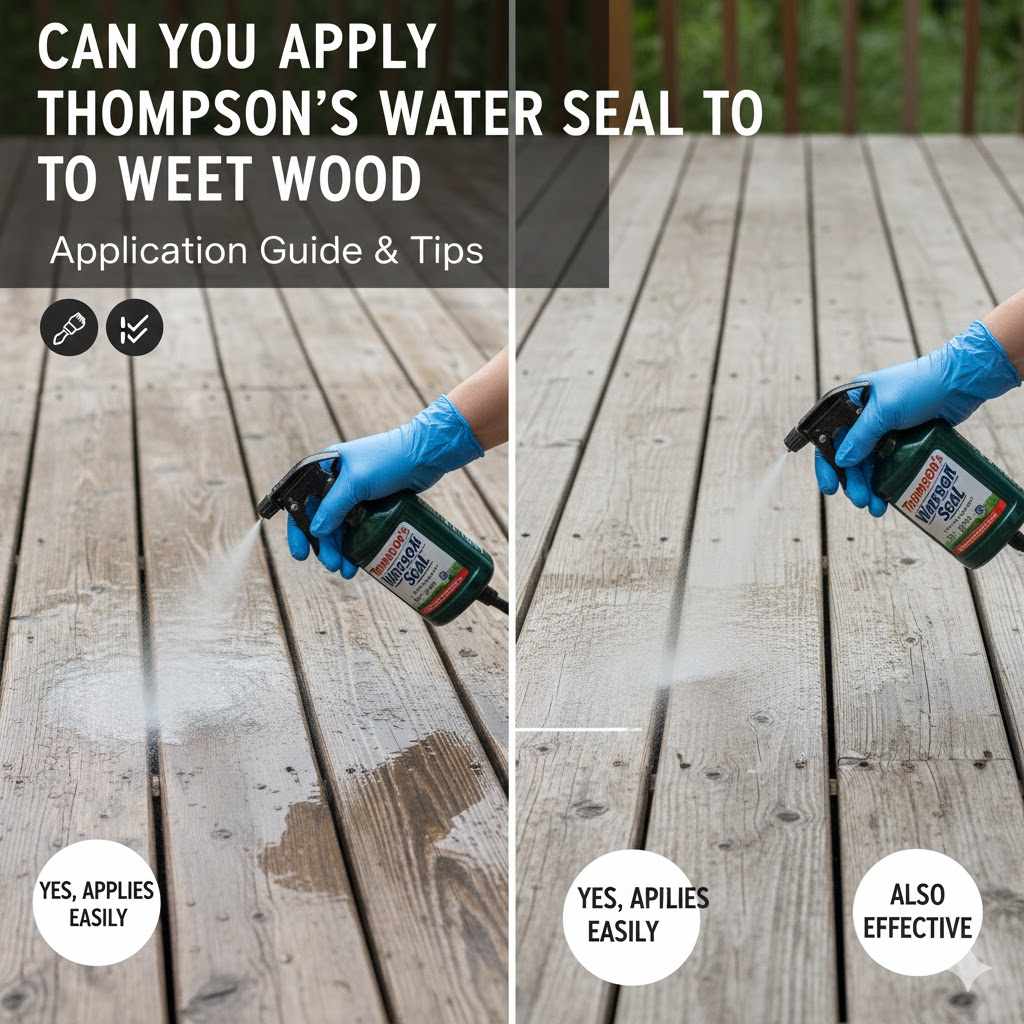
Can You Apply Thompson’s Water Seal to Wet Wood?
Many homeowners wonder about the best way to protect their wood projects. A common question is, “Can You Apply Thompson’s Water Seal to Wet Wood?” It can be confusing because some products work better on dry surfaces. This article will make it simple. We will walk you through the steps so you can confidently protect your wood.
Understanding Wood Protection Products
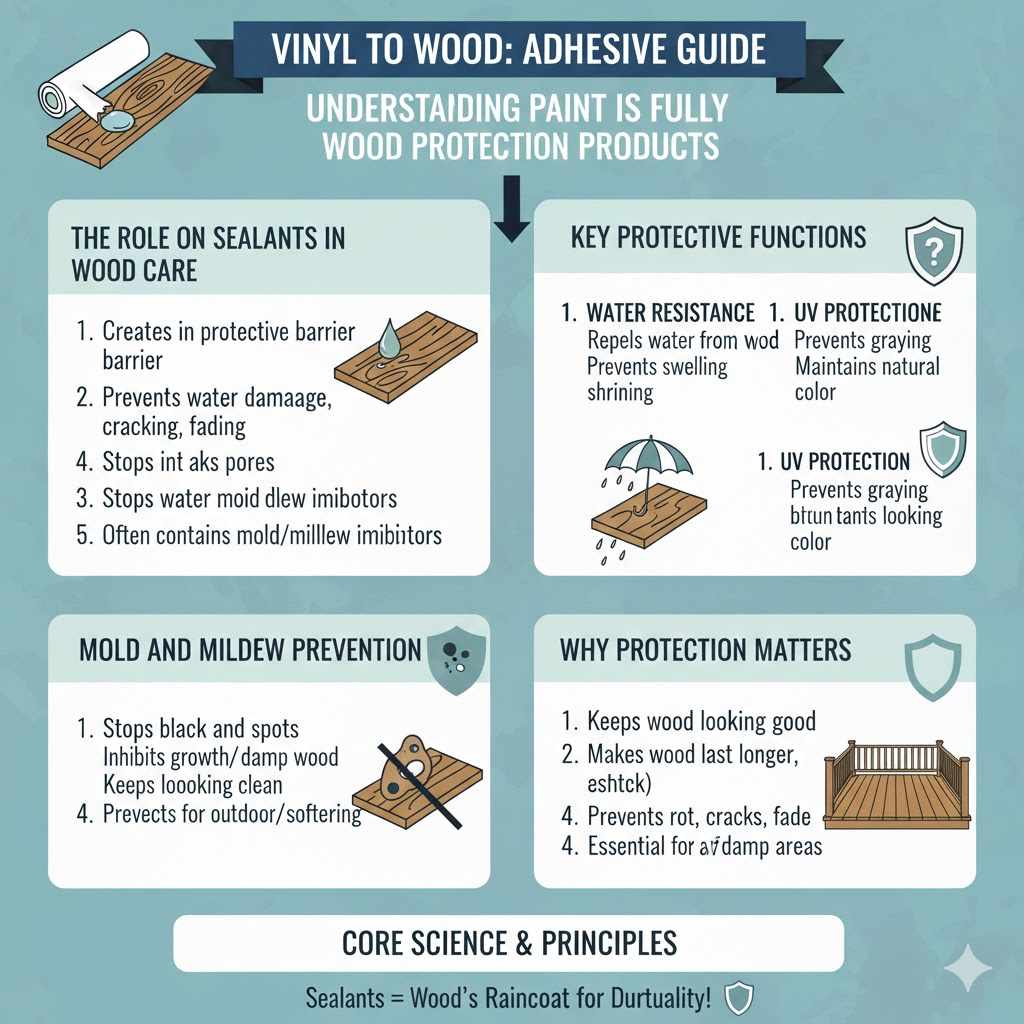
Wood protection products are designed to keep wood looking good and lasting longer. They create a barrier against water, sun, and other things that can damage wood. This barrier helps prevent rotting, cracking, and fading. Knowing how these products work helps you choose the right one and apply it the best way. It’s like giving your wood a raincoat to keep it dry.
The Role of Sealants in Wood Care
Sealants are a type of wood protection. They soak into the wood to fill its tiny pores. This stops water from getting into the wood and causing problems. Think of it like sealing up a leaky boat. Water sealants also often contain chemicals that stop mold and mildew from growing. This keeps your wood looking fresh and clean.
- Water resistance
- Water resistance means the sealant helps push water away from the wood. This is super important. When wood gets wet, it can swell up.
- When it dries, it shrinks. This constant changing can cause cracks and splits. A good water resistance makes the wood stay more stable.
- UV protection
- The sun’s rays can also harm wood. UV rays can make wood turn gray and brittle over time. Some sealants have ingredients that act like sunscreen for wood.
- They block these harmful rays, keeping the wood’s natural color and strength longer.
- Mold and mildew prevention
Wood can get ugly black or green spots from mold and mildew. These are tiny living things that love damp wood. Many sealants have special additives to stop these growths.
This keeps your wood looking nice and also prevents it from getting soft and damaged by the mold.
Can You Apply Thompson’s Water Seal to Wet Wood
This is the big question many people ask. The simple answer is yes, you often can apply Thompson’s Water Seal to wood that is not completely dry. However, there are some important things to know to do it right. Applying it correctly makes sure the sealant works its best. If you do it the wrong way, it might not protect your wood as well as it should.
How Thompson’s Water Seal Works
Thompson’s Water Seal is made to penetrate wood. It works by getting into the wood’s pores. The product contains oils and silicones that fill these spaces. This creates a barrier that repels water. It also helps to keep the wood from drying out too fast and cracking. It’s designed to be easy to use for most people.
The Science Behind Water Repellency
Water repellency, also called hydrophobicity, is a key feature of sealants like Thompson’s. This happens because the molecules in the sealant are designed to not mix with water. They create a surface tension that makes water bead up and roll off. This is similar to how a waxed car makes water slide off. For wood, this means less moisture gets absorbed, which prevents swelling and shrinking.
- Penetration
- Thompson’s Water Seal is made to soak deep into the wood. This allows it to create protection from within. It doesn’t just sit on the surface.
- This deep soak helps seal the wood from all sides, making it more effective.
- Surface Tension
- The sealant changes the surface tension of the wood. Water molecules are attracted to each other. When they hit a surface treated with Thompson’s, they don’t stick.
- They roll away because the sealant makes the wood surface less attractive to water.
- Bonding to Wood Fibers
The active ingredients in Thompson’s Water Seal bond with the natural wood fibers. This creates a lasting seal. It’s not a temporary coating that will easily wash away.
This bonding process is what makes the protection last through different weather conditions.
Moisture Content and Application Success
The amount of moisture in the wood is very important. While Thompson’s can be applied to damp wood, there’s a limit. If the wood is soaking wet, the sealant might not be able to penetrate properly. It could just sit on top and not do its job well. It’s best when the wood has some moisture but isn’t dripping wet.
Factors Affecting Sealant Penetration
Several things can affect how well a sealant sinks into wood. The type of wood itself plays a role. Denser woods might not soak up as much as softer woods. The temperature of the wood and the air also matters. If it’s too cold, the sealant might not flow as easily. Also, how much dirt or old finish is on the wood can block the sealant.
| Wood Type | Absorption Rate | Penetration Potential |
|---|---|---|
| Pine (softwood) | High | Good |
| Cedar (softwood) | Medium-High | Good |
| Oak (hardwood) | Low | Fair |
| Teak (hardwood) | Very Low | Poor |
This table shows that softer woods like pine and cedar tend to absorb sealants better than harder woods like oak and teak. This means you might get better protection with less effort on softer woods.
When to Wait for Drier Conditions
If your wood is so wet that water is pooling on the surface or dripping off, it’s probably too wet. In this case, waiting for the wood to dry a bit is a good idea. You can speed up drying by wiping off excess water with a clean cloth or by letting it air dry for a few hours, especially if it’s sunny.
A study by the Forest Products Laboratory found that wood’s ability to absorb liquids changes based on its moisture content. When wood is saturated with water, the pathways for other liquids to enter become blocked. This makes it harder for sealants to soak in and provide protection.
How to Apply Thompson’s Water Seal to Damp Wood
Applying Thompson’s Water Seal to damp wood is a common need. Maybe you just finished building something, or it rained unexpectedly. The key is to prepare the surface and apply the product correctly. This ensures the best possible protection for your wood.
Preparing the Wood Surface
Before you start, cleaning the wood is important. Even if it’s damp, it needs to be free of dirt, dust, and debris. You can use a stiff brush to scrub away loose dirt. If there’s any mold or mildew, you’ll want to clean that off too. Mild soap and water or a specific wood cleaner can help. Rinse the wood thoroughly after cleaning.
Cleaning Methods for Damp Wood
For light dirt, a good scrubbing with a stiff brush and some plain water is often enough. If there are stains or mildew, you might need something stronger. A mixture of one cup of bleach and two cups of water can kill mold and mildew. Always wear gloves and eye protection when using bleach. After using any cleaner, make sure to rinse the wood completely with clean water. This removes any cleaner residue.
One common mistake is not rinsing well enough after cleaning. Soap or bleach left on the wood can interfere with how the sealant sticks and works. So, a good, long rinse is crucial.
It ensures a clean surface for the sealant to bond with.
- Scraping loose material
- Before any washing, check for loose paint, old sealant, or splinters. Use a scraper or putty knife to remove anything that isn’t firmly attached. This creates a smoother surface for the new sealant.
- Brushing away debris
- Use a stiff-bristled brush to sweep away any dirt, leaves, or cobwebs. Doing this when the wood is damp can sometimes help dirt clump together and be easier to remove.
- Gentle washing if needed
If the wood is dirty, a gentle wash with mild soap and water can be effective. Use a sponge or soft brush. Avoid using high-pressure washers, as they can damage the wood fibers.
Application Steps for Damp Surfaces
Once the wood is clean and damp, you can start applying the Thompson’s Water Seal. Use a roller, brush, or sprayer. Apply a generous coat. Make sure to cover all surfaces evenly. You want to give the wood a good soak.
Applying the Sealant
Pour the Thompson’s Water Seal into a paint tray or bucket. Dip your brush, roller, or sprayer into the product. Apply it to the wood in long, even strokes. Work in sections, covering the entire piece of wood. Don’t let it pool up in one spot.
If you’re using a sprayer, set it to a fine mist. Move the sprayer back and forth evenly. For brushes and rollers, apply a steady, even coat.
It’s better to do two thin coats than one very thick coat that might not dry properly.
- Start at the top of the surface you are treating.
- Work your way down, applying the sealant evenly.
- Overlap your strokes slightly to avoid missed spots.
- Ensure all edges and end grains are well-covered, as these areas soak up more moisture.
- Wipe away any excess sealant that pools on the surface within 15 minutes.
Drying and Curing Time
After applying the first coat, let it dry. Thompson’s Water Seal typically dries to the touch in a few hours. However, it takes longer to fully cure and reach its maximum protection. For damp wood, it might take a bit longer than on completely dry wood.
It’s a good idea to let the wood dry for at least 24 hours after application, if possible. This allows the sealant to fully penetrate and set. Check the product label for specific drying and curing times.
Factors Affecting Application and Results
Several factors can influence how well Thompson’s Water Seal works on damp wood. Understanding these will help you get the best results. It’s not just about applying the product; it’s about doing it at the right time and in the right way.
Weather Conditions During Application
The weather plays a big role in how well sealants work. It’s best to apply Thompson’s Water Seal on a day that is not too hot or too cold. Also, avoid applying it right before rain is expected.
Temperature Guidelines
Most sealants work best when the air and surface temperatures are between 50°F (10°C) and 90°F (32°C). Applying in extreme heat can cause the sealant to dry too fast. This prevents it from soaking into the wood properly. Applying in very cold weather can slow down the drying process too much.
If the temperature is very high, the sealant might form a skin on the surface before it has a chance to penetrate. This leaves the wood underneath unprotected. On the other hand, if it’s too cold, the liquid sealant might not flow well, and it could take days to dry, increasing the risk of rain damage before it’s set.
Rain and Humidity
Applying Thompson’s Water Seal when rain is expected soon can be a problem. The rain can wash away the sealant before it has a chance to dry and cure. High humidity can also slow down the drying process. It can make the wood stay damp longer, which might affect how the sealant performs.
A good rule of thumb is to have at least 12-24 hours of dry weather after application. This allows the sealant to begin its curing process. If high humidity is present, extend the drying time if possible.
Type of Wood and Its Condition
Different types of wood have different structures. This affects how they absorb sealants. The existing condition of the wood, like whether it’s new or old, also matters.
New vs. Old Wood
New wood is often cleaner and has fewer existing problems. It generally absorbs sealants well. Old wood might have dirt embedded in it or have a weathered surface. This can make it harder for the sealant to penetrate. You might need to do more cleaning for old wood.
Old wood can also have micro-cracks from years of exposure. These cracks can absorb more sealant, which means you might need to use more product than you would for new wood. However, these cracks can also be entry points for moisture if not properly sealed.
Hardwood vs. Softwood
As mentioned in the table earlier, hardwoods are denser than softwoods. This means they absorb less liquid. You might need to apply more coats of Thompson’s Water Seal to hardwoods to achieve the same level of protection as on softwoods. Softwoods, like pine, are more porous and will soak up the sealant more readily.
For example, a deck made of cedar (a softwood) might only need one coat of sealant to be well protected. However, a deck made of ipe (a very dense hardwood) might require two or even three coats to ensure adequate water repellency.
Benefits of Sealing Damp Wood
Applying Thompson’s Water Seal to damp wood can offer several advantages, especially when time is a factor. It’s a practical solution for many situations. The key is knowing when and how to do it for the best outcome.
Time Efficiency
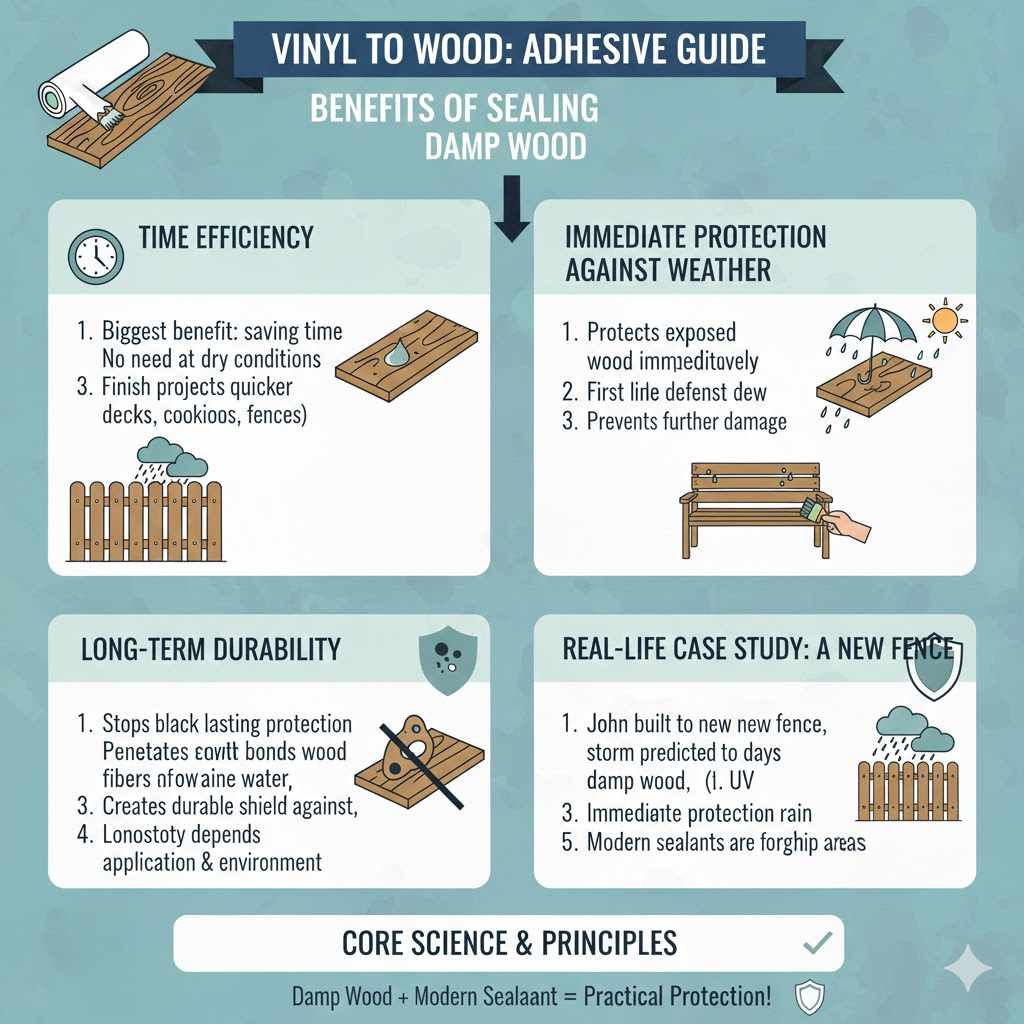
One of the biggest benefits is saving time. You don’t always have to wait for perfect dry conditions. If a project needs to be finished quickly, applying to damp wood can be a good option. This is useful for decks, fences, or furniture that you want to use sooner rather than later.
Imagine you just built a new fence, and a storm is predicted in two days. You can’t wait a week for the wood to dry completely. Applying Thompson’s Water Seal to the slightly damp wood now can offer some protection against the coming rain, preventing immediate damage.
Immediate Protection Against Weather
If your wood is already exposed to the elements, sealing it, even when damp, provides immediate protection. This is better than leaving it bare and vulnerable to further damage from rain, sun, or dew. It acts as a first line of defense.
A garden bench that has been sitting outside might have absorbed some moisture from morning dew. Applying Thompson’s Water Seal right away, even though it’s still a little damp, will seal in that moisture and prevent more from entering. It also protects it from the sun.
Long-Term Durability
When applied correctly, Thompson’s Water Seal on damp wood can still provide long-lasting protection. The product is designed to penetrate and bond with wood fibers. This creates a durable shield against water damage, rot, and UV rays. The longevity depends on the application and environmental factors.
While ideal conditions are always best, the technology in modern sealants is quite forgiving. They are formulated to work under a range of conditions, including damp surfaces. This ensures that your wood stays protected for years to come, even with occasional applications on damp wood.
Frequently Asked Questions
Question: Can I apply Thompson’s Water Seal to wood that has just been washed?
Answer: Yes, you can apply Thompson’s Water Seal to wood that has just been washed, as long as it is not soaking wet. It’s important to let excess water run off and for the wood to be damp rather than saturated. Wiping off standing water is a good practice.
Question: Will applying to damp wood reduce the effectiveness of Thompson’s Water Seal?
Answer: Applying to damp wood might slightly reduce the penetration compared to bone-dry wood. However, Thompson’s Water Seal is designed to work on damp surfaces. For most applications, the difference in effectiveness is minimal if applied correctly.
Question: How long should I wait after rain before applying Thompson’s Water Seal?
Answer: Ideally, you should wait for at least 24 hours after rain to allow the wood surface to dry to a damp state. If the wood is still dripping wet, it’s too saturated for optimal application.
Question: Does Thompson’s Water Seal protect against mold and mildew on damp wood?
Answer: Yes, Thompson’s Water Seal contains ingredients that help prevent mold and mildew growth. Applying it to damp wood helps create a barrier that discourages these organisms from taking hold and causing damage.
Question: What is the best way to clean wood before applying Thompson’s Water Seal to damp surfaces?
Answer: Clean the wood with a stiff brush and water. If there is mold or mildew, use a mild bleach solution (one part bleach to two parts water), rinse thoroughly, and then apply the sealant to the damp surface.
Summary
You absolutely can apply Thompson’s Water Seal to wet wood, but with key steps. Clean the wood, remove loose bits, and ensure it’s damp, not dripping. Use a brush, roller, or sprayer for even coverage. Wait for it to dry for best results, ideally 24 hours. This practical approach saves time and protects your wood effectively.