Can You Burn Pressure Treated Wood in a Wood Stove? Deadly
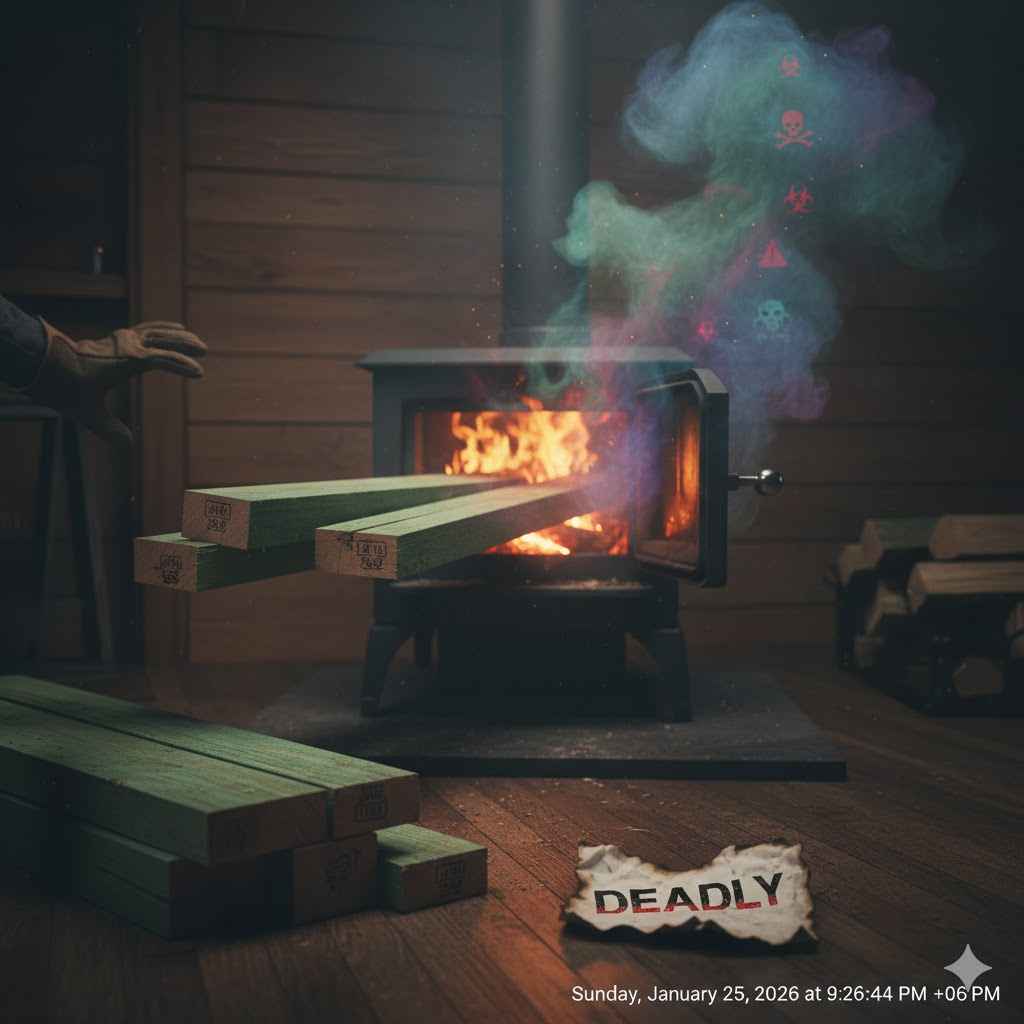
Never burn pressure-treated wood in a wood stove or fireplace. Burning it releases highly toxic chemicals, including arsenic, into the air you breathe. This can cause severe health problems, damage your stove, and pollute the environment. Always dispose of pressure-treated wood scraps at an approved landfill.
Hello, friends! Md Meraj here. If you’ve ever finished a deck or fence project, you’ve probably looked at the pile of leftover wood scraps and thought, “Can I use this for firewood?” It’s a smart question, especially when you want to save money and stay warm. But when it comes to pressure-treated wood, the answer is a very serious “no.”
It’s easy to think all wood is the same, but it’s not. Burning the wrong kind can be a dangerous mistake. Don’t worry, I’m here to walk you through why this is so important and how to handle it safely. We’ll cover what pressure-treated wood is, the risks of burning it, how to spot it, and the right way to get rid of it. Let’s make sure your home stays safe and cozy!
When the cold weather rolls in, nothing beats the warmth of a wood stove. It’s a centerpiece of comfort for many homes. But the fuel you choose is just as important as the stove itself. While it might seem resourceful to toss in leftover scraps from your latest outdoor project, using pressure-treated wood can have devastating consequences for your health, your home, and the environment.
What is Pressure-Treated Wood, Anyway?
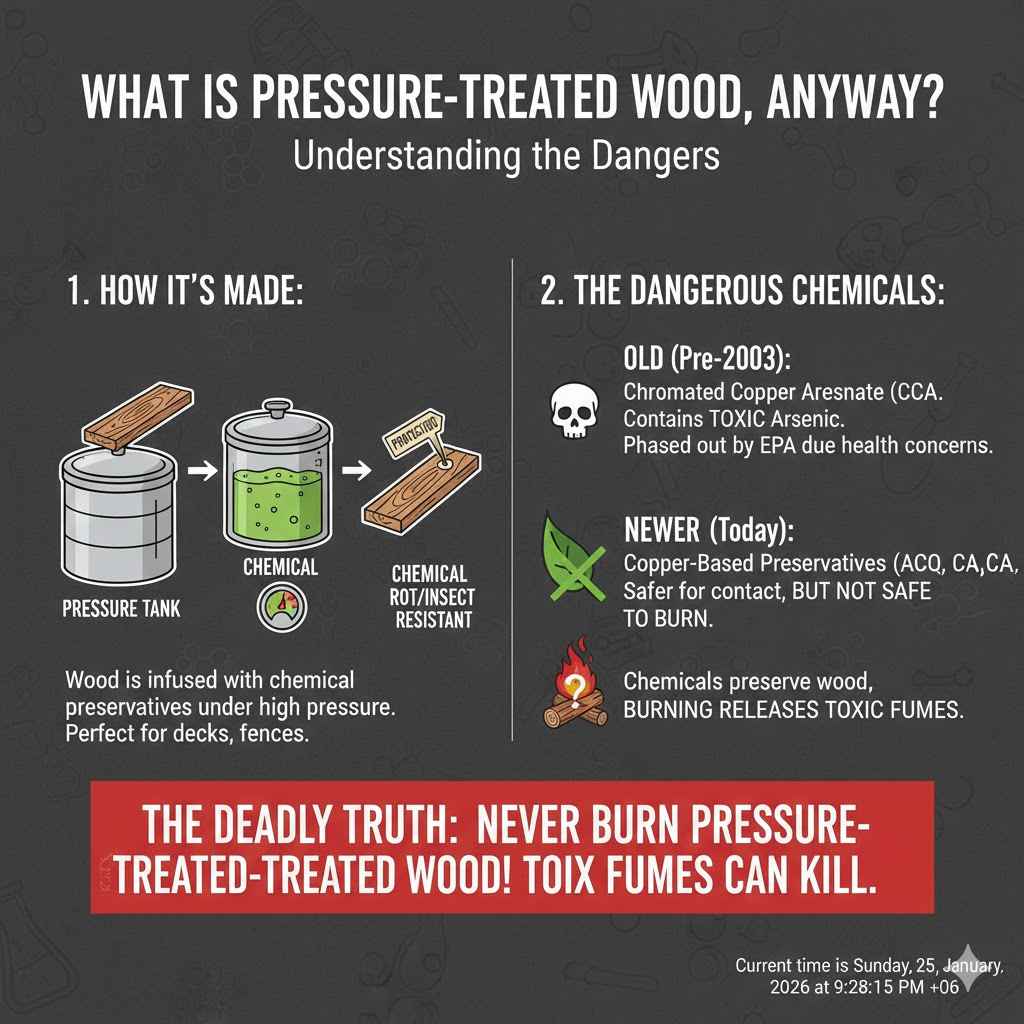
Let’s start with the basics. Pressure-treated wood is regular wood that has been put into a special tank and infused with chemical preservatives under high pressure. This process forces the chemicals deep into the wood fibers, protecting it from rot, decay, and insect damage. It’s why this type of wood is fantastic for outdoor projects like decks, fences, and playgrounds—it can withstand the elements for years.
So, what are these chemicals? For many decades, the most common preservative was Chromated Copper Arsenate (CCA). As you might guess from the name, it contains arsenic, a highly toxic substance. In 2003, the U.S. Environmental Protection Agency (EPA) phased out the use of CCA-treated wood for most residential applications due to health concerns.
Today, the most common types of pressure-treated wood use copper-based preservatives like:
- Alkaline Copper Quaternary (ACQ)
- Copper Azole (CA)
- Micronized Copper Azole (MCA)
While these newer treatments are considered safer for contact, they are still not safe to burn. The chemicals are there for one reason: to preserve the wood. When you burn it, you release those chemicals in a very dangerous form.
Why You Should NEVER Burn Pressure-Treated Wood
Burning pressure-treated wood isn’t like burning a regular log from your backyard. When the wood burns, the chemical preservatives are released into the smoke and ash. This creates a cocktail of toxic fumes and particles that are incredibly harmful.
1. Severe Health Risks
The number one reason to never burn this wood is your health. The smoke from burning older, CCA-treated wood contains inorganic arsenic. Breathing in this smoke can lead to acute arsenic poisoning, with symptoms like nausea, vomiting, and diarrhea. Long-term exposure, even to small amounts, is linked to an increased risk of lung, bladder, and skin cancer, as well as neurological damage.
Even the newer, copper-based treatments are dangerous. When burned, they can release toxic copper fumes. Inhaling these can cause “metal fume fever,” a flu-like illness with symptoms like fever, chills, body aches, and a sore throat. It can also cause severe respiratory irritation.
2. Toxic Ash Contamination
The danger doesn’t end when the fire goes out. The ash left behind from burning pressure-treated wood is considered hazardous waste. It contains concentrated levels of arsenic, chromium, and copper. If you dispose of this ash in your garden, yard, or regular trash, these toxic heavy metals can leach into the soil and contaminate groundwater. This can poison your garden plants, harm pets, and pose a risk to your local water supply.
3. Damage to Your Wood Stove and Chimney
The chemicals in treated wood are also highly corrosive when heated. Burning this wood can cause serious damage to your wood stove, stovepipe, and chimney liner. The acidic gases released can eat away at metal components, leading to costly repairs and reducing the lifespan of your heating system. It can also lead to a buildup of unusual and dangerous creosote, increasing your risk of a chimney fire.
| Chemical Preservative | Commonly Found In | Dangers When Burned |
|---|---|---|
| Chromated Copper Arsenate (CCA) | Wood treated before 2004 (decks, playgrounds, fences) | Releases highly toxic arsenic and chromium into smoke and ash. Can cause cancer and severe poisoning. |
| Alkaline Copper Quaternary (ACQ) | Modern treated wood (post-2004) | Releases copper fumes. Can cause metal fume fever and respiratory irritation. Corrosive to stove parts. |
| Copper Azole (CA) | Modern treated wood (post-2004) | Similar to ACQ, releases toxic copper fumes that are dangerous to inhale and harmful to your stove. |
How to Easily Identify Pressure-Treated Wood
Okay, so we know it’s dangerous. But how can you be sure if a piece of wood is pressure-treated, especially if it’s old? Here are a few simple clues to look for. Think of it as being a detective for your own safety!
Look for a Green or Brown Tint
Freshly treated wood often has a noticeable greenish or sometimes brownish hue. This color comes from the copper in the chemical preservatives. As the wood ages and weathers, this color may fade to gray, but you can often still see hints of green in cracks or cuts.
Check for End Tags or Stamps
Most manufacturers are required to label pressure-treated lumber. Look for a plastic end tag stapled to the end of the board or an ink stamp along the side. This tag or stamp will usually list the type of preservative used (like ACQ or CA), the intended use (e.g., “Ground Contact”), and the name of the treatment facility.
Spot the Incision Marks
Some types of lumber, particularly denser species like Douglas Fir, have small, patterned slits or knife-like incisions on the surface. These marks are made before treatment to help the chemical preservatives penetrate deeper into the wood. If you see these uniform cuts, you can be sure it’s treated wood.
A Distinct Chemical Smell
New pressure-treated wood often has an oily or chemical smell that is quite different from natural wood. While this smell fades over time, you may still notice it, especially when the wood is cut or damp.
A good rule of thumb is: When in doubt, throw it out. If you can’t be 100% certain that a piece of wood is natural and untreated, it’s not worth the risk. Your family’s safety is always the top priority.
The Right Way to Dispose of Pressure-Treated Wood
Since you can’t burn it, what should you do with leftover treated wood? Proper disposal is essential to protect yourself and the environment. You can’t just toss it in a bonfire or compost it.
Step-by-Step Safe Disposal Guide:
Check Your Local Regulations First
Rules for disposing of pressure-treated wood vary by city and state. Before you do anything, contact your local waste management authority, sanitation department, or landfill. They will give you specific instructions for your area. Some communities have designated drop-off sites or special collection days.
Take it to a Lined Landfill
In most areas, the recommended method of disposal for homeowners is to take it to a certified, lined landfill. A “lined” landfill has a protective barrier at the bottom that prevents chemicals from leaking into the soil and groundwater. You may need to declare that you are disposing of treated wood when you arrive.
Never, Ever Use it as Mulch or Compost
Do not chip pressure-treated wood to use as mulch or add it to your compost pile. The preservative chemicals will leach out over time and contaminate your soil, making it unsafe for growing vegetables or for children and pets to play in.
Wear Protective Gear When Handling
When cutting or handling pressure-treated wood, always wear gloves, a dust mask, and safety glasses. The sawdust contains the same harmful chemicals. It’s best to work outdoors and clean up thoroughly afterward.
So, What Wood IS Safe to Burn?
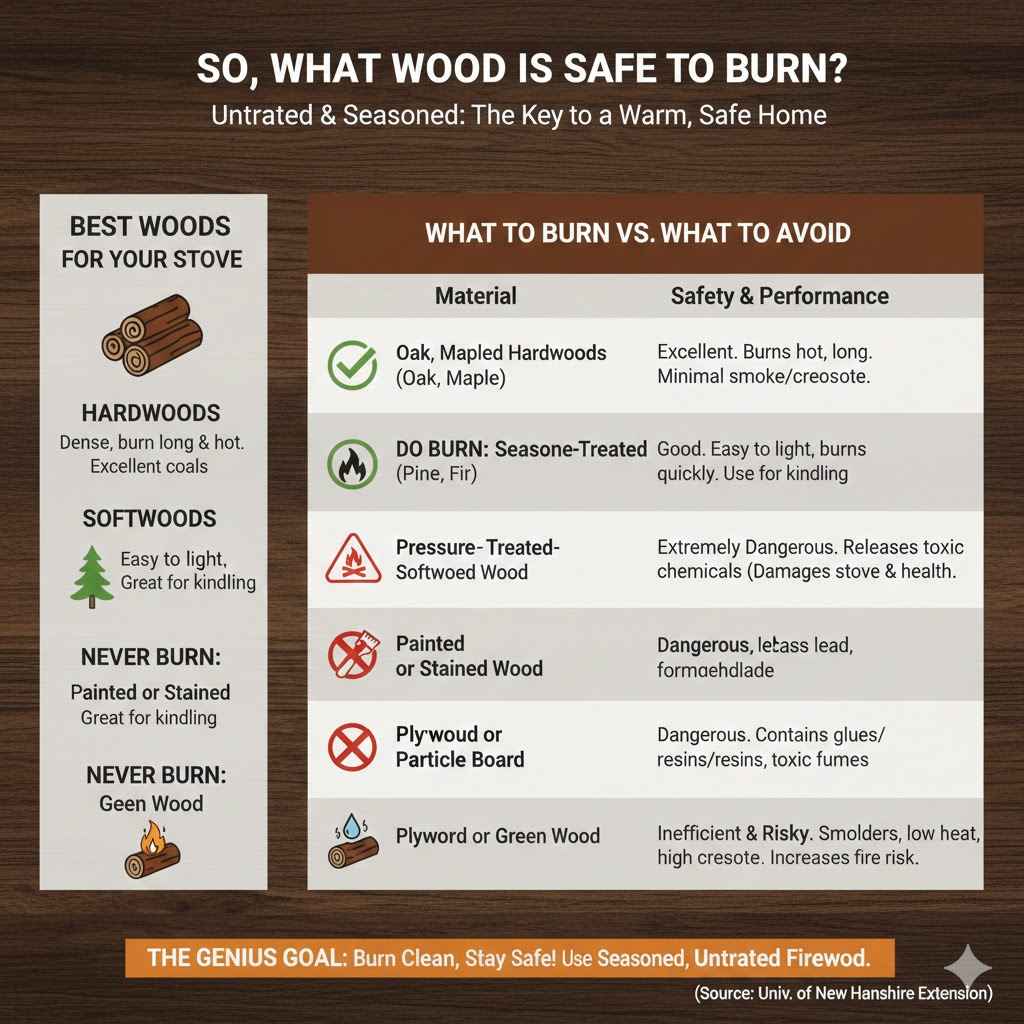
Now for the good news! There are plenty of excellent, safe woods you can burn in your wood stove to keep your home warm and cozy. The key is to use well-seasoned, untreated firewood.
“Seasoned” simply means the wood has been cut, split, and left to dry for at least six to twelve months. Dry wood burns hotter, cleaner, and produces far less creosote than wet wood.
Best Woods for Your Stove:
- Hardwoods: Oak, Maple, Hickory, Ash, and Birch are excellent choices. They are dense, burn long and hot, and create a nice bed of coals.
- Softwoods: Pine, Fir, and Spruce are also fine to burn. They catch fire easily and are great for kindling, but they burn much faster than hardwoods and tend to produce more creosote. Be sure to have your chimney cleaned regularly if you burn a lot of softwood.
| What to Burn vs. What to Avoid | Safety and Performance |
|---|---|
| DO BURN: Seasoned Hardwoods (Oak, Maple) | Excellent. Burns hot and long with minimal smoke and creosote. The best choice for heating. |
| DO BURN: Seasoned Softwoods (Pine, Fir) | Good. Easy to light and burns quickly. Best used for kindling or mixed with hardwoods. |
| NEVER BURN: Pressure-Treated Wood | Extremely Dangerous. Releases toxic chemicals like arsenic. Damages stove and health. |
| NEVER BURN: Painted or Stained Wood | Dangerous. Releases lead, formaldehyde, and other chemicals from the finish. |
| NEVER BURN: Plywood or Particle Board | Dangerous. Contains glues and resins that release toxic fumes when burned. |
| NEVER BURN: Wet or Green Wood | Inefficient and Risky. Smolders, creates very little heat, and produces a lot of creosote, increasing fire risk. |
Always source your firewood from a reputable dealer or use wood you have harvested and seasoned yourself. For more detailed guidance on proper firewood, you can check resources from educational institutions like the University of New Hampshire Extension.
Frequently Asked Questions (FAQ)
What should I do if I accidentally burned a small piece of pressure-treated wood?
If you’ve only burned a very small amount one time, the immediate risk is likely low, but it’s important to act. Immediately open windows and doors to ventilate the area thoroughly. Clean the ash out of your stove once it has cooled completely, wearing a high-quality dust mask and gloves. Dispose of the ash as hazardous waste according to your local guidelines. If anyone feels unwell, seek medical attention.
Can I burn pressure-treated wood outside in a fire pit?
No, you should never burn pressure-treated wood in an open fire pit. The toxic smoke is still released into the air, where it can be inhaled by you, your family, and your neighbors. The toxic ash will also contaminate the ground around your fire pit.
How can I tell if very old, weathered wood is pressure-treated?
Old, gray wood can be tricky. Look closely for the signs: faint green tints in cracks, old staple holes where a tag might have been, or the small, uniform incision marks. If the wood came from an old deck, fence post, or retaining wall, it’s very likely treated. When in doubt, it is always safest to assume it is treated and dispose of it properly.
Is the smoke from burning pressure-treated wood really that dangerous?
Yes, it is extremely dangerous. For older wood treated with CCA, the smoke contains arsenic, a known carcinogen. The U.S. Consumer Product Safety Commission has warned against this for decades. For newer woods, the fumes can still cause significant respiratory problems. It is a risk not worth taking.
What is the absolute best way to get rid of pressure-treated wood scraps?
The safest and most responsible way is to take them to a designated, licensed landfill that accepts construction and demolition debris. Call your local waste management service beforehand to confirm their policies and procedures. Do not leave it for bulk trash pickup unless your municipality explicitly allows it.
Is the newer, “safer” pressure-treated wood (like ACQ) okay to burn?
No. While modern preservatives no longer contain arsenic, they do contain high concentrations of copper and other chemicals that are toxic when burned and inhaled. They can also damage your wood stove due to the corrosive compounds released.
Why does new pressure-treated wood have a green color?
The green tint is from the copper in the chemical preservative, which is a key ingredient in protecting the wood from rot and insects. Copper oxide is naturally green, which gives the wood its distinctive color.
Your Health and Home Come First
At the end of the day, heating your home with a wood stove should be a source of comfort, not a source of worry. While it’s tempting to use every last scrap of wood from a project, pressure-treated lumber is one thing that should never, ever go into your fire.
The risk is simply too high. The toxic smoke, the hazardous ash, and the damage to your stove all add up to a decision that is clear: keep pressure-treated wood out of the fire. Instead, take a few extra minutes to dispose of it properly and fuel your stove with safe, clean-burning, natural wood. Your lungs, your family, and your home will thank you.
Stay warm and stay safe out there!