Can You Get Carbon Monoxide Poisoning From Wood Stove? Essential!
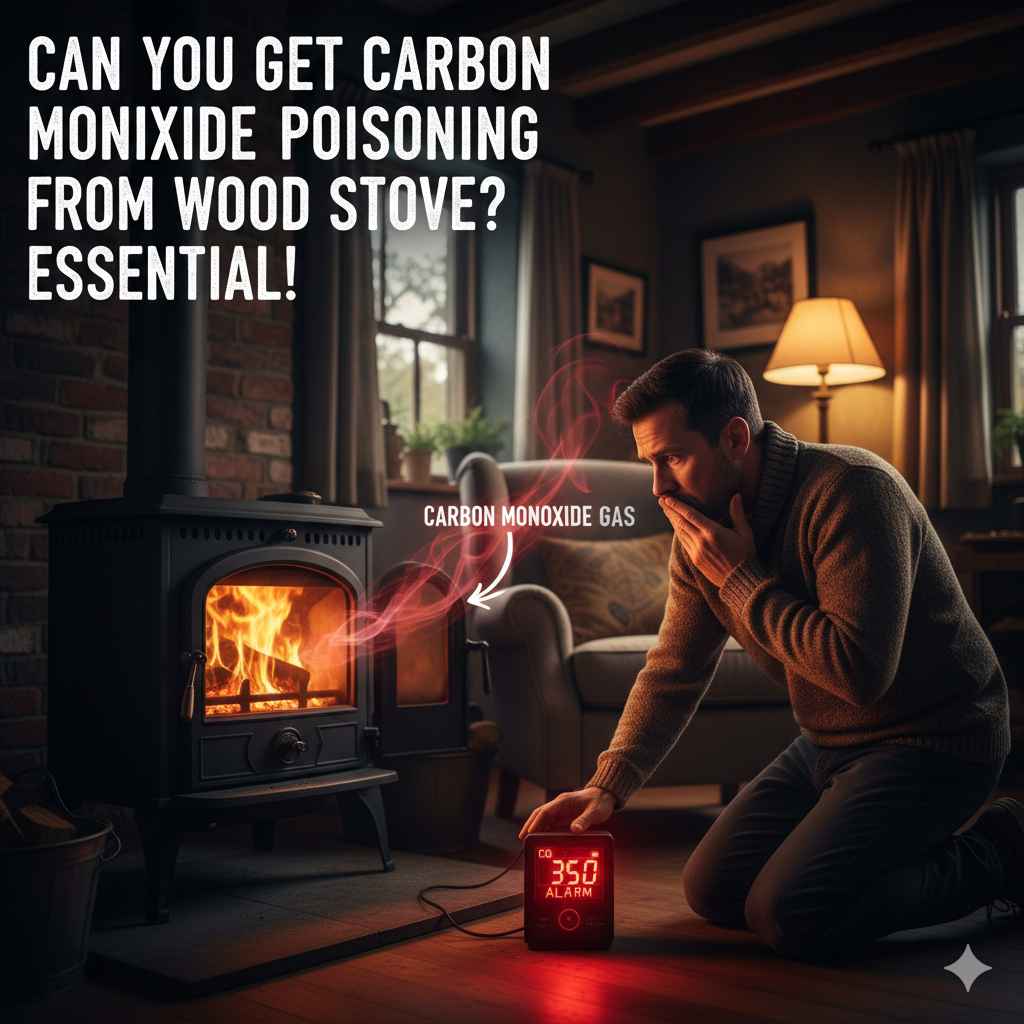
Yes, you absolutely can get carbon monoxide poisoning from a wood stove if it is not installed, maintained, or used correctly. Carbon monoxide (CO) is an invisible, odorless gas produced during incomplete burning. Proper ventilation, regular inspections, and safe usage are essential to keep this dangerous situation from happening in your home.
Welcome! If you rely on a wood stove for heat, you already know how cozy and efficient they can be. But there’s one invisible worry that keeps even seasoned homeowners up at night: carbon monoxide. It’s a scary thought, but knowing the facts makes all the difference. Many homeowners struggle with understanding why smoke might back up or how to keep their stove running safely year after year. Don’t worry! We’re going to walk through this step-by-step, using simple language. You’ve got this, and together we’ll make sure your home stays warm and safe.
The short, direct answer is a resounding yes. Wood-burning stoves are fantastic sources of heat, but they burn fuel. Any time fuel burns—whether it’s wood, gas, or oil—it produces byproducts. Under perfect conditions, these byproducts are mostly harmless exhaust vented safely outside through the chimney or flue. However, when something goes wrong—a blockage, a leak, or poor airflow—those dangerous gases can enter your living space.
The culprit we fear most is Carbon Monoxide (CO). It’s often called the “silent killer” because you cannot smell it, see it, or taste it. Your body mistakes it for oxygen, quickly displacing the oxygen in your blood, which can lead to severe illness or even death. For DIY homeowners, understanding how CO relates to your wood stove is the first step toward total home safety.
What is Carbon Monoxide and Why Do Wood Stoves Produce It?
Think of carbon monoxide as a ghost byproduct of burning wood. When wood burns, it needs plenty of fresh air (oxygen) to burn completely. When it burns completely (complete combustion), you get heat, water vapor, and mostly carbon dioxide (CO2)—which isn’t great to breathe in excess, but not instantly deadly like CO.
But what happens when the fire is starving for air or the temperature isn’t hot enough? That’s when incomplete combustion happens. This process yields high amounts of Carbon Monoxide (CO). This incomplete burning is the primary way your wood stove can generate the poison.
The Science in Simple Terms: Complete vs. Incomplete Burn
We can simplify this into two basic scenarios:
- Complete Burn (Good): Plenty of air, hot fire, minimal CO produced, maximum heat extracted.
- Incomplete Burn (Bad): Not enough air, a smoldering or “lazy” fire, high amounts of deadly CO produced.
Your job as the homeowner is to ensure the fire burns as completely as possible. This usually comes down to airflow management and system maintenance.
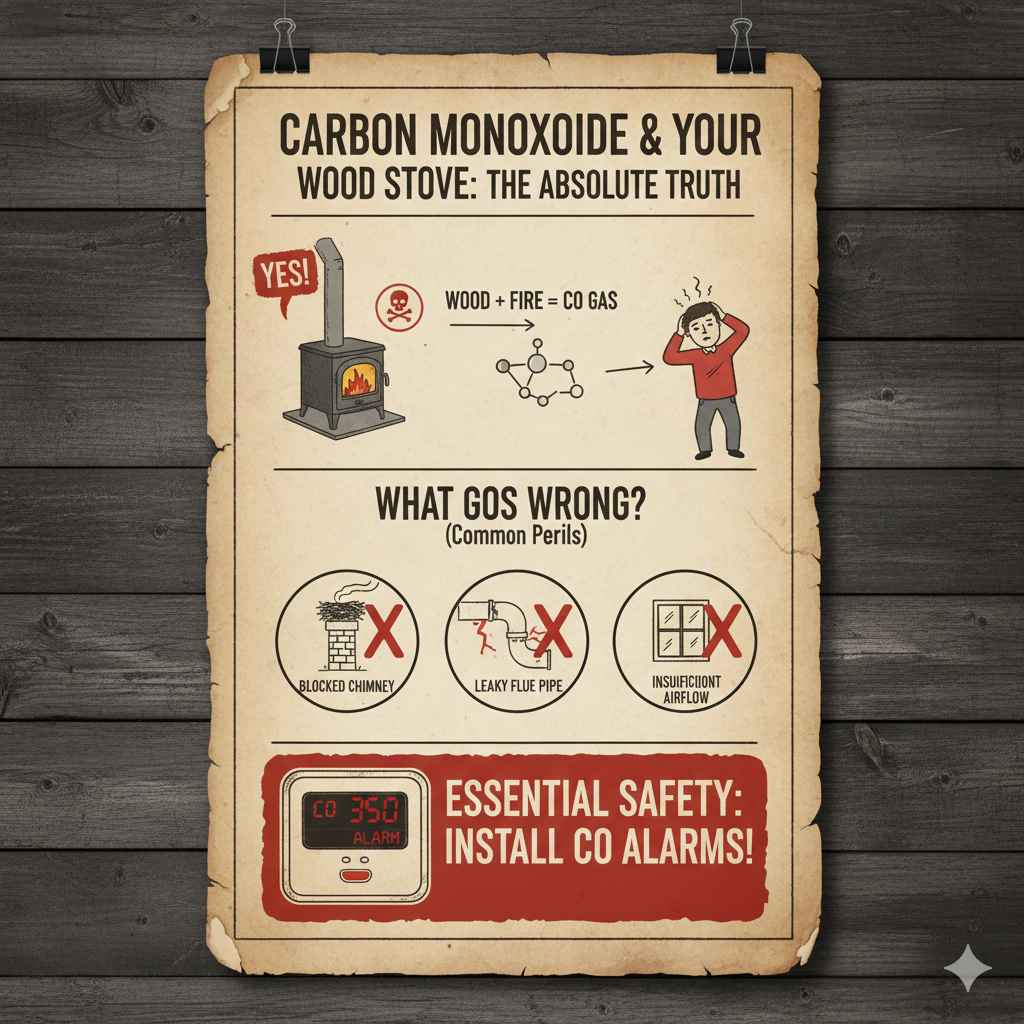
The Top 5 Ways Carbon Monoxide Gets Into Your Home from a Wood Stove
Understanding the pathways is crucial for prevention. A properly installed and maintained stove should never leak CO. If you smell smoke or suspect trouble, these five areas are usually where the problem originates. We’ll dive into fixes for these later, but for now, recognize the risks.
- Chimney Blockages: Creosote buildup (a tar-like substance from smoke) or nesting animals can stop the smoke from rising properly, forcing it back down into the room (known as “spillage”).
- Improper Venting/Draft Issues: If the chimney is too cold, too short, or if interior air pressure is fighting the exhaust, the stove won’t “draw” smoke up correctly.
- Damaged or Cracked Stove Body/Flue Pipe: Rust, wear, or a poorly sealed joint in the stove itself or the connecting pipes allows CO to seep directly into the room when the stove is running.
- Backdrafting from Appliances: If you use high-powered kitchen fans or clothes dryers, they can pull air out of your house, creating negative pressure that sucks air (and smoke) down the chimney.
- Closed or Unopened Damper: This is the simplest, but most common mistake. If you start a fire with the damper closed (to save wood), the CO has nowhere to go but into the room.
If you are noticing any of these signs, it’s time for a careful inspection. Remember, safety first—if you smell anything odd, get everyone outside immediately!
Recognizing the Danger: Symptoms of Carbon Monoxide Poisoning
Since CO is invisible, you must rely on recognizing its physical effects on people and pets. Early symptoms are often mistaken for the flu or a simple headache, which is why CO poisoning is so dangerous when you are sleeping.
Mild Exposure Symptoms (Often mistaken for minor illness)
- Slight headache or mild pressure in the head.
- Nausea or mild dizziness.
- General tiredness or feeling “off.”
Moderate to Severe Exposure Symptoms (Immediate medical attention required)
- Severe, throbbing headache.
- Confusion, disorientation, or difficulty concentrating.
- Vomiting and severe drowsiness.
- Chest pain (especially if you have heart issues).
- Loss of consciousness or convulsions.
If multiple people in the house feel sick at the same time, especially when the stove is running, and feel better after going outside, assume CO poisoning and seek help immediately. According to the Centers for Disease Control and Prevention (CDC), proper ventilation and CO detection are the cornerstones of prevention.
Essential Safety Gear: Your First Line of Defense Against CO
Before we talk about maintaining your stove, let’s talk about mandatory safety equipment. This gear is non-negotiable for any home using combustion appliances.
The Carbon Monoxide Detector: Your Best Friend
You must have working CO detectors. Think of them like smoke alarms, but for an entirely different threat. Install them near sleeping areas and on every level of your home.
Here is a quick guide to placement and maintenance:
| Action | Frequency | Why It Matters |
|---|---|---|
| Test the alarm buttons | Monthly | Ensures the battery and electronics are functioning correctly. |
| Replace the entire unit | Every 5–7 years | The sensors degrade over time, even if the unit chirps regularly. Check the manufacturer’s date. |
| Ensure alarms are near bedrooms | Always | CO poisoning often strikes when people are asleep and unaware. |
When buying a detector, look for models certified by recognized testing organizations (like UL). Never rely on a single alarm; use several throughout the house.
Step-by-Step Guide: Preventing CO Leaks Through Proper Wood Stove Use
As your woodworking and home guide, I want to empower you to use your stove confidently. Most CO issues stem from user error or deferred maintenance. Follow these steps to maximize safety and efficiency.
Step 1: Mastering the Start-Up Procedure (The Damper Check)
The damper controls the airflow. When you first light a fire, the chimney is cold and resists the smoke trying to go up. If the damper is closed, the smoke has nowhere to go but into your room.
- Open Wide: Fully open the primary air control and the chimney damper completely before lighting the kindling. This helps establish a strong, hot draft immediately.
- Establish the Draft: Let the kindling burn strongly for about 15–20 minutes. You should see a steady, brisk flow of smoke moving straight up the chimney (you can often see this by holding a lit match near the stove opening—the flame should be pulled inward).
- Slowly Close Down: Once the fire is established and burning well, you can slowly begin closing the damper and air intakes to maintain a steady, hot coal bed. Never choke the fire completely.
Step 2: Fuel Quality Matters for Complete Combustion
What you burn directly impacts how cleanly it burns. Using wet or unseasoned wood is a leading cause of excessive smoke, creosote, and potential CO issues.
- Use Seasoned Wood: Wood should be dried (seasoned) until it has less than 20% moisture content. Wet wood smolders, smokes heavily, and deposits creosote faster.
- Avoid Trash: Never burn painted wood, treated lumber, plastics, or glossy cardboard. These release toxic chemicals far worse than standard wood smoke.
- Feed Consistently: Avoid letting the fire burn down to faint embers before reloading. Adding a good split of seasoned wood onto hot coals ensures rapid reignition and a hotter burn cycle.
Step 3: Maintaining Perfect Airflow and Draft
A good draft means the air pressure inside your house is lower than the air pressure outside at the top of the chimney. This pressure difference pulls exhaust out.
What can kill your draft?
- Powerful exhaust fans (kitchen, bathroom).
- A large, modern, very airtight house that lacks a dedicated makeup air source.
- A chimney that is too short compared to nearby rooflines.
DIY Fix for Negative Pressure: If you run a powerful fan, slightly crack open a window on the windward side of the house. This gives the appliance air to draw from outside instead of pulling air (and smoke) back down the chimney.
Step 4: Regular Inspection and Cleaning (Creosote Control)
Creosote is the sticky, flammable residue that coats the inside of your flue pipe and chimney liner. It reduces the space available for exhaust gases and, when thick enough, can catch fire (a chimney fire).
You should have your chimney inspected and cleaned by a certified professional (like those certified by the Chimney Safety Institute of America – CSIA) at least once a year, especially if you use the stove heavily.
DIY Creosote Check:
- When the stove is completely cold (wait 24 hours after the last use), look up into the flue pipe connection point.
- If you see a black, flaky, or tar-like substance thicker than a credit card, schedule a professional cleaning immediately.
Troubleshooting: What To Do If You Smell Smoke or See Spillage
If smoke is puffing into the room instead of going up the chimney, you have a combustion issue that needs immediate attention to prevent CO buildup.
Action Plan for Smoke Spillage
- Open Air Supply: Immediately open the primary air inlet and the damper fully. Give the fire maximum fresh air.
- Check for Blockages: If the spillage continues, the draft might be weak. Quickly check the chimney cap outside (if accessible and safe) for leaves or bird nests.
- Ventilate: Open a nearby window slightly to equalize pressure temporarily.
- Monitor CO Alarms: If your CO alarm sounds, evacuate the house immediately and call emergency services from a safe location.
Remember, smoke is visible, and CO is not. Even if you don’t see smoke but feel symptoms, treat it as a CO emergency.
Advanced Safety Considerations for Modern Homes
If you live in a newer, energy-efficient home, you might have an advantage against heat loss, but this can sometimes create problems for combustion appliances.
Understanding the Tight Envelope
Modern homes are built to be incredibly tight—they seal very well to save energy. This sealing prevents air leakage, which is great for your heating bill but bad for combustion appliances that need constant fresh air supply.
If your wood stove is pulling air from inside your house (for the fire) and a powerful exhaust fan is simultaneously pulling air out, your house develops negative pressure. This makes it very hard for the chimney to draw smoke up, causing backdrafting—dumping CO right into your living room.
The Importance of Professional Installation
A huge percentage of CO incidents related to wood stoves come from incorrect installation. When purchasing a new stove or installing a liner, always follow the manufacturer’s instructions to the letter, and hire certified professionals where required.
Key installation checks often overlooked by DIYers include:
- Correct clearance distances from combustible materials (walls, ceilings).
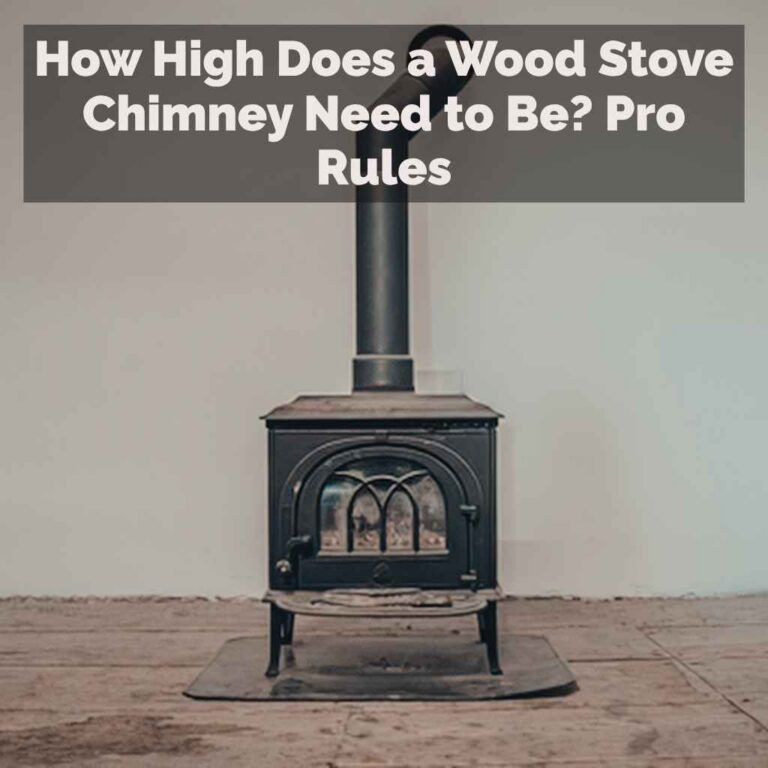
- Using the correct chimney height relative to the roof pitch (this is crucial for achieving proper draw).
- Proper sealing and support of the chimney system.
If you are using a manufactured chimney system, always verify that all parts are rated for the specific stove you are using. You can find detailed code requirements for chimney installation through resources like the National Fire Protection Association (NFPA).
Wood Stove vs. Other Fuel Sources: Comparing CO Risks
It’s helpful to put the risk into perspective. While wood stoves pose a significant risk if neglected, modern fuel sources also carry their own dangers.
| Appliance | Primary CO Risk Factor | Key Prevention Method |
|---|---|---|
| Wood Stove | Creosote buildup, poor draft, user error in damper use. | Annual professional sweeping and CO detectors. |
| Gas Furnace | Cracked heat exchanger, blocked flue ventilation. | Annual professional inspection and service (HVAC tech). |
| Gas Water Heater | Pilot light issues, lack of combustion air. | Ensure adequate ventilation and keep the area clear of clutter. |
The main difference is that a wood stove’s performance is often tied directly to immediate user actions (opening the damper, stoking the fire), whereas gas appliances rely more on mechanical failure.
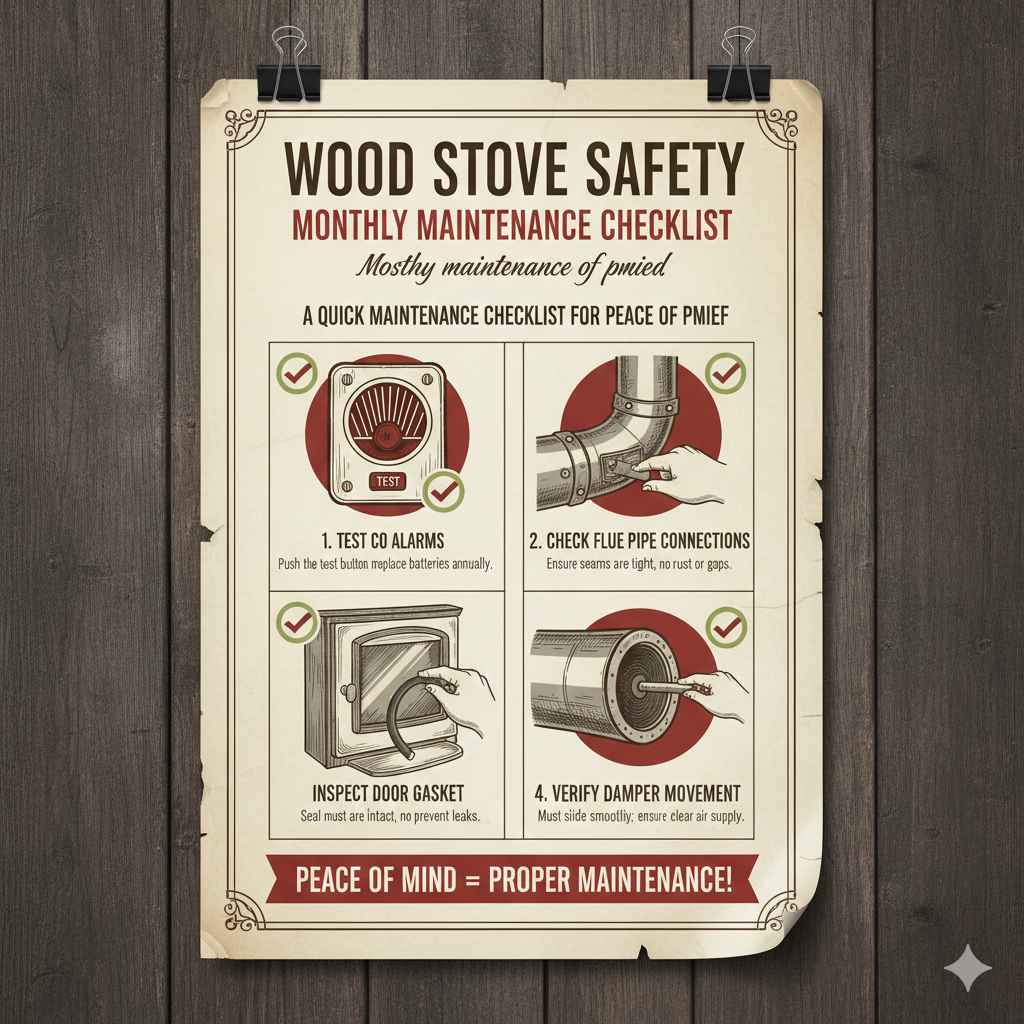
A Quick Maintenance Checklist for Peace of Mind
Making safety a routine part of your heating season will drastically reduce your risk. Grab a notepad and run through this checklist once a month while the stove is in use.
- Test CO Alarms: Push the test button on all detectors.
- Check Flue Pipe Connections: With the stove cold, ensure all visible seams in the stove pipe are tight and not rusted through.
- Inspect Glass (If Applicable): Make sure the gasket around the glass door is intact. A bad gasket lets in too much air or leaks smoke when the stove cools.
- Verify Damper Movement: Test that the damper slides smoothly open and closed. A rusty or stuck damper is dangerous.
- Ensure Air Supply: Make sure the area around the stove base is clear, and if you use strong exhaust fans, crack a window nearby.
Frequently Asked Questions (FAQ) for Wood Stove Safety
Q1: Can I get CO poisoning from my wood stove if it’s not even running?
A: Generally, no, not directly from the fire itself. However, if the chimney is damaged or there’s a severe breach allowing exhaust from a neighboring appliance (like a furnace) to enter your flue, or if animals build a nest that collapses, smoke could potentially enter when the stove is cold. The primary danger is when the stove is actively burning.
Q2: If I smell smoke, is it automatically Carbon Monoxide?
A: No. Smoke means combustion gases (including some CO) are leaking. Smoke is visible and usually contains soot, particulate matter, and a strong odor. If you smell smoke, you need to find the leak source immediately, but CO poisoning can occur silently without you smelling anything.
Q3: How long does it take for symptoms to appear if the stove is leaking CO?
A: It depends entirely on the concentration of CO. In a high-concentration leak, symptoms like dizziness and headache can appear within minutes. If the leak is very slow, it might build up over several hours, leading to confusion or severe sleepiness first.
Q4: Should I use a stovepipe thermometer to monitor for CO?
A: A stovepipe thermometer helps you monitor the heat output to prevent creosote buildup (too cool) or stove damage (too hot). It is an excellent tool for efficiency and fire safety, but it does not detect Carbon Monoxide gas itself. You still need dedicated CO detectors.
Q5: My stove is new. Do I still need annual chimney inspections?
A: Yes, absolutely. Even new installations can settle, and the first season of use often reveals minor issues. Furthermore, if you burn even slightly “green” wood for the first year, creosote can start forming immediately. Annual inspection ensures the installation remains sound.
Q6: What should I do if my CO alarm goes off in the middle of the night?
A: Do not panic, but act quickly. Get everyone awake and immediately leave the house. Once outside and safe, call 911 or the fire department from your cell phone. Do not re-enter the house until fire officials have declared it safe.
Conclusion: Keeping the Warmth Without the Worry
Owning a wood stove is a rewarding choice, connecting you to a wonderful, ancient method of heating your home. As we’ve covered, the potential for carbon monoxide poisoning from a wood stove is very real, but it is almost entirely preventable. This danger isn’t rooted in the stove itself, but in what happens when systems fail, air isn’t managed correctly, or maintenance is skipped.
For you, the dedicated DIY homeowner, prevention boils down to three key practices: Install multiple, modern CO detectors; commit to an annual professional chimney sweep; and learn to run your fire hot and consistently with well-seasoned wood. By being diligent with these simple, routine tasks, you ensure that the only things entering your cozy space are warmth and the comforting crackle of burning wood—never the silent threat of carbon monoxide. You have the knowledge now; keep up the great work keeping your home safe and sound!