Can You Paint Furniture With Spray Paint? Yes, Do It Right
Yes—paint furniture with spray paint when you want a thin, even coat on wood, metal, laminate, or plastic, but pick a primer and paint made for that surface, and build coverage with multiple light coats instead of one heavy pass. Skip prep and the finish chips, peels, or stays tacky, costing you time and leaving the piece worse than before. This guide shows how to choose the right spray-paint system, prep each material, prime, spray, cure, and topcoat for daily use.
What you’ll need before you start


- Spray paint matched to the furniture: enamel for hardness, acrylic for faster dry time, lacquer for quick dry and a harder-looking finish, or chalk paint for a matte look
- Bonding primer in spray-can or sprayer-compatible form
- 180-grit sandpaper for prep
- Shop vac with a brush attachment
- Tack cloth or microfiber cloth
- Drop cloths or plastic sheeting
- Painter’s tape and masking paper or plastic
- Degreaser or mild cleaner
- Gloves, goggles, and a mask or respirator
- Clear coat/topcoat for high-traffic furniture or tabletops
📊 Ideal spray-paint temperature range is 50°F to 90°F. Source: Realhomes.
Can you paint furniture with spray paint?
Yes, if the furniture is sound, clean, and matched to the right spray-paint system. I use spray paint on furniture, glass, and decorative pieces all the time, but the finish choice matters: enamel is hard-drying and durable, acrylic dries fast, lacquer dries quickly, and chalk paint gives a matte, vintage look.
When spray paint is the right choice
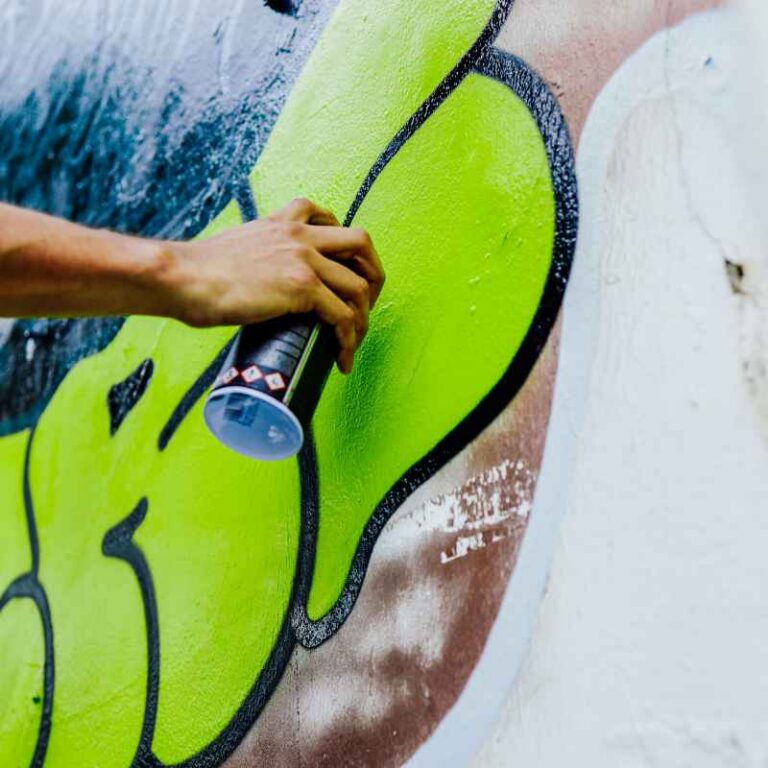
Use it for pieces with lots of profiles, spindles, slats, or tight corners where a brush leaves marks. It also makes sense when you want a smoother look than brush-on paint without setting up a sprayer.
When to choose a different coating
Skip spray paint on structurally damaged furniture, loose veneered panels, or high-wear tabletops that need a tougher film than a simple repaint can provide. If the piece flexes, peels at the edges, or has rust that has gone through the metal, repair first or choose another refinishing method.
What kind of spray paint is best for furniture?
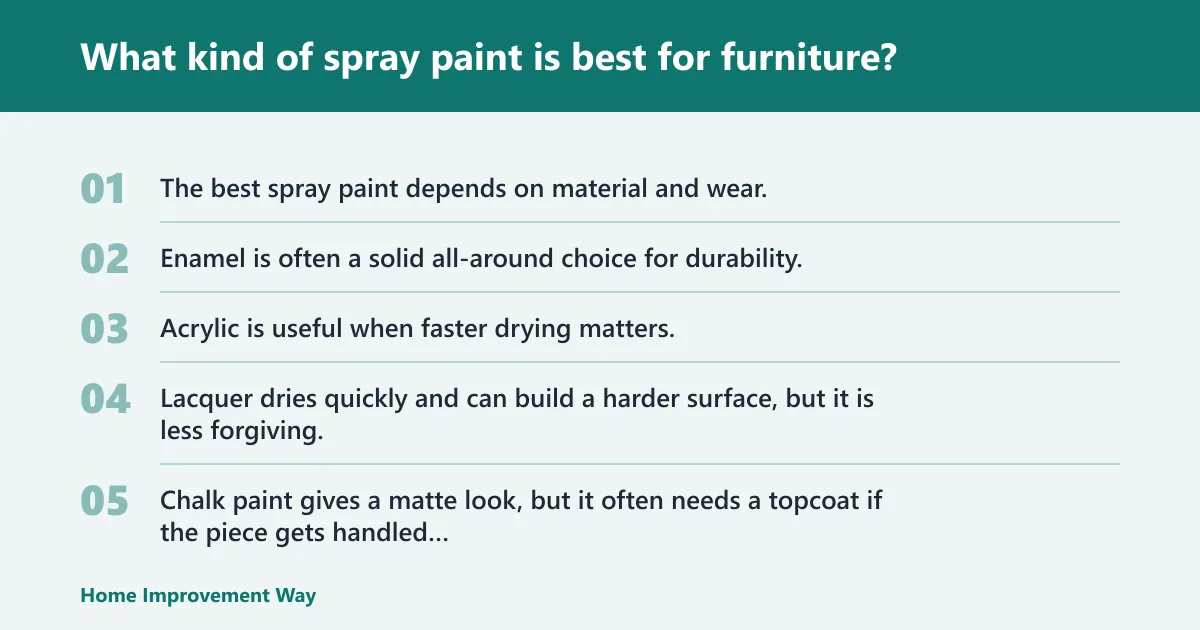
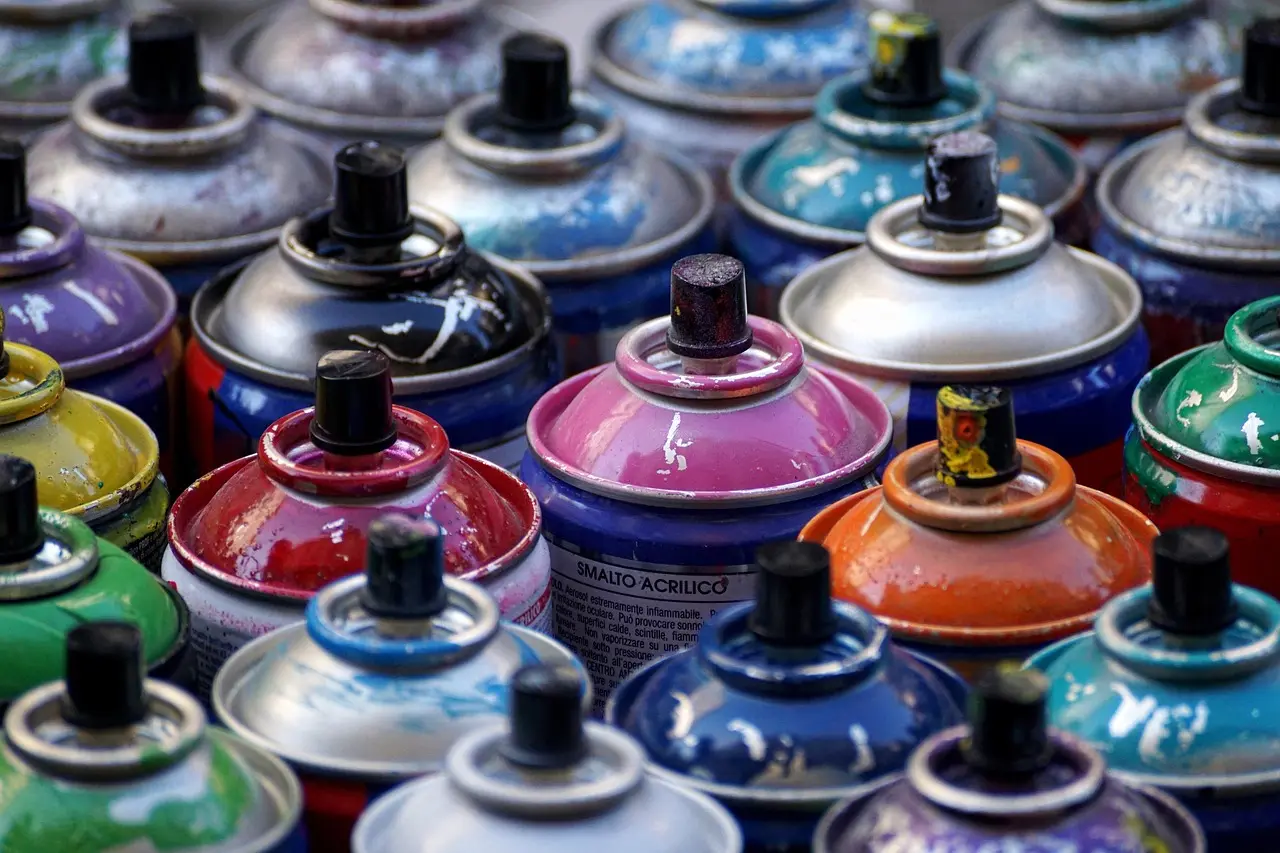
The best spray paint depends on material and wear. Enamel is often a solid all-around choice for durability. Acrylic is useful when faster drying matters. Lacquer dries quickly and can build a harder surface, but it is less forgiving. Chalk paint gives a matte look, but it often needs a topcoat if the piece gets handled often.
Wood furniture
For wood, enamel or acrylic over a bonding primer is the most practical route. Dark stain, knotty pine, and older varnish can bleed or telegraph through thin paint films, so primer matters more here than on plain painted trim.
Metal furniture
For metal, choose a corrosion-resistant system and remove loose rust first. A hard-drying enamel finish usually holds up better than a soft decorative coating when the piece sees regular use.
Plastic and laminate
Plastic and laminate need adhesion help. A bonding primer is the difference between a finish that sticks and one that scratches off with a fingernail. These surfaces usually need less sanding for tooth, but they need more attention to primer compatibility.
How do you prep furniture for spray paint?
Prep starts with sand, vacuum, tack. Light sanding removes loose finish and gives the coating something to bite into, vacuuming removes dust, and a tack cloth or microfiber wipe clears what the vacuum leaves behind. That sequence cuts rough texture and early peeling.
Repairs, hardware removal, and masking
- Remove knobs, pulls, shelves, and loose hardware.
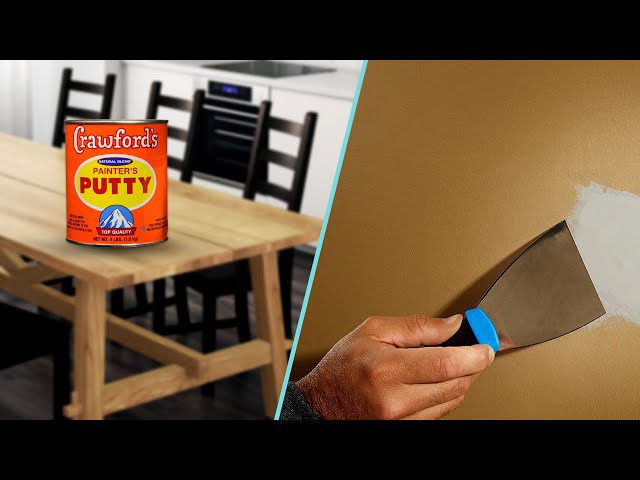
- Fill dents, loose joints, and chipped edges before painting.
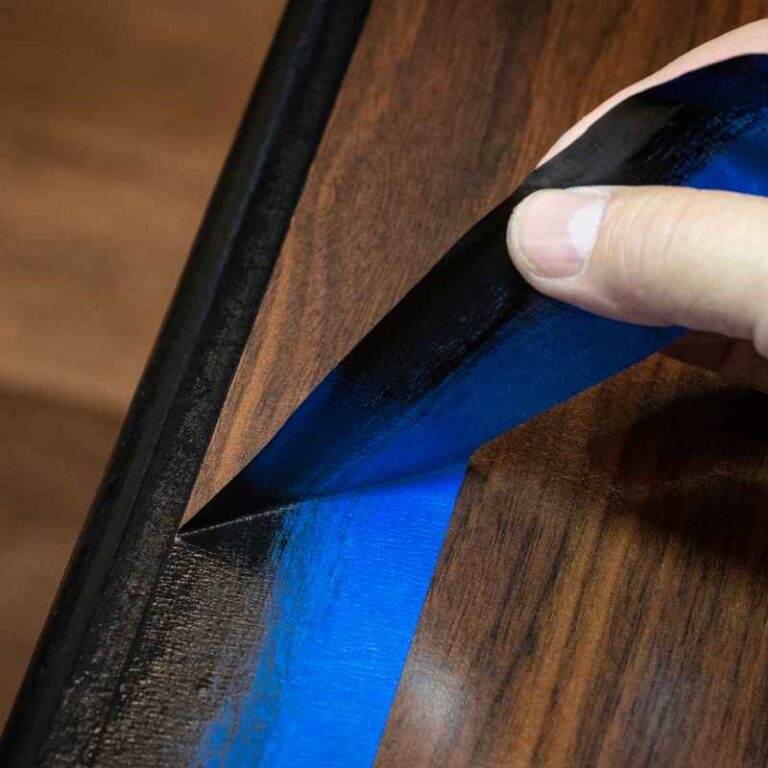
- Mask every area that should not receive overspray.
- Set the piece on drop cloths or plastic sheeting.
Material-specific prep notes
Wood usually needs sanding on worn or glossy areas. Metal needs rust removal and spot sanding where the coating is failing. Laminate and plastic usually need only scuff sanding and a cleaner, but failed edges and slick factory finishes need bonding primer more than more sanding.
How do you choose the right spray-paint system?

Match the system to the furniture’s surface and how hard it will live. A decorative side table can accept a lighter finish than a dining chair or desk. The more hands-on the piece gets, the more you should favor enamel, primer, and a clear coat.
Wood furniture: finish and primer choices
Use bonding primer on dark finishes, stain-prone wood, or any wood with tannin bleed risk. Then apply enamel for durability or acrylic when drying time matters more than extra hardness.
Metal furniture: rust control and finish choice
Use a rust-inhibiting primer where metal is bare or pitted. Follow with enamel for stronger wear resistance. If the metal sits outdoors or in damp rooms, coverage at edges and joints matters more than a perfect-looking first pass.
Plastic and laminate: adhesion risks and primer choice
Use a primer labeled for slick surfaces or a bonding primer. Plastic and laminate fail most often at corners, chair arms, and edges where hands rub. If the piece gets handled daily, plan on a clear coat too.
The spray-paint steps that give the best finish
- Set the piece in a ventilated area with windows open, then cover nearby surfaces.
- Check conditions: aim for 50°F to 90°F, humidity below 85%, no direct sunlight, and no strong wind.
- Shake the can, test on scrap, and hold it 6 to 12 inches from the surface.
- Spray in sweeping motions past the edges instead of stopping on the face.
- Build coverage with thin light coats instead of one heavy pass.
- Wait between coats, then let the piece cure before heavy use.
The distance matters. Real Homes says to hold the can about 12 inches away, while Architectural Digest says 6 to 10 inches away; the practical target is the middle of that range, adjusted by the paint fan and the piece shape. Too close creates drips. Too far creates dry spray and roughness.
Should you use a clear coat?
Use a clear coat on high-traffic furniture, like tables, desks, stools, and chair arms. A dining room table may need a clear coat after painting, because spray paint alone usually needs help resisting abrasion, heat rings, and repeated wiping.
When a topcoat helps
Choose a topcoat when the piece gets daily contact, when the finish is chalk paint, or when the base color is light and the surface will be cleaned often. A clear coat also helps on tabletop edges and drawer fronts.
When it changes the look too much
Some clear coats shift the sheen. Matte can become satin, and satin can move toward gloss. Test the topcoat on the back of a leg or underside before committing to the whole piece.
Decision checklist: choose prep, primer, finish, and topcoat
| Material | Usage level | Prep steps | Primer type | Recommended finish | Clear coat required? |
|---|---|---|---|---|---|
| Wood | Decor only | Light sand, vacuum, tack | Bonding primer if stained or dark | Acrylic or chalk for lower wear | No, unless sheen protection is needed |
| Wood | Daily use | Sand worn spots, vacuum, tack | Bonding primer | Enamel | Yes |
| Metal | Daily use | Remove rust, sand, vacuum, tack | Rust-inhibiting primer | Enamel | Usually yes |
| Plastic | Decor only | Scuff sand, clean, tack | Bonding primer | Acrylic | Optional |
| Laminate | High wear | Scuff sand, degrease, vacuum, tack | Bonding primer | Enamel | Yes |
| Wood or laminate | Tabletop or chair arms | Sand thoroughly, vacuum, tack | Bonding primer | Enamel or acrylic | Yes |
Common mistakes to avoid
Orange peel usually means the paint dried before it leveled out. Move closer within the normal spray range, slow the pass slightly, and avoid spraying in hot sun or wind. Drips mean the coat was too wet, so stop and build thinner layers.
Rough texture can come from skipping the tack wipe or painting in dusty air. Flashing shows up when some areas absorb differently than others; that usually means the surface was not sealed evenly or the primer choice was wrong for the material.
If the finish keeps failing, the next fix is material correction, not another coat. Sand back the bad layer, clean it, use the correct primer, then respray with lighter passes.
Prevention
Keep a small test board nearby and spray it first whenever you change paint, primer, or weather conditions.
Frequently asked questions
Can you paint furniture with spray paint?
Yes. Use it on wood, metal, laminate, or plastic when the surface is sound and the coating system matches the material. Light coats, proper primer, and a full cure matter more than the brand name on the can.
What kind of spray paint is best for furniture?
Enamel is the safest choice for durability. Acrylic works well when faster dry time matters. Lacquer dries quickly and can feel harder, while chalk paint gives a matte, vintage look that usually benefits from a topcoat.
Do I need to sand furniture before spray painting it?
Usually yes. Use 180-grit sandpaper on glossy or failing areas, then vacuum and tack wipe. On slick laminate or plastic, a light scuff is often enough, but skipping sanding on worn wood or rusted metal invites peeling.
Do I need primer before spray painting furniture?
Most of the time, yes. Bonding primer helps on dark finishes, stain-prone wood, laminate, and plastic. On bare metal, use a rust-inhibiting primer. Primer is the step that makes the paint stick instead of sitting on the surface.
How far away should you spray paint furniture?
Hold the can 6 to 12 inches away and test on scrap first. Stay in motion, sweep beyond each edge, and overlap passes slightly. Too close makes runs; too far makes dry spray and a gritty finish.
How long does spray-painted furniture need to dry?
Let each coat dry before recoating, then allow full cure before heavy use. Dry to the touch is not the same as ready for chairs, books, or plates. A dining table especially should not go back into service early.
Sponsored / affiliate links. As an Amazon Associate I earn from qualifying purchases. I may earn additional commission from eligible campaigns.