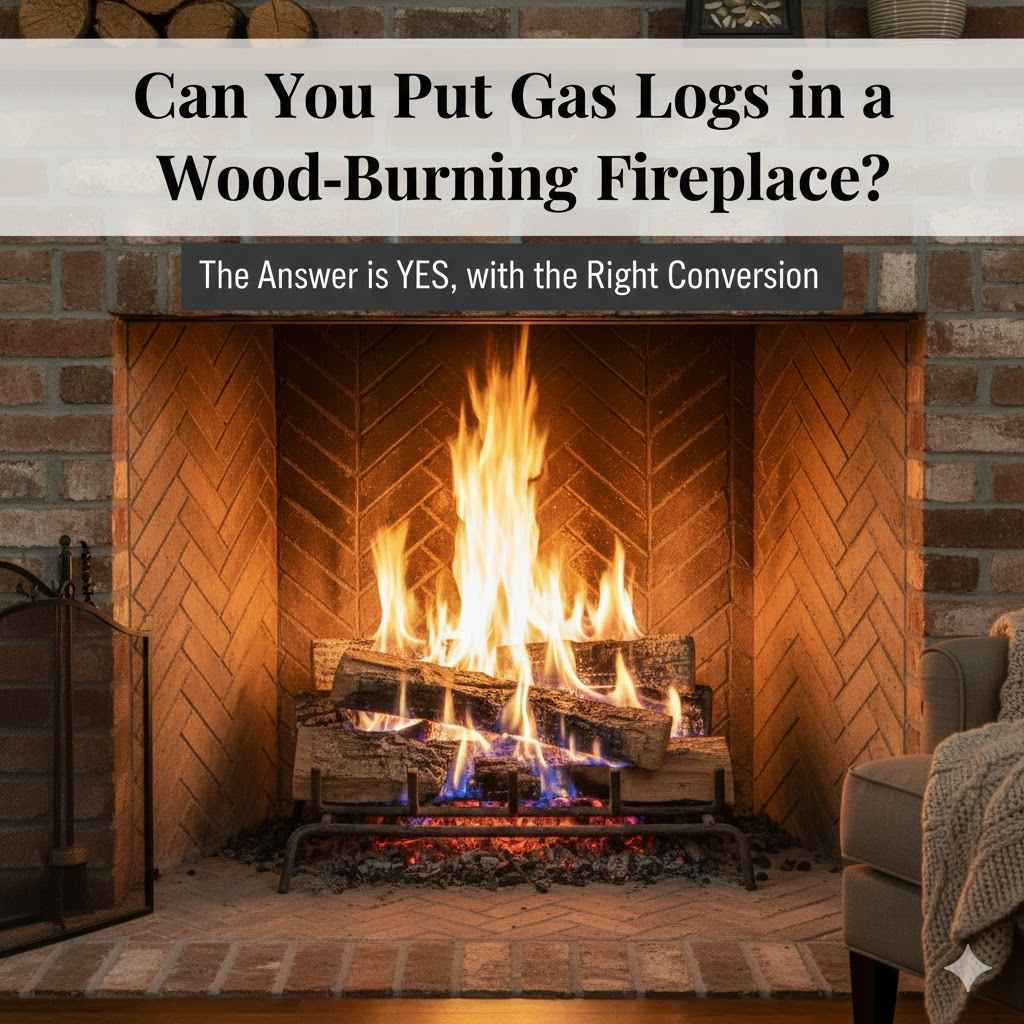
Can You Put Gas Logs in a Wood-Burning Fireplace
Many homeowners love the cozy feel of a fireplace but find tending a real wood fire a bit of a chore. This leads to a very common question: Can You Put Gas Logs in a Wood-Burning Fireplace? It might seem tricky at first, especially if you’re new to home upgrades. Don’t worry, though!
We’ll walk you through everything you need to know in a simple, step-by-step way. Get ready to transform your hearth into a convenient and beautiful focal point.
Is It Okay To Put Gas Logs in a Wood-Burning Fireplace
This section explores the fundamental question of compatibility between gas logs and existing wood-burning fireplaces. It lays the groundwork for understanding why this conversion is a popular choice for many homeowners seeking convenience and a different ambiance. We will discuss the basic principles that make this transition possible and what initial considerations are important for homeowners.
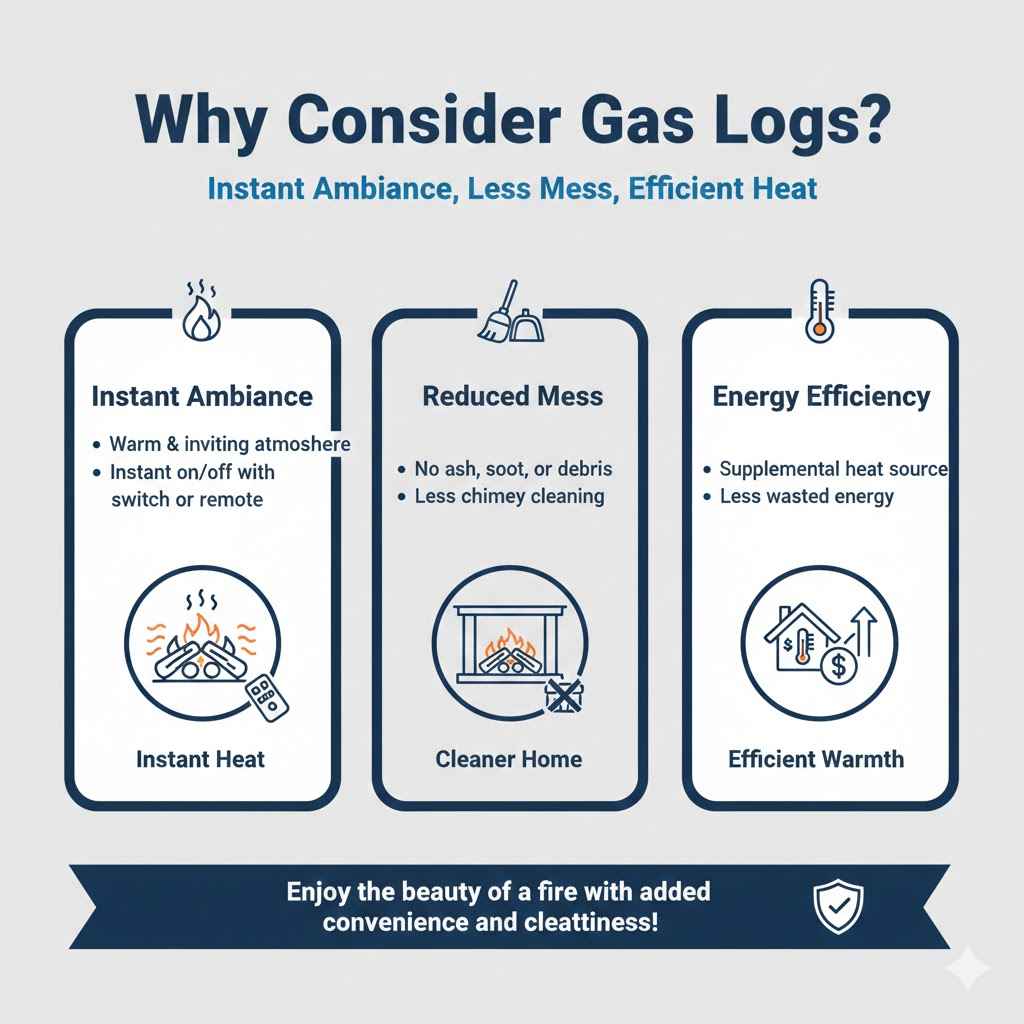
Why Consider Gas Logs
Gas logs offer a compelling alternative to traditional wood fires. They provide instant heat and a beautiful flame with the flip of a switch or a remote control. This convenience is a major draw for people who want the look and feel of a fi
The ease of use is a primary benefit. Imagine coming home on a chilly evening and having a warm, inviting fire going in minutes. There’s no need to worry about sparks, embers, or the safety concerns associated with unattended wood fires.
Gas logs also burn cleanly, meaning less soot and creosote buildup in your chimney, which can lead to fewer chimney cleanings.
Instant Ambiance
Gas logs create a warm and inviting atmosphere almost immediately. You can turn them on and off whenever you like, providing a beautiful visual element to your living space without the preparation time associated with wood fires.
Reduced Mess
One of the biggest advantages is the lack of ash, soot, and debris. This means less cleaning for you and a generally tidier living environment. The consistent flame also helps keep your home cleaner.
Energy Efficiency
While not a primary heating source for most homes, gas logs can provide supplemental heat efficiently. They are designed to produce a good amount of warmth with less wasted energy compared to some wood fires.
Understanding Your Existing Fireplace
Before you can decide if gas logs are right for you, it’s essential to understand your current wood-burning fireplace. These fireplaces are designed to burn wood, which produces smoke that needs to be vented safely up the chimney. Gas logs, while also producing heat and flame, operate differently and require specific considerations for safe installation and use.
The structural integrity of your fi
Firebox Condition
The firebox is the area where the fire actually burns. For wood-burning fi
Inspect the firebrick for any significant cracks, crumbling mortar, or missing pieces. Minor hairline cracks might be acceptable, but larger gaps or deteriorating mortar should be repaired by a professional. A damaged firebox can allow heat and potentially gas to escape into the surrounding structure, which is a fire hazard.
Chimney and Damper
The chimney is responsible for venting exhaust gases. A wood-burning fireplace uses a damper, a metal plate that opens and closes to control airflow and prevent heat loss when the fireplace is not in use. For gas logs, the damper typically needs to be kept open at least partially to allow for proper venting of the combustion byproducts, such as carbon monoxide.
Your chimney should be inspected for any blockages, such as bird nests or debris, and for structural soundness. A professional chimney sweep can assess this for you. They will ensure the flue lining is intact and free from cracks that could allow dangerous gases to leak into your home.
How To Install Gas Logs Safely
Now that we’ve explored the basics, let’s get into the actual process. Installing gas logs into a wood-burning fireplace is achievable for many homeowners, but safety is always the top priority. This section will detail the steps involved, emphasizing proper procedures and necessary precautions to ensure a successful and safe conversion.
We will cover everything from choosing the right logs to the final checks.
Choosing the Right Gas Log Set
Selecting the appropriate gas log set is the first critical step. Gas logs come in various sizes, styles, and fuel types, and compatibility with your existing fireplace is key. You’ll need to measure your fireplace opening to ensure the logs will fit comfortably and safely, allowing for proper ventilation.
There are two main types of gas logs: vented and vent-free. Each has its own set of requirements and benefits, and understanding these differences is crucial for making the right choice for your home and safety. The fuel source, either natural gas or propane, also plays a role in selection.
Vented Gas Logs
Vented gas logs are the most common type and are designed to be used in a fi
The primary advantage of vented logs is their realistic appearance. The flames tend to be more active and lifelike. However, because the chimney is open, they are also less efficient at heating your home as much of the heat produced will escape up the chimney.
This makes them ideal for decorative purposes or for supplemental heat rather than primary heating.
Realistic Flame
Vented logs are engineered to produce larger, more dancing flames that closely resemble a real wood fire. This is achieved by allowing natural airflow, which is essential for the visual appeal and the way the gas burns.
Safety Through Venting
The open chimney ensures that carbon monoxide and other harmful byproducts are safely expelled from your home. This makes them a safe choice for decorative use and when you want the ambiance of a fire.
Chimney Requirements
These logs require a fully functional chimney that is not sealed. The damper must be kept open at least partially to allow for proper ventilation, which means some heat will be lost up the chimney.
Vent-Free Gas Logs
Vent-free gas logs do not require a chimney. They are designed to burn with such high efficiency that they release very few byproducts into the room. This makes them highly efficient for heating because almost all the heat produced stays in your home.
However, they are not suitable for all homes and have specific safety regulations.
Due to their design, vent-free logs are required by most building codes to have an oxygen depletion sensor (ODS) that will shut off the gas if oxygen levels in the room drop too low. They also release small amounts of water vapor and other gases into the room. For this reason, they are generally not recommended for bedrooms or small, poorly ventilated spaces.
Always check your local building codes regarding vent-free appliances.
A common statistic regarding vent-free appliances is that they can add significant humidity to a room. One study found that a vent-free gas heater could add over a gallon of water vapor to the air per day. This can be beneficial in dry climates but could be problematic in already humid environments.
Heating Efficiency
These logs are very efficient for heating because they don’t rely on an open chimney to vent. Almost all the heat generated stays within the room, making them a good option for supplemental warmth.
Installation Simplicity
Since they don’t require a chimney, installation can be simpler and more versatile. They can be installed in fireplaces that may not have a functional chimney or in other approved locations.
Ventilation Concerns
It’s crucial to ensure adequate room ventilation when using vent-free logs. They are designed to release minimal byproducts, but they do add moisture and gases to the air. Always follow manufacturer guidelines for room size and ventilation.
Fuel Source Considerations
Gas logs run on either natural gas or propane. The choice between the two depends on your home’s existing utility connections. Natural gas is supplied through underground pipelines, while propane is stored in a tank on your property.
If your home is already connected to a natural gas line, this is usually the more convenient and cost-effective option. Propane is a good alternative if natural gas is not available. You will need to ensure you have a sufficient propane supply and that the tank is safely located away from your home.
Natural Gas
Natural gas is the most common fuel source for gas logs in areas where it’s available. It’s a clean-burning fossil fuel delivered directly to your home via underground pipes. The cost of natural gas is often lower and more stable than propane.
The installation process for natural gas involves connecting the gas line from your home’s meter to the fireplace. This requires a licensed professional to ensure all connections are secure and meet safety standards. You won’t have to worry about refilling tanks or managing fuel storage.
Propane
Propane, also known as liquefied petroleum gas (LPG), is a portable fuel stored in tanks. If natural gas lines are not accessible to your home, propane is an excellent alternative. You will need to have a propane tank installed and regularly refilled by a local supplier.
The cost of propane can fluctuate more than natural gas, and running out of fuel means your fireplace won’t work. The installation involves running a gas line from the tank to the fireplace, which also requires professional expertise. Proper tank placement and maintenance are essential for safety.
The Installation Process Step-by-Step
This is a general guide, and it’s always best to consult the manufacturer’s instructions and consider hiring a professional installer. Safety is paramount when dealing with gas lines and fire.
Turn Off Gas Supply: Before starting any work, ensure the main gas supply to your home is turned off. If using propane, ensure the tank valve is closed.
This is the absolute first step. Working with gas lines without turning off the supply is extremely dangerous and can lead to leaks, explosions, or fires. Double-check that the supply is completely shut off at the source.
Clean the Fireplace: Remove any ashes, creosote, or debris from the firebox and the damper area. Make sure the firebox is clean and dry.
A clean firebox ensures proper placement of the gas log components and allows for accurate assessment of any existing damage. It also prevents any lingering soot from interfering with the new installation.
Check the Damper: For vented logs, ensure the damper is open at least partially. For vent-free logs, the damper should be permanently sealed or removed according to manufacturer and local code requirements.
The damper’s position is critical for safety and performance. For vented logs, it allows exhaust gases to escape. For vent-free logs, it ensures no unintended drafts interfere with the appliance’s operation or cause heat loss.
Install Gas Line: Connect the gas supply line to the gas valve provided with the log set. This typically involves using pipe sealant and wrenches to ensure a gas-tight connection.
This is a critical step that requires precision. Any leaks in the gas line can be extremely hazardous. It’s strongly recommended that a qualified gas technician or plumber handle this part of the installation.
Place the Logs: Arrange the gas logs according to the manufacturer’s instructions. Proper placement is important for achieving a realistic flame pattern and ensuring the burner ports are not obstructed.
The aesthetic of your gas log fireplace relies heavily on correct log placement. Manufacturers design these sets to create specific flame effects, so following their guide is key to achieving the desired look.
Install Embers and Accessories: Add the included embers, lava rocks, or other decorative elements around the logs to enhance the realistic appearance.
These small details make a big difference in the visual appeal. The embers glow when heated and help to create the illusion of a dying wood fire, adding to the overall ambiance.
Turn On Gas and Test: Slowly turn the gas supply back on and check all connections for leaks using a soapy water solution (bubbles will form if there’s a leak).
A soapy water test is a simple yet effective way to detect even tiny gas leaks. If you see bubbles forming at any connection point, immediately turn off the gas supply and tighten the connection. Do not proceed if leaks are found.
Ignite Logs: Follow the manufacturer’s instructions for igniting the logs. This usually involves turning a control knob and using an igniter.
The ignition process can vary. Some systems have a pilot light, while others use an electronic ignition. Always follow the specific steps provided by the manufacturer to ensure safe and successful ignition.
Check Flame Pattern: Observe the flames to ensure they are burning correctly and have the desired appearance. Adjustments may be needed for optimal performance.
A proper flame pattern indicates that the gas is flowing correctly and the logs are positioned optimally. If the flames seem too high, too low, or uneven, refer back to the installation guide or contact a professional.
Final Inspection: Once you are satisfied, ensure all tools are put away and the area is clean. Enjoy your new gas log fireplace!
The final step is a moment to appreciate your work and the enhanced comfort and beauty of your living space. It’s a good idea to have a carbon monoxide detector installed and functioning nearby as an added safety measure.
Safety Precautions and Maintenance
Installing gas logs is a significant upgrade, and maintaining their safety and functionality over time is just as important as the installation itself. This section covers essential safety tips and routine maintenance practices that homeowners should follow to ensure their gas log fireplace operates safely and efficiently for years to come.
Carbon Monoxide Detection
Carbon monoxide (CO) is a colorless, odorless gas that is a byproduct of incomplete combustion. It can be deadly. Given that you are converting a wood-burning fireplace to gas, it is imperative to have working carbon monoxide detectors in your home, especially on every level.
These detectors are relatively inexpensive and can be purchased at most hardware stores. Test them regularly to ensure they are functioning correctly. If a CO detector ever sounds, evacuate your home immediately and call the fire department.
Never ignore a CO alarm.
Detector Placement
Install CO detectors on each level of your home, outside sleeping areas. They should be placed on a wall or ceiling according to the manufacturer’s instructions, typically away from vents and direct airflow.
Regular Testing
Most CO detectors have a test button. Press it monthly to confirm the alarm is working. Also, check and replace batteries at least once a year or as recommended by the manufacturer.
Immediate Action
If your CO detector sounds, it’s not a drill. Everyone should leave the house immediately. Once outside, call your local fire department or gas company.
Do not re-enter the home until it has been declared safe.
Professional Inspections
Even with careful installation, it’s wise to have your gas log system inspected periodically by a qualified professional. They can check for gas leaks, ensure proper venting, and identify any wear and tear on the components that could lead to problems.
Annual or bi-annual inspections are recommended, especially for vented systems. A professional can also service the gas control valve and burner assembly, ensuring they are functioning optimally. This proactive approach helps prevent issues before they become serious safety concerns.
Annual Check-ups
Schedule an annual inspection of your gas log fi
Ventilation Checks
For vented systems, professionals will verify that the chimney and flue are clear and functioning correctly. They will ensure that all combustion byproducts are being safely vented outside your home.
Component Wear
Over time, parts like igniters, thermocouples, and gas valves can wear out. An inspector can identify these issues and recommend replacements, preventing potential malfunctions or safety hazards.
Cleaning and Upkeep
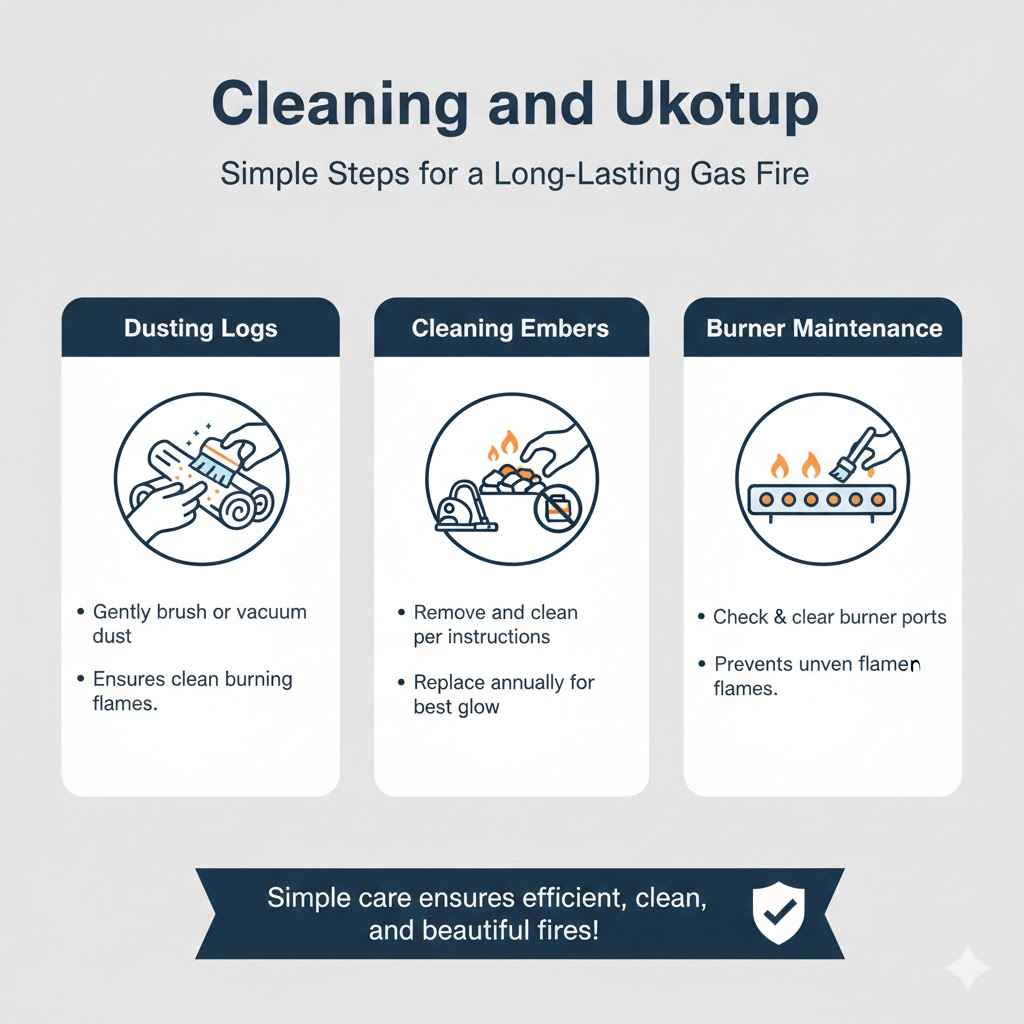
Gas logs require much less cleaning than wood fires, but some upkeep is still necessary. Dust can accumulate on the logs and burner, and it’s important to keep these components clean for efficient operation. Always ensure the gas is turned off and the logs are cool before cleaning.
You can gently dust the logs with a soft brush or a vacuum cleaner with a brush attachment. For any stubborn dirt, you can use a damp cloth, but avoid using abrasive cleaners or getting water into the burner assembly. Some manufacturers recommend cleaning or replacing embers annually to maintain their glow.
Dusting Logs
Gently brush or vacuum dust off the logs. This ensures the flames are not obstructed and can burn cleanly. Pay attention to any crevices where dust might settle.
Cleaning Embers
The ember material can become coated with soot over time, reducing its glow. Carefully remove and clean embers according to manufacturer instructions, or replace them if they are no longer effective.
Burner Maintenance
Ensure the burner ports are clear of debris. A blocked burner port can lead to uneven flames or incomplete combustion, so a quick inspection and gentle cleaning may be needed.
Frequently Asked Questions
Question: Can I use my existing wood-burning fi
Answer: For vented gas logs, the damper must be kept open at least partially to allow for proper venting of combustion byproducts. For vent-free logs, the damper should be permanently sealed or removed according to manufacturer and local code requirements.
Question: What are the main differences between vented and vent-free gas logs
Answer: Vented gas logs require an open chimney and look more realistic, but are less efficient for heating. Vent-free gas logs don’t need a chimney, are highly efficient for heating, but have specific ventilation requirements for the room.
Question: Do gas logs require electricity to operate
Answer: Most basic gas log sets do not require electricity; they run on the gas supply and have manual controls or a remote. However, some advanced models or those with electronic ignition systems may require a small amount of electricity.
Question: How often should my gas log fireplace be inspected
Answer: It is recommended to have your gas log fireplace inspected annually by a qualified professional to ensure it is operating safely and efficiently.
Question: Can I convert my wood-burning fireplace to propane gas logs if I don’t have natural gas
Answer: Yes, if natural gas is not available, you can install propane gas logs. This requires a propane tank and a professional to connect the gas lines safely.
Conclusion
Yes, you absolutely can put gas logs in a wood-burning fireplace. This conversion offers convenience, cleanliness, and a beautiful ambiance. By understanding your fireplace, choosing the right gas log set, and prioritizing safety in installation and maintenance, you can enjoy the charm of a fire with much less hassle.
Your upgraded hearth awaits, providing warmth and style with ease.