Can You Put Metal Roofing Directly on Plywood
Many homeowners wonder, Can You Put Metal Roofing Directly on Plywood? This is a common question for those looking to install metal roofs, and it can seem a bit tricky at first. Figuring out the right way to prepare your roof deck is super important for a long-lasting metal roof. We’ll walk you through this step-by-step, making it easy to understand so you can feel confident about your project.
Let’s get started and find out the best approach for your metal roofing.
Understanding Metal Roofing Installation
This section will break down the basics of putting metal roofing on your home. We’ll look at why preparing the surface is so important and what different types of roof decks are. Understanding these initial steps helps you see why certain methods are recommended over others.
We want to make sure you have a solid foundation for your new roof.
What is a Roof Deck?
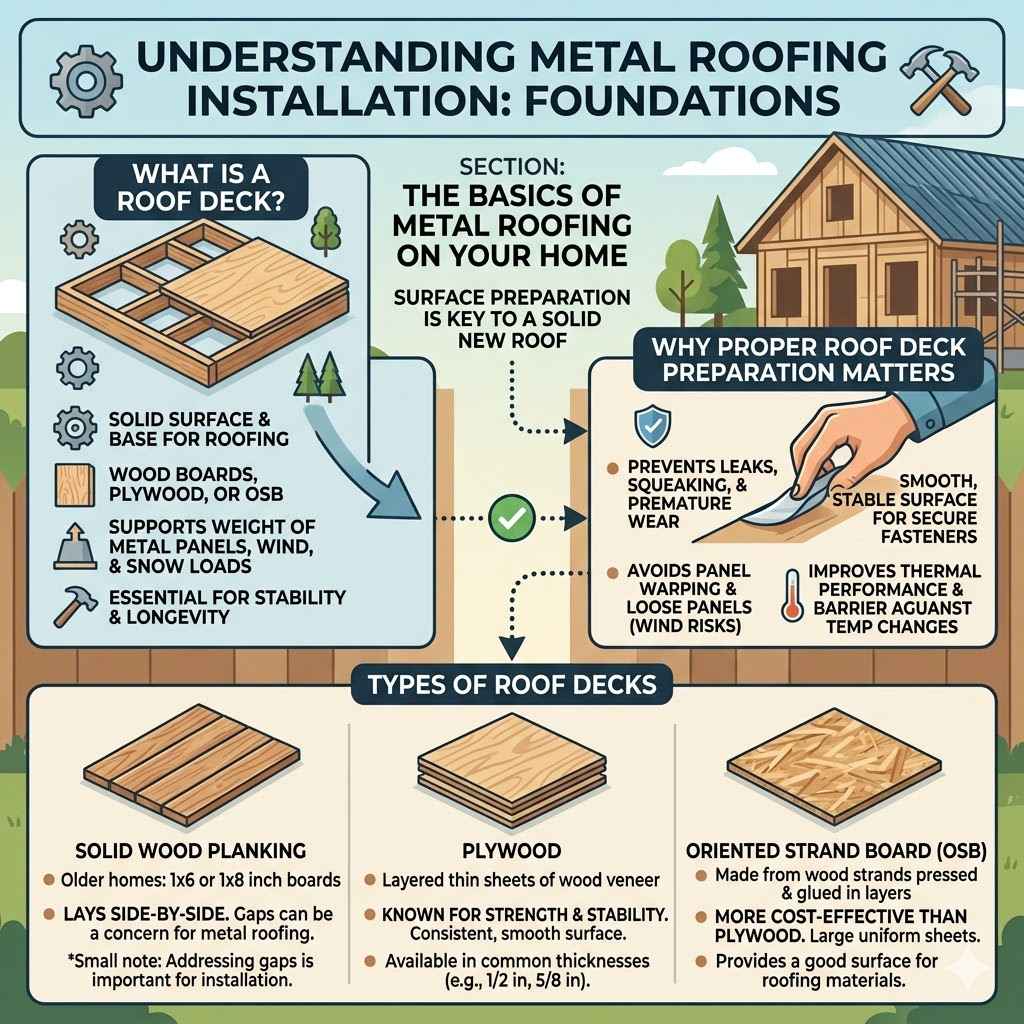
The roof deck is the solid surface that makes up the base of your roof. It’s typically made of wood boards or plywood. This is what the roofing material, like metal panels, will attach to.
A strong and properly installed roof deck is essential for the overall stability and longevity of your entire roofing system. It’s the unsung hero of your roof’s structure.
Think of your roof deck as the floor of your attic space. When you walk on it, it needs to be firm and not flex too much. If the deck is weak or has soft spots, it won’t be able to support the weight of the metal roofing panels or withstand wind and snow loads.
This can lead to problems down the road.
The material used for roof decking has changed over time. Older homes might have plank boards, while newer ones often use plywood or oriented strand board (OSB). Each material has its own characteristics, and knowing what you have can help you plan your metal roof installation better.
Why Proper Roof Deck Preparation Matters
Proper preparation of the roof deck ensures that your metal roofing system performs as it should. It helps prevent issues like leaks, squeaking noises, and premature wear on the roofing material. A well-prepared deck provides a smooth, stable surface for fasteners to grip securely.
This is key to keeping your roof in place for decades.
When metal roofing is installed directly onto an uneven or damaged deck, it can cause the panels to warp. This warping not only looks bad but can also create small gaps where water can get in. Fasteners might not seat properly, leading to loose panels that can be blown off by strong winds.
Good prep work avoids these potential headaches.
A solid roof deck also plays a role in the overall thermal performance of your home. It helps to create an effective barrier against temperature changes. Without a good deck, your insulation might not work as well, leading to higher heating and cooling bills.
It’s about more than just keeping the rain out.
Types of Roof Decks
There are a few common types of roof decks you might find on homes. The most frequent ones are solid wood planking, plywood, and oriented strand board (OSB). Each has its own strengths and weaknesses when it comes to supporting a metal roof.
Understanding these differences is important for installation success.
- Solid Wood Planking This type of decking uses individual wooden boards laid side by side. In older homes, you might see planks that are 1×6 or 1×8 inches wide. They create a solid surface, but the gaps between boards can sometimes be a concern for certain roofing materials. For metal roofing, these gaps usually need to be addressed.
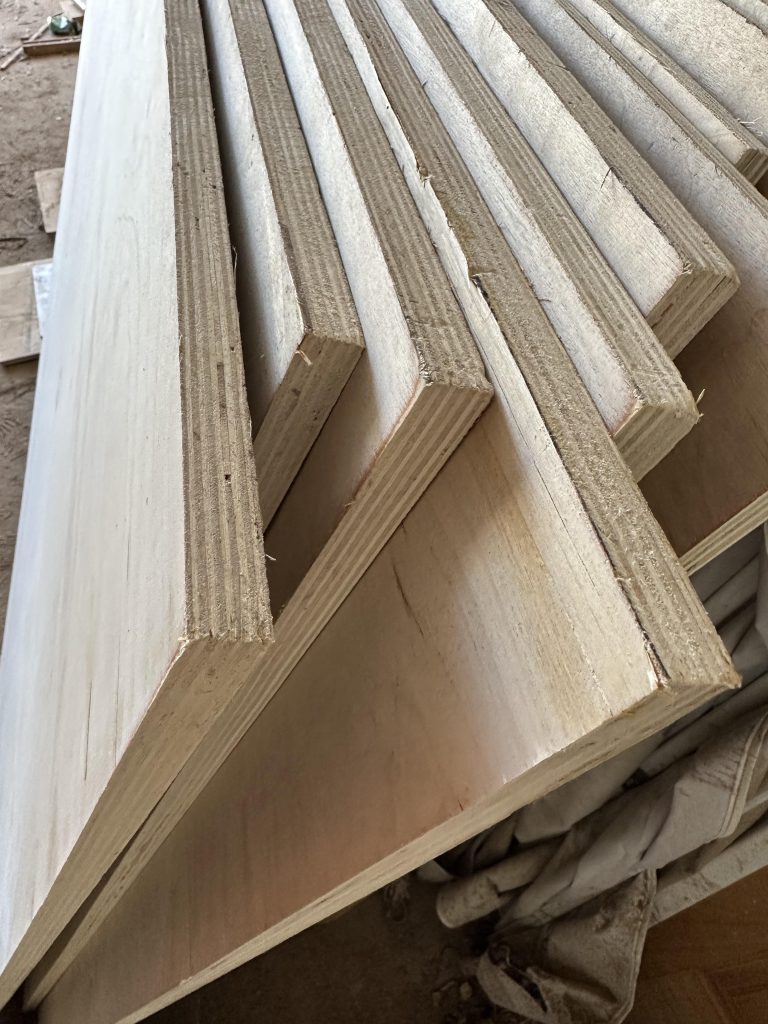
- Plywood Plywood is made by layering thin sheets of wood veneer together. It’s known for its strength and stability. Plywood sheets typically come in 4×8 foot sizes and are available in different thicknesses, often 1/2 inch or 5/8 inch. It provides a very consistent and smooth surface for roofing.
- Oriented Strand Board (OSB) OSB is similar to plywood but is made from wood strands pressed and glued together in layers. It’s generally more cost-effective than plywood. OSB also comes in large sheets and provides a good, uniform surface for roofing materials.
Can You Put Metal Roofing Directly on Plywood
This is the big question for many DIYers and even some professionals. We’ll explore the direct answer and the important considerations that come with it. This section clarifies the feasibility and the crucial factors that determine whether a direct installation is appropriate or if extra steps are needed.
It’s all about setting up your metal roof for long-term success.
The Direct Answer Is It Depends
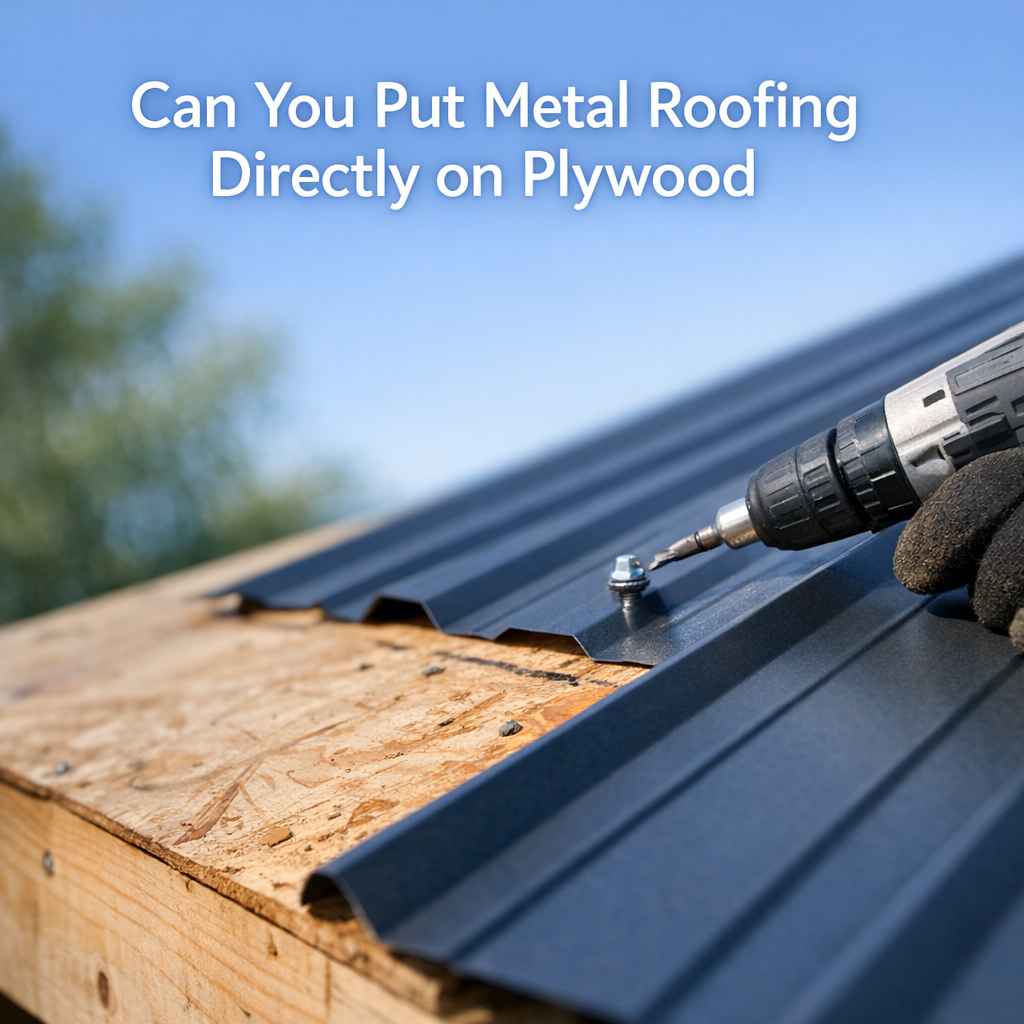
So, Can You Put Metal Roofing Directly on Plywood? The short answer is not always, or rather, not directly without proper preparation. While plywood is a common roof decking material, directly fastening metal panels to it without any underlayment or specific preparation can lead to problems. There are specific rules and best practices that need to be followed to ensure the roof is installed correctly and safely.
Many building codes and metal roofing manufacturer warranties require an underlayment. This is a protective layer that goes between the roof deck and the metal panels. Skipping this step can void warranties and lead to structural issues over time.
It’s like trying to build a house without a solid foundation; it might stand for a while, but it’s risky.
The type of plywood, its condition, and the specific type of metal roofing system being used all play a role. For instance, a slightly older, potentially warped plywood deck will require more careful preparation than a brand new, perfectly flat sheet. Always check the manufacturer’s installation guidelines for the metal roofing you’ve chosen.
The Role of Underlayment
Underlayment is a critical component in metal roofing installation, especially when asking if you can put metal roofing directly on plywood. It acts as a secondary water barrier, protecting the roof deck from moisture that might get past the metal panels. Even the best metal roofs can have tiny leaks from wind-driven rain or ice dams.
The underlayment is your backup plan.
There are several types of underlayment available. Synthetic underlayments are very popular for metal roofs because they are durable, lightweight, and resistant to tears. Asphalt-saturated felt paper is another common option.
Some underlayments also offer slip-resistance, which is helpful for installers working on a steep roof.
Using the correct underlayment also helps to prevent the noise that metal roofs can sometimes make during rainstorms or hail. It provides a cushion between the metal and the plywood, dampening the sound. This is a significant benefit for many homeowners who enjoy the quiet comfort of their homes.
Manufacturer Specifications and Warranties
Every metal roofing manufacturer has specific guidelines for how their products should be installed. These specifications are not suggestions; they are requirements. If you don’t follow them, your warranty will likely be voided.
This is a major reason why skipping underlayment is a bad idea.
Manufacturers understand the materials they produce and the conditions they will face. Their installation guides are based on extensive testing and experience. They will clearly state whether an underlayment is required and what type is acceptable.
For example, many will specify a minimum thickness of plywood and require a certain type of underlayment.
Checking the warranty information before you start is just as important as reading the installation instructions. A warranty protects your investment. If something goes wrong, and you can prove you followed the manufacturer’s guidelines, they will cover the costs.
Ignoring these details can leave you with a very expensive problem.
Plywood Condition and Suitability
The condition of your plywood roof deck is a major factor when considering if you can put metal roofing directly on plywood. Plywood that is old, rotted, warped, or delaminated is not suitable for installing any type of roofing over, including metal. These issues need to be fixed before you can proceed.
Inspect your plywood thoroughly. Look for any soft spots, signs of water damage, or cracks. If you find any areas that are questionable, it’s best to replace that section of plywood.
A continuous, solid surface is essential for the integrity of your roof. A compromised deck can cause fasteners to pull out or lead to sagging.
The thickness of the plywood also matters. Most metal roofing systems require at least 1/2-inch thick plywood. Thicker plywood, like 5/8-inch, offers even more strength and stability.
If your current plywood is too thin, you may need to add a layer of thicker plywood or OSB over it to meet the manufacturer’s requirements.
Proper Installation Steps for Metal Roofing on Plywood
Now that we’ve discussed the ‘why,’ let’s get into the ‘how.’ This part covers the essential steps for correctly installing metal roofing over a plywood deck. Following these steps ensures your roof is safe, durable, and protected for years to come. We’ll guide you through each stage, from preparing the deck to fastening the panels.
Step 1 Preparing the Existing Roof Deck
Before any new roofing material can be installed, the existing roof deck must be in excellent condition. This involves a thorough inspection of the plywood or OSB. You’ll need to check for any signs of rot, water damage, or structural weakness.
Remove any old roofing materials, nails, or debris completely.
If you find any damaged sections of plywood, they must be cut out and replaced. Use new, good-quality plywood that matches the thickness of the existing decking. Ensure the new pieces are securely fastened to the roof rafters using appropriate screws or nails.
A strong, continuous surface is the goal here.
Sweep or blow off all dust and loose particles. You want a clean surface to work on. Any bumps or irregularities on the deck can telegraph through the metal panels, causing them to look uneven or potentially creating stress points.
A smooth, clean deck is the best foundation for your new metal roof.
Step 2 Installing the Underlayment
This is a crucial step and one that cannot be skipped if you want to ensure the longevity and warranty of your metal roof. After the deck is prepared and cleaned, it’s time to lay down the underlayment. The specific type of underlayment will be determined by the metal roofing manufacturer’s recommendations.
Begin by rolling out the underlayment along the eave of the roof. Overlap the edges of each subsequent roll according to the manufacturer’s instructions, typically by a few inches. This overlap is essential to prevent water from seeping through the seams.
Use appropriate fasteners, such as cap nails or staples, to secure the underlayment to the deck.
Pay close attention to details around valleys, chimneys, and vents. These areas are more prone to leaks and require extra care during underlayment installation. Many manufacturers offer specific details or flashing instructions for these areas that should be followed precisely.
Properly installed underlayment is your first line of defense against water intrusion.
Step 3 Installing Metal Roofing Panels
Once the underlayment is in place and properly secured, you are ready to install the metal roofing panels. The method of installation will vary depending on the type of metal roofing system you have chosen, such as standing seam, corrugated, or ribbed panels. Always refer to the manufacturer’s detailed installation manual.
Most metal roofing panels are fastened to the roof deck through the underlayment using specialized screws. These screws typically have neoprene washers that create a watertight seal around the screw hole. The fasteners should be driven straight and snug, but not so tight that they damage the washer or the panel.
Start installing panels from one end of the roof, typically at the eave, and work your way up to the ridge. Ensure each panel is aligned correctly with the previous one. Overlap the panels as specified by the manufacturer to create a continuous barrier against water.
Cutting panels to fit around edges and obstructions will be necessary.
Fastening Techniques
The way metal panels are fastened is critical for their performance and durability. Different types of metal roofs use different fastening methods. Standing seam roofs, for example, often use concealed clips that attach to the roof deck, and the panels then snap into these clips.
This hides the fasteners and creates a very clean look.
Other types, like corrugated or ribbed panels, are typically fastened directly through the panel and into the plywood deck. These exposed fasteners use special screws with rubber or neoprene washers. These washers expand when the screw is tightened, creating a seal that prevents water from entering the hole.
It’s like a tiny built-in gasket.
It’s important to use the fasteners recommended by the metal roofing manufacturer. Using the wrong type or size of fastener can compromise the integrity of the roof. The spacing of the fasteners is also important; it needs to be consistent and according to the manufacturer’s guide to ensure the panels are held securely against wind uplift.
Sealing and Flashing
Proper sealing and flashing are essential for preventing leaks, especially around vulnerable areas of the roof. This includes valleys, hips, ridges, chimneys, vent pipes, and any other penetrations. Flashing is typically made of metal and is installed in a way that directs water away from these critical points.
For any area where a roof edge meets a vertical surface, such as a chimney or a wall, flashing is installed to create a watertight junction. This might involve step flashing, valley flashing, or ridge flashing, depending on the specific roof geometry. These components are carefully integrated with both the underlayment and the metal panels.
Sealants are often used in conjunction with flashing to provide an extra layer of protection. These are durable, weather-resistant materials that fill any small gaps or joints. Using the correct type of sealant, and applying it properly according to manufacturer instructions, is vital for a truly waterproof roof.
Alternative Decking and Advanced Considerations
While plywood is common, other decking materials exist. We’ll touch on these and discuss some advanced techniques or issues that might arise during metal roof installation. This section addresses more specific scenarios and offers insights for those looking for a deeper understanding of metal roofing systems.
Can Metal Roofing Go Directly on Plywood Without Underlayment?
As we’ve stressed, the general answer is no, you should not put metal roofing directly on plywood without the proper underlayment. While some very specific, high-end metal roofing systems might have unique installation requirements that differ, for the vast majority of residential metal roofing, an underlayment is mandatory. It is the secondary barrier against water.
The underlayment protects the plywood deck from any moisture that might get past the metal panels. Metal roofs are very water-resistant, but they are not entirely waterproof in every single condition. Wind-driven rain, snow, and ice dams can force water underneath the panels.
Without underlayment, this water would go straight to the plywood, leading to rot and damage.
Moreover, many metal roofing manufacturers require underlayment as part of their warranty. If you skip this step, your warranty will likely be voided, leaving you exposed to repair costs if any issues arise. It’s a small investment that protects a much larger one.
Using OSB Instead of Plywood
Oriented Strand Board (OSB) is another common roof decking material, and it can often be used in a similar way to plywood. The key considerations are the same: the OSB must be in good condition, and it must be of the appropriate thickness specified by the metal roofing manufacturer. OSB is typically a bit more affordable than plywood.
When installing metal roofing over OSB, the same rules apply regarding underlayment. You will still need to install a suitable underlayment over the OSB to provide that crucial secondary water barrier and to protect your warranty. The preparation steps, such as cleaning and ensuring a flat surface, are also identical.
Some installers prefer OSB for its consistency, while others prefer plywood for its perceived strength. Ultimately, as long as the OSB meets the required structural standards and is properly prepared, it is a perfectly acceptable roof deck for metal roofing.
R-Value and Insulation Considerations
While the roof deck itself doesn’t contribute significantly to the R-value (a measure of thermal resistance), its condition and the overall roofing system do. A well-installed metal roof, combined with proper underlayment and attic insulation, can contribute to a home’s energy efficiency. The metal panels reflect solar heat, which can help keep the attic cooler in summer.
The insulation is typically installed in the attic floor, below the roof deck. However, the performance of that insulation can be affected by the roof’s ability to keep out moisture and extreme temperatures. A solid, well-sealed roof deck contributes to a more stable attic environment.
When thinking about energy efficiency, consider the entire system. The reflectivity of the metal, the quality of the underlayment, the ventilation in your attic, and the insulation levels all work together. Making sure your roof deck is sound is the first step in optimizing this system.
Frequently Asked Questions
Question: Can I install metal roofing directly over old asphalt shingles?
Answer: In most cases, no. While some metal roofing systems can be installed over a single layer of old asphalt shingles, it is generally not recommended. Old shingles can create an uneven surface, leading to potential issues with the new metal roof’s appearance and performance.
It’s usually best to remove old shingles and install metal roofing over a prepared plywood or OSB deck with proper underlayment.
Question: What is the best underlayment for metal roofing?
Answer: Synthetic underlayments are often considered the best choice for metal roofing. They are durable, tear-resistant, lightweight, and provide excellent water protection. However, always check the specific recommendations from your metal roofing manufacturer, as they may have a preferred type or even require a specific product.
Question: How thick should plywood be for a metal roof?
Answer: Most metal roofing manufacturers require a minimum of 1/2-inch thick plywood. However, 5/8-inch thick plywood is often recommended for added strength and stability, especially in areas with heavy snow loads or high winds. Always consult the installation guide for your specific metal roofing product.
Question: Do I need a permit to install a metal roof?
Answer: In most areas, yes. Installing a new roof, including a metal roof, typically requires a building permit. This ensures that the installation meets local building codes and safety standards.
Check with your local building department to understand the specific requirements in your area.
Question: How long does a metal roof last?
Answer: Metal roofs are known for their longevity. Depending on the material, installation quality, and climate, a metal roof can last anywhere from 40 to 70 years or even longer. This is significantly longer than traditional asphalt shingles, which typically last 15 to 30 years.
Conclusion
When asking Can You Put Metal Roofing Directly on Plywood? remember that proper preparation is key. Always use an appropriate underlayment and follow the manufacturer’s installation guidelines precisely. This ensures a durable, waterproof, and long-lasting metal roof.
Take your time, do it right, and enjoy your new, resilient roof.