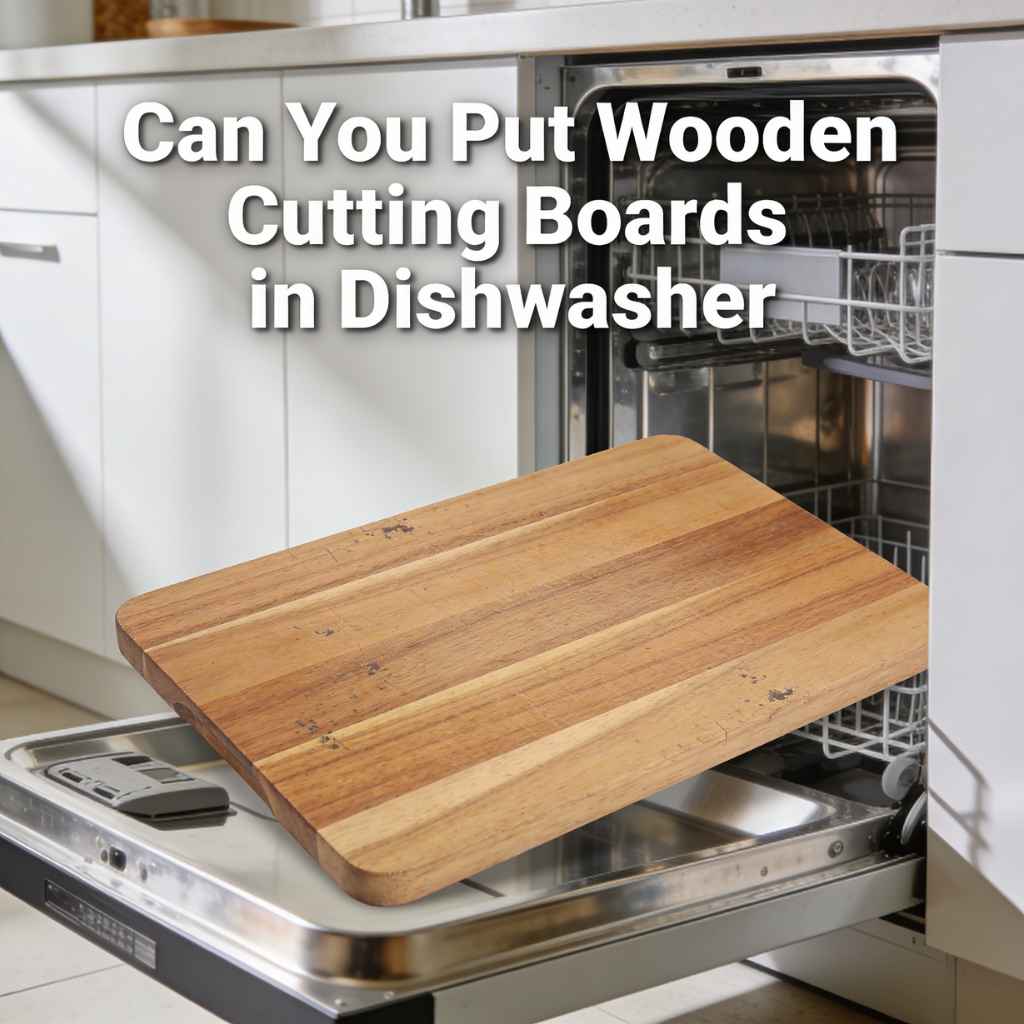
Can You Put Wooden Cutting Boards in Dishwasher
Many home cooks wonder, “Can You Put Wooden Cutting Board in Dishwasher?” It’s a common question because dishwashers are so convenient for cleaning. But for wooden boards, it’s not always a simple yes or no. This can be confusing, especially when you’re just starting out in the kitchen.
Don’t worry, though. We’ll walk through this step by step. Here’s how to keep your wooden cutting boards looking great and working well for a long time.
Understanding Wooden Cutting Board Care
Caring for wooden cutting boards is important for their longevity and your kitchen hygiene. Many people wonder if they can toss their wooden boards into the dishwasher like their plates and glasses. The short answer is generally no, but understanding why is key.
Dishwashers use very hot water and strong detergents. These conditions can be harsh on wood. This section will explain the basic principles of wooden cutting board care and why the dishwasher is usually not the best option.
The Dangers of Dishwasher Washing
Dishwashers are designed for efficiency and high-heat sanitization. This is great for most kitchenware, but not ideal for natural wood. The high temperatures can cause the wood to expand and contract rapidly.
This leads to warping and cracking over time. The aggressive detergents used can strip away the natural oils in the wood. This drying effect makes the board more prone to absorbing moisture and odors.
It can also lead to a dull, lifeless appearance.
Imagine a piece of wood being hit with a blast of steam and hot water, then dried with intense heat. It’s like a mini sauna session followed by a desert wind. This constant cycle is what happens inside a dishwasher for your cutting board.
Warping and Cracking
Wood is a natural material that reacts to its environment. When wood is exposed to extreme changes in temperature and humidity, it can become unstable. In a dishwasher, the hot water causes the wood fibers to swell.
When the cycle ends and the heat dries the wood, the fibers shrink. This repeated swelling and shrinking puts stress on the wood. This stress can cause the board to bend, twist, or develop cracks.
A warped board is difficult to use for slicing evenly. Cracks can harbor bacteria and are hard to clean properly. This is why many experts recommend avoiding the dishwasher for wooden cutting boards to prevent these issues.
Detergent Damage and Drying Out
The strong detergents in dishwashers are formulated to break down grease and food residue. While effective, these chemicals can also break down the natural protective oils present in wood. These oils are vital for keeping the wood moisturized and supple.
When these oils are removed, the wood becomes dry and brittle. A dry board is more susceptible to damage and can develop a rough texture.
Additionally, dry wood is more porous. This means it can absorb liquids and odors more easily. This can lead to your cutting board smelling like onions or garlic even after cleaning.
The Benefits of Proper Wood Care
Taking care of your wooden cutting board the right way offers significant benefits. A well-maintained board lasts much longer, saving you money. It also stays hygienic and safe for preparing food.
Proper care enhances the natural beauty of the wood, making it a more attractive kitchen tool.
This section highlights why investing a little time in care pays off. We’ll cover how to keep your board in top condition for years to come.
Extended Lifespan
Wooden cutting boards, when treated well, can last for decades. They are durable and can withstand regular use. By avoiding harsh cleaning methods like dishwashers, you preserve the integrity of the wood.
This means you won’t have to replace your board as often.
Think of it like taking care of a good quality leather shoe. A little polish and proper storage make it last much longer. The same applies to your wooden cutting board.
Enhanced Hygiene
Wood, especially dense hardwoods, has natural antimicrobial properties. However, this only works if the wood is properly maintained. When wood is dry and cracked from dishwasher use, it becomes a breeding ground for bacteria.
Proper cleaning and oiling help keep the wood surface less hospitable to microbes.
Regular cleaning with soap and water, followed by thorough drying and occasional oiling, ensures your board remains a safe surface for food preparation.
Aesthetic Appeal
Many people choose wooden cutting boards for their natural beauty. The rich grain patterns and warm tones add character to a kitchen. Proper care, including occasional oiling and conditioning, helps to maintain and enhance this natural beauty.
An oiled board has a lovely sheen and looks more inviting to use.
A well-cared-for wooden board can become a cherished kitchen item, passed down through generations.
How to Clean Wooden Cutting Boards Safely
Now that we know why the dishwasher is a no-go, let’s look at the best ways to clean your wooden cutting boards. These methods are simple and effective, designed to keep your board clean, safe, and beautiful without causing damage. We will cover everyday cleaning and what to do for deeper sanitizing.
Everyday Cleaning Methods
For daily use, cleaning a wooden cutting board is straightforward. The goal is to remove food particles and light residue without soaking the wood or using harsh chemicals. These steps will become part of your routine, making it easy to maintain your board.
Washing with Soap and Water
The most common and recommended method is hand washing. Use warm water and a mild dish soap. Apply the soap to a sponge or soft cloth.
Gently scrub the surface of the cutting board. Pay attention to any areas where food scraps might be lodged. Rinse the board thoroughly under warm running water to remove all soap residue.
Never let the board soak in water, as this is a primary cause of damage.
Drying Thoroughly
This is a critical step. After rinsing, immediately dry the cutting board with a clean kitchen towel. Make sure to dry all surfaces, including the edges and any handle areas.
Stand the board upright against a wall or a drying rack. This allows air to circulate around both sides, ensuring it dries completely and evenly.
Allowing the board to air dry fully before storing it prevents moisture from being trapped. Trapped moisture can lead to mold or mildew growth and can also contribute to warping.
Sanitizing Wooden Cutting Boards
Sometimes, you need to do more than just a quick wash. This is especially true after cutting raw meat or poultry, or if the board has picked up strong odors. There are several safe and effective ways to sanitize your wooden cutting board without damaging it.
Using White Vinegar
White vinegar is a natural disinfectant and deodorizer. Its acidity helps to kill bacteria and neutralize odors. Pour a small amount of white vinegar directly onto the cutting board.
Spread the vinegar over the entire surface using a clean cloth or sponge. Let it sit for about 5-10 minutes. Then, rinse the board thoroughly with warm water and dry it completely as described above.
Baking Soda Paste
Baking soda is excellent for scrubbing and removing tough stains and odors. Make a paste by mixing baking soda with a little water. The consistency should be like toothpaste.
Spread this paste over the cutting board, especially on any stained areas or where odors are present. Let it sit for a few minutes. Use a sponge or brush to scrub the paste into the wood.
Rinse thoroughly and dry completely.
Lemon and Salt Method
This is a fantastic way to both clean and freshen up your wooden cutting board. The acidity of the lemon helps to disinfect, while the salt acts as a gentle abrasive. Cut a lemon in half.
Sprinkle coarse salt generously over the surface of the cutting board. Use the cut side of the lemon half to rub the salt into the wood. This creates a scrubbing action.
For tougher jobs, let it sit for 10-15 minutes before rinsing. Rinse well and dry completely.
This method is great for removing persistent odors like garlic and onions, leaving your board smelling fresh.
Oiling and Conditioning Wooden Cutting Boards
Just like our skin can get dry, wood needs moisture to stay healthy. Oiling and conditioning are crucial steps in maintaining your wooden cutting board. This process protects the wood, prevents it from drying out, and keeps it looking its best.
Skipping this step is almost as bad as putting it in the dishwasher.
Why Oiling is Important
Regular oiling replenishes the natural oils that are lost over time, especially with regular washing. It creates a barrier that helps to repel water and food stains. This makes the board less likely to absorb liquids, which can lead to staining and odor absorption.
An oiled board also has a beautiful sheen that enhances its natural appearance. It feels smoother and more pleasant to use. Think of it as moisturizing your wooden board to keep it supple and strong.
Choosing the Right Oils and Conditioners
Not all oils are suitable for cutting boards. You need to use food-grade oils that won’t go rancid or impart an unwanted flavor. Some common and effective choices are mineral oil, beeswax blends, and specialized cutting board oils.
Mineral oil is a food-safe, inexpensive option that doesn’t go rancid. Beeswax blends add an extra layer of protection and a lovely subtle scent. Always ensure the product is labeled as safe for food contact.
Mineral Oil
Food-grade mineral oil is widely recommended for cutting boards. It is colorless, odorless, and tasteless. It penetrates the wood well, providing excellent protection against moisture and stains.
It’s also readily available at most pharmacies and hardware stores.
When applying mineral oil, ensure the board is clean and completely dry. Apply a generous amount with a clean cloth or paper towel. Let it soak in for at least a few hours, or ideally, overnight.
Wipe off any excess oil before use.
Beeswax and Oil Conditioners
Many cutting board conditioners are a blend of food-grade mineral oil and beeswax. The beeswax provides an additional protective layer on the surface of the wood. This layer helps to repel water more effectively than oil alone.
These conditioners often give the wood a lovely satiny finish.
Applying these conditioners is similar to applying plain mineral oil. You rub it in, let it soak, and then buff off any excess. These products are specifically formulated to nourish and protect wood surfaces.
How to Apply Oil and Conditioner
The process of oiling and conditioning is simple but requires patience. It’s best to do this when you have a few hours to let the oil penetrate the wood.
Step-by-Step Oiling Process
First, ensure your cutting board is clean and completely dry. If it’s recently been washed, let it air dry for at least 24 hours.
Apply a generous amount of your chosen food-grade oil to the surface of the board. Use a clean, lint-free cloth or paper towel to spread the oil evenly across all surfaces—top, bottom, and sides. Don’t be shy with the oil; the wood will absorb what it needs.
Allow the board to sit and absorb the oil for at least 30 minutes. For deeper conditioning, let it sit for several hours or even overnight. You’ll notice the wood darken as it absorbs the oil.
After the soaking period, use a clean cloth to wipe off any excess oil. Buff the surface to a smooth finish. Repeat this process periodically, usually once a month, or whenever the board looks dry.
Frequency of Oiling
The frequency depends on how often you use the board and how often you wash it. A good rule of thumb is to oil your board once a month. If you use your board daily, you might need to oil it more often.
You’ll know it’s time to re-oil when the board starts to look dull, dry, or light-colored. Water droplets will no longer bead up on the surface but will be absorbed quickly.
Oiling Example Scenario
Let’s say you’ve just finished a big cooking project. Your wooden cutting board has seen a lot of action. After washing and drying it thoroughly, you notice it looks a bit pale and thirsty.
You grab your bottle of food-grade mineral oil. You pour a good amount onto the board and spread it all over with a cloth. You leave it to soak for a few hours while you clean up the rest of the kitchen.
When you come back, the board has a lovely, deep color and feels smooth. You wipe off the excess oil, and it’s ready for its next use, looking and feeling like new.
Can You Put Wooden Cutting Board in Dishwasher A Detailed Look
So, we’ve touched on the general advice, but let’s go into more detail about the question: Can You Put Wooden Cutting Board in Dishwasher? While the common advice is a firm no, there are some nuances to consider. Understanding the ‘why’ behind this advice helps make the best decision for your cutting boards.
The Dishwasher Cycle Explained
A typical dishwasher cycle involves several stages. It starts with a pre-rinse, followed by washing with hot water and detergent, then rinsing again, and finally a drying cycle. The temperatures can reach up to 150-165°F (65-74°C) during the wash and rinse phases.
The drying phase can involve heated air or the residual heat from the water.
This intense combination of heat, water, and detergent is the main reason wooden cutting boards are not recommended for dishwashers. The wood’s cellular structure reacts poorly to these conditions, leading to the damage we’ve discussed.
High Heat and Water Exposure
Wood is a hygroscopic material, meaning it absorbs moisture from its surroundings. When exposed to the prolonged high heat and water in a dishwasher, the wood fibers swell significantly. This rapid and excessive moisture absorption causes stress on the wood structure.
As the dishwasher cycle progresses and the heat increases, the water is driven out of the wood. This causes the fibers to contract rapidly.
This constant cycle of swelling and shrinking is what leads to warping, cracking, and splitting of the wood. It’s a process that can occur over many washes, even if the damage isn’t immediately visible.
Detergent Harshness
Dishwasher detergents are typically alkaline and contain strong surfactants. These chemicals are designed to cut through grease and food particles effectively. However, they are also very effective at stripping away natural oils and protective coatings from surfaces.
For wood, this means the natural oils that keep it moisturized and supple are removed.
When these oils are stripped away, the wood becomes dry, porous, and vulnerable to stains and odors. It can also lead to a rough texture and a dull appearance, diminishing the board’s aesthetic appeal and its protective qualities.
When Might it Be ‘Okay’ (With Extreme Caution)
In very rare circumstances and with specific types of wooden boards, some might consider a dishwasher. However, this is generally not advised for most home kitchens. If someone were to attempt this, it would require a specialized board and a very carefully controlled, low-heat, short cycle, and immediately removed for thorough drying.
This is not a recommended practice and carries significant risks of damaging your board. The general consensus and safest approach remain hand washing and proper care.
Specialized Boards (Very Few Cases)
Some very high-end, professional-grade wooden cutting boards might be constructed in a way that makes them slightly more resistant to dishwasher damage. These boards often involve laminated construction with specific wood types and glues that are designed for higher moisture resistance. However, even these are usually accompanied by a disclaimer that hand washing is still preferred for optimal longevity.
These boards are rare and come with a significant price tag. For the vast majority of wooden cutting boards found in homes, they are not built to withstand the dishwasher environment.
Low-Heat, Short Cycles (Risky)
If one were to take an extreme risk, using the shortest, coolest cycle on a dishwasher and removing the board immediately to hand dry might mitigate some of the damage. However, even these cycles can expose the wood to enough heat and moisture to cause long-term harm. The risk of warping or cracking is still very high.
It is important to reiterate that this is not a recommended practice. The potential for damage outweighs any perceived convenience. The long-term health of your cutting board is best preserved through manual cleaning methods.
Alternatives to Dishwashing for Wooden Boards
The good news is that there are plenty of effective and safe ways to clean and maintain your wooden cutting boards without resorting to the dishwasher. These methods are simple and ensure your boards remain in excellent condition.
Regular Hand Washing
As discussed earlier, regular hand washing with mild soap and warm water is the best approach for daily cleaning. It removes food debris and light grime effectively without causing damage.
After washing, always dry the board immediately and thoroughly. Standing it on its edge to air dry ensures both sides dry evenly. This simple routine is the cornerstone of good cutting board care.
Deep Cleaning and Sanitizing Techniques
For deeper cleaning and sanitization, methods like using vinegar, baking soda, or lemon and salt are highly effective. These natural agents help kill bacteria and remove odors without harsh chemicals that can harm the wood.
These techniques are powerful enough to handle tough cleaning jobs while remaining gentle on the wood. Combined with regular oiling, they keep your board hygienic and attractive.
Maintenance and Longevity Tips for Wooden Cutting Boards
To ensure your wooden cutting board serves you well for years to come, consistent maintenance is key. Beyond just cleaning and oiling, there are other practices that contribute to its longevity and performance. These tips will help you get the most out of your wooden cutting board.
Proper Storage
How you store your cutting board when it’s not in use significantly impacts its lifespan. Improper storage can lead to warping, mold, and damage.
Keeping Boards Dry
Always ensure your cutting board is completely dry before storing it. Never store a damp board in a cabinet or drawer. Moisture trapped against surfaces can lead to mold and mildew growth, as well as potential warping over time.
After washing and drying, stand the board upright. This allows for maximum air circulation on all sides, helping to wick away any remaining moisture. Some people use cutting board racks or even lean them against a backsplash.
Avoiding Moisture Traps
Do not lay a wooden cutting board flat on a countertop or place other items on top of it when storing it. This prevents air from circulating freely around the board. Airflow is crucial for keeping the wood dry and preventing moisture buildup.
If you store boards in a drawer, ensure they have enough space and aren’t crammed in tightly with other items. Ideally, a dedicated spot where they can stand or lie flat with ample air exposure is best.
Dealing with Stains and Scratches
Over time, wooden cutting boards will develop scratches and may stain. This is a natural part of using a wooden tool. Fortunately, most of these issues can be addressed with simple techniques.
Sanding Out Scratches
If your board has numerous deep scratches or a generally worn surface, you can sand it. Start with a medium-grit sandpaper (around 100-150 grit) and sand the entire surface evenly. Follow up with a finer grit sandpaper (around 220 grit) for a smoother finish.
After sanding, wash the board to remove dust. Then, dry it completely and follow up with oiling and conditioning. Sanding can effectively restore a worn board to a like-new condition.
Removing Stubborn Stains
For stubborn stains, you can try the lemon and salt method or a baking soda paste. Sometimes, a strong solution of hydrogen peroxide (3%) can also help lift stains. Apply it to the stain, let it sit for a few minutes, then rinse and dry.
Always test any stain removal method on an inconspicuous area first. After treating a stain, it’s a good idea to re-oil the board to restore its protective layer.
Regular Oiling Schedule
Maintaining a regular oiling schedule is perhaps the most important long-term care practice. As mentioned earlier, this keeps the wood hydrated and protected.
Why a Schedule Matters
A consistent schedule ensures that the wood never becomes excessively dry. Dry wood is brittle and more prone to cracking. Regular oiling keeps the fibers flexible and prevents moisture absorption, which is vital for preventing bacteria growth.
Think of it as regular maintenance for a car. Consistent oil changes prevent major engine problems. Similarly, consistent oiling prevents major problems with your cutting board.
Signs Your Board Needs Oil
The most obvious sign is a dull, dry appearance. When the wood looks lighter in color than usual, it’s probably time for oil. Another key indicator is how water interacts with the surface.
If water beads up nicely, the board is well-protected. If water soaks in quickly, the protective oil layer has worn off, and it’s time to re-oil.
You might also notice a rougher texture on the surface. Oiling will help to smooth this out, making the board more pleasant to use for slicing and dicing.
Frequently Asked Questions
Question: Can I use olive oil to condition my wooden cutting board?
Answer: It is generally not recommended to use olive oil or other vegetable oils (like canola or sunflower oil) on your wooden cutting board. These oils can go rancid over time, leading to a foul smell and taste that can transfer to your food. Food-grade mineral oil or specialized cutting board conditioners are the best choices.
Question: How often should I oil my wooden cutting board?
Answer: You should aim to oil your wooden cutting board about once a month. If you use it very frequently or wash it often, you may need to oil it more often. Watch for signs of dryness or dullness; these indicate it’s time for a refresh.
Question: Will my wooden cutting board shrink or expand in the dishwasher?
Answer: Yes, exposure to the high heat and moisture in a dishwasher can cause your wooden cutting board to swell and then shrink as it dries. This constant cycle is what leads to warping, cracking, and other damage to the wood.
Question: How do I disinfect a wooden cutting board without damaging it?
Answer: To disinfect your wooden cutting board, you can use natural methods like rubbing it with white vinegar, a paste of baking soda and water, or the lemon and salt method. Always rinse thoroughly afterward and dry completely. Avoid harsh chemical disinfectants.
Question: Can I use my wooden cutting board after it has been in the dishwasher?
Answer: While you might be able to use it, the dishwasher likely caused damage. The board may be warped, cracked, or dried out, making it less hygienic and durable. It’s best to avoid dishwashers for wooden cutting boards to preserve their quality and safety.
Conclusion
So, the answer to “Can You Put Wooden Cutting Board in Dishwasher?” is a clear no. Dishwashers use extreme heat and harsh detergents that damage wood. Hand washing with mild soap, thorough drying, and regular oiling are the best ways to keep your board clean, safe, and beautiful for years to come.
Treat your wooden board right, and it will be a trusted kitchen companion.