Can You Still Buy Methylene Chloride Paint Remover? A Must-See
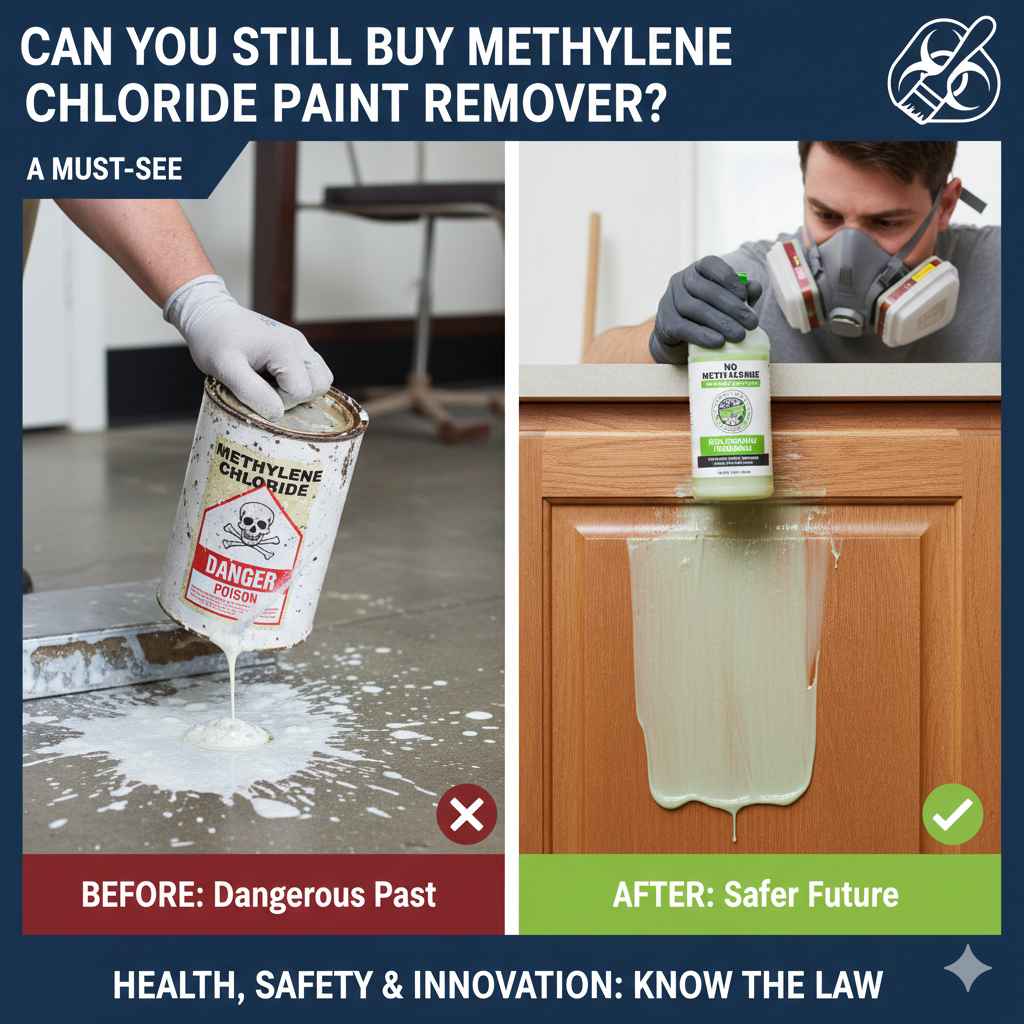
No, you can no longer buy methylene chloride paint removers for consumer or DIY use in the United States. In 2019, the EPA banned its sale to the general public due to serious health risks. While it is still available for some specific commercial and professional applications, it is not sold in retail stores for home projects.
Have you ever faced a project with layers of old, stubborn paint? The kind that seems like it has been there forever? For a long time, many of us reached for powerful paint strippers to get the job done fast. One of the strongest was methylene chloride.
But if you’ve looked for it recently, you might have noticed it’s gone from store shelves. This can be confusing, especially if you have a tough stripping job ahead. Don’t worry! I’m here to clear things up for you.
In this guide, I’ll explain exactly what happened to methylene chloride paint removers, why the change was made, and most importantly, what safe and effective alternatives you can use for your projects today. Let’s get you ready to strip that paint safely and with confidence.
What Is Methylene Chloride, Anyway?
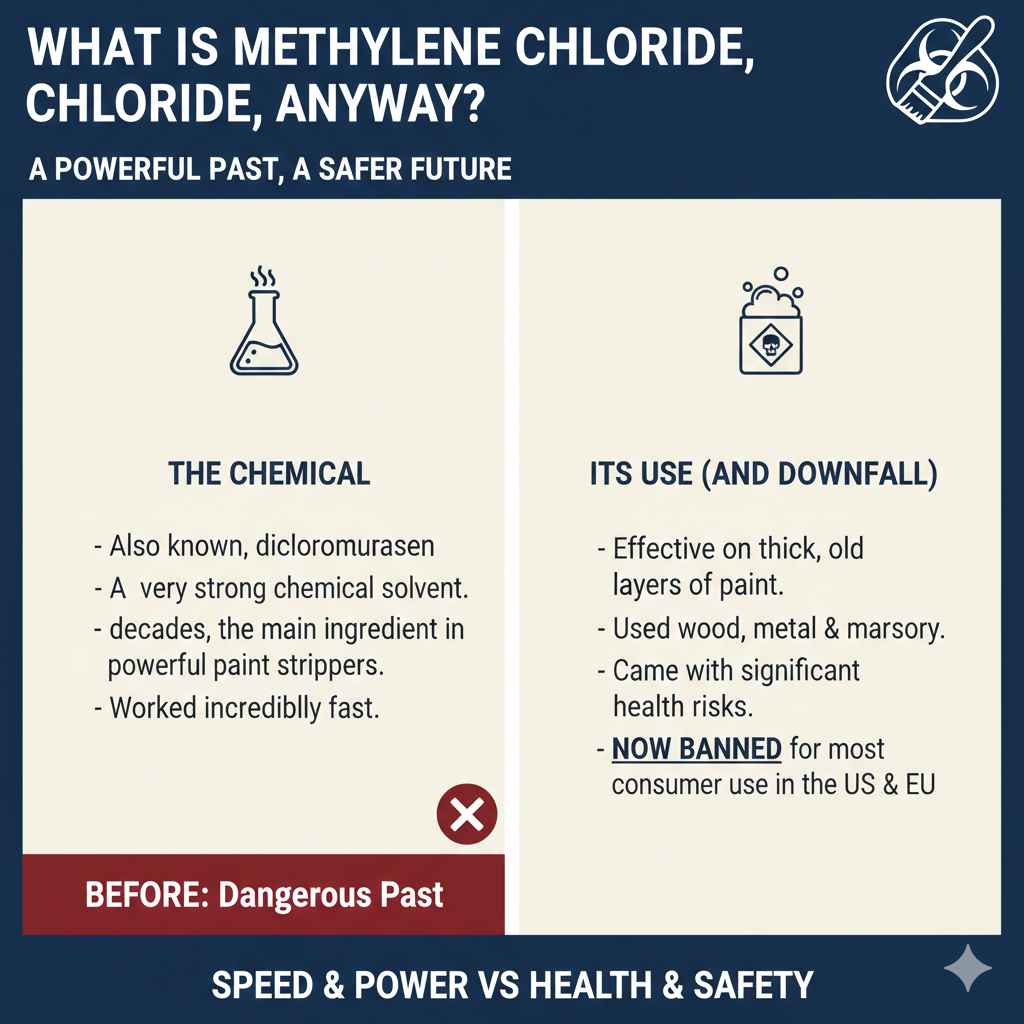
Methylene chloride, also known as dichloromethane or DCM, is a very strong chemical solvent. For decades, it was the main ingredient in the most powerful paint and varnish removers. It worked incredibly fast, bubbling up thick layers of paint in just a few minutes.
Its speed and strength made it a favorite for tough jobs like removing multiple layers of old enamel or epoxy from wood, metal, and masonry. If you had a piece of furniture with a century of paint on it, a methylene chloride stripper was often the go-to solution. It was effective, but it also came with significant health risks, which led to big changes in what we can buy today.
The Big Change: Why You Can’t Find It on Store Shelves
The main reason you can no longer buy methylene chloride paint remover at your local hardware store is a ruling by the U.S. Environmental Protection Agency (EPA). In 2019, the EPA officially banned the retail sale of methylene chloride for paint removal purposes to consumers.
This decision was made after extensive research found that the chemical posed serious health risks to people, especially when used in enclosed spaces without proper ventilation or protective gear, which is common in many home DIY settings.
What Does the Ban Mean for You?
- For DIYers and Homeowners: It is illegal for retailers to sell paint removers containing methylene chloride directly to the public. You simply won’t find it at big-box stores, local hardware shops, or online for personal use.
- For Professionals: The rules are different for commercial use. Certified professionals can sometimes still purchase and use methylene chloride products, but they must follow very strict safety, training, and workplace requirements. This is not something available to the general public for a weekend project.
The Health Risks: Why Methylene Chloride Was Banned for Consumers
The decision to remove methylene chloride from consumer markets was all about safety. When you use a chemical stripper, its fumes are released into the air. The fumes from methylene chloride are particularly dangerous.
Here are the key health concerns that led to the ban:
- Acute Inhalation Dangers: Breathing in the fumes, even for a short time, can be extremely harmful. The body converts methylene chloride into carbon monoxide, which reduces the blood’s ability to carry oxygen. This can lead to dizziness, headaches, nausea, and in high concentrations, asphyxiation, heart attack, and even death.
- Nervous System Effects: It can harm your central nervous system, causing confusion, fatigue, and lack of coordination.
- Cancer Risk: Long-term exposure to methylene chloride is linked to an increased risk of cancer, including liver and lung cancer.
- Skin and Eye Irritation: Direct contact can cause severe burns to the skin and eyes.
These risks are especially high in small, poorly ventilated spaces like basements, bathrooms, or garages where many home projects take place. The EPA determined that the danger to consumers was too great to justify its availability on the open market.
Safe and Effective Alternatives You Can Buy Today
The good news is that you don’t need methylene chloride to get great results! The market has responded with a wide range of safer, effective paint strippers. They might work a bit differently and sometimes require more patience, but they get the job done without the same level of risk.
Let’s look at some of the best alternatives available now. I’ve put them into a handy table so you can compare them at a glance.
Comparing Modern Paint Stripper Alternatives
| Stripper Type | How It Works | Best For | Pros | Cons |
|---|---|---|---|---|
| Benzyl Alcohol-Based | A solvent that softens and swells paint layers. | Latex, acrylic, and oil-based paints on wood and metal. | Works relatively fast (30-60 mins), low odor, less harsh than older chemicals. | Can be less effective on tough coatings like epoxy. Still requires good ventilation. |
| Soy or Citrus-Based | Uses natural oils and solvents to break down paint over time. | Removing multiple layers of paint from delicate wood or for indoor use. | Very low odor, biodegradable, safe for indoor projects, stays wet for a long time. | Works very slowly (can take 4-24 hours). Can leave an oily residue that needs cleaning. |
| NMP-Based (N-Methyl-2-pyrrolidone) | A powerful solvent effective on tough coatings. | Epoxies, polyurethanes, and industrial coatings. | Very strong and effective, often considered a close replacement for methylene chloride’s power. | Has its own health concerns and is being phased out in some regions. Requires full safety gear. |
| Infrared Heat Guns | Uses specific heat wavelengths to warm and loosen the paint from the surface. | Old, thick paint on wood siding, windows, and doors. Great for lead paint (keeps it from becoming dust). | No chemicals, no fumes, no mess. Can be faster than waiting for strippers. | Initial tool cost. Risk of scorching wood if not used carefully. Not ideal for intricate details. |
| Mechanical Methods (Sanding/Scraping) | Physically abrades the paint from the surface. | Thin layers of paint on flat, durable surfaces. Preparing a surface for a new coat. | No chemicals, full control over the process. | Creates a lot of dust (dangerous with lead paint). Can damage delicate wood surfaces. Labor-intensive. |
A Closer Look at the Best Alternatives
1. Benzyl Alcohol-Based Strippers
These are now some of the most common and effective “safer” strippers on the market. Brands like Citristrip have reformulated their products to use ingredients like benzyl alcohol. It works by causing the paint to bubble and lift, much like the old strippers, but it works a little slower. Expect to wait anywhere from 30 minutes to a few hours. It’s a great all-around choice for many DIY projects involving wood or metal furniture.
2. Soy and Citrus-Based Strippers
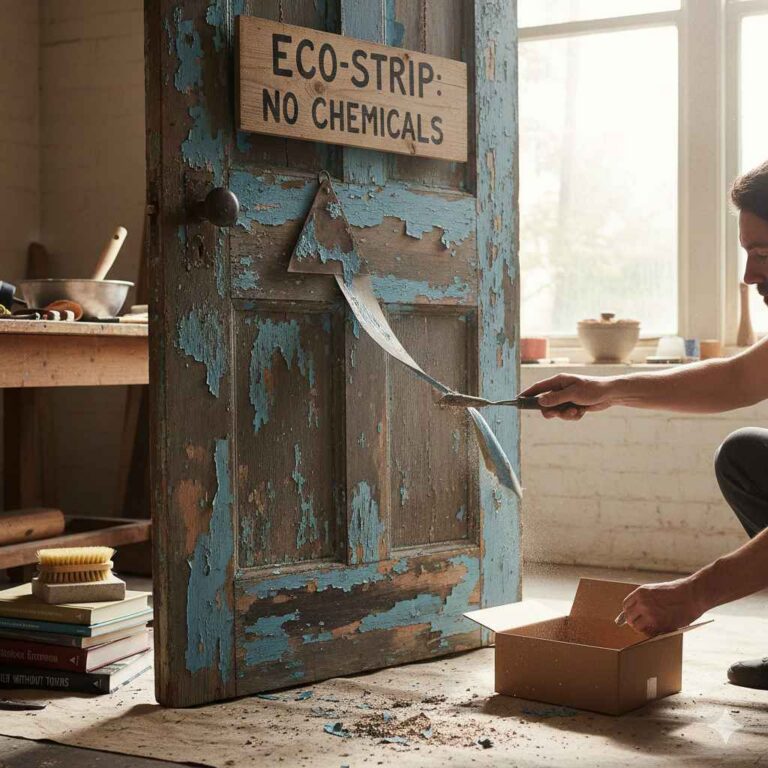
If you’re working indoors or are sensitive to chemical smells, these are fantastic options. They are made from natural ingredients like soy esters or citrus oils. They have a pleasant, faint smell and are biodegradable. The tradeoff is time—they work very slowly. You often need to apply a thick coat, cover it with plastic wrap, and let it sit overnight. But for someone stripping an antique piece with delicate carvings, the slow, gentle action is perfect.
3. Heat Guns
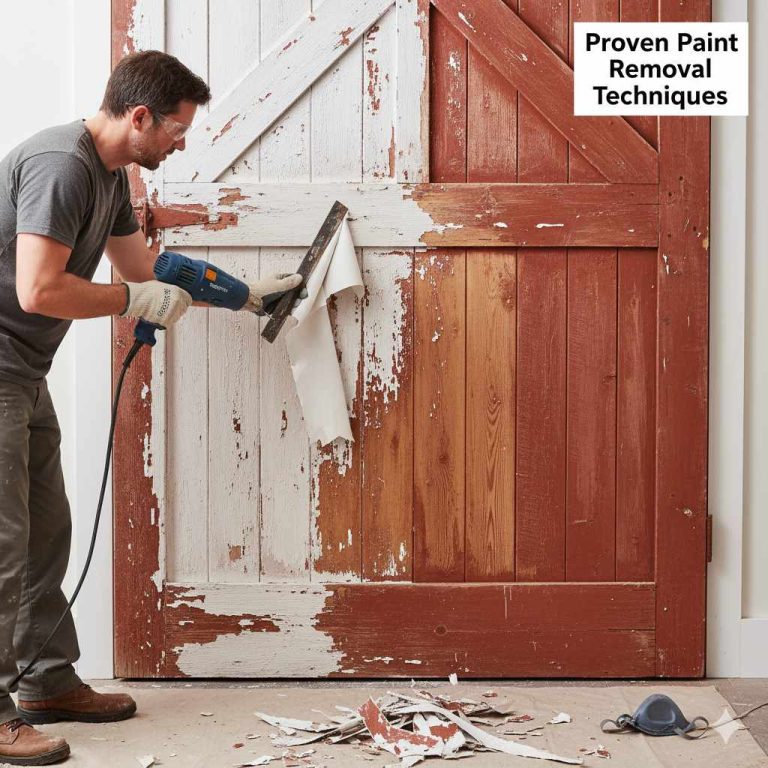
A heat gun is a tool, not a chemical, and it’s a game-changer for large, flat surfaces. It works by heating the paint until it gets soft and blisters, allowing you to easily scrape it off with a putty knife. This method is fast, clean, and creates no chemical fumes. The major caution is to avoid overheating the wood, which can scorch it or release toxic fumes from lead paint. Always use a respirator designed for lead fumes if you suspect the paint is old.
How to Choose the Right Paint Remover for Your Project
Feeling overwhelmed by the options? Don’t be. Choosing the right one is easy if you ask a few simple questions.
- What type of surface are you stripping? Is it delicate antique wood, sturdy metal, or porous concrete? Soy-based strippers are gentle on wood, while a stronger benzyl alcohol formula might be better for metal.
- What kind of paint is it? Are you removing a single layer of latex paint or multiple layers of thick, old oil-based enamel? The tougher the paint, the stronger the stripper you’ll need. You might need an NMP-based product for something like epoxy.
- Where are you working? If you’re in a well-ventilated garage or outdoors, you have more options. For indoor projects in a basement or bathroom, a low-odor, low-fume product like a soy or citrus gel is your safest bet.
- How much time do you have? If you need the job done today, a faster-acting benzyl alcohol stripper or a heat gun is your best choice. If you can let it sit overnight, a soy-based stripper can do the hard work for you while you sleep.
Always read the product label carefully. It will tell you what surfaces it’s designed for, what types of coatings it can remove, and the proper safety precautions to take.
Step-by-Step Guide: Using a Safer Paint Remover
Using these newer, safer paint strippers is simple. The process is similar for most chemical removers, but always follow the specific instructions on the product you choose. Here is a general guide to get you started.
Step 1: Gather Your Safety Gear
Even though these products are safer, they are still chemicals. Protect yourself!
- Safety Goggles: To protect your eyes from splashes.
- Chemical-Resistant Gloves: Regular latex or vinyl gloves will dissolve. Look for butyl or nitrile gloves.
- Respirator: Use a respirator with organic vapor cartridges, especially when working indoors.
- Long Sleeves and Pants: To protect your skin from contact.
Step 2: Prepare Your Workspace
Set yourself up for an easy and clean project.
- Ventilate: Open all windows and doors. Use a box fan to blow fumes away from you and outside.
- Protect Surfaces: Lay down thick plastic sheeting or a canvas drop cloth on the floor and cover anything nearby you don’t want the stripper to touch.
Step 3: Apply the Stripper
Follow the product’s directions for application.
- Mix the Product: Some strippers need to be shaken or stirred before use.
- Apply a Thick Coat: Use a cheap, disposable paintbrush to apply a thick, even layer of the stripper. Don’t brush it back and forth like paint. Lay it on in one direction. Most strippers work best when applied at least 1/8-inch thick.
- Cover if Needed: For slow-acting strippers (like soy-based ones), covering the area with plastic wrap will keep the stripper from drying out and allow it to work longer.
Step 4: Wait Patiently
This is where patience pays off. The product label will give you a time frame (e.g., 30 minutes to 24 hours). The paint should look bubbled, cracked, or wrinkled when it’s ready. You can test a small area with a scraper to see if the paint is soft all the way down to the surface.
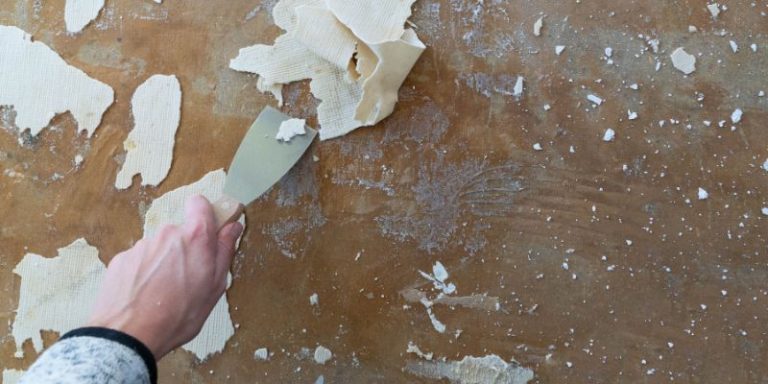
Step 5: Scrape Away the Old Paint
Once the stripper has done its job, it’s time to remove the gunk.
- Use a plastic scraper on wood to avoid gouging the surface.
- A metal putty knife or scraper is fine for metal or masonry.
- For detailed areas, use dental picks, a stiff brush, or coarse steel wool.
- Scrape the paint goo into a cardboard box or disposable tray for easy cleanup.
Step 6: Clean the Surface
This is a critical step! Most strippers leave a residue that will prevent new paint or stain from sticking properly.
- The product instructions will tell you what to use for cleanup. It might be mineral spirits for some products or just soap and water for others.
- Wipe the surface down thoroughly with a clean rag dampened with your cleaning solution.
- Let the surface dry completely—usually for at least 24 hours—before sanding or applying a new finish.

Frequently Asked Questions (FAQ)
1. So, is methylene chloride completely illegal now?
No, it’s not completely illegal. Its sale is banned for consumer paint removal. However, it is still used in some specific industrial and commercial applications under very strict safety regulations and by trained, certified professionals. You just can’t buy it for your home projects.
2. Are the new, safer paint removers as good as the old ones?
They are very effective, but they work differently. Methylene chloride was prized for its speed. Newer formulas, like those with benzyl alcohol, can be just as effective but might take a bit longer. Soy or citrus-based strippers are also effective but require much more time. The key is to match the right product to your project and be patient.
3. How do I dispose of old methylene chloride paint stripper?
If you find an old can in your garage, do not throw it in the trash or pour it down the drain. Methylene chloride is considered hazardous waste. You must take it to your local hazardous waste disposal facility. Contact your city or county’s waste management department to find out where and when you can drop it off.
4. What are the first signs of methylene chloride exposure?
Early signs of exposure to its fumes include dizziness, headache, nausea, and a feeling of being lightheaded or intoxicated. If you ever feel these symptoms when working with any chemical, immediately move to fresh air. This is why proper ventilation is so important for any project.
5. Can I hire a professional who still uses it?
Yes, it’s possible. Some commercial paint stripping companies with the proper certification, training, and equipment may still use methylene chloride products for certain jobs. They are required by law to follow strict safety protocols to protect their workers and the environment.
6. Is it safe to work on furniture that was stripped with methylene chloride years ago?
Yes, it is perfectly safe. Methylene chloride is a volatile chemical, which means it evaporates completely from the surface after the stripping and cleaning process is done. Once it has dried and a new finish is applied, there is no lingering chemical or risk from the old stripper.
Conclusion: A Safer Path to a Beautiful Finish
So, can you still buy methylene chloride paint remover? For your home workshop, the answer is a clear no. And that’s a good thing. The ban on this powerful chemical for consumer use has made DIY projects much safer for everyone.
While the lightning-fast strippers of the past are gone from store shelves, you haven’t been left without options. Today’s market is filled with excellent, safer alternatives—from effective solvent-based removers to gentle, eco-friendly soy gels and chemical-free heat guns. They might require a little more patience, but they can deliver the same beautiful results without putting your health at risk.
By choosing the right product for your project, gearing up with the proper safety equipment, and following the steps we’ve outlined, you can tackle any paint stripping job with total confidence. Happy renovating!