Can You Use a Carpet Cleaner on Hardwood Floors?
Many homeowners wonder, Can You Use a Carpet Cleaner on Hardwood Floors? It’s a common question, especially when you have both carpets and hard floors. Sometimes, a cleaning machine is designed for one type of flooring, and using it on another can cause problems. Don’t worry if you’re unsure.
We’ll walk you through this step by step to help you keep your floors looking their best without any damage. Let’s explore what you need to know next.
Understanding Carpet Cleaners and Hardwood Floors
This section explains why people ask about using carpet cleaners on hardwood floors. It also covers the basic differences between carpet and hardwood and why they need different cleaning methods. We want to make sure you know why this question is so important for keeping your home clean and your floors safe.
What Is a Carpet Cleaner?
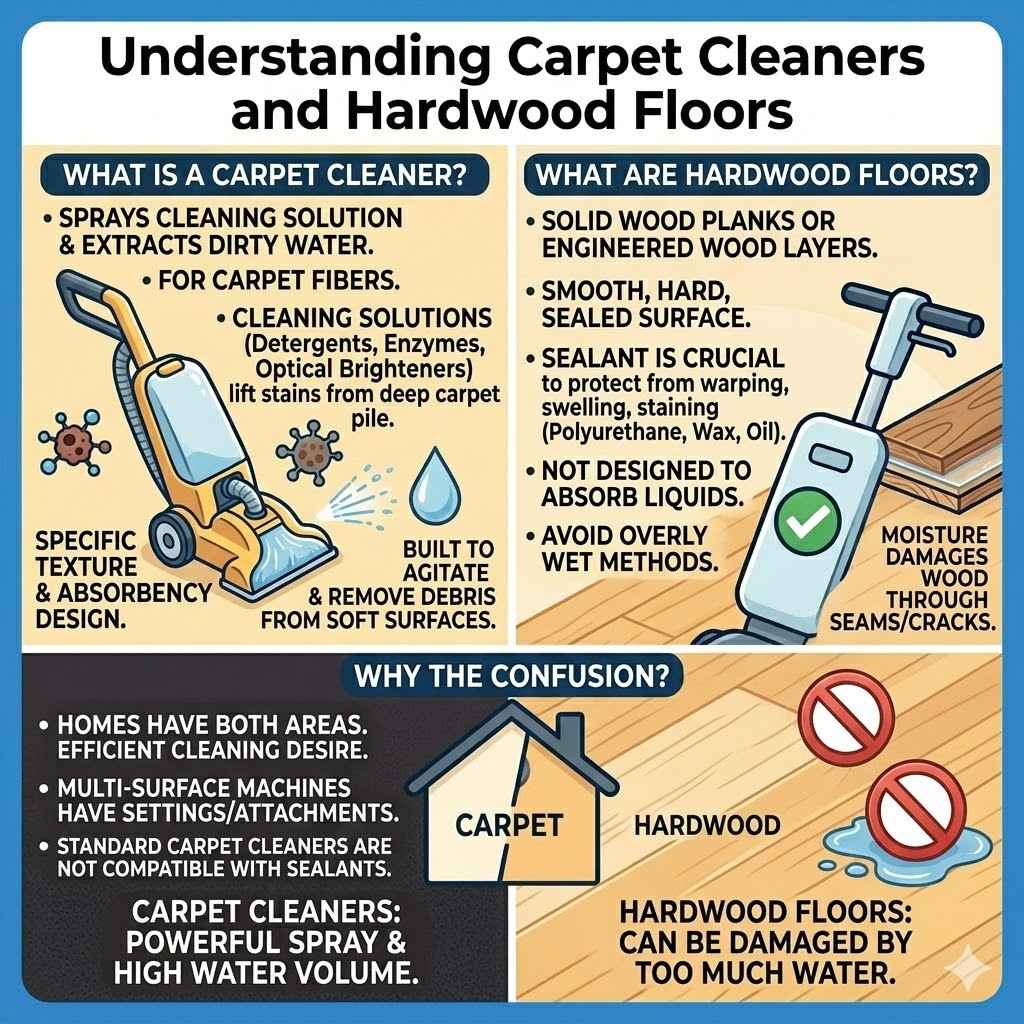
A carpet cleaner, often called a carpet shampooer or carpet extractor, is a machine built to clean carpets. These machines typically work by spraying a cleaning solution onto the carpet fibers and then extracting the dirty water back up. This process helps to lift dirt, stains, and grime from deep within the carpet pile.
The cleaning solutions used are specially formulated for carpets. They often contain detergents, enzymes, and sometimes optical brighteners. These ingredients help break down grease, oil, and other tough messes that can get trapped in carpet fibers.
The machines themselves can be upright, portable, or even canister-style, each designed to agitate and remove debris from soft surfaces.
It is important to understand that carpet cleaners are designed with carpet fibers in mind. The scrubbing brushes and water spray mechanisms are calibrated for the texture and absorbency of carpets. Using these machines on hard surfaces like hardwood can lead to unintended consequences due to the very nature of how they operate.
What Are Hardwood Floors?
Hardwood floors are made from solid wood planks or engineered wood layers. They are known for their natural beauty and can last for many years with proper care. Unlike carpets, hardwood floors have a smooth, hard surface that is generally sealed to protect the wood.
The sealant on hardwood floors is crucial. It prevents moisture from penetrating the wood, which can cause warping, swelling, or staining. Common sealants include polyurethane, wax, or oil finishes.
The type of finish significantly impacts how the floor should be cleaned and what products can be used safely.
Hardwood floors are not designed to absorb liquids like carpets. Excess moisture can seep into the wood through any tiny cracks or seams between planks. This is why avoiding standing water or overly wet cleaning methods is always recommended when cleaning hardwood.
Why the Confusion?
The confusion often arises because many homes have both carpeted areas and hardwood floors. When a cleaning device is used for one, people might wonder if it can do double duty. It’s natural to want to be efficient and use the tools you already own.
Furthermore, some multi-surface cleaning machines exist, but they usually have specific settings or attachments for different floor types. A standard carpet cleaner, however, is built with carpet in mind. Its powerful water spray and extraction system, along with the types of cleaning solutions it uses, are not compatible with the protective sealants and material of hardwood floors.
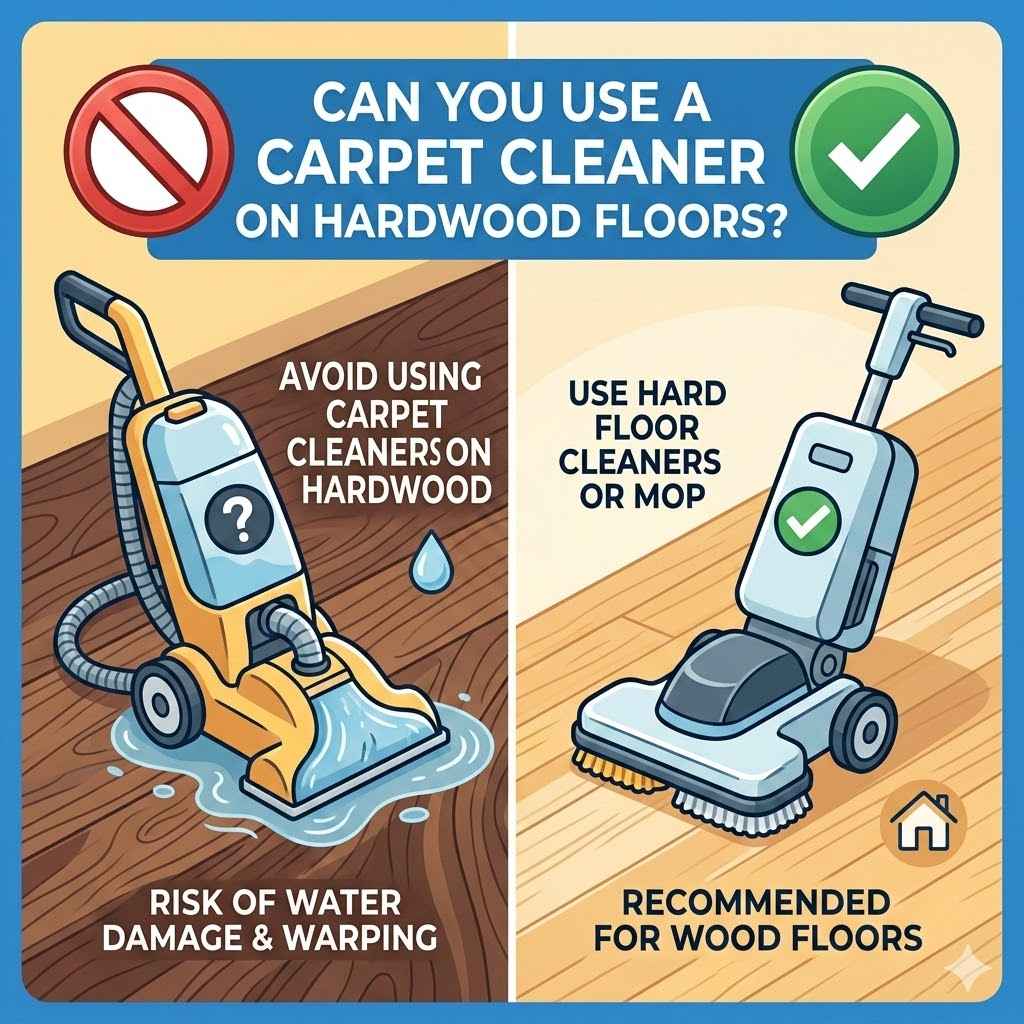
The primary concern is water. Carpet cleaners use a lot of water. Hardwood floors can be easily damaged by too much water.
This is the core reason why the question, Can You Use a Carpet Cleaner on Hardwood Floors?, is so critical to address.
The Risks of Using Carpet Cleaners on Hardwood
This section details the specific problems that can occur when you use a carpet cleaner on your hardwood floors. We will break down the damage that can happen and why it is so serious for your beautiful wood flooring.
Water Damage and Warping
Carpet cleaning machines are designed to saturate surfaces with water and cleaning solutions. This is essential for lifting dirt from carpet fibers. However, hardwood floors are not meant to be exposed to large amounts of moisture.
When water seeps into hardwood, it can cause the wood to expand. This expansion leads to warping, where the planks can become uneven, buckle, or lift. Over time, repeated exposure to excess water can permanently damage the wood’s structure.
The sealant on your hardwood floors acts as a barrier, but it is not waterproof. If the water penetrates the sealant, it reaches the wood itself, causing irreversible harm. Warped planks can be very expensive to repair or replace.
Damage to the Finish
The finish on your hardwood floors, whether it’s polyurethane, wax, or oil, is its protective coating. Carpet cleaning solutions often contain harsh detergents or chemicals that can strip away this finish.
When the finish is removed, the bare wood is exposed. This makes the floor much more vulnerable to scratches, stains, and future water damage. You might notice dull patches or discoloration where the cleaner has affected the finish.
Reapplying a new finish to hardwood floors is a significant undertaking. It usually involves sanding down the existing finish and then applying several new coats, which can be a costly and time-consuming process.
Residue and Stickiness
Carpet cleaning solutions are designed to dissolve and lift dirt that is trapped within carpet fibers. When used on a hard, non-porous surface like hardwood, these solutions can leave behind a sticky residue.
This residue can attract more dirt and grime, making your floors look dirty even after cleaning. It can also make the floor feel sticky underfoot. Trying to remove this residue can be difficult and may require special cleaning agents that could further damage the finish.
The leftover residue is a common problem because the machine is designed to leave some moisture behind to allow for extraction. On hardwood, this excess moisture and chemical mix doesn’t evaporate quickly and can create a gummy film.
Voiding Warranties
Many hardwood floor manufacturers provide warranties that cover defects in the material or finish. However, these warranties often have specific clauses about proper maintenance and cleaning methods.
Using a carpet cleaner on your hardwood floors is almost certainly not a recommended cleaning method. If damage occurs as a result of using such a machine, your warranty may be voided, leaving you responsible for all repair costs. It’s always best to check your flooring manufacturer’s guidelines.
Manufacturers want their products to last. They offer guidance on how to care for floors to ensure longevity. Using equipment and chemicals not specified for hardwood can be seen as user error that invalidates their promise of quality.
Safe Alternatives for Cleaning Hardwood Floors
Now that you understand the risks, this section provides you with the best and safest ways to clean your hardwood floors. You will learn about simple tools and gentle solutions that will keep your floors looking great.
The Best Tools for Hardwood Cleaning
When it comes to cleaning hardwood floors, the right tools make all the difference. You want tools that are effective without being abrasive or damaging.
A good quality microfiber mop is an excellent choice. Microfiber is soft, absorbent, and can pick up dust and dirt without scratching the floor’s surface. Look for mops with washable and replaceable heads, as this makes cleaning more hygienic and cost-effective.
A vacuum cleaner with a hard floor attachment is also very useful for daily cleaning. This attachment is designed to pick up debris without damaging the finish. Ensure the vacuum doesn’t have a beater bar that spins aggressively, as this can scuff the wood.
Recommended Cleaning Solutions
For regular cleaning, a damp mop with plain water is often sufficient. If you need a bit more cleaning power for spills or grime, there are specific hardwood floor cleaners available.
Many brands offer pH-neutral cleaners formulated specifically for sealed hardwood. These cleaners are designed to break down dirt effectively without harming the wood’s finish. Always follow the instructions on the product label.
A simple DIY solution can also work well. Mix a quarter cup of white vinegar with a gallon of warm water. Vinegar is acidic and helps cut through grease and grime, but it should be used sparingly and diluted.
Always test this solution in an inconspicuous spot first to ensure it doesn’t affect your floor’s finish.
Effective Cleaning Techniques
The key to cleaning hardwood floors is to use minimal moisture. Always wring out your mop thoroughly so it is only damp, not wet.
Start by sweeping or vacuuming to remove loose dirt and debris. This prevents scratching the floor when you mop. Then, use your damp mop and cleaning solution, working in sections.
Mop in the direction of the wood grain.
Immediately wipe up any standing water with a dry cloth. Allow the floor to air dry completely before walking on it. This approach ensures that your hardwood floors stay beautiful and protected for years to come.
Specialized Hardwood Floor Machines
This section discusses machines that are specifically designed for cleaning hard floors, including hardwood. It will help you understand the difference between these specialized tools and carpet cleaners.
What Are Hard Floor Cleaners?
Hard floor cleaners are machines engineered to safely and effectively clean surfaces like hardwood, tile, laminate, and vinyl. Unlike carpet cleaners, these machines are designed to use significantly less water and often have specialized brush rolls or pads that are gentle on hard surfaces.
These devices typically have separate tanks for clean water and dirty water. The cleaning process usually involves dispensing a small amount of cleaning solution and then immediately vacuuming or scrubbing it up. This prevents excessive moisture from pooling on the floor.
Many hard floor cleaners also incorporate a drying function, which further minimizes the risk of water damage. They are built with materials and designs that are considerate of the delicate nature of sealed wood finishes.
How They Differ from Carpet Cleaners
The primary difference lies in water usage and cleaning mechanisms. Carpet cleaners are built to saturate carpets deeply, whereas hard floor cleaners are designed for minimal moisture.
Carpet cleaners often use high-pressure sprayers and aggressive brush agitation. Hard floor cleaners, on the other hand, typically use gentle scrubbing pads or soft brush rolls that are designed not to scratch or damage hard surfaces.
The cleaning solutions are also a key differentiator. Carpet cleaners use solutions with strong detergents to penetrate carpet fibers. Hard floor cleaners use milder, pH-balanced solutions, or sometimes just water, to protect the finish of hard floors.
Examples of Hard Floor Cleaning Machines
There are several types of machines suitable for hardwood floors. One popular category is dual-action hard floor cleaners. These machines wash and dry in a single pass.
Brands like Bissell offer models such as the CrossWave, which can be used on both sealed hard floors and carpets (with specific settings). However, it is crucial to use the correct cleaning solution and settings for hardwood. For example, the CrossWave has a mode for hard floors that uses less water.
Another option is a steam mop, but only those specifically designed for sealed hardwood floors. True steam mops can emit too much heat and moisture. Look for steam mops with adjustable steam levels or a very gentle steam output.
Always check if your hardwood floor finish is compatible with steam.
Some people opt for dedicated hard floor polishers or scrubbers. These machines typically use rotating pads to clean and polish the floor. They are usually very effective but can be more expensive.
Choosing the Right Machine
When selecting a machine for your hardwood floors, always check the manufacturer’s recommendations. Look for machines that explicitly state they are safe for sealed hardwood.
Pay attention to the water usage and the type of brushes or pads it uses. A machine that allows you to control the amount of water dispensed and uses soft, non-abrasive cleaning heads is ideal.
Consider the types of messes you typically deal with. For everyday dirt and dust, a good vacuum with a hard floor attachment might be enough. For tougher grime, a dedicated hard floor cleaner will be more effective.
Maintaining Your Hardwood Floors
This section provides tips on how to keep your hardwood floors in excellent condition over the long term. Regular care is key to their longevity and beauty.
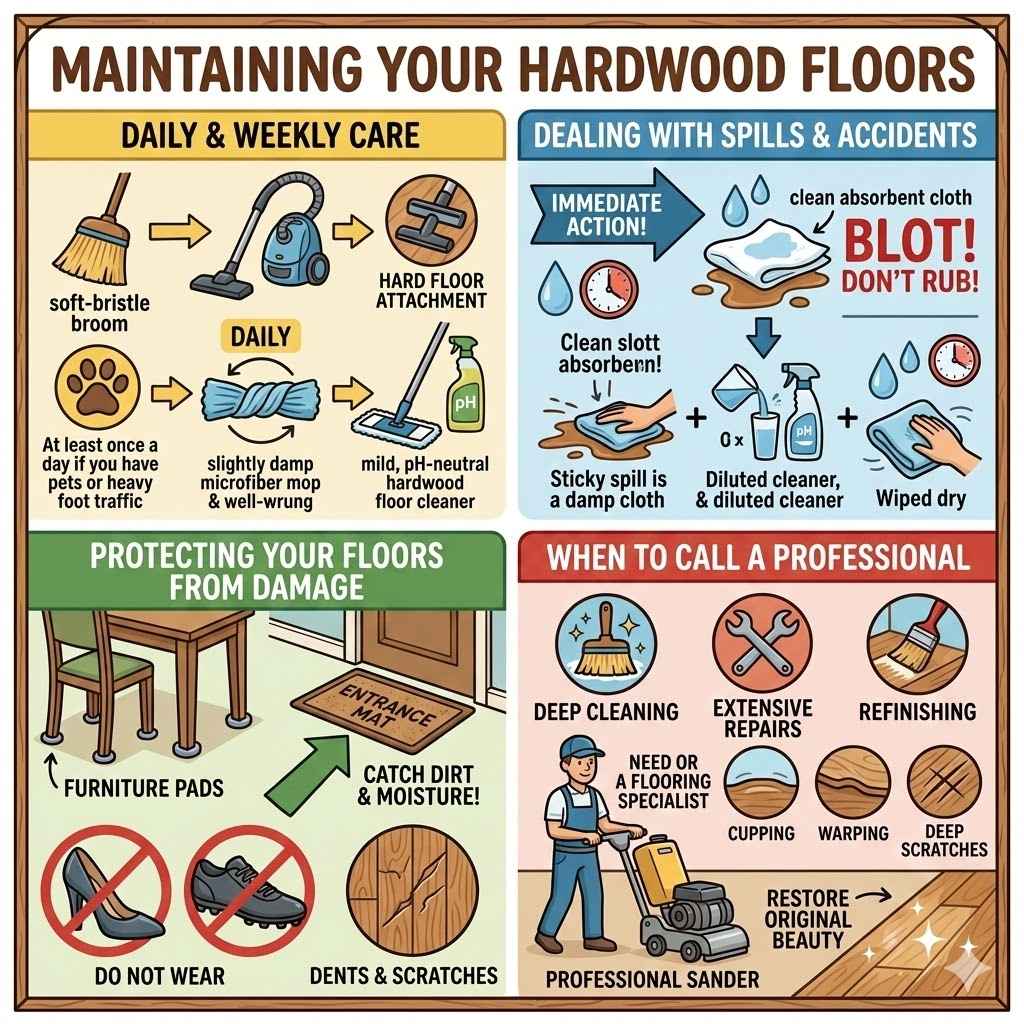
Daily and Weekly Care
Daily care involves simple steps to prevent dirt and grit from scratching your floors. Sweep or vacuum your hardwood floors regularly, at least once a day if you have pets or heavy foot traffic.
Use a soft-bristle broom or a vacuum cleaner with a hard floor attachment. This removes surface debris before it can be ground into the finish.
For weekly cleaning, use a slightly damp microfiber mop. As mentioned before, ensure the mop is wrung out very well. A mild, pH-neutral hardwood floor cleaner can be used if needed.
Dealing with Spills and Accidents
Spills should be cleaned up immediately. The longer a liquid sits on hardwood, the more likely it is to cause staining or damage.
Blot up the spill with a clean, absorbent cloth. Avoid rubbing, as this can spread the spill and potentially damage the finish.
For sticky spills, use a damp cloth with a tiny amount of diluted hardwood cleaner. Then, wipe the area dry with a clean cloth.
Protecting Your Floors from Damage
Use furniture pads on the legs of chairs, tables, and other furniture. This prevents scratches and dents when furniture is moved.
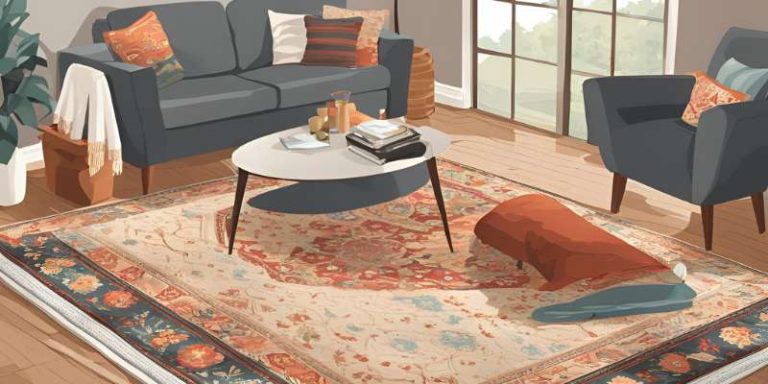
Place mats at all entrances to your home to catch dirt, sand, and moisture before it’s tracked onto your floors. Use rugs in high-traffic areas like hallways and living rooms to reduce wear.
Avoid wearing high heels or cleats on your hardwood floors. These can easily dent or scratch the surface.
When to Call a Professional
For deep cleaning, extensive repairs, or refinishing, it is often best to call a professional. They have the expertise and equipment to handle these tasks safely and effectively.
If you notice significant damage, such as cupping, warping, or deep scratches, consult a flooring specialist. They can assess the situation and recommend the best course of action.
Refinishing your hardwood floors can restore their original beauty. This process typically involves sanding and applying a new protective coating. Professionals can ensure this is done correctly without damaging the wood.
Frequently Asked Questions
Question: Can I use a steam cleaner on my hardwood floors?
Answer: While some steam mops are marketed for hard floors, it is generally not recommended for most sealed hardwood floors. The heat and moisture from steam can damage the finish and the wood itself. Always check your hardwood floor manufacturer’s specific recommendations before using a steam cleaner.
Question: What is the best way to clean hardwood floors after a pet accident?
Answer: Clean up the accident immediately by blotting with an absorbent cloth. For lingering odors or stains, use a specialized pet stain remover designed for hardwood floors or a very diluted solution of white vinegar and water, followed by a thorough drying.
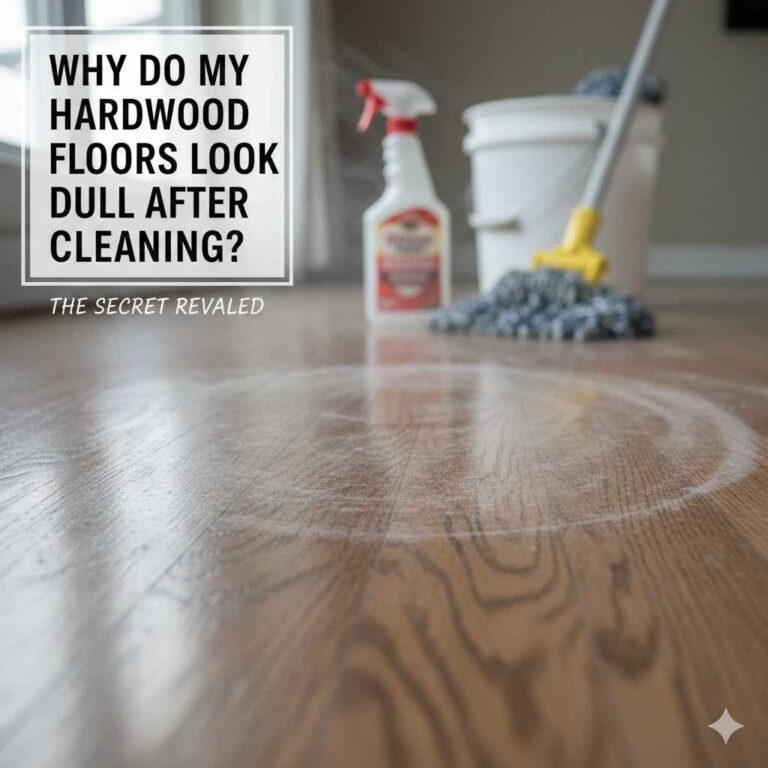
Question: My hardwood floors look dull. What can I do?
Answer: Dullness can be caused by a dirty finish or wear and tear. First, try a thorough cleaning with a recommended hardwood floor cleaner. If the dullness persists, your floor may need recoating or refinishing by a professional to restore its shine.
Question: How often should I clean my hardwood floors?
Answer: Daily sweeping or vacuuming is recommended to remove loose dirt. A damp mopping should be done weekly or bi-weekly, depending on traffic and how dirty the floors get. Always adjust based on your home’s specific needs.
Question: Can I use a wet mop on my hardwood floors?
Answer: No, you should never use a wet mop on hardwood floors. A “wet mop” implies leaving a significant amount of water on the surface, which can lead to water damage, warping, and a compromised finish. Always use a damp mop that has been thoroughly wrung out.
Conclusion
So, to answer Can You Use a Carpet Cleaner on Hardwood Floors? The answer is a clear no. Carpet cleaners are too wet and use the wrong chemicals for delicate hardwood surfaces. Stick to gentle damp mopping with pH-neutral cleaners or specialized hard floor machines for the best results and to protect your beautiful wood floors.