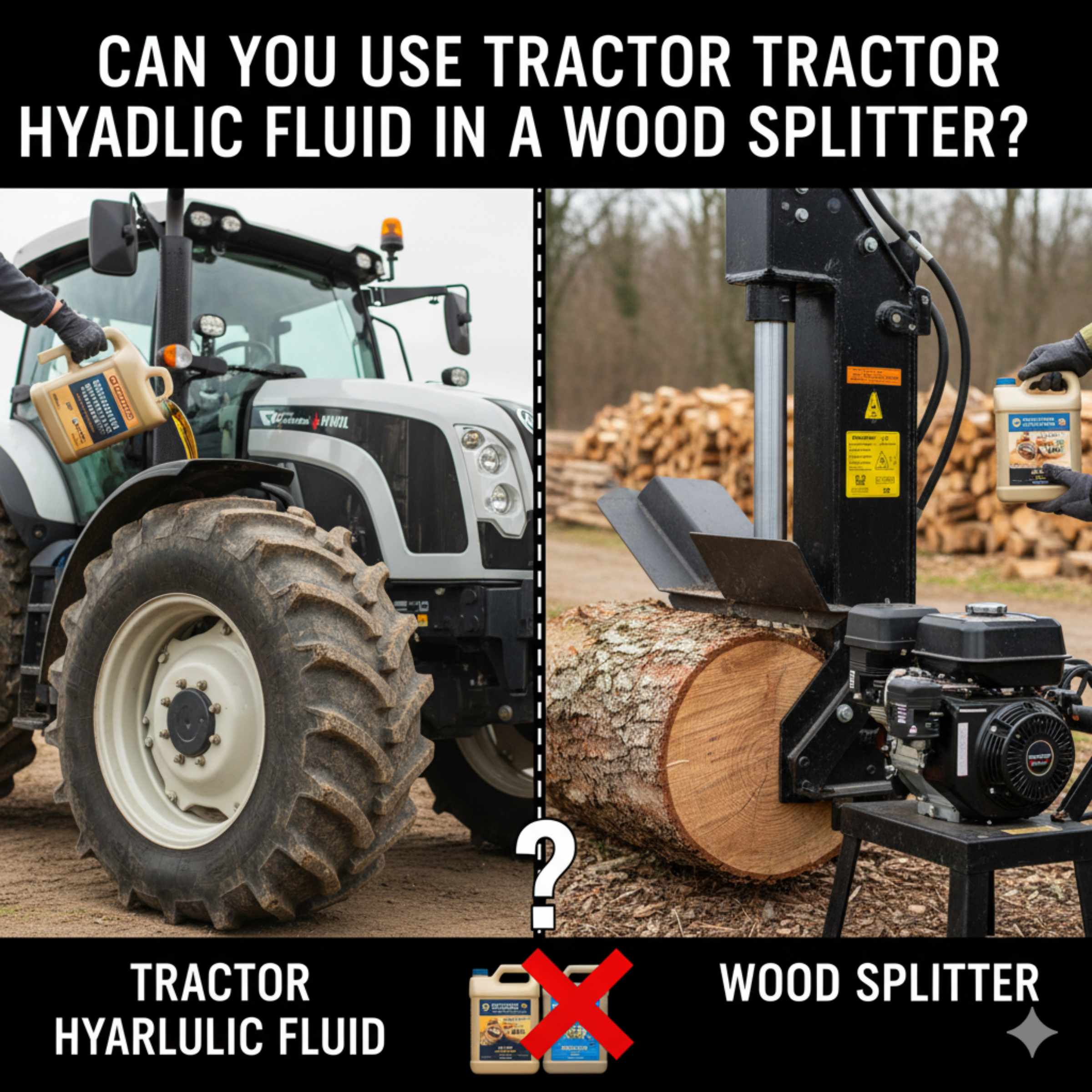
Can You Use Tractor Hydraulic Fluid in a Wood Splitter
Using tractor hydraulic fluid in your wood splitter is generally acceptable and often recommended, provided the fluid meets the viscosity grade (usually AW-32 or AW-46) and performance standards required by your splitter’s manufacturer. Look for Universal Tractor Transmission Fluid (UTTF) or ISO 46/68 compatible grades. Always check your wood splitter’s owner’s manual first to ensure compatibility and protect your hydraulic pump.
Hey there, I’m Meraj, and if you’re tackling the chore of splitting wood, you know how crucial it is to keep your machine running smoothly. One of the most common questions I hear from homeowners is about hydraulic fluid. If you have a tractor or other farm equipment, you might be tempted to grab that handy jug of tractor fluid for your log splitter. It’s affordable, available, and right there! But will it work, and more importantly, is it safe for your machine?
I know dealing with different oil types can feel like navigating a complex maze. It’s frustrating when you just want a simple answer so you can get back to splitting wood! Don’t worry. We’re going to simplify this whole topic. I’ll walk you through exactly what hydraulic fluid does, how tractor fluid stacks up, and the exact steps to choose the right fluid for maximum power and machine longevity. By the time we’re done, you’ll be confident in making the best choice.
Understanding Hydraulic Fluid: The Lifeblood of Your Splitter
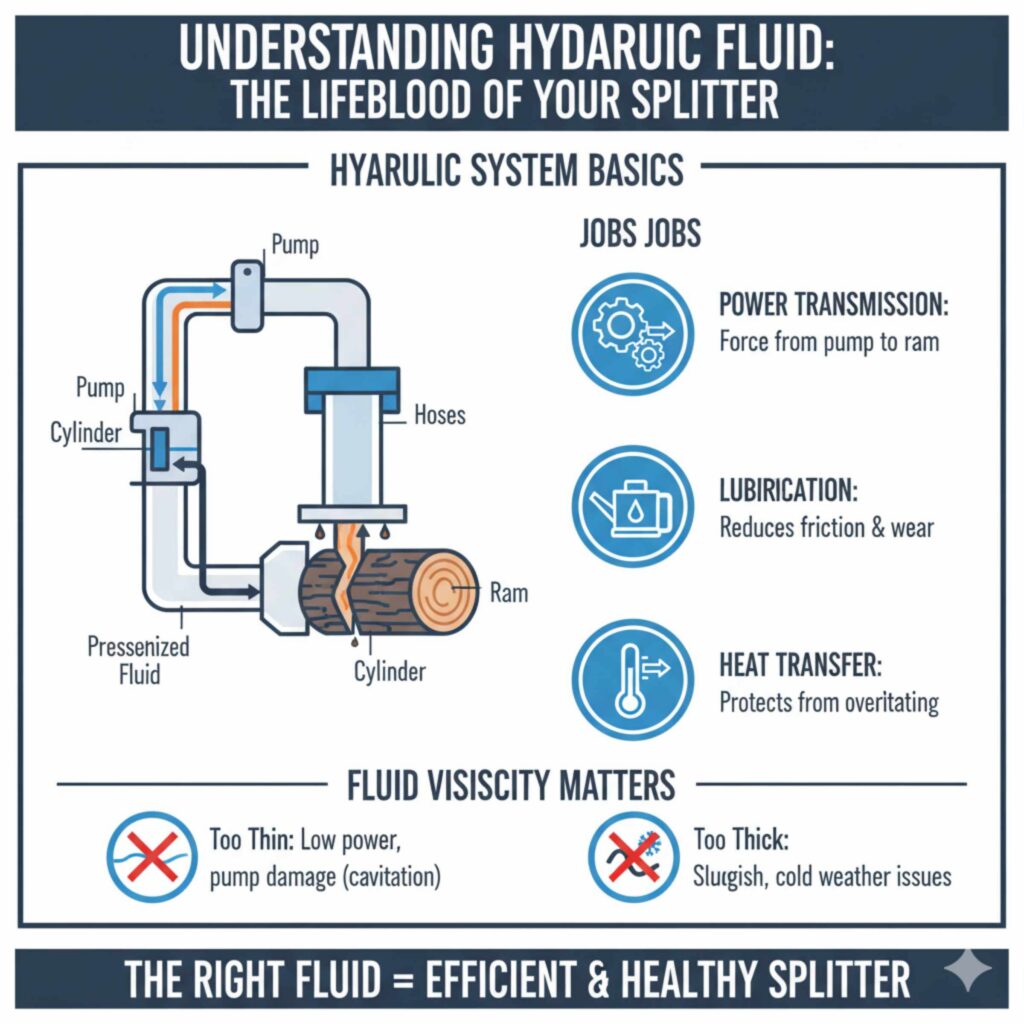
Before we decide if tractor fluid is a good substitute, let’s quickly cover what hydraulic fluid actually does in your wood splitter. It’s much more than just oil; it’s the muscle that moves the ram and splits those tough logs.
A log splitter operates on a hydraulic system—a closed loop of pressurized fluid. When you engage the lever, a pump pushes the fluid through the lines and into the cylinder. This pressure is what extends the ram, giving you the massive force needed to cleave wood.
Three Key Jobs of Hydraulic Fluid
- Power Transmission: It transmits the force from the pump to the ram (the primary job).
- Lubrication: It lubricates all the moving parts inside the pump and cylinder, reducing friction and wear.
- Heat Transfer: It absorbs and carries away the heat generated by friction and compression, protecting the system from overheating.
If the fluid is too thin, it won’t transmit power efficiently and can damage the pump (known as cavitation). If it’s too thick, it makes the system sluggish, especially in cold weather.
Tractor Hydraulic Fluid vs Standard Hydraulic Fluid: The Comparison
When people talk about “tractor hydraulic fluid,” they are usually referring to a specific category of lubricant designed for farm equipment. The most common type is Universal Tractor Transmission Fluid (UTTF), sometimes called Universal Hydraulic Fluid (UHF).
UTTF is special because it’s designed to handle multiple tasks in a tractor, lubricating the transmission, the differential, the wet brakes (if applicable), and, most importantly for us, the hydraulic system.
Key Differences and Similarities
The main factor in determining compatibility is the fluid’s Viscosity Grade (how thick or thin it is) and the Additives Package (what special protective ingredients are included).
In most residential and light commercial wood splitters, the manufacturer specifies an anti-wear (AW) hydraulic oil, usually an AW-32 (ISO 32) or AW-46 (ISO 46). These numbers refer to the fluid’s viscosity measured at a specific temperature.
| Fluid Type | Common ISO Viscosity Range | Primary Purpose | Compatibility with Wood Splitters |
|---|---|---|---|
| AW-32 / AW-46 Hydraulic Oil | ISO 32 or ISO 46 | Purely hydraulic systems (pressure transmission, lubrication) | Excellent. Usually the manufacturer’s first choice. |
| Universal Tractor Transmission Fluid (UTTF) | Varies, often equivalent to ISO 46 or ISO 68 at operating temperature. | Hydraulics, transmissions, wet brakes, and differentials. | Generally Good. Must meet the splitter’s required viscosity. |
| Motor Oil (e.g., 10W-30) | Varies widely. | Engine lubrication (heat and combustion resistance) | Poor. Not suitable unless specified by the manufacturer (rare). |
The Verdict: When Tractor Fluid is a Safe Choice
The short answer is yes, you can usually use UTTF (tractor fluid) in a wood splitter, but you need to read the label carefully.
Check the Specs: The Golden Rule
The biggest hurdle is making sure the tractor fluid you choose matches the required ISO viscosity grade of your wood splitter. Most modern UTTFs are designed to be high-performance, multi-functional fluids that easily meet the requirements of a simple hydraulic system like a wood splitter.
Look for UTTF products that explicitly state they meet the specifications for a major equipment brand (like John Deere J20C or equivalent). These fluids typically contain robust anti-wear and anti-foaming additives, which are excellent for your splitter’s pump.
The Advantages of Using UTTF (Tractor Fluid)
- Availability: It’s widely available at farm supply stores and big-box retailers.
- Cost-Effective: Often less expensive than dedicated AW hydraulic oils, especially when purchased in large volumes.
- Good Protection: High-quality UTTFs include strong additive packages to protect against wear, rust, and oxidation—perfect for a hard-working wood splitter.
The Potential Downsides
- Viscosity Range: Some older or cheaper tractor fluids might be too thick (closer to ISO 68 or 100), especially during cold winter startups. This can cause sluggish operation and strain your pump.
- Additive Conflicts: If you are topping off, ensure you are not mixing drastically different fluid types, as additives can clash, leading to fluid breakdown or foaming. Always aim to stick to one fluid type.
Step-by-Step: How to Choose the Right Fluid for Your Splitter
Choosing the right hydraulic fluid is not a guessing game; it’s a simple checklist process. Follow these steps to ensure you select a fluid that maximizes performance and protects your investment.
Step 1: Consult Your Owner’s Manual First
This is the single most important step. Your manufacturer knows exactly what fluid your pump and seals are designed for. Look for a section titled “Maintenance,” “Fluids,” or “Hydraulic System.”
The manual will specify:
- The exact ISO Viscosity Grade (e.g., AW-32 or AW-46).
- A specific Fluid Type (e.g., Anti-Wear Hydraulic Fluid).
- Sometimes, it will list compatible alternatives, which might include specific UTTF standards.
For example, if your manual requires an ISO 46 fluid, you need a tractor fluid that explicitly states it meets or exceeds the performance characteristics of an ISO 46 AW hydraulic oil.
Step 2: Consider Your Climate and Operating Temperature
Viscosity matters greatly based on the temperature you operate in. If you plan to split wood in freezing conditions, you need a fluid with a good Viscosity Index (VI)—a measure of how stable the viscosity is across a temperature range.
| Operating Condition | Recommended ISO Grade | Reasoning |
|---|---|---|
| Cold Weather (< 32°F / 0°C) | ISO 32 (or fluids with high VI) | Thinner fluid moves easier on startup, reducing strain on the pump. |
| Moderate Weather (32°F – 80°F) | ISO 46 | The most common and balanced grade for typical use. |
| Hot Weather (> 80°F / 27°C) | ISO 68 (or AW-46 high-quality) | Thicker fluid maintains lubricating film better when temperatures rise. |
Most UTTFs are multi-viscosity, meaning they are designed to perform well in varying temperatures, making them an excellent choice for year-round splitting.
Step 3: Read the Label and Check the Additives
When buying UTTF, confirm these protective features are present:
- Anti-Wear (AW) Agents: Essential for protecting the pump.
- Anti-Foaming Agents: Prevents air bubbles from forming, which can destroy your pump (this is called cavitation).
- Rust and Oxidation Inhibitors: Protects internal metal parts from corrosion and fluid breakdown.
If the label clearly states it is a high-quality UTTF meeting multiple heavy-duty standards (like J20C, or others listed in your manual), it is likely safe to use.
Important Safety and Maintenance Tips
Choosing the right fluid is just the beginning. Proper maintenance ensures your wood splitter stays powerful and safe for years to come. Remember, safety first! Before starting any maintenance, ensure the engine is off and cooled down, and the ram is fully retracted.
The Dangers of Mixing Fluids
As a rule of thumb, avoid mixing different types of hydraulic fluid whenever possible. If you are switching from a standard AW-46 to a UTTF, it’s best practice to completely drain the old fluid and replace it entirely.
Why avoid mixing?
- Additive Conflict: Different manufacturers use different chemical compositions for their additive packages. Mixing them can sometimes neutralize the protective qualities, leading to poor lubrication and premature wear.
- Seal Compatibility: While rare with common fluids, certain blends can degrade rubber seals and hoses over time.
- Foaming: If two fluids have incompatible anti-foaming agents, the mixture can cause excessive foaming, leading to pump damage.
How to Check and Change Your Hydraulic Fluid
Checking the fluid is easy; changing it ensures peak performance. Here’s a quick maintenance schedule:
- Check Fluid Level (Before Every Use): Always check the dipstick or sight gauge when the ram is fully retracted. The fluid should be in the recommended range. Running low on fluid is a fast way to burn out your pump.
- Inspect Fluid Quality (Seasonally): Pull the dipstick. The fluid should be clear or light amber. If it looks milky (indicating water contamination) or very dark (indicating excessive heat or contamination), it’s time for a change.
- Change Frequency: Most manufacturers recommend changing the hydraulic fluid every 100 to 200 hours of operation, or at least once per splitting season, especially if you operate in dusty conditions or extreme temperatures.
For more detailed safety information regarding hydraulic systems, it’s always wise to consult official resources on safe handling and disposal of these oils, such as guides provided by the Environmental Protection Agency (EPA) regarding used oil management.

FAQs for Wood Splitter Hydraulic Fluid
Q: Can I use motor oil like 10W-30 in my wood splitter?
A: Generally, no. Motor oil is designed to lubricate high-heat engine parts and resist combustion, not to transmit high hydraulic pressure. While some very old or small electric splitters might list 10W-30 as an emergency option, modern splitters require AW-rated hydraulic oil or compatible UTTF. Using motor oil usually lacks the necessary anti-foaming and anti-wear additives needed for the hydraulic pump.
Q: What happens if I use the wrong type of fluid?
A: Using the wrong fluid, especially one with incorrect viscosity, can lead to several problems. If it’s too thin (low viscosity), you’ll get poor pressure and excessive heat, leading to pump cavitation (damage). If it’s too thick, the machine will be sluggish, especially in the cold, and strain the engine or motor.
Q: How do I know if my tractor fluid is compatible with ISO 46?
A: Check the back of the UTTF container. Reputable brands will list the industry standards and specifications the fluid meets. Look for statements that confirm it meets or exceeds ISO 46 standards or lists equivalent specifications like AW-46 or common manufacturer specs like John Deere J20C or Caterpillar TO-2, which often overlap with the necessary hydraulic properties.
Q: How often should I check the hydraulic fluid level?
A: You should check the fluid level every time you plan to use the wood splitter. Low fluid levels cause the pump to suck in air, which leads to overheating, foaming, and potentially catastrophic pump failure. It’s a simple check that saves major repair costs.
Q: Is there a difference between standard hydraulic fluid and tractor hydraulic fluid?
A: Yes. Standard hydraulic fluid (like AW-46) is optimized strictly for hydraulic power transmission. Tractor hydraulic fluid (UTTF) is a multi-functional oil engineered to serve multiple components, including the transmission, wet clutches, and hydraulics. For a wood splitter, which only uses the hydraulic function, a high-quality UTTF generally works just as well as the standard AW fluid, provided the viscosity matches.
Final Verdict: Yes—If the Specs Match, Tractor Fluid Can Be a Smart Choice
Using tractor hydraulic fluid in your wood splitter can be a safe and effective option as long as it meets the viscosity grade and performance standards specified by your manufacturer. In most cases, a high-quality Universal Tractor Transmission Fluid (UTTF) that aligns with ISO 32 or ISO 46 requirements will deliver reliable power, proper lubrication, and solid heat protection for residential and light commercial log splitters.
The key takeaway is simple: the label matters more than the name. Always start with your owner’s manual, confirm the required ISO viscosity, and choose a fluid with proven anti-wear, anti-foaming, and corrosion-inhibiting additives. When selected correctly, tractor hydraulic fluid offers convenience, availability, and cost savings without sacrificing performance.
Just as important, avoid mixing incompatible fluids, keep an eye on fluid condition, and follow a regular maintenance schedule. These small habits go a long way toward protecting your hydraulic pump and extending the life of your splitter.
In the end, a well-matched hydraulic fluid—whether it’s dedicated AW oil or compatible tractor fluid—means smoother operation, stronger splitting power, and fewer breakdowns when you need your machine most. Choose wisely, maintain consistently, and your wood splitter will be ready to work whenever you are!