Cleaning a Wood Cutting Board After Raw Chicken
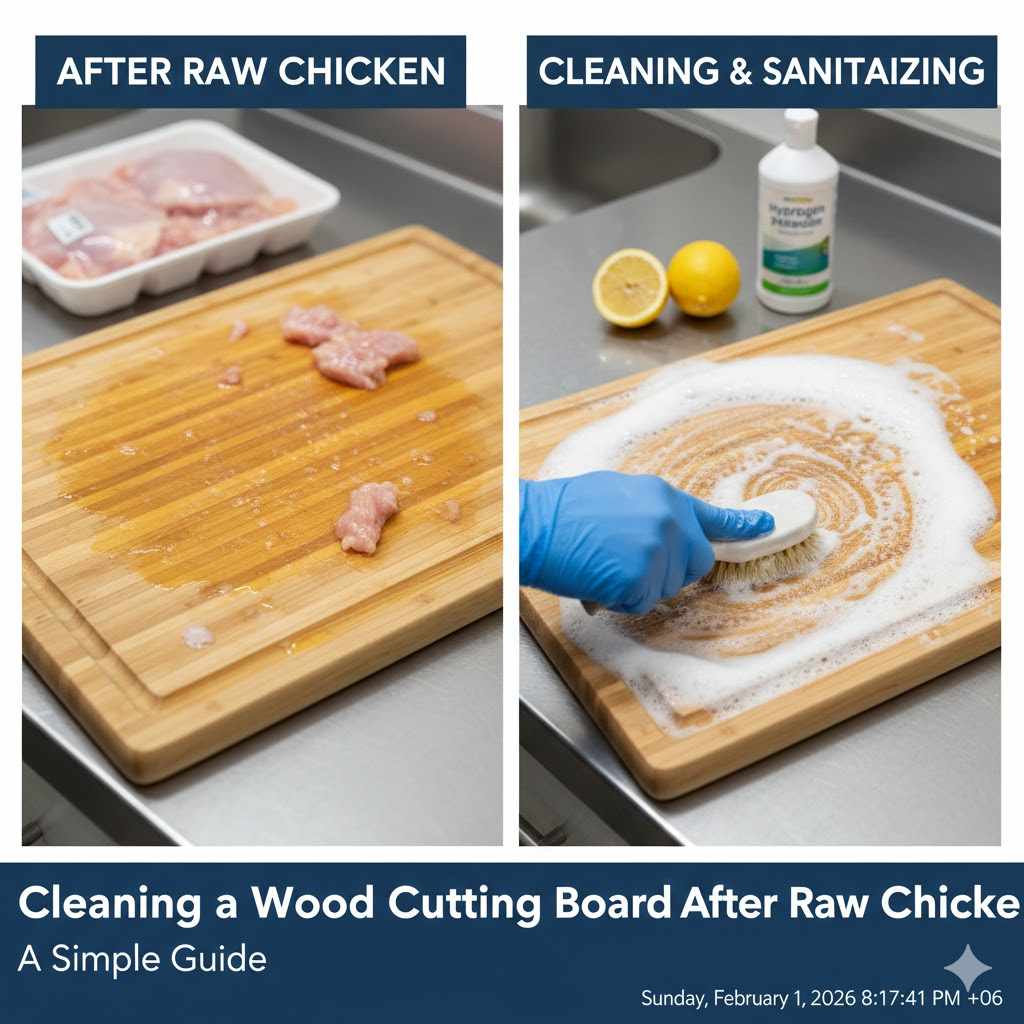
It’s super common to worry about germs when you’re cooking with raw chicken. Figuring out How to Clean a Wood Cutting Board After Raw Chicken can seem tricky, especially if you’re just starting out in the kitchen. Don’t sweat it! This guide will break down the process step-by-step so you can be sure your cutting board is safe and clean. We’ll show you exactly what to do, making it easy to protect yourself and your family. Let’s get started with a simple guide to safe food preparation.
What Makes Cleaning a Cutting Board Tricky
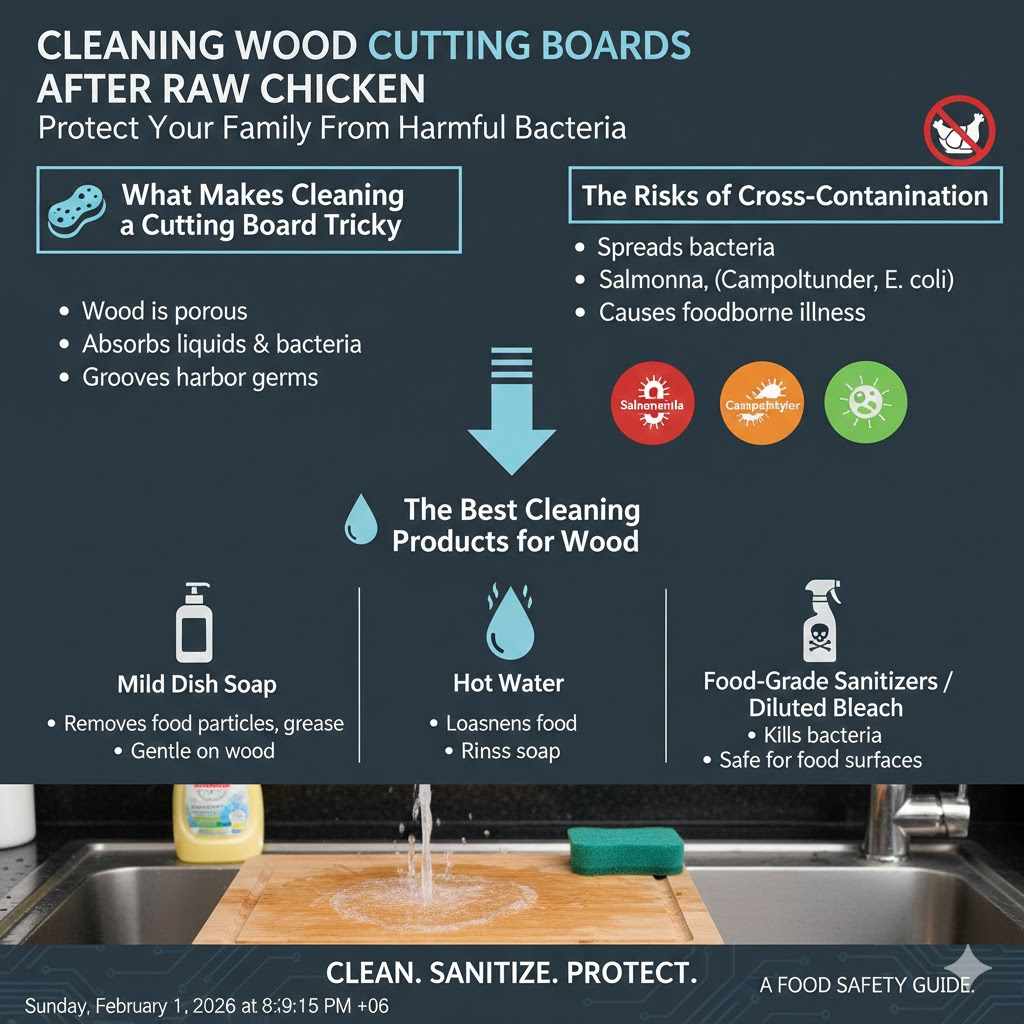
Wood cutting boards are a kitchen staple, loved for their durability and natural look. However, their porous nature presents unique cleaning challenges. Unlike plastic or glass boards, wood can absorb liquids, including potentially harmful bacteria like salmonella and campylobacter that might be present in raw chicken. These microorganisms can then thrive within the wood’s fibers, posing a risk of cross-contamination if the board isn’t properly cleaned.
The surface itself also has tiny grooves and imperfections where food particles and bacteria can hide, making thorough cleaning absolutely key. Additionally, harsh cleaners can damage the wood, leading to cracks that further harbor bacteria and reduce the board’s lifespan. These cracks can be hard to spot, making it even more important to be careful with the way you clean your cutting board after handling raw chicken.
The Risks of Cross-Contamination
Cross-contamination is a big deal in food safety. It happens when bacteria from one food item, like raw chicken, spreads to other foods, surfaces, or even your hands. If you cut vegetables on a cutting board that had raw chicken on it and wasn’t properly cleaned, those vegetables could get contaminated. Eating contaminated food can lead to foodborne illnesses, causing symptoms like nausea, vomiting, diarrhea, and fever.
In some cases, these illnesses can be serious, especially for young children, the elderly, or people with weakened immune systems. That’s why cleaning your cutting board properly after working with raw chicken is extremely important to keep everyone safe and healthy. It’s not just about cleaning; it’s about preventing illness.
Salmonella: Salmonella is a common type of bacteria often found in raw poultry. It can cause salmonellosis, which involves fever, diarrhea, and stomach cramps. Good cleaning practices eliminate this risk.
Salmonella is a type of bacteria that commonly causes food poisoning. It’s often found in raw or undercooked poultry, eggs, and other foods. If you get salmonellosis, you might experience symptoms like fever, diarrhea, and stomach cramps. To prevent it, always make sure to wash your hands after touching raw chicken, and thoroughly clean any surface the chicken has touched.
Campylobacter: Another frequent culprit in foodborne illness, campylobacter can lead to campylobacteriosis, with symptoms similar to salmonella. Proper sanitization is vital.
Campylobacter is a type of bacteria that often causes food poisoning. It’s frequently found in raw and undercooked poultry. If you contract campylobacteriosis, you might experience fever, diarrhea, and stomach cramps. To prevent this, thoroughly cook all poultry and wash surfaces where raw chicken has been prepared.
E. coli: While less common in chicken, E. coli can still be present and cause serious health issues. Thorough cleaning reduces the potential risk.
E. coli is a type of bacteria. Some strains of E. coli are harmless and live in our intestines, but others can cause serious illness. Certain types of E. coli can make you very sick, leading to diarrhea, stomach cramps, and sometimes even kidney failure. To minimize any risk, thoroughly clean surfaces that have touched raw chicken.
The Best Cleaning Products for Wood
When cleaning a wood cutting board, it’s important to use the right products to avoid damaging the wood while still getting rid of dangerous bacteria. Avoid using abrasive cleaners, such as steel wool or harsh chemical cleaners, as they can scratch the wood’s surface, making it easier for bacteria to hide.
Also, avoid putting wood cutting boards in the dishwasher, as the high heat and strong detergents can warp and damage the wood. Instead, opt for mild dish soap and hot water as the base for cleaning. For sanitization, use a solution of diluted bleach or a food-grade sanitizing spray. These are designed to kill bacteria without harming the wood.
Mild Dish Soap: This is the starting point for cleaning. It removes food particles and grease without being too harsh on the wood.
Mild dish soap is an effective and safe choice for cleaning wood cutting boards. It helps to remove food particles, grease, and other debris from the surface without scratching the wood or leaving behind any strong chemical residue. When washing your cutting board, be sure to use warm water to help lift away any stuck-on pieces.
Hot Water: Hot water helps to loosen food particles and rinse away soap. It also helps to kill some bacteria, though it’s not a sanitizer on its own.
Hot water is another important tool for cleaning a wood cutting board. It helps to loosen food particles, rinse away soap, and dissolve grease. While hot water alone won’t sanitize the board completely, it contributes to cleaning. Be sure that the water is hot, but not boiling, as extreme temperatures can harm the wood.
Food-Grade Sanitizing Sprays or Diluted Bleach: These are the key to killing bacteria. They’re designed to be safe for food surfaces.
Food-grade sanitizing sprays or diluted bleach are important for ensuring your cutting board is safe to use. You can either use a food-grade sanitizing spray, following the directions on the label, or make your own solution with diluted bleach (1 tablespoon of bleach per gallon of water). It is important to remember to rinse the board thoroughly after using any sanitizing product.
The Step-by-Step Guide to Cleaning Your Cutting Board
Cleaning a wood cutting board after handling raw chicken is not difficult. It just requires a specific process to get the best results. Here’s a simple, easy-to-follow guide to get your board clean and safe for your next culinary creation. By following these steps carefully, you will eliminate germs and keep your cutting board in great shape. Remember, the goal is to get rid of food residue and sanitize the surface.
Rinsing and Scraping
The first step in cleaning a wood cutting board after raw chicken is removing any loose food particles. Start by rinsing the board under warm, running water to dislodge any large pieces of chicken or other debris. Use a clean spatula or a bench scraper to gently scrape off any remaining food residue. Be careful not to use excessive pressure to prevent scratching the wood.
This preliminary step helps to clear the surface and prevent the spread of bacteria during further cleaning. If you don’t rinse and scrape, you might end up spreading the bacteria around rather than removing them. This helps to reduce the amount of work in the next cleaning phases. Getting rid of the big chunks makes everything go more smoothly.
Washing With Soap and Water
After rinsing and scraping, it’s time for a proper wash using dish soap and hot water. Apply a small amount of mild dish soap to the surface of the cutting board. Using a clean sponge or a soft-bristled brush, scrub the entire surface, including the edges, in a circular motion. This will remove any remaining food particles and grease.
Make sure to get into any grooves or areas where food might have become trapped. Rinse the board thoroughly under running hot water to remove all traces of soap. Make sure to get rid of all the soap. Any remaining soap could affect the food you prepare on the board later.
Sanitizing the Surface
After washing, the next step is sanitizing the cutting board to get rid of any lingering bacteria. You can either use a food-grade sanitizing spray, or you can create a sanitizing solution with diluted bleach. If using bleach, mix one tablespoon of bleach with one gallon of water in a spray bottle or a clean container. Spray or pour the solution evenly over the entire surface of the cutting board. Allow the solution to sit for a few minutes.
Then, rinse the board very well under hot, running water. This sanitizing step ensures that any bacteria from the raw chicken have been destroyed, leaving your cutting board safe to use. Always remember to rinse very well after sanitizing.
Drying and Maintenance
Proper drying and maintenance are vital for keeping your wood cutting board in good condition. After sanitizing and rinsing, dry the board immediately with a clean, dry towel. Air drying is not recommended, as it can encourage bacterial growth. Once the board is dry, it’s a good idea to apply a food-grade mineral oil or cutting board oil. This helps to hydrate the wood, preventing it from drying out, cracking, and absorbing odors.
Apply the oil liberally, let it soak in for a few hours, and then wipe off the excess. Regular oiling helps to maintain the board’s protective qualities and extends its lifespan. This is an important part of the process, and helps keep your cutting board in good shape for a long time.
Advanced Cleaning Techniques
Beyond the basic steps, there are a few advanced cleaning techniques to keep your cutting board in top condition and ensure the highest level of food safety. These strategies address stubborn stains, lingering odors, and deep-seated bacteria, ensuring your cutting board remains a safe and reliable tool in your kitchen. Incorporating these practices into your routine will make cleaning more effective. These additional steps can address any concerns and maintain the quality of your wood cutting board.
Dealing With Stubborn Stains
Sometimes, food can stain a wood cutting board, even after a thorough cleaning. Chicken, with its ability to transfer dyes from the meat, may leave marks on the board. For stubborn stains, create a paste of baking soda and water. Apply the paste to the stained area, let it sit for a few minutes, and then scrub gently with a soft brush.
Rinse the board thoroughly and re-sanitize. The baking soda acts as a gentle abrasive that helps lift the stain without damaging the wood. This approach is effective against a variety of stains and is a good option to maintain the appearance of your cutting board. This method is helpful for keeping the board looking as good as new.
Eliminating Lingering Odors
If your cutting board has absorbed odors from the raw chicken or other strong-smelling foods, it’s a sign that bacteria may still be present. To remove lingering odors, you can use a solution of white vinegar and water. Mix equal parts of white vinegar and water in a spray bottle. Spray the mixture over the entire surface of the cutting board and let it sit for a few minutes. Vinegar is a natural deodorizer and disinfectant, so it can help get rid of unwanted smells.
Rinse the board thoroughly and then sanitize as usual. This technique will help make sure that your cutting board is both clean and odor-free, ready for use. It makes the cutting board smell fresh.
Deep Cleaning With Salt and Lemon
For a more intensive cleaning, you can use the combination of salt and lemon. Sprinkle coarse salt over the entire surface of the cutting board. Cut a lemon in half and use the cut side to scrub the board, squeezing the lemon to release the juice as you scrub. The salt acts as a mild abrasive to remove stains and the lemon juice helps to sanitize and deodorize. After scrubbing, rinse the board very well and sanitize.
This method is particularly effective for getting rid of tough stains and odors. It’s a natural and effective way to clean your cutting board. This is a great choice when dealing with strong odors or tough stains.
How Often Should You Clean Your Cutting Board?
How often you clean your cutting board depends on what you’re using it for. Cleaning a wood cutting board is important to prevent cross-contamination and ensure the safety of your food. However, it’s not enough to clean it just occasionally. Regular cleaning habits are very important in keeping you and your family safe. Understanding the appropriate frequency and methods of cleaning is crucial to making sure your cutting board remains a hygienic tool.
Cleaning After Each Use
The best practice is to clean your cutting board after each use, especially if it has come into contact with raw chicken, raw meats, or any other foods that can harbor bacteria. This immediate cleaning reduces the chance of bacteria spreading. The cleaning process should always start with rinsing the board to remove loose food particles, followed by washing with hot, soapy water, sanitizing, and drying.
This routine ensures that the board is clean, safe, and ready for the next food preparation task. This immediate action is a good habit. Following these steps helps stop any germs from spreading around your kitchen.
Cleaning and Sanitizing for Different Foods
While the basic cleaning steps remain the same, different foods might require more rigorous cleaning. After cutting raw chicken, thorough cleaning and sanitizing are essential to remove any bacteria. For vegetables and fruits, a quick wash with soap and water is often sufficient. If you’ve cut strong-smelling foods like onions or garlic, you might want to consider using the white vinegar solution to eliminate any lingering odors.
This will help make sure that the flavors don’t carry over to other foods. Always adjust your cleaning routine based on what you’ve prepared on the board. It ensures that the board remains clean and free of contamination.
Maintenance Schedule for Your Cutting Board
In addition to cleaning after each use, it’s a good idea to implement a regular maintenance schedule for your wood cutting board. This includes oiling the board periodically to keep it moisturized and prevent cracking. The frequency of oiling can vary, but generally, oil your cutting board at least once a month, or more often if it’s used frequently or seems dry.
Apply a food-grade mineral oil, allowing it to soak in, and wiping off the excess. Deep cleaning with the baking soda paste, vinegar, or salt and lemon methods can be done every few weeks or as needed, depending on the board’s condition and usage. These habits will make the board last longer.
Other Tips for Cutting Board Safety
In addition to the cleaning practices, there are a few extra tips that will help in maintaining a safe and clean kitchen environment. These will improve hygiene and keep the wooden surface looking great and lasting longer. Following these tips will improve the safety of your food preparation and extend the useful life of your cutting board.
Use Separate Boards for Different Foods
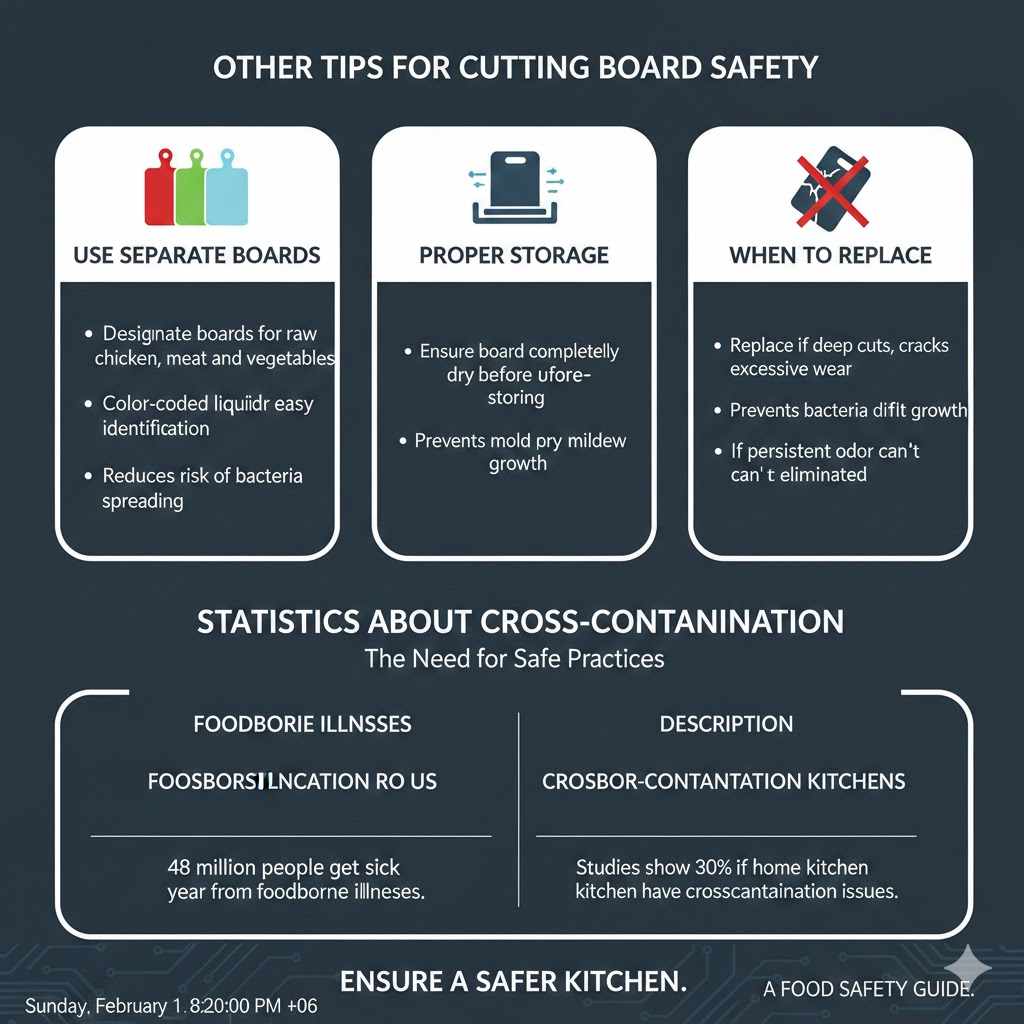
One of the best ways to reduce cross-contamination is to use separate cutting boards for raw chicken, raw meat, vegetables, and cooked foods. Designating different boards for specific food groups will reduce the risk of bacteria spreading. Color-coded boards can make it easy to remember which board is for what food. This makes it easier to clean up and be sure that all the food is safe. This simple practice offers peace of mind.
How to Properly Store Your Cutting Board
Proper storage is just as important as cleaning. After cleaning and drying your cutting board, make sure it is completely dry before storing it. Store the board in a dry place to prevent mold and mildew growth. Avoid storing the board in a damp environment or enclosed space, as this can encourage the growth of bacteria and other microorganisms. A well-ventilated area is best. This practice will add to the lifespan of the board.
When to Replace Your Cutting Board
Even with good cleaning and maintenance, your cutting board will eventually wear out. Knowing when to replace your cutting board is important for food safety. If you see deep cuts, cracks, or excessive wear, it might be time to replace it, as these areas can harbor bacteria that are difficult to eliminate. If the board develops a persistent odor that you can’t remove, it’s also a sign that the board may need to be replaced. Replace it if you can’t get it clean. Proper care will make your cutting board last longer.
Statistics about cross-contamination show the need for these practices.
| Statistic | Description |
|---|---|
| Foodborne Illnesses in the US | According to the CDC, approximately 48 million people get sick from foodborne illnesses each year in the United States. |
| Cross-Contamination in Kitchens | Studies show that cross-contamination is a very common issue in home kitchens. In a study, it was found that approximately 30% of home kitchens had some kind of cross-contamination issue. |
Frequently Asked Questions
Question: Can I use hot water to clean my cutting board?
Answer: Yes, hot water is a good part of the cleaning process. It helps to loosen food particles and rinse away soap. However, you need to use hot, soapy water and a sanitizer too.
Question: What’s the best way to get rid of odors on a wood cutting board?
Answer: A solution of equal parts white vinegar and water can help eliminate lingering odors. Spray the mixture on your board, let it sit for a few minutes, rinse thoroughly, and then sanitize.
Question: Can I put my wood cutting board in the dishwasher?
Answer: It’s generally not a good idea to put wood cutting boards in the dishwasher. The high heat and harsh detergents can warp the wood and damage its protective oils.
Question: How often should I oil my cutting board?
Answer: You should oil your cutting board at least once a month, or more often if it’s used frequently or seems dry. Use food-grade mineral oil for this purpose.
Question: What should I do if my cutting board has deep cuts or cracks?
Answer: Deep cuts and cracks can harbor bacteria. If your cutting board has these, it’s time to replace it. They can’t always be cleaned effectively.
Final Thoughts
Maintaining a clean and safe cutting board after working with raw chicken is all about a consistent routine. It involves proper rinsing, thorough washing with soap and hot water, and a final sanitizing step. It also includes taking care of your board, by oiling and protecting it from damage. Using separate boards for different types of foods and knowing when it’s time to replace your board are also crucial.
By making these practices a regular part of your cooking, you can feel confident that you’re keeping your kitchen clean and your food safe. Cleaning after preparing raw chicken protects your health, so get ready to enjoy the benefits. Follow these tips and you’ll improve your kitchen safety for many meals to come!