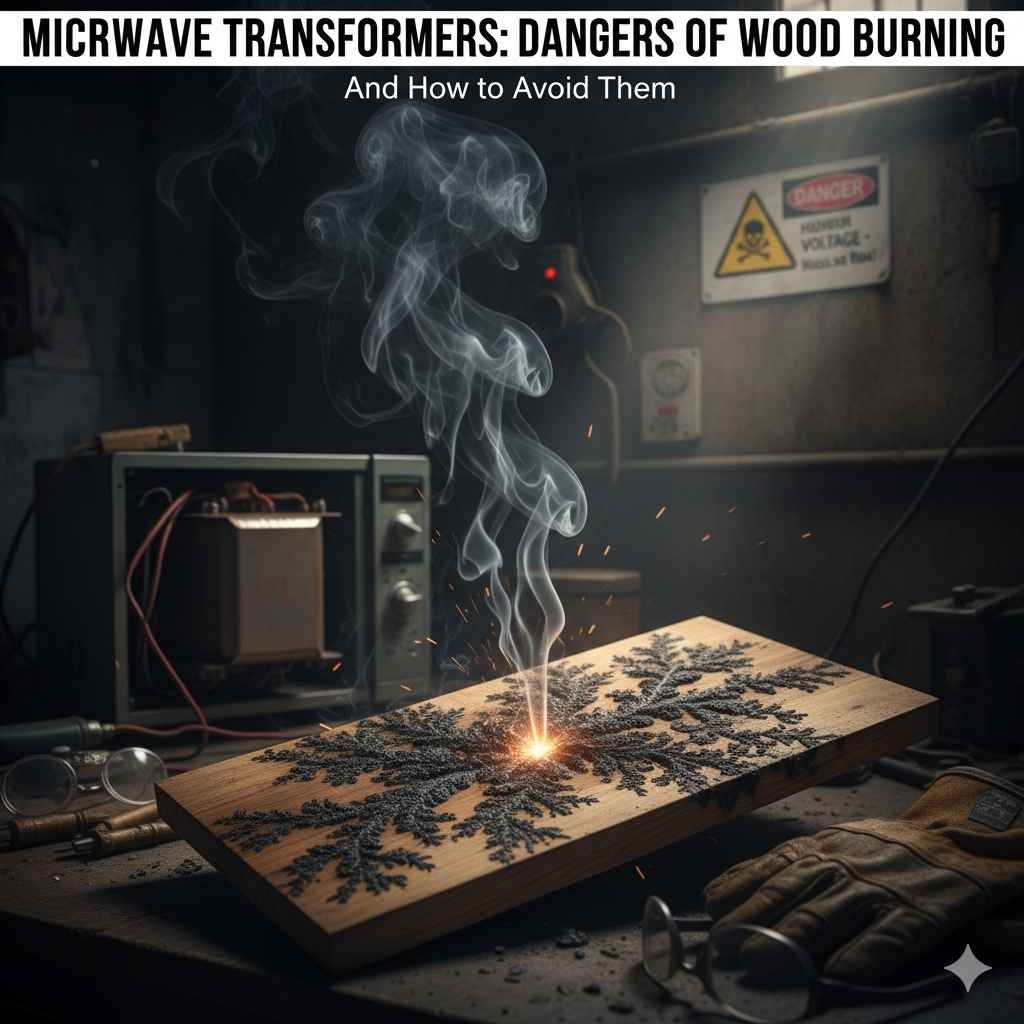
Microwave Transformers: Dangers of Wood Burning and How to Avoid Them
If you’re interested in wood burning, you might have heard about using Microwave Transformers for Wood Burning: Safety Risks. It can be tempting to try, but it can be dangerous. This guide is here to help! We’ll explain why it’s a tricky subject for beginners, and how to safely navigate it. Don’t worry, it’s not as hard as it seems. We will go through the safety precautions, step by step.
The Hidden Dangers of High Voltage
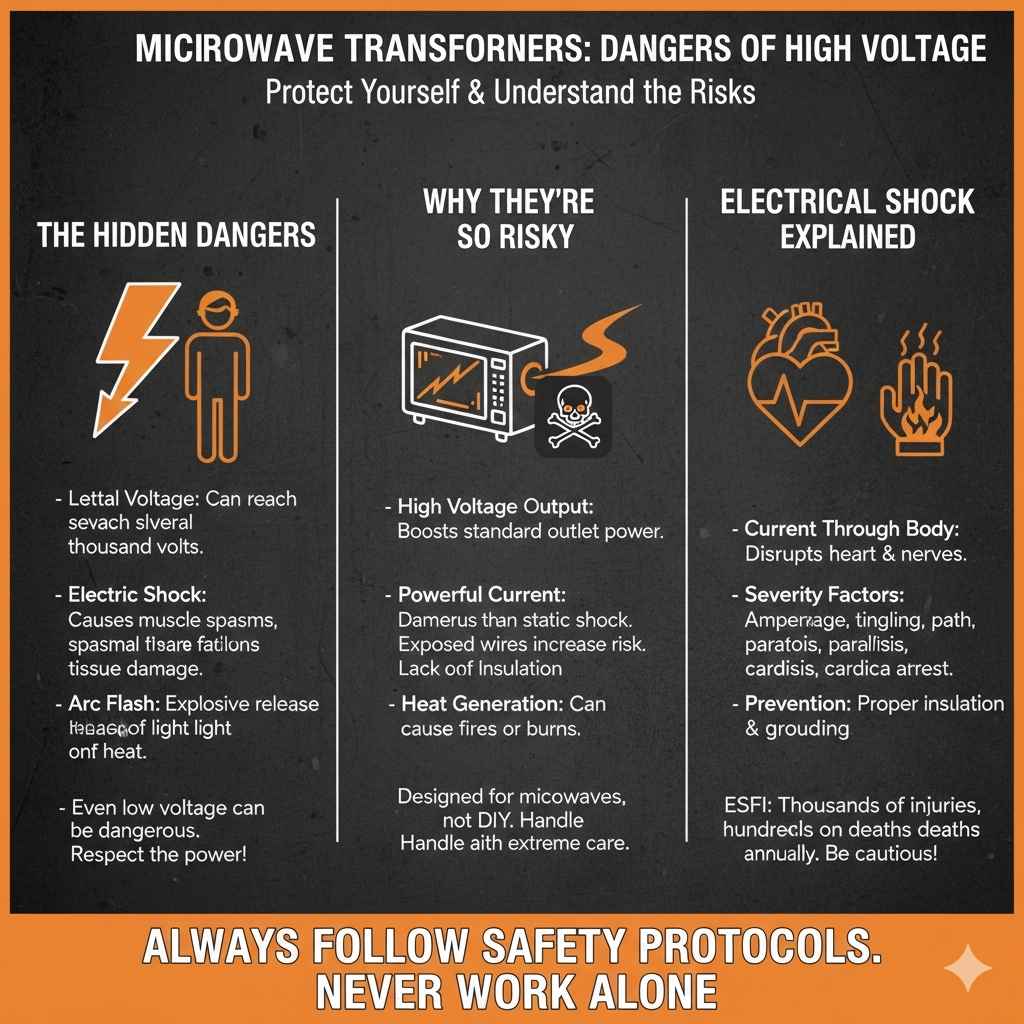
Working with electricity, especially high voltage, can be very unsafe. Microwave transformers, when repurposed, generate very high voltages. These voltages can be lethal if not handled correctly. Improper use can lead to electric shock, burns, and even death. It’s important to respect the power these devices hold. You’ll need to know basic electrical safety before starting any project involving these components. Without these safety measures, your project could cause serious harm.
What Makes Microwave Transformers So Risky?
Microwave transformers are built to boost the voltage of electricity. They take the standard household voltage (like 120 volts) and increase it to several thousand volts. This high voltage is needed to power the magnetron, the part of a microwave that cooks food. When you modify these transformers for wood burning, you are still dealing with this powerful, potentially dangerous electricity. This is where the risk comes from. This is why safety is essential.
- High Voltage Output: Microwave transformers output incredibly high voltages. Even a brief touch can be fatal.
- Internal Components: The internal parts of a microwave transformer are designed to handle extreme electrical conditions. Improper handling can cause sparks and arc flashes.
- Lack of Insulation: Many repurposed transformers lack proper insulation. This can lead to exposed wires and a greater chance of electrical shock.
- Heat Generation: These transformers produce a lot of heat when operating. This heat can lead to burns or start a fire if not managed properly.
Electrical Shock Explained
Electrical shock happens when electricity passes through your body. The amount of current and the duration of contact determine the severity. Even a small amount of current can cause muscle spasms, making it difficult to let go of the source. High currents can stop your heart or damage your nervous system. Electrical shock can also cause internal burns. Always be cautious when working with electricity, and follow safety steps.
According to the Electrical Safety Foundation International (ESFI), electrical hazards cause thousands of injuries and hundreds of deaths each year in the United States. Many of these incidents can be prevented with proper training and awareness.
Essential Safety Measures for DIY Projects
Before beginning any wood-burning project that involves microwave transformers, you need to set up certain safety precautions. This includes working in a safe area, having the right equipment, and knowing what to do in an emergency. These measures will significantly reduce the danger.
Safety Equipment You Will Need
To safely work with high voltage, you need the right gear. Wearing the proper equipment is like having an extra layer of protection. This gear helps minimize the risk of electrical shock and injuries. It is an important part of project safety.
- Insulated Gloves: Wear heavy-duty, insulated gloves that are rated for high voltage work. These gloves are designed to prevent electricity from passing through.
- Safety Glasses: Protect your eyes from sparks or flying debris with safety glasses.
- Insulated Tools: Use tools with insulated handles to prevent electrical shock.
- Rubber-Soled Shoes: Wear rubber-soled shoes to insulate yourself from the ground. This minimizes the risk of current traveling through you.
- Non-Conductive Work Surface: Work on a non-conductive surface, such as a wooden or plastic workbench.
Safe Work Environment
Your work area should be clean, dry, and well-lit. Make sure there are no flammable materials nearby. Have a fire extinguisher and a first-aid kit in close reach. Avoid working in damp or wet conditions, as water conducts electricity. Always disconnect the power before working on any electrical project.
Emergency Procedures
Even with precautions, accidents can happen. It is good to be ready. Know how to shut off the power quickly in an emergency. Have a plan for providing first aid if someone gets shocked. Learn how to use a fire extinguisher in case of a fire. Having a plan ahead of time can make a big difference in an emergency.
- If someone is shocked: Do NOT touch them. Use a non-conductive object (like a wooden stick) to move the source away.
- Call for help: Dial emergency services immediately. Describe the situation and give your location.
- First aid: If the person is not breathing, start CPR. Stay with the person until help arrives.
Getting Started: Modifying a Microwave Transformer Safely
If you’re sure you want to proceed with repurposing a microwave transformer, here’s how to do it safely. This is not for beginners. This process requires a strong base knowledge and experience with electrical components. Always remember that safety should be your top priority. Each step reduces the risk of injury and increases the chances of a successful, safe outcome.
Disassembly and Preparation
Begin by safely removing the transformer from the microwave. Be careful when handling the transformer; it can be heavy and bulky. Always unplug the microwave from the power source and wait a while to ensure the capacitors are discharged before removing any parts. Wear your safety glasses and insulated gloves throughout the disassembly process. You will need to remove the high voltage parts.
- Unplug the Microwave: Disconnect the microwave from the electrical outlet. Let it sit for a while, to make sure it’s fully discharged.
- Remove the Case: Take apart the microwave and access the transformer.
- Locate the Transformer: Identify the transformer and remove it carefully.
- Discharge Capacitors: Before handling the transformer, carefully discharge any capacitors to prevent shock.
Modifying the Transformer
Once you have removed the transformer, you will need to change it. This is a delicate process and requires experience with electrical work. If you are unsure, ask for help from an experienced person. Make sure you fully understand each step. This work will modify the voltage. The goal is to set the output to a lower, safer voltage for wood burning. A common modification involves rewinding the secondary coil. This reduces the voltage but increases the current. Incorrect modification can lead to dangerous conditions.
- Rewinding the Secondary Coil: This changes the output voltage of the transformer. You’ll need to remove the existing secondary coil and
- Insulation: Make sure to insulate all connections and exposed wires properly.
- Testing: After the modifications, test the transformer with a multimeter to ensure the voltage output is correct.
Enclosure and Wiring
After modifying the transformer, it’s important to house it in a safe enclosure. This protects the transformer from physical damage. A good enclosure will also protect you from accidental contact with the high-voltage components. Make sure the enclosure is made of non-conductive material. The wiring must be secure, well-insulated, and properly connected. Double-check all connections to prevent shorts or other electrical problems.
The National Fire Protection Association (NFPA) states that electrical fires cause thousands of structure fires each year. Proper enclosure and wiring are essential to prevent electrical fires.
Wood Burning Techniques and Safety
Once you have a modified transformer, you can use it for wood burning. This process needs a lot of caution. The technique involves passing electricity through the wood. The electricity heats the wood, creating the burns. It’s a fun craft, but you must know how to do it properly.
Choosing the Right Wood
The type of wood you choose impacts your results. Some woods burn easily, and others are more difficult. Softwoods are generally easier to burn than hardwoods. Make sure the wood is dry; wet wood doesn’t burn well. Also, the wood must be clear of any finish or treatment. This will improve the look of the burns and limit any extra hazards. Make sure to always work in a well-ventilated area.
Burning Procedure
Attach the two electrodes (wires) to the wood. When the electricity passes through the wood, it creates heat and burns. The design you get depends on the voltage and the time of contact. Start with low voltage and short periods of contact to get the hang of it. Have a damp cloth or water nearby to control the burning. Do not leave the wood burning unattended. Always unplug the transformer when you are finished.
- Prepare the Wood: Sand the wood and clean the surface.
- Attach Electrodes: Secure the electrodes to the wood.
- Apply Power: Connect the transformer to the power source and begin burning.
- Control the Burn: Adjust the voltage and time to create the desired patterns.
Ventilation and Fire Prevention
Burning wood produces smoke and fumes. These fumes can be harmful if inhaled. Always work in a well-ventilated space, preferably outdoors or in a workshop with good airflow. Keep a fire extinguisher and a water source nearby. Always monitor the wood while burning. If a fire starts, act fast and follow fire safety protocols.
Troubleshooting Common Problems
Problems can arise while working on a wood-burning project. Knowing how to deal with these problems will help you. Here are some solutions to typical difficulties.
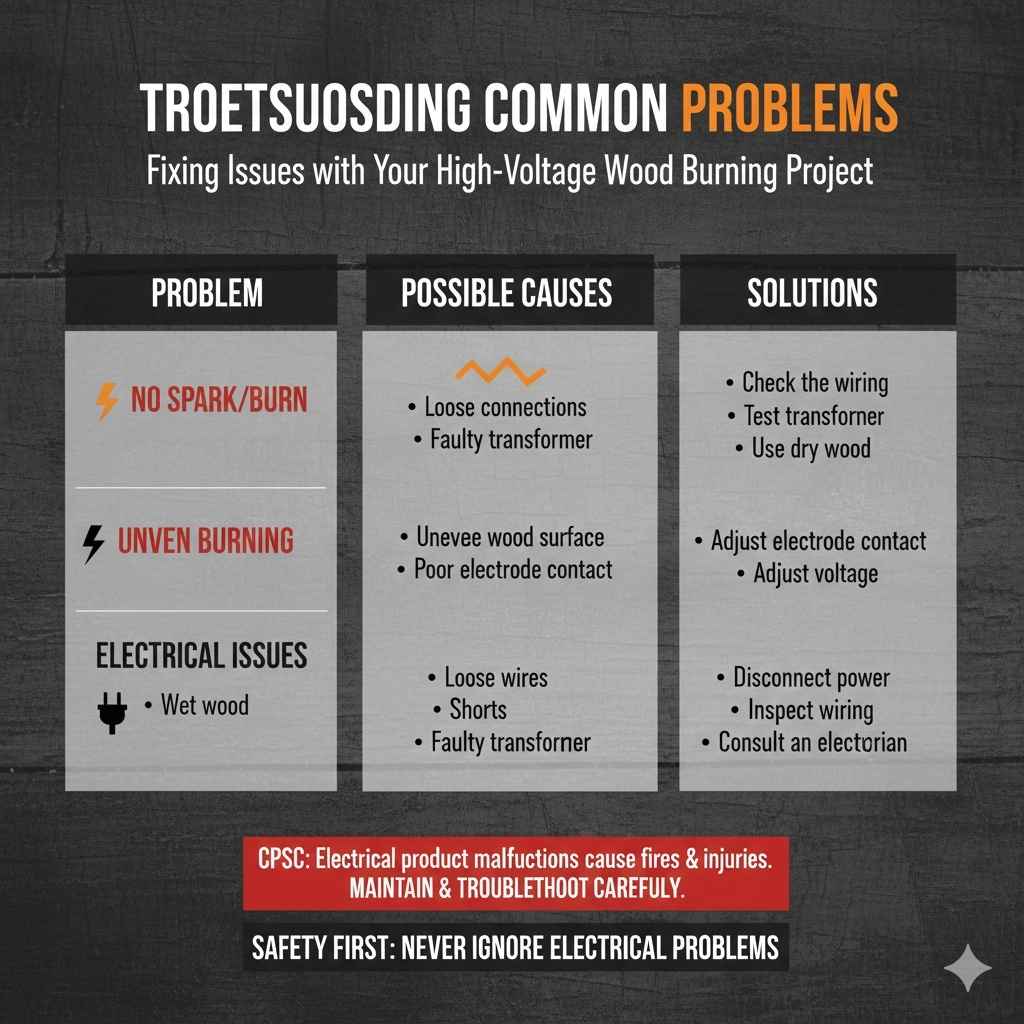
No Spark or Burn
If you don’t see a spark or burn, there may be an issue with your setup. Check all connections and wiring to make sure everything is secure and correctly connected. Examine the transformer to make sure it’s working properly. The wood itself can be a cause if it is too wet or treated. Make sure to test all components. Do not proceed if anything seems broken.
Uneven Burning
Uneven burning can result from several factors. The wood may not be level, causing uneven contact between the electrodes and the wood. The electrodes may not be making good contact. Adjusting the contact points, pressure, and duration can improve the burn. Practice will help you control the burning. Experiment with different voltages and times to learn what works best.
Electrical Issues
If you have any electrical issues, such as sparks or buzzing sounds, disconnect the power source immediately. Check all connections for loose wires or shorts. If you are not comfortable working with electricity, seek help from a qualified electrician. Never ignore any electrical issues. Ignoring problems can lead to serious hazards.
According to the Consumer Product Safety Commission (CPSC), electrical product malfunctions are a leading cause of fires and injuries in homes. Proper maintenance and troubleshooting are essential.
| Problem | Possible Causes | Solutions |
|---|---|---|
| No Spark/Burn | Loose connections, faulty transformer, wet wood. | Check wiring, test transformer, use dry wood. |
| Uneven Burning | Uneven wood surface, poor electrode contact. | Level the wood, adjust electrode contact, adjust voltage. |
| Electrical Issues | Loose wires, shorts, faulty transformer. | Disconnect power, inspect wiring, consult an electrician. |
Frequently Asked Questions
Question: Is it safe to use a microwave transformer for wood burning?
Answer: It can be safe, but only if you take all the necessary safety precautions. This includes proper modifications, safety equipment, and a safe work area.
Question: What safety gear is needed when working with a microwave transformer?
Answer: You’ll need insulated gloves, safety glasses, insulated tools, rubber-soled shoes, and a non-conductive work surface.
Question: What should I do if I get an electrical shock?
Answer: Immediately call emergency services. Do not touch the person; use a non-conductive object to remove the source. Start CPR if the person is not breathing.
Question: How do I choose the right wood for wood burning?
Answer: Softwoods are generally easier to burn than hardwoods. Make sure the wood is dry and untreated.
Question: How do I prepare the microwave transformer for use?
Answer: Unplug the microwave, remove the transformer, and discharge any capacitors. Modify the transformer for the correct output voltage.
Final Thoughts
Working with Microwave Transformers for Wood Burning: Safety Risks is a project that you should consider carefully. While it can be a creative craft, it’s important to understand the risks of high-voltage electricity. This guide outlines the dangers and what you can do to avoid them. By following these steps and taking necessary precautions, you can reduce the risks of injury. Remember to take your time, and do not rush. If you are unsure about any steps, do not hesitate to ask for help from an expert. The most important thing is your safety.