De-Icing Car Door Lock: Essential Winter Fix
De-icing a car door lock is simple! Use a de-icer spray, a hairdryer, or even rubbing alcohol to quickly free a frozen lock. This guide provides easy, step-by-step methods to get you back inside your car safely and without damage.
Winter weather can be beautiful, but it also brings its own set of frustrations. One of the most common and annoying problems is a frozen car door lock. You’re rushing to get somewhere important, and your key just won’t turn. It’s enough to make anyone sigh! But don’t worry, this is a fix you can handle yourself. With a few simple tools and techniques, you can easily de-ice your car door lock and get on your way.
In this guide, I’ll walk you through several effective methods to tackle a frozen car lock. We’ll cover what you need, how to do it step-by-step, and some important tips to prevent this from happening again. Think of me as your friendly guide, ready to help you conquer this winter woe with confidence!
Why Do Car Door Locks Freeze?
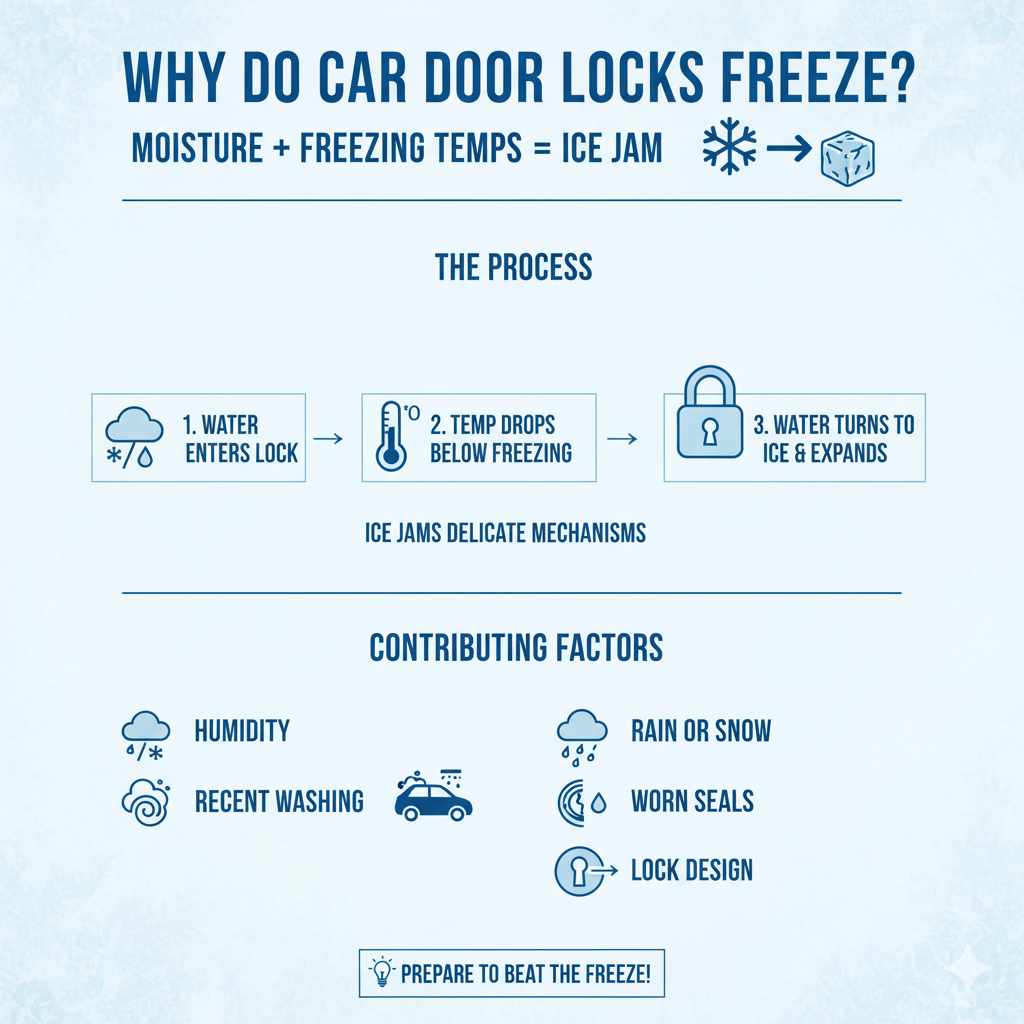
Understanding why your car door lock freezes can help you prevent it from happening again. It’s usually a combination of moisture and freezing temperatures. When water seeps into the lock mechanism – perhaps from rain, snow, or even washing your car – and the temperature drops below freezing, that water turns into ice. This ice expands, jamming the delicate tumblers and pins inside the lock cylinder, making it impossible for your key to turn. Even a tiny bit of moisture can cause big problems when it freezes!
Several factors can contribute to this:
- Humidity: High humidity means more moisture in the air, which can settle into your lock.
- Recent Washing: If you washed your car recently, especially in cold weather, water might have gotten into the lock.
- Rain or Snow: Driving or parking in wet conditions followed by a cold snap is a prime cause.
- Worn Seals: Older car door seals might not be as effective at keeping water out.
- Lock Design: Some lock designs are more susceptible to moisture ingress than others.
Knowing these causes helps us prepare. But for now, let’s focus on getting that door open!
Essential Tools and Supplies for De-Icing
Before we dive into the methods, let’s gather what you might need. Most of these items are probably already in your home or car, making this a convenient DIY fix. Having the right tools on hand makes the process smoother and less stressful.
Recommended Supplies:
- Lock De-Icer Spray: This is specially formulated to melt ice and lubricate the lock. Many automotive stores carry these.
- Rubbing Alcohol (Isopropyl Alcohol): A common household item that can lower the freezing point of water.
- Hand Sanitizer: Most hand sanitizers contain a high percentage of alcohol, making them a good substitute.
- Hair Dryer: A gentle heat source to warm up the lock cylinder.
- Gloves: To keep your hands warm and dry while you work.
- Small Funnel or Straw: To help direct liquid into the lock if needed.
- Paper Towels or a Rag: For cleaning up any drips.
- WD-40 or Graphite Lubricant: For post-de-icing lubrication to prevent future freezing.
It’s always a good idea to keep a small bottle of lock de-icer or hand sanitizer in your car’s glove compartment during winter. It’s a small step that can save you a lot of time and frustration!
How to De-Ice a Car Door Lock: Step-by-Step Methods
Now for the main event! Here are a few proven methods to get your car door open when the lock is frozen. We’ll start with the most common and easiest options.
Method 1: Using Lock De-Icer Spray
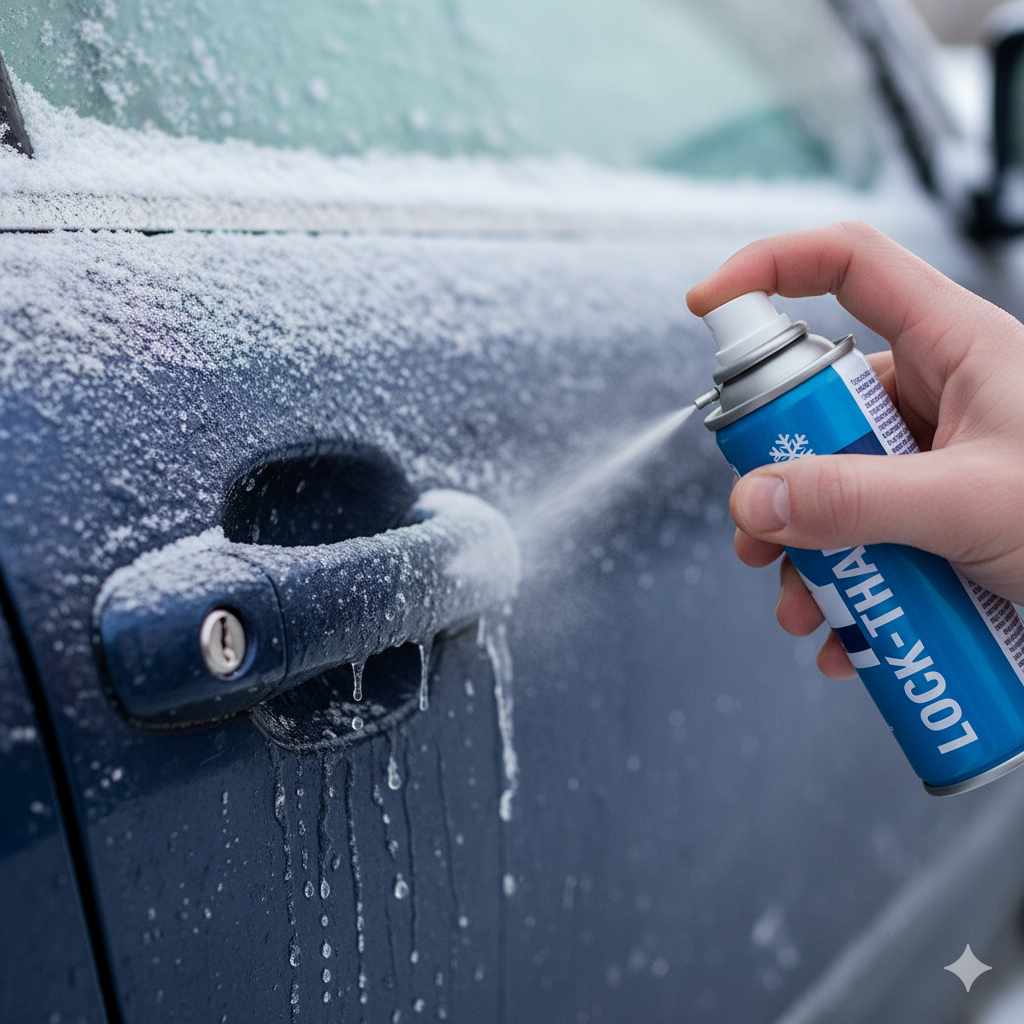
This is the go-to solution for a reason. Lock de-icer sprays are designed for this exact problem and work quickly and effectively. They contain chemicals that melt ice and often include a lubricant to protect the lock.
- Locate the De-Icer: Grab your can of lock de-icer spray.
- Insert the Nozzle: Position the spray nozzle right at the keyhole of the frozen door lock.
- Spray Generously: Give the lock a good, firm spray. Aim to get the liquid deep into the keyhole. You might need to spray for several seconds.
- Wait Briefly: Allow the de-icer a minute or two to work its magic. You should see the ice starting to melt.
- Insert Your Key: Gently insert your car key into the lock.
- Wiggle and Turn: Wiggle the key slightly while trying to turn it. Don’t force it. If it still feels stuck, give it another spray and wait a bit longer.
- Open the Door: Once the key turns, open the door carefully.
- Lubricate: After opening, it’s a great time to spray a little bit of lubricant (like WD-40 or a graphite lubricant) into the lock to help prevent future freezing. You can learn more about proper lubrication techniques from resources like Popular Mechanics for long-term care.
Method 2: Using Rubbing Alcohol or Hand Sanitizer
If you don’t have a dedicated de-icer, rubbing alcohol is an excellent alternative. It has a much lower freezing point than water, so it can effectively melt ice.
- Get Your Alcohol: Use rubbing alcohol (70% isopropyl alcohol or higher) or an alcohol-based hand sanitizer.
-
Apply to the Lock: You can apply it in a few ways:
- Directly: If you have a small bottle with a nozzle, aim it directly into the keyhole and squeeze.
- With a Straw/Funnel: If using a larger bottle, pour a small amount into a straw or funnel and carefully direct it into the lock.
- On the Key: You can also dip your key into the alcohol and then insert it into the lock.
- Wait for it to Work: Give the alcohol a minute to penetrate and melt the ice.
- Try the Key: Gently insert your key and try to turn it. Wiggle it if necessary.
- Reapply if Needed: If it’s still frozen, apply more alcohol and wait a bit longer.
- Lubricate After: Once the lock is working, consider a quick spray of lubricant to keep it in good condition.
Method 3: Using a Hair Dryer
This method is great if you have access to electricity near your car, like in your garage. It provides gentle heat to melt the ice.
- Find a Power Source: Make sure you have an extension cord long enough to reach your car door safely.
- Plug In the Hair Dryer: Plug in your hair dryer.
- Set to Medium Heat: Turn the hair dryer on to a medium heat setting. Avoid using the highest heat, as this can potentially damage paint or plastic trim if held too close for too long.
- Direct Heat at the Lock: Hold the hair dryer a few inches away from the door lock cylinder. Move it back and forth slightly to distribute the heat evenly.
- Be Patient: This might take a few minutes. You should start to see moisture or condensation forming as the ice melts.
- Test the Key: Once you think the ice has melted, gently try inserting your key and turning it.
- Continue Heating if Necessary: If it’s still stuck, continue applying heat for a bit longer.
- Dry and Lubricate: After the lock is unfrozen, use a paper towel to dry any moisture around the lock and then apply a lubricant to prevent future issues.
Method 4: The “Heat the Key” Trick
This is a quick, temporary fix if you only have your key and no other tools readily available. It works by transferring heat from the key to the ice in the lock.
- Find a Heat Source: This could be a lighter, a match, or even the warmth of your hands if it’s not too cold.
- Heat the Key: Carefully heat the metal part of your car key. If using a lighter, move the flame along the key to heat it evenly. Be cautious not to overheat it to the point where it’s too hot to hold or could damage key fobs.
- Insert the Heated Key: Immediately after heating, gently insert the key into the frozen lock.
- Wiggle and Turn: The heat from the key should start melting the ice. Wiggle the key gently and try to turn it.
- Repeat if Necessary: You might need to reheat the key and try again a couple of times.
- Caution: This method is best for minor ice buildup. If the lock is heavily frozen, this might not be enough, and you risk burning yourself or damaging your key fob. Always prioritize safety.
What NOT to Do When Your Car Door Lock is Frozen
It’s just as important to know what to avoid as it is to know what to do. Some quick fixes can actually cause more damage.
- Don’t Force the Key: Jamming or forcing your key into a frozen lock can bend or break the key, or even damage the delicate internal mechanism of the lock cylinder. Patience is key here!
- Avoid Hot Water (Mostly): While hot water can melt ice, pouring it directly onto a frozen lock can be problematic. The water can then refreeze, creating an even worse ice blockage. If you must use water, use lukewarm water sparingly and be prepared to dry and lubricate immediately. It’s generally safer to stick to de-icers or alcohol.
- Don’t Use Excessive Force on the Door: Yanking or kicking the door won’t help and could damage the door, frame, or seals.
- Be Careful with Lighters/Torches: While heating the key is an option, using open flames directly on or near plastic parts of your car (like key fobs or door handles) can melt or damage them. Always use heat cautiously and from a safe distance.
Remember, gentleness and the right product are your best friends when dealing with a frozen lock.
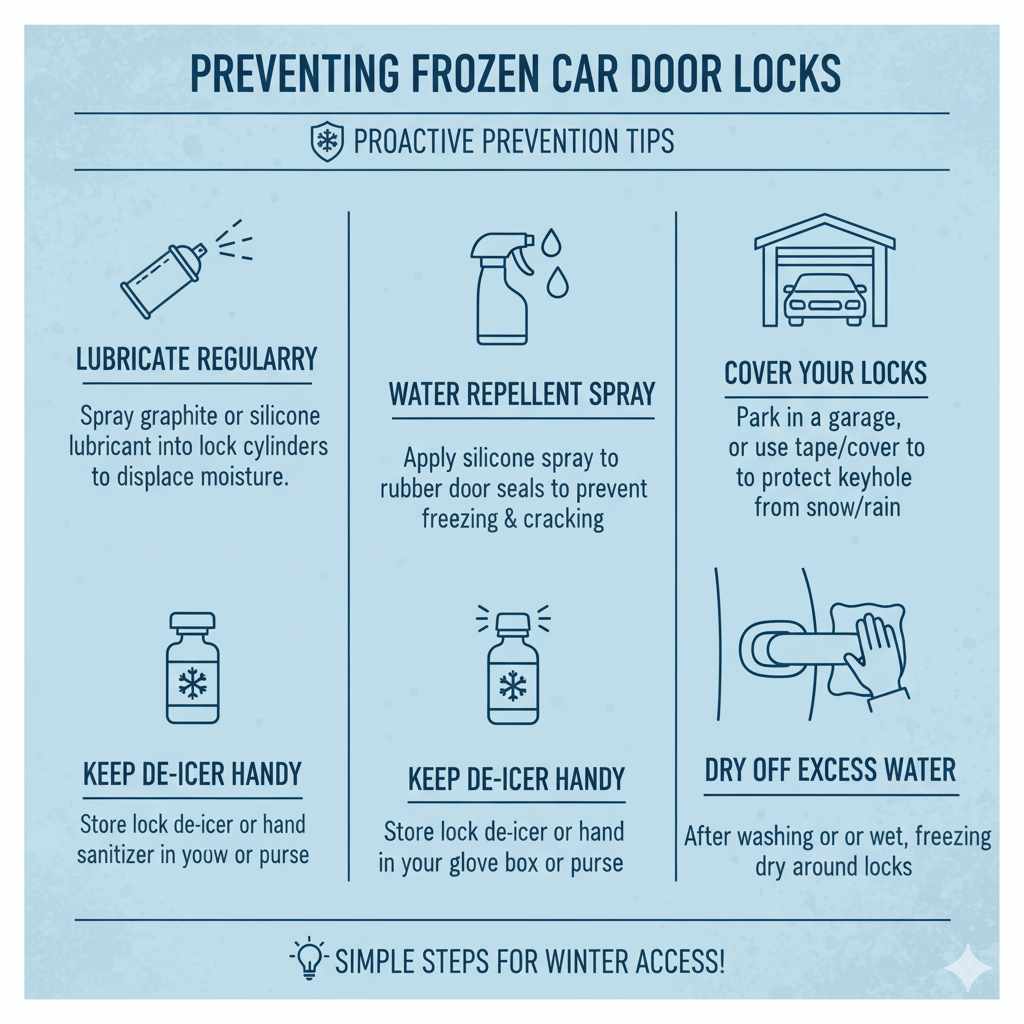
Preventing Frozen Car Door Locks
The best way to deal with a frozen lock is to prevent it from freezing in the first place! A little bit of preventative maintenance during the colder months can save you a lot of hassle.
Proactive Prevention Tips:
- Lubricate Regularly: Before winter truly sets in, spray a bit of graphite lubricant or a silicone-based lubricant into your car door locks. This helps displace moisture and keeps the mechanism moving freely. A visit to Consumer Reports offers more general winter car care advice that’s worth checking out.
- Use a Water Repellent Spray: Some people use a silicone spray on the rubber door seals. This not only prevents doors from freezing shut but also keeps the seals from cracking.
- Cover Your Locks: If you have a garage, use it! If parking outside, consider using a small piece of tape or a specialized lock cover to protect the keyhole from direct exposure to snow and rain.
- Keep a De-Icer Handy: As mentioned before, keeping a small bottle of lock de-icer or hand sanitizer in your glove box or purse is a lifesaver.
- Dry Off Excess Water: After washing your car or driving through puddles in freezing temperatures, take a moment to dry around the door locks and handles.
These simple steps can make a big difference in keeping your car accessible all winter long.
Comparison of De-Icing Methods
To help you choose the best method for your situation, here’s a quick comparison of the most common techniques:
| Method | Pros | Cons | Best For |
|---|---|---|---|
| Lock De-Icer Spray | Fast-acting, lubricates lock, readily available. | Requires purchase, can be messy if overused. | Most situations, quick and effective. |
| Rubbing Alcohol/Hand Sanitizer | Effective at melting ice, common household item, fast. | Can be drying to hands, requires careful application. | When de-icer isn’t available, moderate freezing. |
| Hair Dryer | Gentle heat, no chemicals needed, safe for lock. | Requires electricity and extension cord, takes time. | Garage use, moderate to heavy freezing. |
| Heat the Key | Quickest, requires only a key and heat source. | Temporary, risk of burning key fob or hand, not for heavy ice. | Minor freezing, emergency situations. |
Choosing the right method depends on what you have available and how severe the ice buildup is. For most everyday situations, a lock de-icer spray or rubbing alcohol will be your best bet.
Frequently Asked Questions (FAQ) About De-Icing Car Door Locks
Let’s address some common questions beginner DIYers might have:
Q1: How long does it take for lock de-icer to work?
A1: Lock de-icer typically works within a minute or two. For heavier ice, you might need to let it sit for a few minutes and then try the key.
Q2: Can I use hand sanitizer if I don’t have rubbing alcohol?
A2: Yes! Most hand sanitizers contain a high percentage of alcohol (usually 60-80%), which is effective at melting ice. Just ensure it’s alcohol-based.
Q3: What if my car key is electronic or has a fob?
A3: Be very careful when using heat methods (like a lighter) near an electronic key fob. Avoid direct heat on the fob itself. Stick to de-icer sprays or alcohol, which are safe for electronics.
Q4: My lock is still frozen after trying a method. What next?
A4: You can try applying more de-icer or alcohol, or use the hair dryer method if available. If the lock remains completely stuck after multiple attempts, it might be severely frozen or there could be another issue with the lock mechanism itself. In that case, consider contacting a locksmith or roadside assistance.
Q5: How do I stop my car door from freezing shut in the first place?
A5: Regularly lubricating your locks with graphite or silicone spray and applying a silicone-based protectant to your door seals can prevent ice from forming and sticking.
Q6: Is it safe to pour hot water on my car lock?
A6: It’s generally not recommended. While hot water melts ice, it can then refreeze, making the problem worse. If you use it, do so sparingly and be ready to dry and lubricate immediately. Safer alternatives like de-icer are preferred.
Q7: What kind of lubricant should I use after de-icing?
A7: A graphite-based lock lubricant or a silicone-based spray is ideal for car locks. Avoid using oil-based lubricants like WD-40 too frequently, as they can attract dust and gunk up the lock over time, though it’s perfectly fine for a one-off de-icing situation.
Conclusion
Dealing with a frozen car door lock is a common winter challenge, but as you’ve seen, it’s a fix you can easily handle yourself. Whether you opt for a specialized de-icer spray, a trusty bottle of rubbing alcohol, or even a gentle blast from a hair dryer, getting your car door open is within your reach. Remember to be patient, avoid forcing anything, and always prioritize the safety of your vehicle and yourself.
By keeping a few simple supplies handy and perhaps applying some preventative maintenance like regular lubrication, you can significantly reduce the chances of encountering this icy predicament. With these tips and tricks, you’re well-equipped to tackle frozen car door locks and keep your winter travels smooth and hassle-free. Stay warm and safe out there!