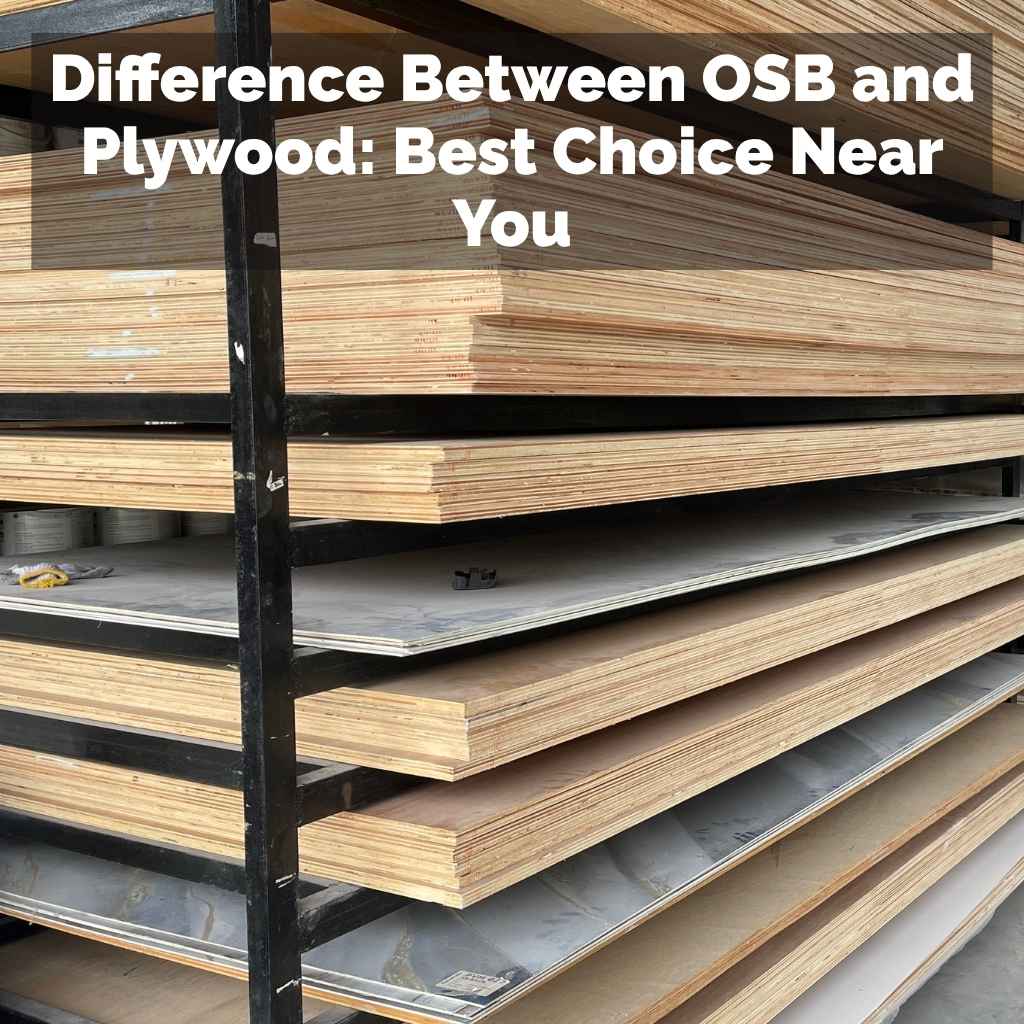
Difference Between OSB and Plywood: Best Choice Near You
Choosing the right building material can feel like a puzzle, especially when you’re new to projects. You might wonder about the Difference Between OSB and Plywood: Best Choice Near You. It’s easy to get mixed up with all the options out there.
But don’t worry, this guide will break it down simply. We’ll walk through each step so you can make the best choice for your needs.
OSB vs Plywood What Is The Difference
This section explores the fundamental differences between Oriented Strand Board (OSB) and plywood. Understanding these distinctions is key for making informed decisions in various construction and DIY projects. We will look at how each is made, their typical uses, and their strengths and weaknesses.
What Is OSB
OSB, or Oriented Strand Board, is a wood-based panel product. It is made from large, machine-laid strands of wood. These strands are arranged in cross-oriented layers.
Think of it like a thick mat of wood fibers. Glue and heat are then used to press these layers together. This process creates a strong, stable sheet.
The orientation of the wood strands gives OSB its strength. The strands in each layer are aligned in a specific direction. This alignment is alternated between layers, similar to plywood.
This cross-graining provides strength in both directions of the panel.
The wood used for OSB often comes from fast-growing trees like poplar, pine, and aspen. These trees are readily available and sustainable. This makes OSB a more cost-effective option compared to plywood, which often uses veneer from slower-growing hardwood trees.
The production process for OSB is also generally more efficient. It uses more of the wood log. Less waste is generated in the manufacturing of OSB.
Composition and Manufacturing
The core of OSB production involves a mat-forming process. Wood logs are debarked and then flaked into large, flat strands. These strands are then dried and screened to ensure consistent size and quality.
A binder, usually a type of resin, is mixed with the strands. This mixture is then spread onto a conveyor belt. The strands are oriented in specific directions.
The outer layers typically have strands running lengthwise. The inner layers have strands running crosswise. This cross-orientation is crucial for the panel’s structural integrity.
It provides strength and stiffness.
Once the mat is formed, it is hot-pressed under high pressure. This pressing cures the resin, bonding the strands together. The result is a dense, rigid panel.
The thickness of OSB panels can vary, typically ranging from 1/4 inch to 1 inch. The size of the strands and their orientation are carefully controlled. This ensures predictable performance characteristics.
Common Uses for OSB
OSB is widely used in construction. It’s a popular choice for structural sheathing. This includes walls, floors, and roofs.
Its strength and stability make it suitable for these applications. It provides a solid surface for applying finishes like siding, shingles, or drywall. OSB is also used in the manufacture of prefabricated housing components.
It can also be found in furniture, cabinets, and shelving. Its affordability and good performance make it a versatile material.
Builders often choose OSB for its cost-effectiveness. It offers a good balance of strength and price. For many standard construction needs, it performs just as well as plywood.
This makes it a go-to material for budget-conscious projects. Its availability is also widespread, making it easy to find at most lumber yards.
Pros and Cons of OSB
One of the main advantages of OSB is its cost. It is generally less expensive than plywood. This can lead to significant savings on larger projects.
OSB is also very strong. Its strength comes from the way the wood strands are oriented. It has excellent structural integrity.
It also tends to be more consistent in quality than plywood. This is because the manufacturing process is more controlled.
However, OSB has some drawbacks. It is more susceptible to moisture damage than plywood. If it gets wet, it can swell and delaminate.
It is important to protect OSB from the elements during construction. It also does not hold nails as well as plywood. The strands can sometimes pull out.
This can make it harder to nail down securely. While generally strong, if a significant portion of the strands are damaged, its strength can be compromised more than plywood.
What Is Plywood
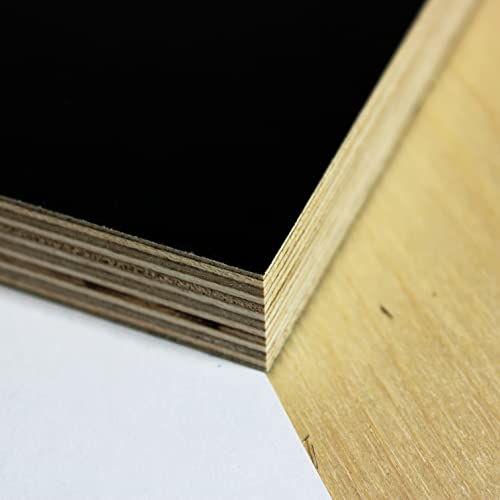
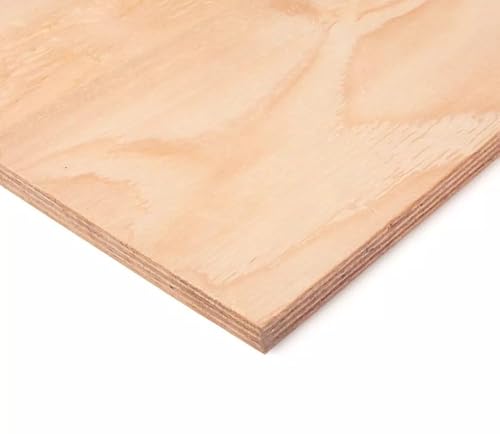
Plywood is another type of wood-based panel. It is made from thin sheets of wood veneer. These veneers are glued together in alternating layers.
Each layer, or ply, has its grain running in a different direction. This cross-graining is the key to plywood’s strength. It makes the panel strong in all directions.
It is also very stable and resistant to shrinking or swelling.
Plywood is typically made from hardwoods like birch, oak, or maple. It can also be made from softwood species like Douglas fir. The type of wood used affects the plywood’s properties.
Hardwood plywood is generally stronger and more durable. Softwood plywood is often more affordable and easier to work with.
Composition and Manufacturing
Plywood manufacturing begins with logs. These logs are rotary-cut or sliced into thin sheets of veneer. The thickness of these veneers can range from very thin to about 1/4 inch.
These veneers are then sorted for quality. The best veneers are used for the outer layers, called the face and back. The inner layers are called the core or cross-bands.
The veneers are then coated with adhesive, usually a synthetic resin. They are then stacked in alternating grain directions. For example, a three-ply panel might have the grain running lengthwise in the first ply, crosswise in the second, and lengthwise again in the third.
This alternating pattern is crucial. It distributes stress evenly across the panel. The stacked veneers are then hot-pressed under high pressure.
This cures the adhesive and bonds the layers together.
Common Uses for Plywood
Plywood is a highly versatile material. It is used extensively in construction for subflooring, wall sheathing, and roof decking. Its strength and stability make it ideal for these structural applications.
Plywood is also common in furniture making. It provides a smooth surface and excellent stability for cabinets, tables, and shelves. It is also used in cabinetry, millwork, and concrete forms.
Its smooth surface makes it a good choice for applications where aesthetics are important. For example, furniture makers often use high-grade plywood. It offers a clean, professional look.
It is also used in boat building and in the production of various engineered wood products. Its ability to hold fasteners well makes it reliable for many construction tasks.
Pros and Cons of Plywood
One of the biggest advantages of plywood is its strength and stability. The cross-graining makes it resistant to warping, shrinking, and splitting. It is also very durable.
Plywood typically holds nails and screws very well. This makes it easier and more secure to fasten. It also performs better than OSB when exposed to moisture.
While not completely waterproof, it can withstand some dampness better.
However, plywood can be more expensive than OSB. The cost can add up, especially on large projects. The quality of plywood can also vary.
Cheaper grades might have knots or voids, which can affect their strength. The appearance of plywood can also be a factor. While some grades have beautiful wood grain, others can be less attractive.
Difference Between OSB and Plywood Best Choice Near You
Understanding the core Difference Between OSB and Plywood: Best Choice Near You is essential for any builder or DIY enthusiast. This section will help you identify which material is the best fit for your specific project and location. We’ll discuss factors like cost, performance requirements, and availability.
Cost Considerations
Price is often a major factor when choosing building materials. OSB generally comes with a lower price tag than plywood. This makes it an attractive option for projects with tight budgets.
For example, constructing a standard wall frame might cost less if you use OSB sheathing compared to plywood. The savings can be significant when building an entire house.
Plywood, on the other hand, tends to be more expensive. This higher cost is often due to the manufacturing process and the quality of the wood veneers used. However, the price difference might be less significant for smaller projects where only a few sheets are needed.
When comparing prices, always look at the cost per square foot for the specific thickness and grade you need. Prices can fluctuate based on market demand and regional availability.
Budget-Friendly Choices
If your primary concern is keeping costs down, OSB is often the way to go. Its affordability makes it a popular choice for general construction. This includes things like basic framing, subflooring, and roof decking.
Many contractors opt for OSB for its economic advantages. It allows them to offer competitive pricing for their services. This is especially true for new home construction or large renovation projects.
For certain applications, the cost savings of OSB can outweigh any perceived disadvantages. For instance, if the material will be completely covered by other finishes and not exposed to harsh conditions, OSB can be a very practical choice. Always check local lumber yards for current pricing.
Sometimes, special sales or bulk discounts can make one material more appealing than the other.
When Plywood Is Worth The Extra Cost
There are times when spending more on plywood is a wise investment. If your project requires superior strength, stability, or moisture resistance, plywood might be the better option. For example, in areas prone to humidity or heavy rain, the enhanced moisture resistance of plywood can prevent costly repairs down the line.
Plywood also offers a smoother surface, which is beneficial for applications like cabinetry or furniture.
Consider a high-end kitchen renovation. The cabinets need to be strong, stable, and have a smooth finish for painting or veneering. In this case, the extra cost of plywood would be justified by the superior results.
Similarly, for exposed structural elements or where specific load-bearing requirements exist, the proven performance of plywood might be preferred. Always consider the long-term benefits versus the upfront cost.
Performance Requirements
The demands of your project play a huge role in deciding between OSB and plywood. Both materials are strong, but they excel in different areas. Understanding their performance characteristics helps you choose the one that will best meet your needs.
Strength and Stability
Both OSB and plywood offer good structural strength. Plywood, with its cross-laminated veneers, tends to be more consistent in its strength properties. This makes it predictable under stress.
It is very resistant to bending and cracking. This stability means it won’t easily warp or distort over time, even with changes in temperature and humidity.
OSB is also strong, thanks to the orientation of its wood strands. It provides excellent rigidity. However, its strength can be more variable.
If the strands are not perfectly oriented or if the panel is damaged during manufacturing, its strength might be slightly compromised. For critical structural applications where absolute predictability is paramount, plywood might be favored. However, for most common building tasks, OSB performs admirably.
A study by the APA-The Engineered Wood Association found that both OSB and plywood meet stringent structural standards for residential construction. For typical wall sheathing, floor underlayment, and roof decking, both materials provide the necessary support. The choice often comes down to other factors like cost and moisture resistance.
Moisture Resistance
This is a key area where OSB and plywood differ. Plywood generally has better moisture resistance. The glues used in plywood manufacturing are often more resistant to moisture than those used in OSB.
While neither is completely waterproof, plywood can tolerate some exposure to damp conditions without significantly degrading. This makes it a better choice for areas that might get wet during construction or in environments with high humidity.
OSB is more prone to swelling and delaminating when exposed to moisture. If OSB gets wet, its layers can separate. It can also lose its structural integrity.
It is crucial to protect OSB from rain and moisture during construction. Using protective coverings and ensuring proper ventilation is important. For applications where moisture is a concern, such as in basements or areas near water, plywood might be a more reliable choice.
For example, consider building a deck. While the deck surface will be exposed to the elements, the sub-deck structure needs to withstand potential moisture. Using plywood for the sub-deck can offer better protection against water damage.
If OSB is used, extra sealing and protective measures would be necessary. This adds to the overall cost and effort.
Fastener Holding Power
Both OSB and plywood hold nails and screws well, but there are nuances. Plywood, with its solid veneer layers, generally offers superior fastener holding power. The wood fibers in the veneer are less likely to pull out.
This means nails and screws can be driven closer to the edge of the panel without splitting or weakening the connection. This is important for structural integrity and for ensuring that materials like siding or roofing stay securely attached.
OSB’s strength comes from compressed strands. While it holds fasteners well, the strands can sometimes loosen or pull out, especially if the fastener is driven too close to the edge. This can be more of an issue with thinner OSB panels.
For applications requiring very strong connections or where fasteners are placed near the edge, plywood might be a better choice. However, for most standard construction practices, OSB provides adequate fastener holding.
An example scenario: Imagine attaching siding to exterior walls. If you are using nails, plywood offers a more secure grip. This is especially true if you are working with older houses or areas where strong winds are common.
The increased holding power of plywood contributes to the longevity and stability of the finished structure.
Availability and Sourcing
The ease of finding and purchasing building materials is a practical concern for any project. The availability of OSB and plywood can vary by region. However, both are generally widely available at most lumber yards and home improvement stores.
Understanding where to find them and what factors influence their availability can help you plan your project more effectively.
Local Lumber Yards
Your local lumber yard is often the best place to source both OSB and plywood. These businesses typically carry a wide range of building materials. They cater to both professional contractors and DIYers.
You can usually find various thicknesses and grades of both materials at your local yard.
Visiting a local lumber yard allows you to see the materials in person. You can inspect the quality and compare different options. The staff at lumber yards are often knowledgeable.
They can provide advice on which material might be best for your specific needs. They can also advise on current pricing and availability in your area. Buying locally can also support your community’s economy.
Home Improvement Stores
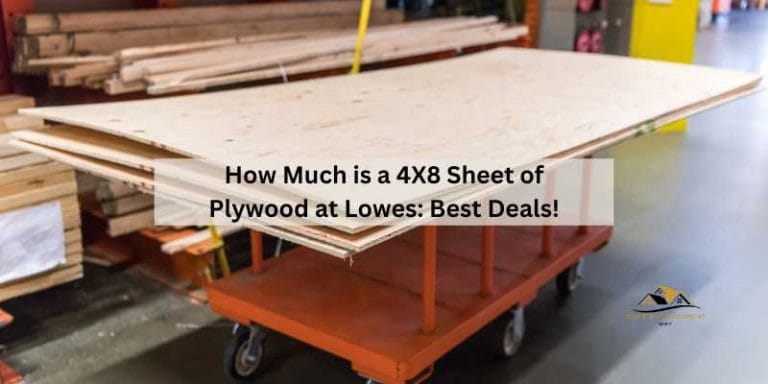
Major home improvement stores also stock OSB and plywood. They are a convenient option, especially for smaller projects or for DIYers who might not have easy access to a dedicated lumber yard. You’ll typically find common sizes and thicknesses of both materials.
The selection at home improvement stores might be more limited compared to specialized lumber yards. You may find fewer grade options or specialized types. However, for standard construction needs, they usually have everything you need.
Prices at these stores can sometimes be higher than at lumber yards, especially for bulk purchases. Always compare prices before buying.
Factors Affecting Availability
Several factors can influence the availability and price of OSB and plywood. These include demand from the construction industry, the availability of raw materials (wood), and transportation costs. During periods of high construction activity, both materials can be in high demand.
This can sometimes lead to shortages or price increases.
Regional differences also play a role. Areas with abundant forests might have easier access to wood products, potentially lowering costs. Conversely, areas far from production centers might experience higher prices due to transportation costs.
Weather events can also impact the supply chain. For instance, a hurricane in a major timber-producing region could affect the availability of wood products for a period.
Choosing the Right Material For Your Project
Now that you understand the Difference Between OSB and Plywood: Best Choice Near You, let’s put that knowledge to use. This section provides practical guidance for making the final decision based on your specific project requirements.
For Structural Sheathing
Structural sheathing provides the base for your walls, floors, and roofs. It adds rigidity to the structure. Both OSB and plywood are commonly used for this purpose.
The choice often depends on budget and specific performance needs.
Wall Sheathing
For wall sheathing, OSB is a very popular choice. It is cost-effective and provides good structural support. It gives a solid base for applying siding.
Plywood is also excellent for wall sheathing. It offers superior moisture resistance and fastener holding power. If your area experiences heavy rainfall or high humidity, plywood might be a better option to prevent potential issues.
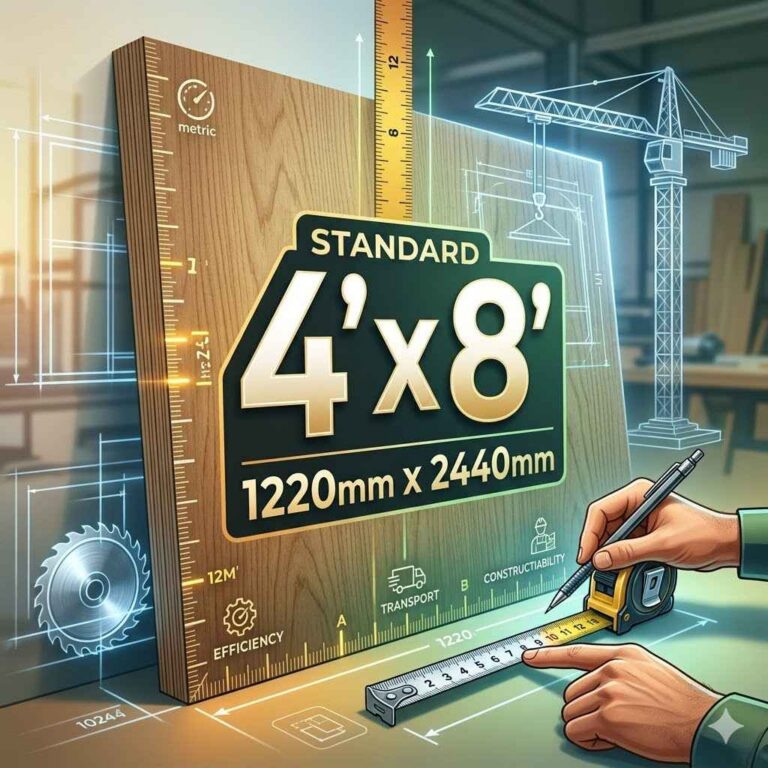
A common scenario is building a standard residential home. For the walls, using OSB 4×8 sheets (typically 7/16 inch thick) is a budget-friendly and effective solution. It provides the necessary shear strength to brace the structure against wind loads.
If the house is in a coastal region with high winds and salt spray, using exterior-grade plywood might be considered for added durability.
Floor Underlayment
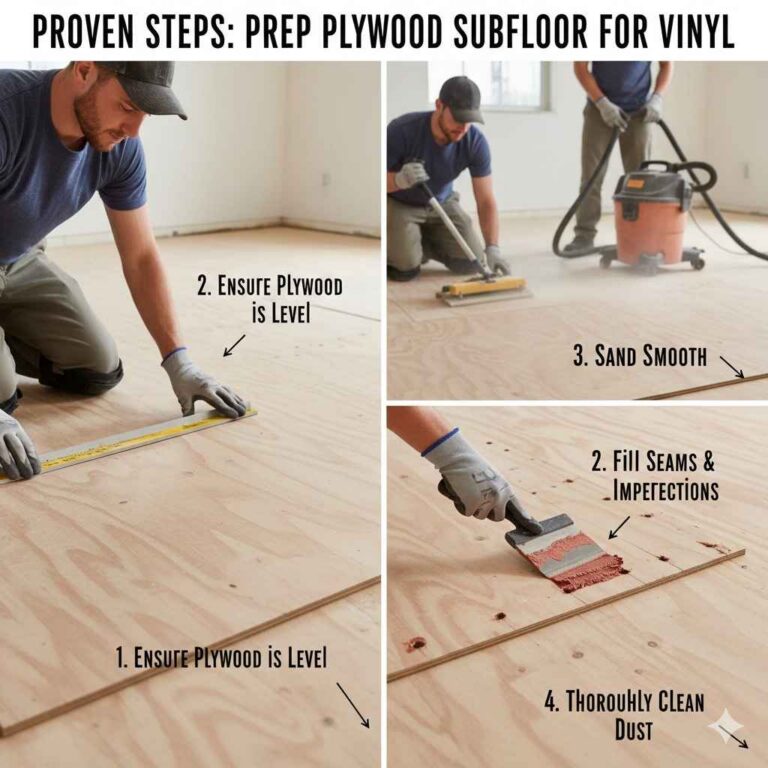
When it comes to floor underlayment, both materials work well. Plywood is often preferred for its smooth surface and excellent stability. It provides a solid base for flooring materials like tile, hardwood, or laminate.
This is because plywood is less likely to delaminate or warp under pressure from foot traffic or furniture.
OSB can also be used for floor underlayment, especially for less demanding applications. It is a more economical choice. However, it’s important to ensure that the OSB is rated for floor use and is properly installed.
For areas that might experience occasional spills or dampness, like a mudroom, plywood’s better moisture resistance is a significant advantage.
Roof Decking
For roof decking, both OSB and plywood are widely used. They provide a stable surface for shingles or other roofing materials. Plywood is known for its durability and ability to withstand weather.
It offers good resistance to hail and wind damage.
OSB is also a strong contender for roof decking due to its cost-effectiveness. It provides adequate support and is easy to install. However, like with other applications, moisture management is key.
If OSB gets wet during construction, it can swell, leading to unevenness in the roof surface. This can affect the installation of shingles and potentially lead to leaks.
Consider a scenario where you are building a simple shed. Using OSB for the roof decking would be a cost-effective choice. The shed will likely be painted or sealed, providing some protection.
For a more permanent home, especially in areas with heavy snowfall or frequent rain, the enhanced durability of plywood for roof decking might be a better long-term investment.
For Cabinetry and Furniture
When building cabinets and furniture, appearance, stability, and ease of finishing are key. While OSB can be used in some furniture applications, plywood is generally the preferred material.
Cabinet Construction
Plywood is the go-to material for cabinet construction. Its smooth, stable surface is perfect for painting, veneering, or staining. It doesn’t have the odd texture or potential for delamination that OSB might have.
High-quality plywood, like birch or maple plywood, offers a beautiful grain pattern. This adds to the aesthetic appeal of the finished cabinets.
The strength and stability of plywood ensure that cabinets can hold heavy items without sagging. It also resists warping, which is crucial for doors and drawer fronts to function properly. While some budget furniture might use OSB, for durable and attractive cabinets, plywood is superior.
Exterior-grade plywood is also a good choice for garage cabinets or outdoor furniture due to its moisture resistance.
Furniture Making
In furniture making, the choice depends on the desired look and function. For fine furniture, like tables, chairs, or decorative pieces, high-grade plywood is often used for its strength, stability, and ability to take finishes. It’s especially useful for drawer bottoms, cabinet backs, and even tabletops.
While OSB might be used for very basic, utilitarian furniture or temporary shelving due to its cost, it’s not ideal for pieces that require a smooth finish or are expected to last for a long time. The texture of OSB is not as appealing for most furniture applications. If you are building simple utility shelves for a garage, OSB might suffice.
For a dining table or a bookshelf in your living room, plywood is the much better choice.
A practical example: A carpenter is building a set of custom kitchen cabinets. They will choose birch plywood for the cabinet boxes and drawer fronts. The smooth surface allows for a beautiful painted finish.
For the cabinet backs, they might use a thinner grade of plywood or even hardboard, which is even smoother. OSB would not be considered for this application due to its rough texture and potential for swelling.
For DIY Projects and Hobbyists
For those working on smaller DIY projects or pursuing hobbies, the choice between OSB and plywood often comes down to accessibility, cost, and the specific demands of the project.
Simple Projects
For simple DIY projects, such as building a temporary workbench, a garden planter box, or basic shelving units, OSB can be an excellent choice. Its affordability makes it perfect for projects where the material might not be seen or subjected to extreme conditions. It’s easy to cut and work with, making it suitable for beginners.
A DIYer wants to build a quick storage shelf in their garage. They can buy a few sheets of OSB, cut them to size, and assemble them with screws. This is a cost-effective and functional solution.
The rough surface of OSB is not an issue in a garage setting. It can even be painted for a slightly more finished look.
Hobbyist Applications
Hobbyists, like model makers or those building props for theater, might find uses for both materials. For structural components of larger props or dioramas, OSB can provide a strong base at a low cost. Its uniform thickness makes it easy to work with.
However, for projects requiring smooth surfaces for painting, detailing, or creating fine finishes, plywood is usually preferred. For instance, if a hobbyist is building a miniature house or a display case, they would likely use thin sheets of high-quality plywood to achieve a clean, smooth surface. Plywood can be precisely cut and sanded for detailed work.
When to Splurge on Plywood
Even for DIY projects, there are times when it’s worth spending a little more on plywood. If your project needs to be durable and long-lasting, or if its appearance is important, plywood is the better investment. For instance, if you are building outdoor furniture that needs to withstand the elements, using exterior-grade plywood would be a wise decision.
Consider a DIYer building a dog house. While OSB could be used, exterior-grade plywood would offer better protection against rain and moisture, ensuring the dog house lasts longer. The decision to “splurge” on plywood is often about ensuring the project’s longevity and quality.
FAQ
Question: What is the main difference between OSB and plywood
Answer: The main difference is in their construction. OSB is made from compressed wood strands arranged in layers, while plywood is made from thin sheets of wood veneer glued together in alternating grain directions.
Question: Is OSB stronger than plywood
Answer: Both are strong, but plywood generally offers more consistent strength and better fastener holding due to its solid veneer construction. OSB’s strength relies on the orientation of its strands.
Question: Which material is more water-resistant OSB or plywood
Answer: Plywood is generally more water-resistant than OSB. OSB can swell and delaminate more easily when exposed to moisture.
Question: Can I use OSB for subflooring
Answer: Yes, OSB can be used for subflooring, but it’s crucial to protect it from moisture during installation and ensure it’s properly rated for floor use.
Question: Which is cheaper OSB or plywood
Answer: OSB is typically cheaper than plywood, making it a more budget-friendly option for many construction projects.
Wrap Up
Choosing between OSB and plywood hinges on your project’s needs, budget, and desired performance. OSB offers cost savings and good strength for general sheathing. Plywood provides superior stability, moisture resistance, and fastener holding, making it ideal for critical structural areas, cabinetry, and furniture.
Always consider local availability and specific application requirements to make the best material choice for your build.