Difference Between Semi Transparent and Transparent Stain: Genius
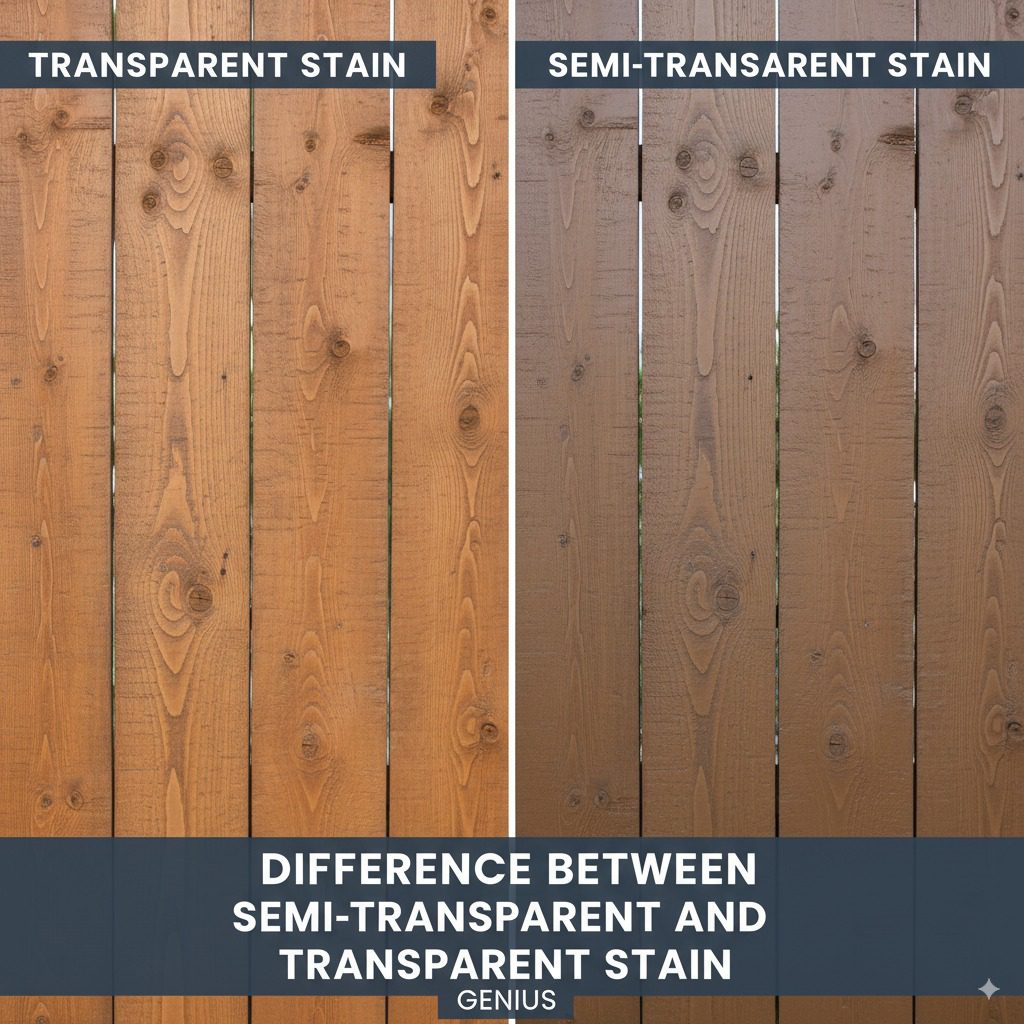
Semi-transparent stain lets wood grain show through with color, while transparent stain offers a clear, natural look. Both protect wood, but the key difference is the color saturation and visibility of the wood’s natural beauty.
Hey there, woodworkers! Ever stood in the paint aisle, staring at rows of stain cans, feeling a little lost? You’re not alone! Choosing the right wood stain can feel like a big decision, especially when you’re trying to get that perfect look for your project. The terms “transparent” and “semi-transparent” often pop up, and understanding their difference is key to unlocking the true beauty of your wood. Don’t worry, it’s simpler than you think, and I’m here to walk you through it, step-by-step. We’ll demystify these stains so you can confidently pick the best one for your next masterpiece. Get ready to make your wood projects shine!
Understanding Wood Stain: More Than Just Color
Wood stain isn’t just about adding color; it’s about enhancing the natural character of the wood itself. Think of it like giving your wood a nice outfit that complements its inherent beauty. Stains work by penetrating the wood fibers, depositing pigments that alter the wood’s hue while still allowing the grain patterns to be visible. This is a crucial distinction from paint, which forms a film on the surface and completely hides the wood grain.
The magic of wood stain lies in its ability to transform the appearance of even the most common woods into something truly special. Whether you’re working on a rustic outdoor deck, a sleek modern coffee table, or a charming wooden fence, the right stain can make all the difference. It protects the wood from UV rays and moisture, extending its life and keeping it looking great for years to come. But with so many types of stains available, how do you know which one is right for your project? Let’s dive into the core difference between two popular choices: transparent and semi-transparent stains.
Transparent Stain: The Natural Beauty Enhancer
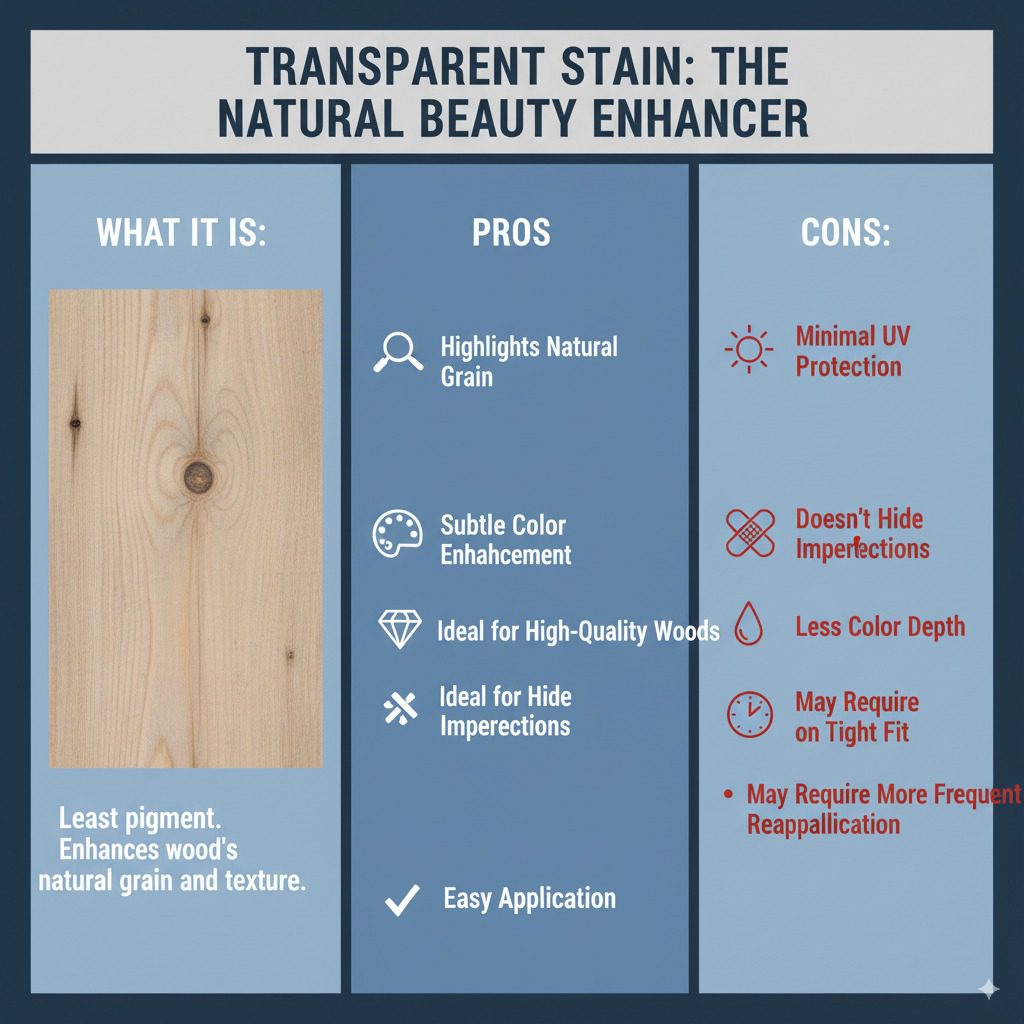
Transparent stains are the purest form of wood enhancement. Their primary goal is to add a subtle hint of color while allowing the wood’s natural grain, texture, and unique character to be the star of the show. Imagine a clear coat with a whisper of color – that’s essentially what a transparent stain does.
These stains contain the least amount of pigment. This minimal pigment allows the natural variations in the wood, such as knots, figuring, and color differences between boards, to show through with very little alteration. They are excellent for projects where you want the wood itself to speak volumes. Think of a beautiful piece of cherry or walnut; a transparent stain can deepen its natural color without obscuring its inherent beauty.
Transparent stains offer the most natural look. They are ideal for situations where the wood has a beautiful grain pattern that you want to highlight. They provide a light color wash that can unify the tone of different wood species or boards, but they won’t hide any imperfections or major color variations in the wood.
Pros of Transparent Stain:
- Highlights Natural Grain: The wood’s natural beauty, including its grain patterns and texture, remains highly visible.
- Subtle Color Enhancement: Adds a light tint that can unify the wood’s tone without drastically changing its appearance.
- Ideal for High-Quality Woods: Perfect for showcasing premium woods like maple, cherry, walnut, or mahogany.
- Easy Application: Generally easy to apply and can be forgiving for beginners.
- Less Pigment, Less Fading: With less pigment, there’s theoretically less for UV rays to break down, though protection still relies on the stain’s UV inhibitors.
Cons of Transparent Stain:
- Minimal UV Protection: Offers the least amount of UV protection compared to other stain types due to its low pigment content.
- Doesn’t Hide Imperfections: Any knots, blemishes, or significant color variations in the wood will still be very apparent.
- Less Color Depth: If you’re looking for a rich, saturated color, a transparent stain might not provide enough.
- Durability Concerns: May require more frequent reapplication, especially on exterior projects exposed to harsh weather.
Semi-Transparent Stain: The Balanced Approach
Semi-transparent stains strike a beautiful balance. They offer more color than a transparent stain but still allow the wood’s natural grain and texture to peek through. Think of it as a colored glaze that adds a noticeable hue while letting the wood’s character shine, albeit a bit more muted than with a transparent stain.
These stains contain a moderate amount of pigment. This means they can provide a richer color than transparent stains and offer a bit more protection against UV damage. While you’ll still see the wood grain, it will be less distinct than with a transparent stain. This makes semi-transparent stains a popular choice for decks, fences, and furniture where you want a clear color presence without completely covering up the wood’s natural appeal.
The beauty of semi-transparent stain is its versatility. It can transform the look of less expensive woods, making them appear richer and more appealing. It also offers a good compromise for those who like the look of wood grain but desire a more pronounced color than what a transparent stain can provide. For exterior applications, the increased pigment offers better protection against the sun’s damaging rays.
Pros of Semi-Transparent Stain:
- Good Balance of Color and Grain: Provides a noticeable color while still allowing the wood grain to be visible.
- Enhanced UV Protection: Offers better protection against UV damage compared to transparent stains due to higher pigment content.
- Covers Minor Imperfections: Can help to disguise minor flaws, knots, or color variations in the wood.
- Versatile Color Options: Available in a wide range of colors to suit various aesthetic preferences.
- Good for Most Woods: Works well on a variety of wood types, including those with less striking natural grain patterns.
Cons of Semi-Transparent Stain:
- Grain is Less Visible: The wood grain is not as prominent as with transparent stains.
- Can Hide Some Wood Character: May obscure some of the finer details and natural variations in the wood.
- Application Might Show Lap Marks: If not applied evenly, lap marks can be more noticeable than with transparent stains.
The Key Differences at a Glance
To make the decision even clearer, let’s break down the core differences in a way that’s easy to digest. The main distinctions come down to pigment content, visibility of wood grain, and the level of UV protection offered.
| Feature | Transparent Stain | Semi-Transparent Stain |
|---|---|---|
| Pigment Content | Very Low | Moderate |
| Wood Grain Visibility | High – Natural grain, knots, and texture are very prominent. | Moderate – Wood grain is visible but softened by the color. |
| Color Saturation | Subtle tint or wash of color. | Noticeable color, deeper than transparent. |
| UV Protection | Minimal | Good |
| Ability to Hide Imperfections | Very Low – Shows all wood characteristics. | Low to Moderate – Can soften minor imperfections. |
| Best For | Highlighting premium wood’s natural beauty, subtle color changes. | Adding color while showing grain, general-purpose wood finishing, exterior projects. |
Choosing between them really depends on the look you’re aiming for and the condition of the wood you’re working with. If you have a piece of wood with an absolutely stunning grain pattern that you want to showcase with just a touch of color, go transparent. If you want a clear color statement that still lets you see the wood’s character, semi-transparent is likely your best bet.
When to Choose Which: Project-Based Guidance
Making the final decision often comes down to the specific project you have in mind and the type of wood you’re using. Here’s some practical advice to help you pick the right stain for your needs.
Choose Transparent Stain When:
- Working with High-Quality, Beautifully Grained Woods: If you’ve splurged on a piece of maple, cherry, or walnut with a stunning natural pattern, a transparent stain will let that beauty shine.
- You Want a “Natural” or “Clear Coat” Look: If your goal is to protect the wood and add a hint of its natural color intensified, transparent is the way to go.
- The Wood is Very Uniform in Color: If all your boards look very similar, a transparent stain won’t highlight any inconsistencies.
- You’re Finishing Interior Trim or Fine Furniture: Where durability against harsh elements isn’t the primary concern, and the focus is on the wood’s intrinsic beauty.
Choose Semi-Transparent Stain When:
- Working with Common or Less Expensive Woods: Woods like pine, fir, or poplar can be significantly enhanced with a semi-transparent stain, giving them a richer, more premium appearance.
- You Want a Noticeable Color Change: If you want to shift the wood to a specific hue, like a light oak, cedar, or even a subtle gray, semi-transparent stains offer more pigment.
- Finishing Exterior Projects: Decks, fences, and outdoor furniture benefit from the increased UV protection offered by semi-transparent stains. According to the U.S. Forest Products Laboratory, pigments in stains play a crucial role in protecting wood from UV degradation, which causes graying and deterioration.
- The Wood Has Some Minor Imperfections: If your wood has a few knots or slight color variations you’d prefer not to highlight, the extra pigment in semi-transparent stain can help mask them gently.
- You Want a Balance: You like the idea of seeing the wood grain but also want a clear, lasting color.
Application Tips for Both Stain Types
Regardless of whether you choose transparent or semi-transparent, proper application is key to a beautiful finish. Here are some tips to ensure success:
Preparation is Paramount:
- Clean the Wood: Ensure the surface is free of dust, dirt, grease, and old finishes.
- Sand Smoothly: Start with a coarser grit (like 80 or 100) and progressively move to finer grits (150, then 180 or 220). Always sand with the grain. For a smoother finish, especially with transparent stains, you might go up to 220 or even 320 grit.
- Wipe Away Dust: After sanding, use a tack cloth or a clean, lint-free rag slightly dampened with mineral spirits (for oil-based stains) or water (for water-based stains) to remove all sanding dust.
- Test Your Stain: Always test your chosen stain on a scrap piece of the same wood you’re using for your project. This is crucial for both transparent and semi-transparent stains to see how the color looks and how the grain absorbs the pigment.
Application Techniques:
- Stir, Don’t Shake: Always stir your stain thoroughly before and during application. Shaking can introduce air bubbles, which can affect the finish.
- Apply Evenly: Apply the stain in thin, even coats using a brush, rag, or foam applicator. Work with the grain of the wood.
- Wipe Off Excess: For most stains, especially transparent and semi-transparent, you’ll want to wipe off the excess pigment after a short waiting period (usually 5-15 minutes, check the product instructions). This prevents the stain from becoming too dark or blotchy. Wipe with the grain using a clean, lint-free cloth.
- Consider a Pre-Stain Wood Conditioner: For porous woods like pine or poplar, a pre-stain conditioner can help ensure a more even stain absorption and prevent blotchiness, especially with transparent stains.
- Allow Drying Time: Let each coat dry completely according to the manufacturer’s instructions before applying a second coat (if desired) or a topcoat.
- Topcoat for Protection: Once the stain is dry, apply a protective topcoat like polyurethane, varnish, or lacquer. This is essential for durability and protection against wear and moisture.
Understanding Stain Opacity Levels
Wood stains come in various levels of opacity, with transparent and semi-transparent being just two. Understanding the full spectrum can give you even more control over your project’s final look.
| Stain Type | Pigment Content | Wood Grain Visibility | Color Coverage | UV Protection | Best Use Cases |
|---|---|---|---|---|---|
| Transparent | Very Low | High | Subtle tint | Minimal | Highlighting natural wood beauty, subtle enhancements. |
| Semi-Transparent | Moderate | Moderate | Noticeable color | Good | Balancing color and grain, general wood finishing, exterior wood. |
| Semi-Solid | High | Low | Significant color | Very Good | Masking minor imperfections, achieving richer colors while still showing some grain. |
| Solid Color | Very High (Opaque) | None | Complete coverage | Excellent | Completely changing wood color, covering significant imperfections, acting like a wood-toned paint. |
Knowing these different levels helps you visualize the final outcome. If you want the wood to look like wood, but better or in a different color, transparent or semi-transparent are your go-to. If you want to cover up the wood’s existing look and provide maximum protection, semi-solid or solid color stains (which are very similar to paint in terms of coverage) might be more appropriate.
Frequently Asked Questions (FAQ)
Q1: Can I use a transparent stain on pine?
Yes, you can! Pine is a softwood that can sometimes absorb stain unevenly, leading to a blotchy appearance. To achieve a more uniform look with a transparent stain on pine, it’s highly recommended to use a pre-stain wood conditioner first. This helps the wood absorb the stain more evenly.
Q2: Will semi-transparent stain hide knots in my wood?
Semi-transparent stains have enough pigment to help soften the appearance of knots and minor imperfections. They won’t completely hide them, but they will make them less pronounced than a transparent stain would. If you want to hide knots entirely, you would need to move up to a semi-solid or solid color stain.
Q3: How many coats of stain should I apply?
For both transparent and semi-transparent stains, one coat is often sufficient to achieve the desired color, especially if you’re aiming for a natural look. If you want a deeper or richer color, you can apply a second coat after the first has dried completely. However, be cautious, as too many coats, especially with semi-transparent, can start to obscure the wood grain.
Q4: What’s the difference between oil-based and water-based stains?
Oil-based stains penetrate the wood deeper and are known for their rich color and ease of application (more open time). They typically require mineral spirits for cleanup. Water-based stains dry faster, have lower VOCs (Volatile Organic Compounds), and are easier to clean up with soap and water. They can sometimes raise the wood grain more than oil-based stains, requiring an extra sanding step.
Q5: Do I need a topcoat over wood stain?
Yes, absolutely! Stain is primarily a colorant and offers limited protection on its own. A clear topcoat (like polyurethane, varnish, or lacquer) is essential to protect the stained wood from moisture, abrasion, UV damage, and general wear and tear. It also enhances the depth and richness of the stain color.
Q6: Can I mix different stain types?
While you can technically mix stains, it’s generally not recommended for beginners, especially mixing oil-based with water-based products, as they are not compatible. You can sometimes mix stains of the same base type (e.g., two oil-based stains) to achieve a custom color, but it’s best to test this on scrap wood first to ensure consistent results.
Conclusion: Your Wood, Your Vision
So there you have it! The difference between transparent and semi-transparent stain boils down to how much color you want to add and how much of the wood’s natural character you want to reveal. Transparent stains are your best friend when you want that “barely there” enhancement, letting the wood’s inherent beauty take center stage. They add a subtle hue and a touch of protection while keeping the grain crisp and clear.
On the other hand, semi-transparent stains offer a bit more pigment. They’re perfect for adding a noticeable color to your wood while still allowing the grain to peek through, providing a beautiful balance. They also offer a bit more protection, making them a fantastic choice for a wide range of projects, from indoor furniture to outdoor decks. Remember, the key is to consider your wood type, the desired aesthetic, and the environment the project will live in.
Don’t be afraid to experiment on scrap pieces. That’s where the real learning happens! With a little practice and this guide in hand, you’re well-equipped to choose the perfect stain to bring your woodworking visions to life. Happy building!