Do Goats Need Light At Night: Essential Guide
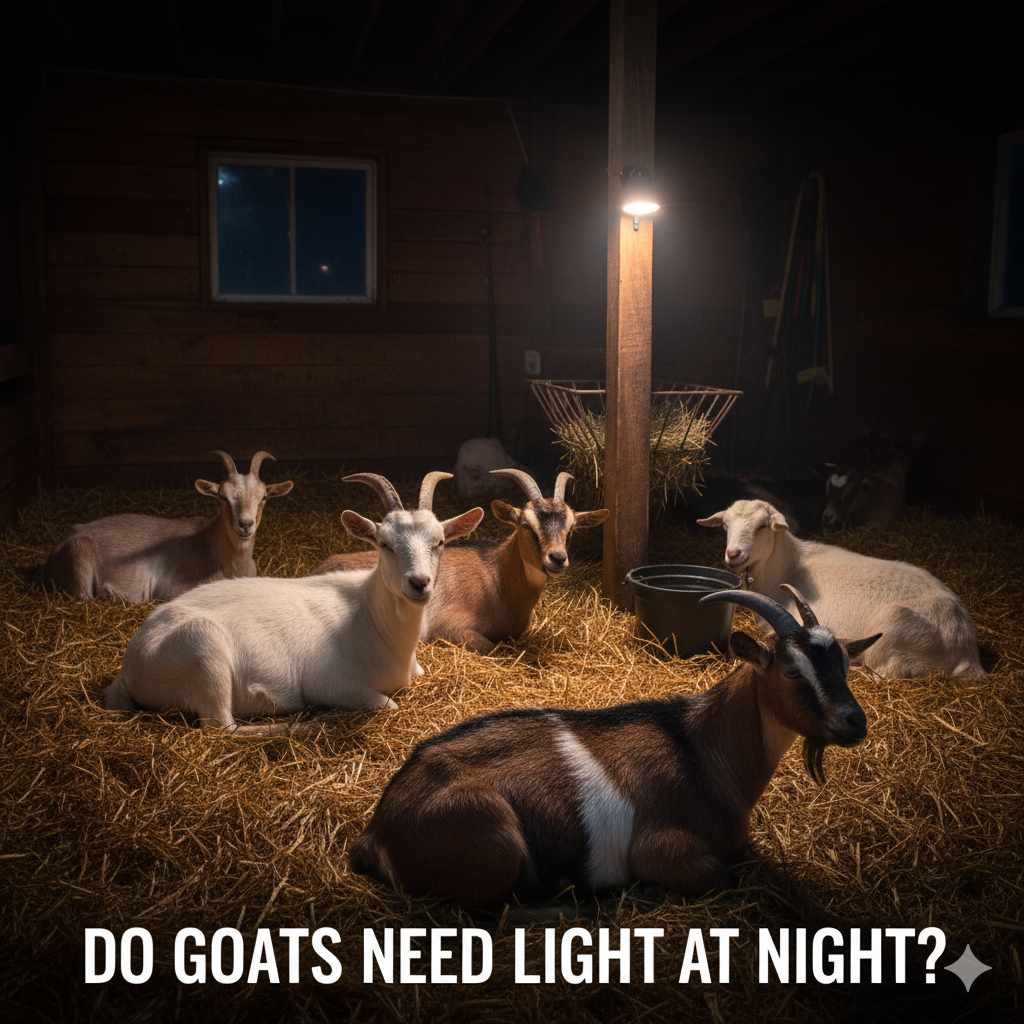
Do goats need light at night? Generally, no. Goats are natural browsers and grazers that thrive with a natural day-night cycle. Providing artificial light at night can disrupt their natural behaviors and sleep patterns. However, in specific situations like kidding or illness, minimal, dim light might be beneficial.
Hey there, fellow DIY enthusiasts and home improvers! Md Meraj here, ready to tackle another common question that pops up when you’re setting up a comfortable space for your animals. You’ve got your goats, you’re making sure they have shelter and food, and then comes the question: “Do goats need light at night?” It sounds simple, but getting it right makes a big difference for your herd’s well-being. Don’t worry, we’ll break it down step-by-step, just like we do with any good home project. We’ll explore what goats naturally need and when a little light might actually be helpful. Stick with me, and we’ll make sure your goats are happy and healthy, day and night!
Understanding Goat Sleep and Natural Rhythms
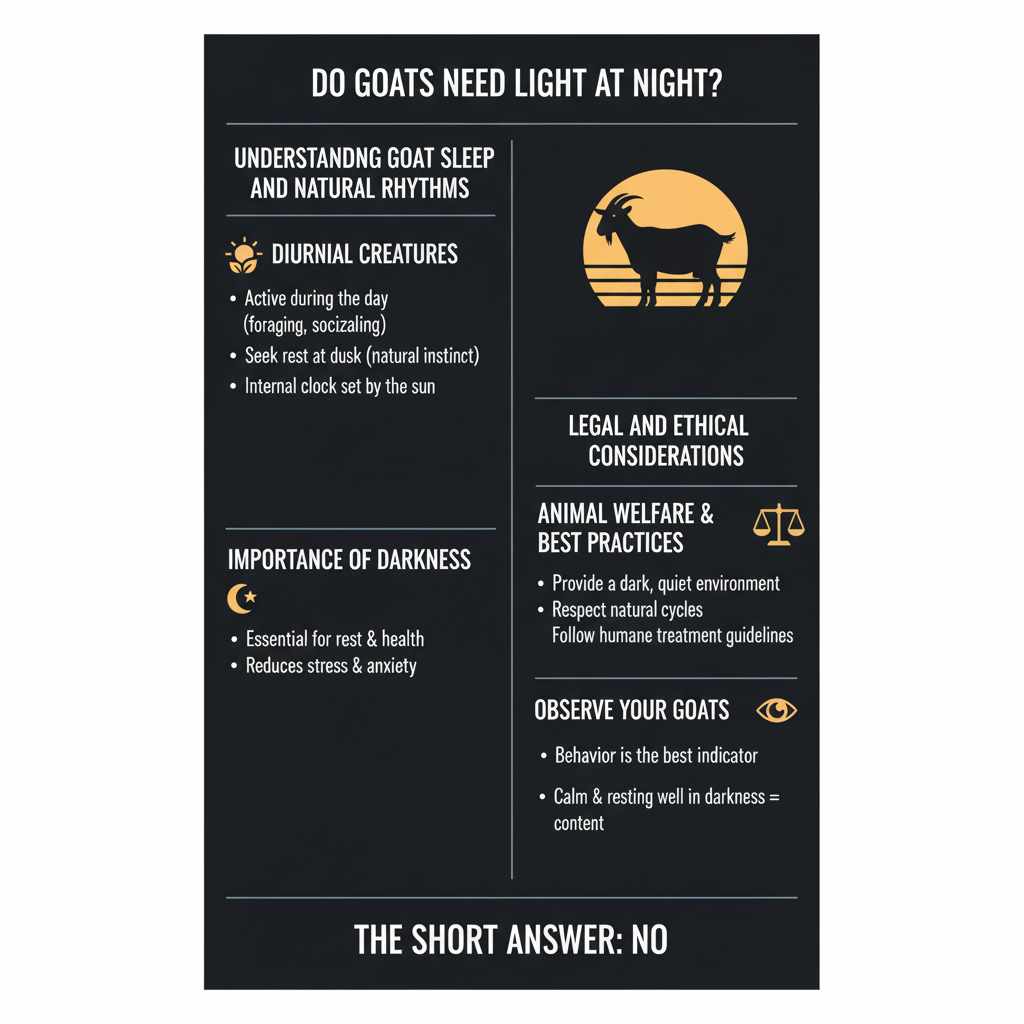
Goats, like most animals, are creatures of habit and deeply connected to the natural world. Their internal clocks are set by the sun. They are most active during the day, foraging for food, socializing, and exploring. As dusk settles, they naturally seek out a safe place to rest and sleep. This natural rhythm is crucial for their overall health, just like a good night’s sleep is for us!
Think about how they behave in the wild or on a large pasture. They follow the sun. When it gets dark, they settle down. This is their instinct. Messing with this natural cycle can actually cause stress and affect their well-being. So, the short answer is, for the most part, they don’t need artificial light at night. Their bodies are designed to rest when it’s dark.
Why Natural Darkness is Important for Goats
Darkness is more than just the absence of light for goats; it’s a signal for rest and rejuvenation. During the night, their bodies undergo important biological processes. Disrupting this can have several negative effects:
- Sleep Quality: Just like us, goats need deep, uninterrupted sleep to recover from the day’s activities. Constant light can prevent them from entering these restorative sleep cycles.
- Hormonal Balance: Light and darkness play a role in regulating hormones, including those that affect mood, growth, and reproduction. Consistent darkness helps maintain this delicate balance.
- Reduced Stress: A natural environment with predictable light patterns is less stressful for goats. Artificial light can be disorienting and create anxiety.
- Natural Behaviors: Some natural goat behaviors, like ruminating (chewing their cud) and resting, are more likely to occur during quieter, darker periods.
The American Society for the Prevention of Cruelty to Animals (ASPCA) emphasizes the importance of providing animals with environments that meet their natural behavioral needs. For goats, this includes respecting their natural diurnal (daytime active) and nocturnal (nighttime resting) patterns.
When Minimal Light Might Be Beneficial (Exceptions to the Rule)
While natural darkness is the general rule, there are a few specific scenarios where a very dim, low-level light source might be considered. These are exceptions, not the norm, and should be used cautiously.
1. During Kidding (Birthing)
When a doe is about to give birth, she might be anxious or restless. If kidding occurs at night, a very dim, constant light source can help you monitor her and the newborn kids without causing undue stress. The goal here is not to illuminate the barn brightly, but to provide just enough light to see clearly if needed.
A small, low-wattage bulb, or even a red-tinted light, can be used. Red light is often preferred as it’s thought to be less disruptive to the animals’ natural sleep cycles. It allows you to observe without startling them. This is especially helpful if you need to intervene, check on newborns, or assist the mother.
2. For Sick or Injured Goats
If you have a goat that is ill, injured, or recovering from surgery, they might need extra monitoring. If their condition requires you to check on them frequently throughout the night, a dim light can make this easier and safer for both you and the goat. Again, the key is “dim.” You don’t want to flood the stall with light.
A nightlight-style bulb or a fixture that can be easily dimmed would be ideal. The aim is to provide visibility for observation, not to mimic daylight. This allows you to check on their breathing, comfort level, or administer medication without disturbing their rest too much.
3. In Very Large or Complex Barns
In some extremely large barn setups, or where there are many obstacles, a very low-level ambient light might be used for safety. This isn’t for the goats’ benefit directly, but to prevent them from stumbling or getting injured in the dark if they need to move around. However, most goat shelters are designed to be cozy and safe, making this less of a concern.
For most typical goat shelters, this is rarely an issue. The goats usually know their way around their familiar space. If you have a very large property or a complex barn layout, consider how your goats navigate it during the day and whether any areas pose a risk in low light.
What Kind of Light is Best (If Needed)?
If you determine that a light source is necessary for one of the exceptional reasons mentioned above, choosing the right type of light is crucial. You want to minimize disruption.
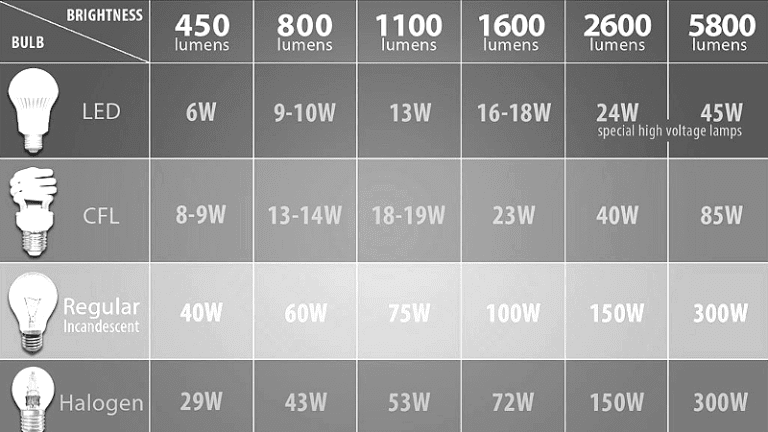
- Low Wattage: Always opt for the lowest wattage bulb possible. Think 15-40 watts, depending on the area size.
- Red or Amber Bulbs: These colors of light are less disruptive to the natural sleep-wake cycles of many animals compared to white or blue light.
- Dimmer Switches: Installing a dimmer switch gives you complete control over the light intensity, allowing you to adjust it as needed.
- Timers: For very specific needs, like a brief period after kidding, a timer can ensure the light is only on when you anticipate needing it, rather than all night.
- Shielded Fixtures: Ensure any light fixture is safely installed, shielded to prevent direct glare into the goats’ eyes, and out of reach to avoid damage or injury.
It’s important to remember that even these exceptions should be temporary. Once the kidding process is over or the sick goat is recovering, revert back to natural darkness.
How to Create a Natural Dark Environment
Creating an environment that respects natural light cycles is quite simple. It involves ensuring your goat housing is dark and cozy when the sun goes down.
- Seal Light Leaks: Walk into your barn or shelter as dusk approaches. Look for any gaps or cracks where light is entering. Seal these with caulk, wood, or appropriate materials.
- Use Solid Walls and Roofs: Ensure your shelter has solid walls and a roof that blocks out external light. Avoid using thin materials that allow light to penetrate.
- Minimize Interior Lighting: If you have any interior lights, use them only when necessary and ensure they can be turned off completely.
- Consider Window Placement: If your shelter has windows, ensure they are positioned in a way that doesn’t directly shine light into resting areas at night. You might even consider covering them with opaque material if they are a problem.
- Natural Instincts: Trust your goats’ instincts. They are usually very good at finding the most comfortable, dark spot to sleep.
The key is to make the shelter a safe, dark haven for rest. This allows them to engage in natural behaviors like ruminating and sleeping soundly.
Pros and Cons of Providing Night Light
Let’s weigh the advantages and disadvantages of using artificial light for goats at night. This helps in making an informed decision for your specific situation.
| Pros of Night Light (Under Specific Circumstances) | Cons of Night Light (General Use) |
|---|---|
| Allows for easier monitoring during kidding or if a goat is ill/injured. | Disrupts natural sleep-wake cycles and can reduce sleep quality. |
| Can provide a sense of security for human observers if checking on goats. | May cause stress and anxiety in goats accustomed to darkness. |
| Helps prevent accidents for human handlers in very dark, complex barns. | Can interfere with natural hormonal regulation. |
| Red or dim lights are less disruptive than bright white light. | Can encourage goats to be more active when they should be resting. |
| May lead to disorientation or confusion for the goats. |
As you can see, the cons generally outweigh the pros for routine use. The benefits are primarily for human convenience or during critical, temporary situations for the goats.
Alternatives to Artificial Lighting
If you’re concerned about your goats’ safety or need to check on them at night without using full lights, there are some excellent alternatives:
- Headlamps or Flashlights: Keep a headlamp or flashlight handy. These allow you to direct light precisely where you need it for a quick check without flooding the entire area.
- Motion-Activated Lights: If you need light for security or to deter predators, a motion-activated light placed strategically outside the shelter can be effective. These only come on when triggered, minimizing constant light exposure for the goats.
- Strategic Shelter Design: A well-designed shelter with clear pathways and no hidden hazards will naturally be safer for goats to navigate even in dim moonlight.
- Familiarity with Your Herd: Knowing your goats’ usual nighttime behavior will help you quickly identify if something is amiss, even in low light.
These alternatives ensure you have visibility when needed without compromising the goats’ natural environment.
Legal and Ethical Considerations
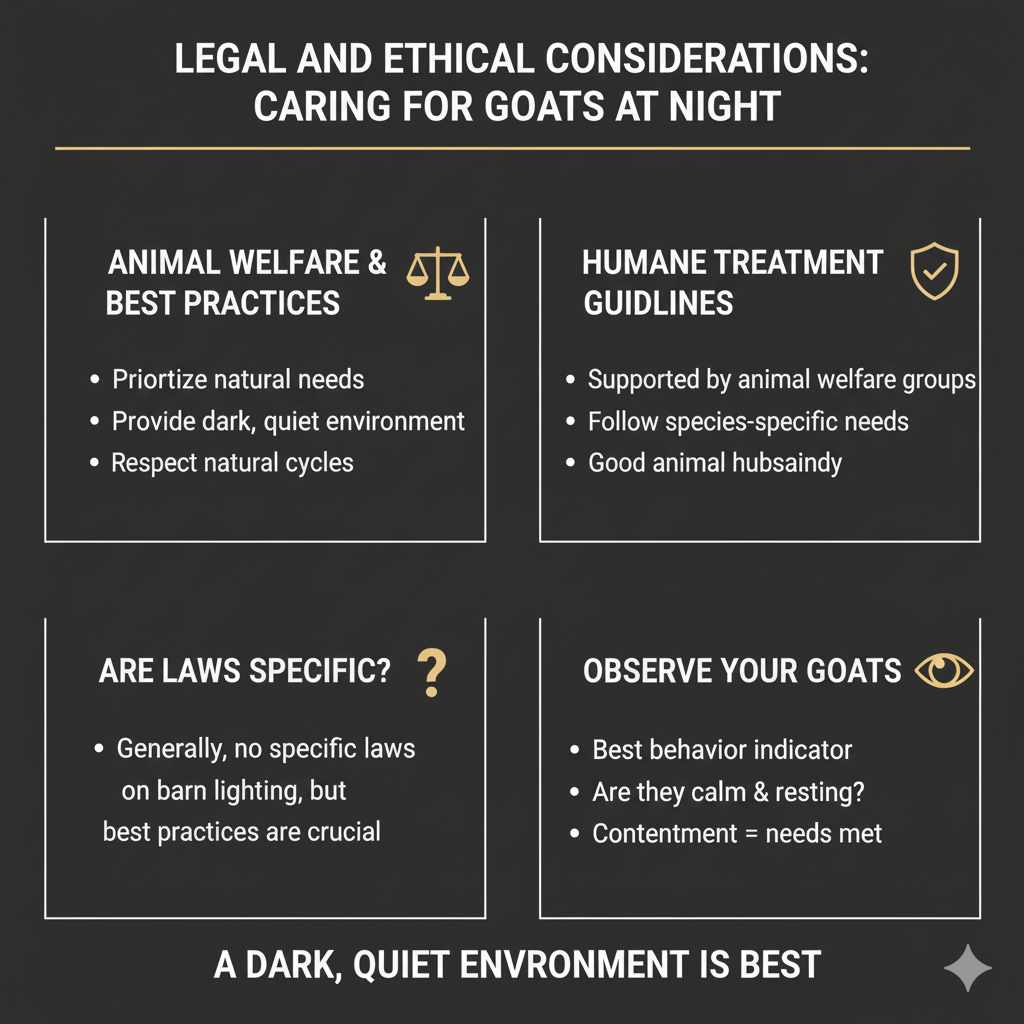
When caring for any animal, it’s important to consider their welfare from all angles. The general consensus among animal welfare organizations and experienced goat keepers is to prioritize the animal’s natural needs. Providing a dark, quiet environment for sleep is a fundamental aspect of good animal husbandry.
Organizations like the Animal Legal Defense Fund (ALDF) advocate for the humane treatment of animals, which includes providing living conditions that meet their species-specific needs. For goats, this means respecting their natural cycles. While there aren’t typically specific laws dictating barn lighting for goats, adhering to best practices in animal care is always the right thing to do.
When in doubt, observe your goats. Are they restless? Are they sleeping soundly? Their behavior is often the best indicator of whether their environment is meeting their needs. If they are calm and resting well in darkness, you’re likely doing it right!
Frequently Asked Questions About Goat Lighting
Q1: Do baby goats (kids) need light at night?
No, baby goats, or kids, do not need artificial light at night. They thrive on the same natural day-night cycle as adult goats. Their mother will keep them warm and safe, and they will sleep soundly in the dark.
Q2: Will my goats be scared of the dark?
Goats are naturally adapted to darkness. They have good night vision and are accustomed to resting when it’s dark. Unless they have had a negative experience or are in an unfamiliar, unsafe environment, they are unlikely to be scared of the dark.
Q3: How much light is too much light for goats at night?
Any light that significantly brightens the shelter and prevents the goats from settling down and sleeping is too much. Bright overhead lights, lights that stay on all night, or lights that create shadows or flickers can be disruptive.
Q4: Can I use a red light bulb in the goat barn at night?
Yes, a dim red or amber light bulb can be used if absolutely necessary, such as for monitoring a doe during kidding or a sick animal. Red light is generally considered less disruptive to their sleep cycles than white light.
Q5: What if my barn is very old and drafty? Will that affect goats at night?
An old, drafty barn might be a concern for temperature regulation, but not necessarily for light. Ensure the shelter is free from drafts that could make the goats uncomfortable, but the darkness itself is beneficial. If light is leaking in, seal those gaps.
Q6: Should I leave a light on if there are predators around?
For predator deterrence, it’s often more effective to use motion-activated lights placed outside the shelter. These can startle predators and alert you. Leaving a constant light inside the shelter can actually make it easier for predators to see the goats, and it disrupts the goats’ rest.
Q7: How can I tell if my goats are getting enough rest?
Observe your goats. If they are alert and active during the day, spend time ruminating (chewing cud) peacefully, and settle down to sleep in their resting areas at night, they are likely getting enough rest. Lethargy, unusual restlessness, or poor appetite can be signs of underlying issues, including poor rest.
Conclusion
So, to wrap things up, the simple answer to “Do goats need light at night?” is a resounding no, under normal circumstances. Goats are built to thrive on a natural rhythm of light and dark. Providing a dark, peaceful environment at night is one of the best ways to support their health, well-being, and natural behaviors. Think of it like building a sturdy workbench; you want the foundation to be natural and solid. Artificial light should be reserved for very specific, temporary situations like assisting with births or caring for a sick animal, and even then, it should be minimal and low-impact, like a dim red bulb.
By respecting their natural instincts and creating a dark, safe haven for them to rest, you’re providing the best possible care. It’s all about understanding their needs and working with nature, not against it. This approach not only benefits your goats but also makes for a more peaceful and efficient homestead. Keep observing your herd, trust their natural cues, and you’ll always know you’re providing them with a comfortable and healthy environment. Happy goat keeping!