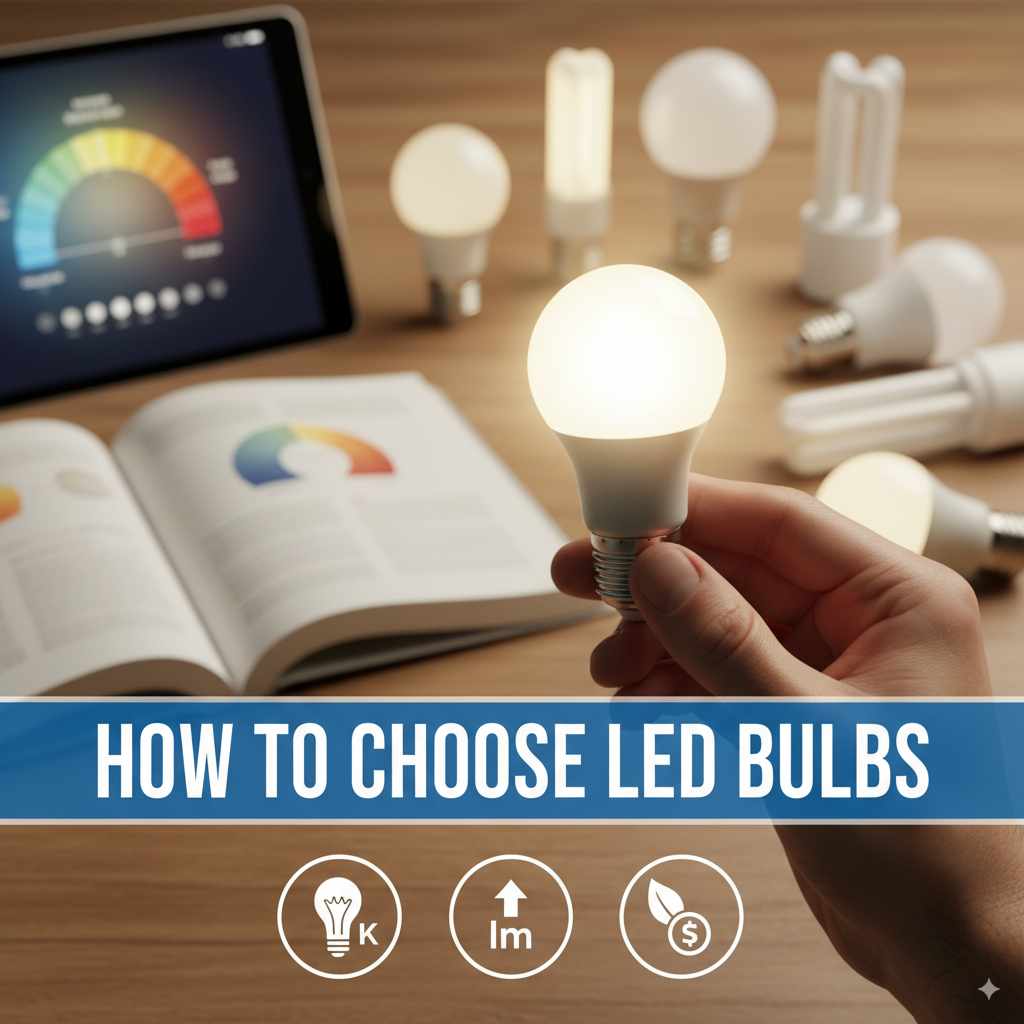
How to Choose LED Bulbs: Lumens, Kelvin & CRI Guide
LED bulbs are chosen by matching lumens (not watts) to brightness, Kelvin to room mood, and base type like E26 to your fixture — but only ENERGY STAR-certified bulbs are independently tested not to dim or flicker early. Buying by wattage alone is the most common mistake, leaving rooms too dim or harshly lit. This guide covers lumens-to-wattage conversion, Kelvin by room, base and shape matching, and how to spot a certified bulb before checkout.
Why Make the Switch to LED Bulbs?
You might be wondering if it’s really worth the effort to change out all your old bulbs. The answer is a resounding YES! LED (Light Emitting Diode) bulbs are a modern marvel for home lighting. They’re incredibly energy-efficient, using up to 80% less energy than traditional incandescent bulbs. This means lower electricity bills, which adds up over time. Plus, they last much, much longer – some can last 25,000 hours or more! That’s years of not having to climb a ladder to change a bulb. They also produce very little heat, making them safer to use and helping to keep your rooms cooler. Ready to see how to pick the right ones? Browse our full lighting and ceiling fan guides for more room-by-room advice.
Understanding the Key Features of LED Bulbs
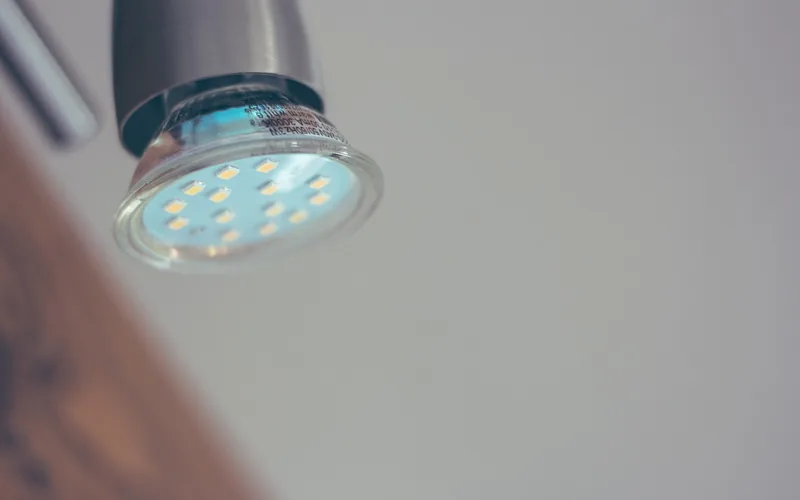
When you’re looking at LED bulbs, you’ll see a few key terms pop up repeatedly. These are the most important things to understand to make a good choice. Once you know what each term means, comparing bulbs at the store takes seconds instead of guesswork.
1. Brightness: Lumens, Not Watts
This is a big one! For years, we’ve all bought bulbs based on watts, which measure energy consumption. But with LEDs, watts don’t tell you how bright the light is. Instead, you need to look at lumens (lm). More lumens mean a brighter light. Here’s a quick guide to help you compare:
| Equivalent Incandescent Wattage | Typical Lumens | Common Use Cases |
|---|---|---|
| 40W | 450 lm | Accent lighting, hallways, small lamps |
| 60W | 800 lm | General room lighting (living rooms, bedrooms) |
| 75W | 1100 lm | Task lighting (kitchen counters, reading nooks) |
| 100W | 1600 lm | Bright general lighting, workshops, garages |
So, if you’re replacing a 60-watt incandescent bulb, look for an LED bulb with around 800 lumens (see our full wattage-to-lumens conversion chart for other sizes). This simple switch will drastically cut down your energy use while giving you the same amount of light. It’s one of the easiest ways to save energy around the house.
2. Color Temperature: Kelvin (K)
The color temperature of a light bulb affects the mood and feel of a room. It’s measured in Kelvin (K). Getting it wrong is the single biggest reason a new LED bulb feels “off” in a room. Here’s a breakdown:
- Warm White (2700K – 3000K): This is similar to the cozy, yellowish light of traditional incandescent bulbs. It’s great for living rooms, bedrooms, and dining areas where you want a relaxing and inviting atmosphere.
- Cool White / Bright White (3500K – 4100K): This light is a bit whiter and has a neutral tone. It’s a good all-around choice for kitchens, bathrooms, and home offices where you need clear, functional light without being too harsh.
- Daylight (5000K – 6500K): This is a very bright, bluish-white light that mimics natural daylight. It’s ideal for task lighting, garages, workshops, or any area where you need maximum visibility and focus.
Think about the purpose of the room. For a cozy reading nook, warm white is perfect. For a workspace where you need to see details clearly, daylight is better. Many LED bulbs also offer tunable white options, allowing you to adjust the color temperature to suit your preference throughout the day.
3. Bulb Shape and Base Type
This is where you need to match the new LED bulb to your existing light fixtures. Just like you wouldn’t try to force a round peg into a square hole, you need the right shape and base. The most common types you’ll encounter are:
- A-Shape (Standard Bulb): This is the classic bulb shape you see in most lamps and ceiling fixtures. They come in various sizes, with the most common being the A19.
- BR (Bulged Reflector) and PAR (Parabolic Aluminized Reflector): These are directional bulbs often used in recessed lighting, track lighting, and spotlights. They have a more focused beam of light.
- Candelabra (C): These are small, often flame-shaped bulbs used in decorative fixtures like chandeliers and sconces.
- G-Shape (Globe): These are round bulbs, often used in vanities or decorative pendant lights.
- MR (Miniature Reflector): Smaller than PAR or BR bulbs, these are often used in track lighting or accent lighting.
The base type is the part that screws or plugs into the socket. The most common base for standard A-shape bulbs is the Edison screw (E). The number after the ‘E’ refers to the diameter in millimeters. For example, E26 is the standard base in North America for most household fixtures. For candelabra bulbs, you’ll often see E12. Other types include bi-pin (GU) bases for spotlights and fluorescent replacements.
Pro Tip: Take a picture of your old bulb or note down its shape and base type before you go shopping. This will save you a lot of confusion!
4. Dimmable vs. Non-Dimmable
If you have dimmer switches in your home, this is crucial! Not all LED bulbs work with dimmer switches. Using a non-dimmable LED bulb with a dimmer switch can cause flickering, buzzing, or even damage the bulb. Always check the packaging for a “dimmable” label if you intend to use it with a dimmer. Even then, some LED dimmers are designed specifically for LED technology, while older dimmer switches might not be compatible. For the best results with dimmable LEDs, consider upgrading to an LED-compatible dimmer switch. Not sure if your specific bulbs dim at all? See our guide on which LED bulbs are dimmable before you buy a new switch.
5. Color Rendering Index (CRI)
The CRI measures how accurately a light source reveals the true colors of objects. It’s a scale from 0 to 100, where 100 is the best. Incandescent bulbs have a CRI of 100, so colors look very natural under them. Most good quality LED bulbs have a CRI of 80 or higher. If you’re an artist, a photographer, or simply someone who appreciates true colors , look for LEDs with a CRI of 90 or above. For general home use, a CRI of 80+ is usually perfectly fine.
6. Beam Angle
This applies mostly to directional bulbs like spotlights and floodlights. The beam angle tells you how wide the cone of light is. A narrow beam angle (e.g., 25 degrees) creates a focused spotlight, while a wider beam angle (e.g., 60 degrees or more) spreads light over a larger area, acting more like a floodlight. Choose the beam angle based on what you want to illuminate. For accenting artwork, a narrow beam is ideal. For general area lighting, a wider beam is better.
7. ENERGY STAR Certification and the Lighting Facts Label
ENERGY STAR certification is a federal quality mark that confirms an LED bulb has been independently tested for accurate brightness, color, and lifespan claims. It is not automatic — manufacturers must submit bulbs for third-party lab testing before using the label. A bulb without it can still be a decent product, but you are trusting the box copy instead of a verified test.
Every LED package in the US is required to carry a “Lighting Facts” label — a small chart on the back of the box listing brightness (lumens), estimated yearly energy cost, life span, and light appearance (Kelvin). Read this label instead of the marketing text on the front: it is the one part of the packaging that is regulated and consistent across brands.
📊 LED lighting products produce light up to 90% more efficiently than incandescent light bulbs. — Source: ENERGY STAR, U.S. EPA/DOE
“All LED products that have earned the ENERGY STAR have been tested to ensure that they properly manage the heat so that the light output is properly maintained through the end of its rated life.”
Best ENERGY STAR LED Bulb Pick
LUXRITE A19 LED Bulb, 800 Lumens, 3000K, Dimmable (4-Pack) – $11.99
Matches the 800-lumen / 60-watt-equivalent benchmark and E26 base this guide covers, with the warm 3000K color temperature recommended above for living rooms and bedrooms.
- Best for: Living rooms, bedrooms, and dining areas on a dimmer switch
- Why we picked it: ENERGY STAR certified, E26 base, and rated for enclosed fixtures — covers the three most common buying mistakes this guide flags
- Main drawback: Fixed 3000K only — buy a different Kelvin pack for kitchens or workshops
Compare more ENERGY STAR LED bulb options
 Option 1 EcoSmart Daylight A19 LED, Dimmable (4-Pack) – $17.95
|
 Option 2 LUXRITE A19 LED, 5000K Bright White (4-Pack) – $11.89
|
 Option 3 Feit Electric A19 LED, Soft White (8-Pack) – $11.89
|
As an Amazon Associate we earn from qualifying purchases.
Comparing LED Bulbs to Other Lighting Technologies
To truly appreciate LEDs, it helps to see how they stack up against older technologies. We’ve come a long way from the early days of lighting!
| Feature | Incandescent | Halogen | CFL (Compact Fluorescent Lamp) | LED (Light Emitting Diode) |
|---|---|---|---|---|
| Energy Efficiency | Very Low (80% heat) | Low (70% heat) | Medium (Uses 75% less energy than incandescent) | Very High (Uses up to 80% less energy than incandescent) |
| Lifespan | Short (750-2,000 hours) | Medium (1,000-4,000 hours) | Medium (8,000-15,000 hours) | Very Long (15,000-50,000+ hours) |
| Heat Output | Very High | High | Low | Very Low |
| Durability | Fragile (glass filament) | Fragile (glass) | Fragile (glass tube, contains mercury) | Durable (often plastic casing) |
| Instant On | Yes | Yes | No (slight delay, can take time to reach full brightness) | Yes |
| Dimmable | Yes | Yes | Some, but not all | Only if labeled “Dimmable” |
| Cost | Very Low initial cost | Low initial cost | Medium initial cost | Higher initial cost, but lowest lifetime cost |
As you can see, while LEDs might have a higher upfront cost, their incredible lifespan and energy savings make them the most economical and environmentally friendly choice in the long run. It’s like investing in a high-quality tool that will serve you well for years, rather than buying a cheap one that breaks quickly.
Choosing the Right LED Bulb for Each Room
Now that you understand the basics, let’s think about how to apply this knowledge to different areas of your home. Each room has its own lighting needs.
Living Room & Bedrooms: Cozy and Inviting
These are spaces for relaxation and comfort. You want lighting that feels warm and inviting.
- Brightness: Aim for around 800 lumens (equivalent to a 60W incandescent) for general overhead lighting. You can use lower lumen bulbs (around 450 lm) for accent lamps.
- Color Temperature: Warm White (2700K – 3000K) is ideal here. It mimics the soft glow of traditional bulbs and creates a cozy ambiance.
- Dimmable: Highly recommended! Being able to dim the lights allows you to adjust the mood for movie nights or quiet evenings.
- CRI: 80+ is generally sufficient.
Kitchens & Bathrooms: Functional and Clear
These areas require brighter, more functional light for tasks like cooking, cleaning, and grooming.
- Brightness: You might want slightly brighter general lighting, around 1100 lumens (75W equivalent), especially in the kitchen. Task lighting under cabinets should be bright and focused.
- Color Temperature: Cool White (3500K – 4100K) or even Daylight (5000K) works well. This bright, neutral light helps you see details clearly and makes colors appear more vibrant.
- Dimmable: Optional, but can be nice for mood setting in a bathroom. Essential for kitchen task lighting if you want to adjust brightness.
- CRI: 80+ is good, but 90+ is even better for tasks where color accuracy matters (like food prep or makeup application).
Home Offices & Workshops: Productive and Focused
Good lighting is crucial for productivity and preventing eye strain.
- Brightness: Aim for 1100-1600 lumens (75W-100W equivalent) for overhead lighting. Task lighting should be strong and well-directed.
- Color Temperature: Daylight (5000K – 6500K) is usually best. This bright, cool light promotes alertness and concentration.
- Dimmable: Less critical here, but can be useful for adjusting intensity.
- CRI: 80+ is fine, but 90+ can be beneficial for detailed work.
Outdoor Lighting: Durable and Efficient
Outdoor LEDs need to be more robust and often have specific features for weather resistance.
- Brightness: Varies depending on the purpose (pathway lights vs. security lights).
- Color Temperature: Cool White or Daylight (4000K – 5000K) is common for security and visibility. Warm White might be preferred for decorative landscape lighting.
- Durability: Look for bulbs rated for outdoor use, often with an “IP” rating indicating dust and water resistance. For enclosed fixtures, ensure the bulb is rated for enclosed fixtures, as heat buildup can be an issue.
- Energy Savings: This is a huge benefit for outdoor lighting that might be on for many hours a night.
Where to Find Reliable LED Bulb Information
When you’re shopping for LED bulbs, stick to sources that publish tested data rather than marketing copy. The U.S. Department of Energy’s Solid-State Lighting Program publishes independent research on LED performance and efficiency standards. For product specifications and comparisons, read the Lighting Facts label on the box itself, or check manufacturer spec sheets directly. Consumer reviews are useful too — they often surface real-world flicker, color-shift, or early-failure issues that the packaging won’t mention.
Common Pitfalls to Avoid When Buying LEDs
Even with the best intentions, it’s easy to make a mistake. Here are a few common traps to watch out for:
- Ignoring Lumens: Sticking to wattage is the most common mistake. Always look for lumens to ensure you get the brightness you need.
- Buying Non-Dimmable for Dimmers: This is a recipe for flickering frustration. Double-check that your bulb is labeled “dimmable” if you have dimmer switches.
- Choosing the Wrong Color Temperature: A bright daylight bulb in a bedroom can feel jarring. Think about the mood you want for each space.
- Not Checking the Base Type: It seems obvious, but sometimes the packaging can be confusing. Make sure the base matches your fixture.
- Overpaying for Fancy Features: Unless you specifically need smart bulbs or color-changing options, stick to the basics of lumens, color temperature, and base type for significant savings.
- Skipping the ENERGY STAR Label: A non-certified bulb has not been independently tested for the brightness, color, or lifespan it advertises — it may still be fine, but you have no third-party verification.
Frequently Asked Questions (FAQs)
How do I know if my current dimmer switch is compatible with LED bulbs?
Most older dimmer switches were designed for incandescent bulbs. LED bulbs require a different type of dimmer. Look for dimmers specifically labeled “LED compatible” or “ELV” (Electronic Low Voltage) or “MLV” (Magnetic Low Voltage) dimmers, depending on your LED bulb’s requirements. Some LED bulbs are designed to work with a wider range of dimmers, but it’s always best to check the bulb’s packaging or manufacturer’s website for compatibility information. You might need to replace your dimmer switch for smooth, flicker-free dimming.
Can I use LED bulbs in enclosed light fixtures?
Some LED bulbs are designed for enclosed fixtures, while others are not. Enclosed fixtures trap heat, which can reduce the lifespan of an LED bulb. Always check the bulb’s packaging for a label that states it is “safe for use in enclosed fixtures” or “suitable for damp/wet locations” if applicable. Standard LED bulbs without this rating might overheat and fail prematurely in enclosed fixtures.
How many lumens do I need for a desk lamp?
For a desk lamp used for reading or detailed work, you’ll want bright, focused light. Aim for a bulb with around 800-1100 lumens (equivalent to a 60W-75W incandescent). A cooler color temperature, like Cool White (3500K-4100K) or Daylight (5000K-6500K), is often preferred for better focus and reduced eye strain during tasks.
What’s the difference between a 2700K and a 3000K LED bulb?
Both 2700K and 3000K fall into the “Warm White” category, but 3000K is slightly cooler and whiter than 2700K. 2700K is very close to the traditional warm, yellowish glow of an incandescent bulb, creating a very cozy and relaxing atmosphere. 3000K is still warm but has a bit more crispness, making it a versatile choice that works well in living areas, kitchens, and bathrooms where you want a comfortable yet clear light.
Do LED bulbs contain mercury?
No, unlike Compact Fluorescent Lamps (CFLs), LED bulbs do not contain mercury. This makes them a safer and more environmentally friendly lighting option, especially when it comes to disposal.
How long do LED bulbs really last?
LED bulbs are designed to last a very long time. While an incandescent bulb might last about 1,000 hours, an LED bulb can last anywhere from 15,000 to 50,000 hours or even more. This translates to many years of use, significantly reducing the need for replacements and saving you money and hassle.
Are all LED bulbs ENERGY STAR certified?
No. ENERGY STAR certification is optional and requires manufacturers to submit bulbs for independent lab testing of brightness, color accuracy, and rated lifespan. Many perfectly usable LED bulbs are sold without it, especially budget multi-packs. Certification mainly matters as a shortcut: it lets you trust the lumens and Kelvin numbers on the box without researching the brand yourself.
Conclusion: Light Up Your Home with Confidence!
Making the switch to LED bulbs is a smart move for any homeowner. By understanding lumens for brightness, Kelvin for color temperature, and ensuring you have the right shape and base, you can easily navigate the options and choose the perfect bulbs for every space. Remember to consider dimmability and CRI for specific needs. This upgrade isn’t just about saving money on your electricity bill; it’s about creating a more comfortable, functional, and inviting home environment. You’ve got the knowledge now to make confident choices. So go ahead, start swapping out those old bulbs, and enjoy the brilliant, long-lasting light of LEDs. Happy lighting!
Sponsored / affiliate links. As an Amazon Associate I earn from qualifying purchases. I may earn additional commission from eligible campaigns.