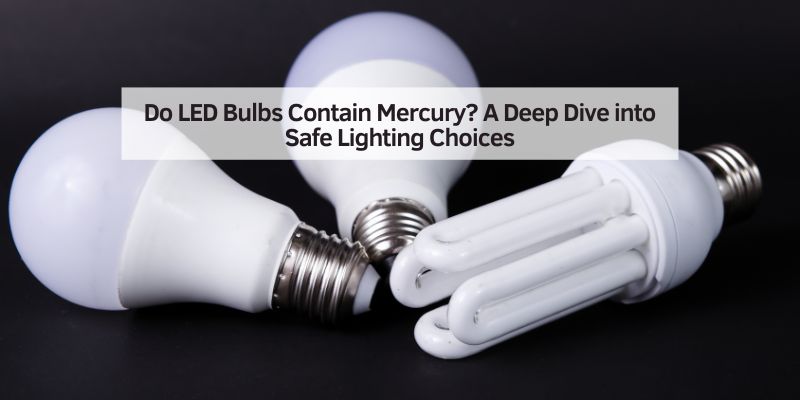
Do LED Bulbs Contain Mercury? A Deep Dive into Safe Lighting Choices
Hey there! If you’re like me, you’ve probably stood in the lighting aisle of a home improvement store, staring at rows of bulbs and wondering which ones are the safest, most eco-friendly choice for your home. One question that pops up a lot is: Do LED bulbs contain mercury? It’s a fair concern, especially since we’ve all heard about the hazards of mercury in older lighting options like fluorescent bulbs. I’ve spent a good amount of time researching this topic, testing different bulbs in my own home, and digging into the science behind them.
Let me walk you through everything I’ve learned in a way that’s clear, practical, and maybe even a little fun. By the end, you’ll know exactly what’s in your LED bulbs and why they’re a smart pick for your home.
What Exactly Is Mercury, and Why Should We Care?
Let’s start with the basics. Mercury is a shiny, silvery liquid metal that’s naturally found in the environment. It’s used in all sorts of industrial products, from thermometers to certain types of light bulbs. The problem? Mercury is toxic. If it gets into the air, water, or soil, it can harm people, animals, and the environment. Breathing in mercury vapors or touching it can cause serious health issues, like nerve damage or respiratory problems. That’s why, when it comes to light bulbs, knowing whether mercury is involved is a big deal.
When I first started looking into eco-friendly lighting for my home, I was worried about mercury because I’d heard about it in older bulbs. I didn’t want to bring anything into my house that could be risky, especially with kids and pets around. So, let’s clear up whether LEDs are part of that concern.
Do LED Bulbs Contain Mercury?
Here’s the good news: LED bulbs do not contain mercury. I’ve checked the specs on dozens of LED bulbs from brands like Philips, GE, and Cree, and mercury is nowhere to be found. Unlike some other types of bulbs, LEDs (which stands for Light Emitting Diodes) use a completely different technology to produce light. They rely on a tiny semiconductor chip that emits light when electricity passes through it. No mercury, no toxic gases—just a clever little chip doing all the work.
I remember swapping out some old bulbs in my living room and feeling relieved when I learned LEDs were mercury-free. It meant I didn’t have to worry about special disposal methods or accidental breakage releasing harmful substances. LEDs are safe, clean, and straightforward, which is why they’ve become my go-to for every room in the house.
How Do LEDs Compare to Other Bulbs?
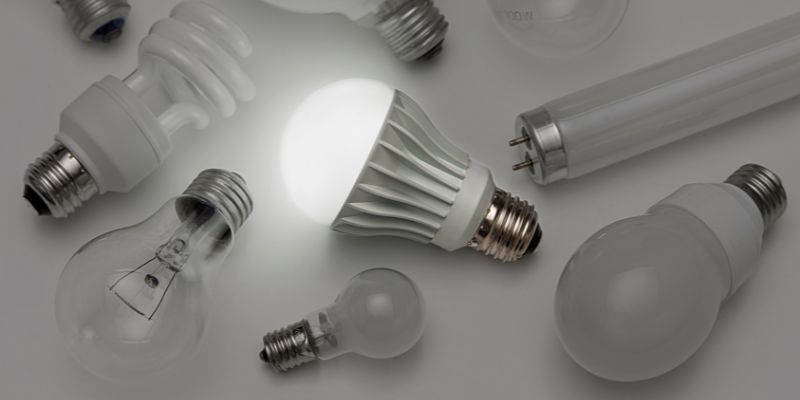
To really understand why LEDs are a great choice, it helps to compare them to other types of bulbs. I’ve tried a bunch of different lighting options over the years, from incandescent bulbs to compact fluorescents (CFLs). Each has its pros and cons, but mercury content is a key factor. Let’s break it down in a simple table to make it clear:
| Bulb Type | Contains Mercury? | How Much Mercury? | Disposal Concerns |
|---|---|---|---|
| LED | No | None | Standard recycling |
| CFL (Compact Fluorescent) | Yes | 4-5 mg per bulb | Requires special recycling |
| Fluorescent Tube | Yes | 10-50 mg per tube | Requires special recycling |
| Incandescent | No | None | Standard disposal |
| Halogen | No | None | Standard disposal |
CFLs and fluorescent tubes are the ones to watch out for. They contain small amounts of mercury vapor to help them produce light. If you’ve ever broken a CFL bulb (like I did once in my garage—yikes!), you know it’s a hassle to clean up safely. You have to ventilate the area, avoid touching the pieces, and take the debris to a hazardous waste facility. LEDs, on the other hand, are worry-free. If one breaks, you just sweep it up and toss it in the recycling bin—no hazmat suit required.
Why LEDs Are a Safer Choice for Your Home
I’ll be honest: safety is a huge reason I switched to LEDs. Not only are they mercury-free, but they also have other benefits that make them a no-brainer for home use. For one, they don’t get as hot as incandescent or halogen bulbs. I’ve got a lamp in my bedroom that used to heat up like crazy with an old bulb, but the LED I replaced it with stays cool even after hours of use. That’s a big deal if you’re worried about fire hazards or little hands touching a hot bulb.
LEDs are also super durable. I’ve dropped a few while changing fixtures (clumsy, I know), and they didn’t shatter like glass bulbs would. Most LEDs have plastic or shatter-resistant coatings, which makes them safer for high-traffic areas like kitchens or kids’ rooms. Plus, they last forever—well, almost. I’ve had some LEDs in my house for over five years, and they’re still going strong. That’s thousands of hours of light without needing a replacement.
The Environmental Impact of LEDs
One thing I love about LEDs is how good they are for the planet. Since they don’t contain mercury, there’s no risk of toxic leaks if they end up in a landfill (though you should still recycle them). They also use way less energy than other bulbs. I noticed a drop in my electric bill after switching out most of my old bulbs for LEDs. On average, LEDs use about 75% less energy than incandescent bulbs and last up to 25 times longer. That’s not just good for your wallet—it’s great for reducing your carbon footprint.
I’ve also learned that LEDs are made with fewer harmful materials overall. While they do contain small amounts of other substances, like lead or arsenic in their semiconductor chips, these are in tiny, tightly bound amounts that don’t pose a risk during normal use. Compare that to CFLs, which need careful handling and special recycling to keep mercury out of the environment. For me, choosing LEDs feels like a small but meaningful way to make my home greener.
How to Dispose of LED Bulbs Properly
Even though LEDs are mercury-free, I still wanted to make sure I was disposing of them the right way. After all, being eco-friendly doesn’t stop at buying the bulb—it’s about the whole lifecycle. The good news is that LEDs are much easier to dispose of than CFLs or fluorescent tubes. Most recycling centers in the U.S. accept LEDs, and some big retailers like Home Depot or Lowe’s have drop-off bins for them. I’ve taken a few burned-out LEDs to my local hardware store, and it’s as simple as tossing them in the marked bin.
If you’re not sure where to recycle LEDs in your area, check with your local waste management website. Some places even let you mail in old bulbs for recycling. One tip I’ve picked up: keep a small box in your garage for old bulbs, so you can take them all to the recycling center at once. It’s a small habit that makes a big difference.
Busting Myths About LEDs
When I first started using LEDs, I heard all sorts of myths that made me hesitant. Maybe you’ve heard them too: LEDs are too expensive, they give off harsh light, or they’re not as bright as other bulbs. Let’s set the record straight.
First, the cost. Yes, LEDs used to be pricey, but prices have dropped a lot. I’ve found good-quality LED bulbs for as little as $2 or $3 each, especially in multi-packs. Plus, since they last so long and save energy, they pay for themselves over time. I did the math for my kitchen lights, and the LEDs I bought saved me about $50 a year in energy costs compared to the old incandescents.
Second, the light quality. Early LEDs had a reputation for being cold or bluish, but that’s not true anymore. I’ve got LEDs in every color temperature, from warm yellow (perfect for cozy evenings) to bright daylight (great for my home office). You can pick the vibe you want just by checking the Kelvin rating on the box—lower numbers (around 2700K) for warm light, higher numbers (5000K or more) for cooler light.
Finally, brightness. LEDs are plenty bright. I replaced a 60-watt incandescent bulb with a 9-watt LED, and it lights up my living room just as well. The key is to look at lumens, not watts. A good rule of thumb: 800 lumens is about the same as a 60-watt incandescent. Most LED packaging makes this super clear, so you won’t be left in the dark (pun intended).
How to Choose the Right LED Bulb for Your Home
Picking the right LED bulb can feel overwhelming with so many options out there. I’ve been there, squinting at labels in the store, trying to figure out what I need. Here’s what I’ve learned to make it easier:
- Check the lumens: This tells you how bright the bulb is. For general use, 800-1000 lumens works great for most rooms.
- Pick the right color temperature: Go for 2700K-3000K for warm, cozy light (think living rooms or bedrooms) or 4000K-5000K for bright, task-oriented light (kitchens or workspaces).
- Look at the wattage equivalent: LEDs use less power, so a 10-watt LED might replace a 60-watt incandescent. The box usually says this clearly.
- Consider dimmability: Not all LEDs are dimmable, so check if you want to use them with a dimmer switch. I learned this the hard way when I installed non-dimmable LEDs in my dining room—oops!
- Choose the right shape: LEDs come in all sorts of shapes, from standard A19 bulbs to candelabra styles for chandeliers. Make sure it fits your fixture.
I also like to stick with reputable brands to avoid cheap knockoffs that might burn out quickly. Brands like Philips, GE, or Sylvania have never let me down. If you’re on a budget, store brands from places like Home Depot or Walmart are often just as good.
Why I Made the Switch to LEDs
Switching to LEDs wasn’t just about avoiding mercury—it was about making my home safer, saving money, and doing something good for the environment. I started small, replacing just a few bulbs in my most-used rooms. Once I saw the difference in my energy bill and how long the bulbs lasted, I went all-in. Now, every light in my house is an LED, from the porch light to the tiny bulb in my fridge.
One of my favorite moments was when I installed dimmable LED bulbs in my dining room. I can set the mood for a cozy dinner or brighten things up for game night with friends. It’s such a simple change, but it’s made my home feel more comfortable and inviting.
Wrapping It Up: Why LEDs Are the Way to Go
After diving deep into the world of light bulbs, I can confidently say that LEDs are the best choice for most homes. They’re mercury-free, safe, energy-efficient, and long-lasting. Whether you’re worried about your family’s health, your electric bill, or your impact on the planet, LEDs check all the boxes. I’ve loved making the switch in my own home, and I bet you’ll feel the same once you give them a try. Next time you’re in the lighting aisle, grab a few LEDs and see the difference for yourself. Your wallet, your home, and the environment will thank you.
FAQs
Are LED Bulbs Completely Safe to Use?
Yes, LED bulbs are very safe. They don’t contain mercury or other toxic substances that could harm you if they break. They also stay cool to the touch, reducing the risk of burns or fires. Just make sure to buy from reputable brands to ensure quality and safety.
Can I Throw LED Bulbs in the Regular Trash?
While LEDs are safe and mercury-free, it’s best to recycle them instead of tossing them in the trash. Many hardware stores and recycling centers accept LEDs. Check your local waste management guidelines to find a drop-off spot near you.
Do LEDs Save More Money Than Other Bulbs?
Absolutely! LEDs use less energy and last much longer than incandescent or CFL bulbs. In my experience, they’ve cut my energy bill noticeably, and I rarely have to replace them. The upfront cost is a bit higher, but they save money in the long run.
Can LED Bulbs Be Used in Any Light Fixture?
Most LEDs work in standard light fixtures, but you need to check the bulb shape and base type to make sure it fits. Also, if you’re using a dimmer switch, make sure the LED is labeled as dimmable to avoid flickering.
Are There Any Downsides to Using LED Bulbs?
The main downside is the initial cost, which is higher than incandescent bulbs. However, prices have come down a lot, and the energy savings make up for it. Some people also find that cheap LEDs can have inconsistent light quality, so I stick with trusted brands to avoid that.