Do LED Bulbs Dim Over Time: Essential Guide
Do LED bulbs dim over time? Yes, they do, but much slower and less noticeably than incandescent or CFL bulbs. This guide explains why, how to spot it, and what to expect, ensuring your home stays brightly lit for years to come.
Hey there, DIY enthusiasts and home improvers! Md Meraj here. Ever flick on a light and notice it’s not quite as bright as it used to be? It’s a common puzzle, and today we’re tackling a big one: those energy-saving LED bulbs. Many of us switch to LEDs for their long life and efficiency, but a nagging question pops up: “Do LED bulbs dim over time?” You’re not alone if you’ve wondered about this. It can be frustrating to invest in new lighting only to see it fade. But don’t worry! We’re going to break down exactly what happens with LED brightness over their lifespan. We’ll cover the science in a simple way, help you identify any dimming, and give you the confidence to keep your home perfectly lit. Let’s get started!
Understanding LED Brightness: What’s Happening Inside?
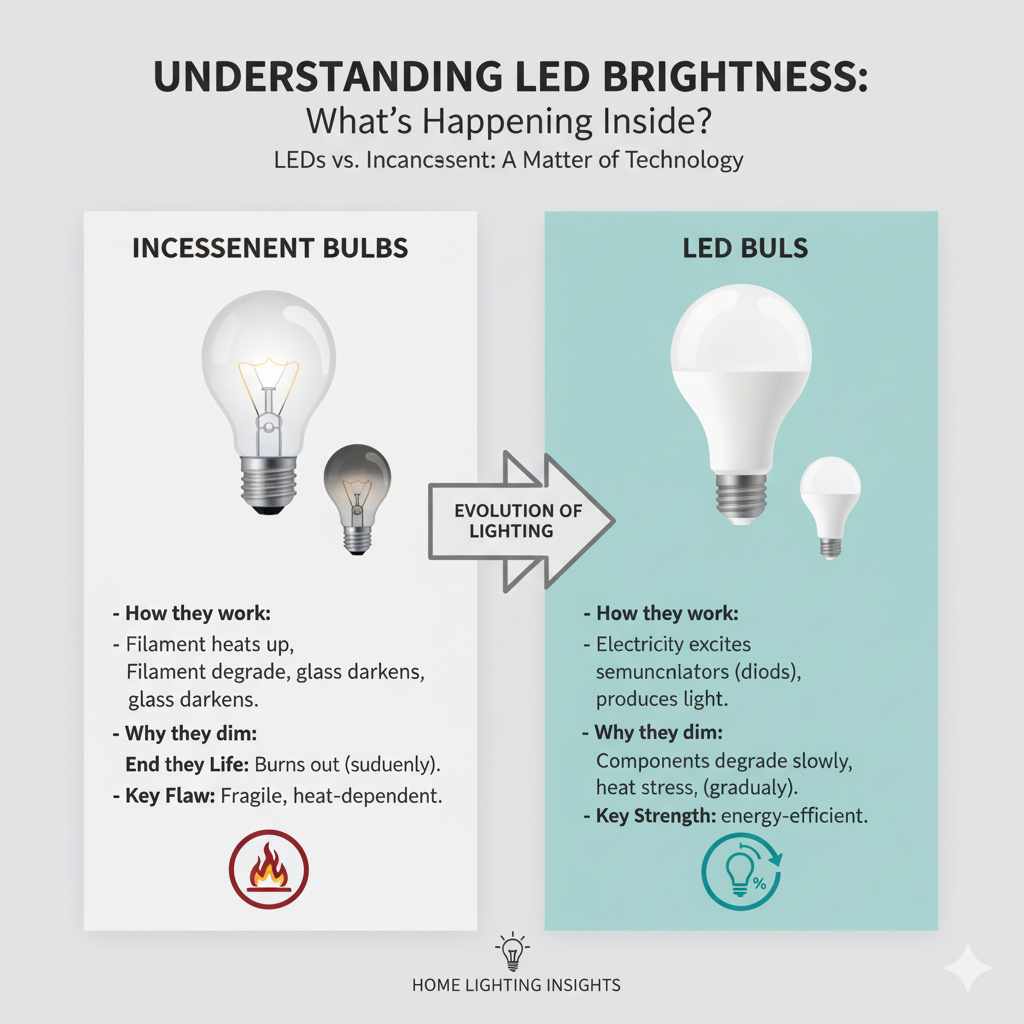
When we talk about a light bulb “dimming,” it means it’s producing less light than it did when it was new. For older types of bulbs, like incandescent ones, this dimming was a very noticeable part of their life. Think of those old-fashioned bulbs where the filament would gradually degrade, turning the glass darker and the light output weaker. LEDs are a whole different story, and understanding their technology helps us see why their dimming behavior is so much better.
LEDs, or Light Emitting Diodes, work by passing an electric current through a semiconductor material. This material then emits light. Unlike incandescent bulbs that rely on a fragile filament that burns out or degrades quickly, LEDs are built with more robust components. The light-producing elements themselves are quite durable. However, like any electronic component, they aren’t immune to the effects of time and the environment.
Do LED Bulbs Dim Over Time? The Simple Answer
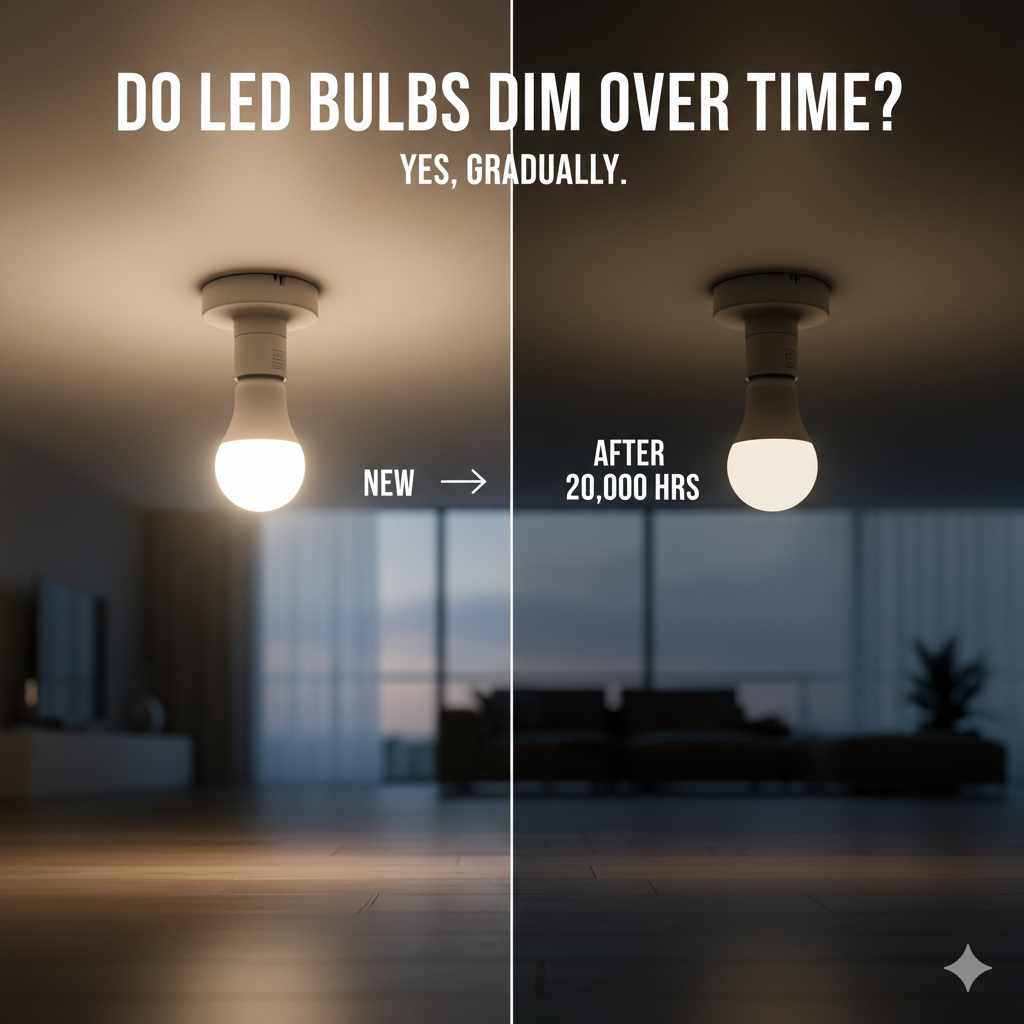
Yes, LED bulbs do dim over time, but it’s a very gradual process. Unlike incandescent bulbs that might fail suddenly or CFLs that can flicker and dim significantly before burning out, LEDs tend to lose a small percentage of their brightness very slowly over many thousands of hours of use. This dimming is often so subtle that it’s barely noticeable to the human eye until the bulb has reached the end of its useful life.
The key difference is the rate and manner of dimming. An LED bulb is considered to have reached the end of its useful life when its light output drops to 70% of its original level. This is often referred to as “lumen depreciation.” For many LEDs, this point might be reached after 25,000 to 50,000 hours of use, which translates to many years for typical home use.
Why Do LEDs Dim? The Science, Simplified
So, if LEDs are so tough, why do they dim at all? It comes down to a few key factors that affect the semiconductor material and the components that drive the LED.
1. Semiconductor Degradation
The core of an LED is the semiconductor chip. Over time, the constant flow of electricity and heat can cause tiny changes within this material. This can make it less efficient at converting electricity into light. Think of it like a well-used tool that, after countless hours of work, might not perform quite as sharply as it did when brand new. The material itself slowly changes at a molecular level.
2. Heat Management
LEDs are very efficient, meaning they produce more light for the same amount of energy compared to older bulbs. However, they still generate some heat. If an LED fixture or bulb doesn’t have good heat dissipation, this excess heat can build up. This heat is the biggest enemy of electronics and can accelerate the degradation of the semiconductor material, leading to faster dimming. This is why you’ll often see LEDs with heat sinks – those fin-like structures designed to draw heat away.
3. Driver Electronics
An LED bulb isn’t just the little chip that makes light. It also contains a “driver,” which is an electronic circuit that regulates the power going to the LED. Like any electronic component, the parts within the driver (like capacitors) can degrade over time due to heat and electrical stress. This degradation can affect how efficiently power is delivered to the LED, potentially impacting brightness.
4. Manufacturing Quality
Not all LEDs are created equal. The quality of the materials used, the design of the heat management system, and the robustness of the driver electronics all play a role. Higher-quality LEDs, often from reputable manufacturers, are engineered to resist degradation better and therefore dim much slower.
How to Tell If Your LED Bulb is Dimming
Spotting LED dimming can be tricky because it’s so gradual. Here are a few ways you might notice it:
Compare with a New Bulb: The easiest way is to swap out an older LED bulb with a brand new, identical one in the same fixture. If the new bulb is noticeably brighter, your old one has likely dimmed.
Noticeable Drop in Brightness: If a room that used to feel well-lit now seems a bit dimmer, and you’ve checked that no other factors have changed (like dirt on the lens or paint on the walls), the bulbs might be the culprit.
Color Shift: Sometimes, as LEDs age and dim, they can also shift in color temperature. They might start to look a little warmer (more yellow) or cooler (more blue) than they used to. This is less common but can be an indicator.
Flickering or Inconsistent Light: While not strictly “dimming,” if an LED bulb starts flickering or producing uneven light, it’s a sign of internal component failure, which often accompanies dimming.
LED Lifespan vs. Dimming: What’s the Difference?
It’s important to distinguish between an LED’s rated lifespan and its dimming.
Rated Lifespan (L70): This is the point at which the LED is expected to be emitting 70% of its initial light output. This is the industry standard for measuring LED longevity. For example, a bulb rated for 25,000 hours (L70) should still be providing a usable amount of light at that point, even if it’s dimmer than when new.
Complete Failure: Most LEDs don’t “burn out” like incandescent bulbs. Instead, they gradually dim. They might continue to work, albeit dimly, for thousands of hours after reaching their L70 point. A complete failure (sudden stop of light) is less common but can happen if a driver component fails completely.
Here’s a quick comparison of how different bulb types dim:
| Bulb Type | Dimming Behavior | Typical Lifespan (Hours) | Noticeability |
|---|---|---|---|
| Incandescent | Significant, gradual dimming, often accompanied by darkening glass. Can fail suddenly. | ~1,000 – 2,000 | Very noticeable |
| CFL (Compact Fluorescent Lamp) | Can dim and flicker noticeably as they age. Often take time to reach full brightness. | ~8,000 – 15,000 | Noticeable |
| LED (Light Emitting Diode) | Very gradual, slow dimming to 70% of original output (L70). Rarely fails suddenly. | ~15,000 – 50,000+ | Barely noticeable until end of life |
Factors Affecting LED Dimming and Lifespan
While LEDs are built to last, certain conditions can accelerate their dimming and shorten their overall lifespan. Understanding these factors can help you get the most out of your LED bulbs.
1. Operating Temperature
This is perhaps the most critical factor. LEDs are sensitive to heat.
- High Ambient Temperatures: If you install LEDs in enclosed fixtures, in a hot attic, or in a poorly ventilated space, they will run hotter. This heat stress degrades the LED components faster.
- Enclosed Fixtures: Many LED bulbs are designed for open fixtures. Putting them in a fully enclosed fixture can trap heat, significantly reducing their lifespan and accelerating dimming. Always check the bulb’s packaging for suitability with enclosed fixtures.
2. Power Surges and Fluctuations
While the driver electronics in an LED bulb help regulate power, severe power surges or frequent fluctuations in your home’s electrical supply can stress these components and the LED chip itself. A good quality surge protector for your home’s electrical system can help mitigate this.
3. Frequent On/Off Cycling
While LEDs are generally unaffected by frequent switching (unlike CFLs), repeatedly turning a light on and off very rapidly might still put some minor stress on the driver electronics over a very long period. For typical home use, this is not a significant concern.
4. Quality of the Bulb
As mentioned, the manufacturing quality makes a huge difference.
- Brand Reputation: Stick with well-known brands that have a track record for quality. They invest more in research, development, and better materials.
- Certifications: Look for certifications like Energy Star, which indicates that the product meets strict energy efficiency and longevity standards set by the U.S. Environmental Protection Agency.
5. Dimmer Switch Compatibility
If you’re using LED bulbs with a dimmer switch, it’s crucial that they are compatible. Not all LED bulbs are “dimmable,” and even dimmable ones might not work perfectly with older dimmer technologies designed for incandescent bulbs. Using incompatible dimmers can cause flickering, buzzing, and premature failure or dimming of the LED bulb. Always look for “dimmable” on the bulb’s packaging and ensure your dimmer switch is rated for LED use. You can find resources on LED compatibility with dimmers from organizations like the DesignLights Consortium, a leading authority on energy-efficient lighting.
When to Replace Your LED Bulbs
Given their slow dimming and long lifespan, you won’t be replacing LED bulbs nearly as often as older types. However, there are a few indicators that it’s time for a change:
Noticeable Dimness: When a bulb is significantly dimmer than others of the same type and age, it’s likely nearing the end of its useful life.
Flickering or Inconsistent Light: This is a clear sign of a failing component.
Complete Failure: If a bulb simply stops working altogether, it’s time to replace it.
Color Shift: If the light color has changed enough to be undesirable.
End of L70 (Theoretically): While you won’t have a meter to measure this, if a bulb is many years old and has seen heavy use, it’s reasonable to assume it might be approaching its L70 point, even if the dimming isn’t obvious. Replacing them proactively can prevent unexpected darkness.
The Practicalities of Replacement
When it’s time to replace an LED bulb, it’s a straightforward process.
1. Turn off the power: Ensure the light switch is off, and if possible, turn off the circuit breaker for that room for extra safety.
2. Let it cool: Even though LEDs don’t get as hot as incandescent bulbs, allow a few minutes for the bulb to cool down before touching it.
3. Unscrew the old bulb: Gently twist the old bulb counter-clockwise until it comes free.
4. Screw in the new bulb: Take your new LED bulb and twist it clockwise into the socket until it’s snug. Don’t overtighten.
5. Restore power: Turn the circuit breaker back on (if you turned it off) and then turn on the light switch.
It’s always a good idea to keep a few spare LED bulbs on hand, especially for fixtures in high-traffic areas or those that are difficult to reach.
Comparing LED Lifespan and Dimming to Other Technologies
To truly appreciate the benefits of LEDs, let’s look at how they stack up against their predecessors.
Incandescent Bulbs
These are the classic bulbs with a tungsten filament.
- How they fail: The filament heats up so much it glows. Over time, the filament thins and can break, causing the bulb to burn out suddenly. The glass also darkens internally as particles from the filament deposit on it, which causes dimming.
- Dimming: Very noticeable dimming occurs throughout their short life.
- Lifespan: Around 1,000 to 2,000 hours.
Halogen Bulbs
A type of incandescent bulb that uses a halogen gas to make the filament last longer and burn brighter.
- How they fail: Similar to incandescent, the filament can break.
- Dimming: Less dimming than standard incandescents but still noticeable over time.
- Lifespan: Around 2,000 to 4,000 hours.
CFLs (Compact Fluorescent Lamps)
These use a gas and phosphor coating to produce light.
- How they fail: The gas inside can degrade, and the electronic ballast that powers them can fail. They often flicker and dim significantly before burning out.
- Dimming: Noticeable dimming and flickering occur, especially as they age or if they are turned on and off frequently.
- Lifespan: Around 8,000 to 15,000 hours.
LEDs (Light Emitting Diodes)
Solid-state lighting technology.
- How they fail: Primarily through gradual lumen depreciation (dimming). Complete failure is less common and often due to driver issues rather than the LED chip itself.
- Dimming: Very slow and often imperceptible until the bulb reaches its L70 rating (70% of original brightness), which can take tens of thousands of hours.
- Lifespan: 15,000 to 50,000+ hours, depending on quality and operating conditions.
Here’s a table summarizing the comparison:
| Technology | Energy Efficiency | Lifespan (Hours) | Dimming Trend | Failure Mode |
|---|---|---|---|---|
| Incandescent | Low | 1,000 – 2,000 | High, noticeable | Sudden (filament breaks) |
| Halogen | Medium | 2,000 – 4,000 | Medium, noticeable | Sudden (filament breaks) |
| CFL | High | 8,000 – 15,000 | Medium, noticeable flickering | Gradual dimming/flickering, or sudden ballast failure |
| LED | Very High | 15,000 – 50,000+ | Very Low, gradual (L70 standard) | Gradual dimming (most common) |
The long lifespan and gradual dimming of LEDs mean fewer replacements, less waste, and consistent lighting quality for your home. For more in-depth information on lighting technologies, you can refer to resources from the U.S. Department of Energy’s Solid-State Lighting Program.
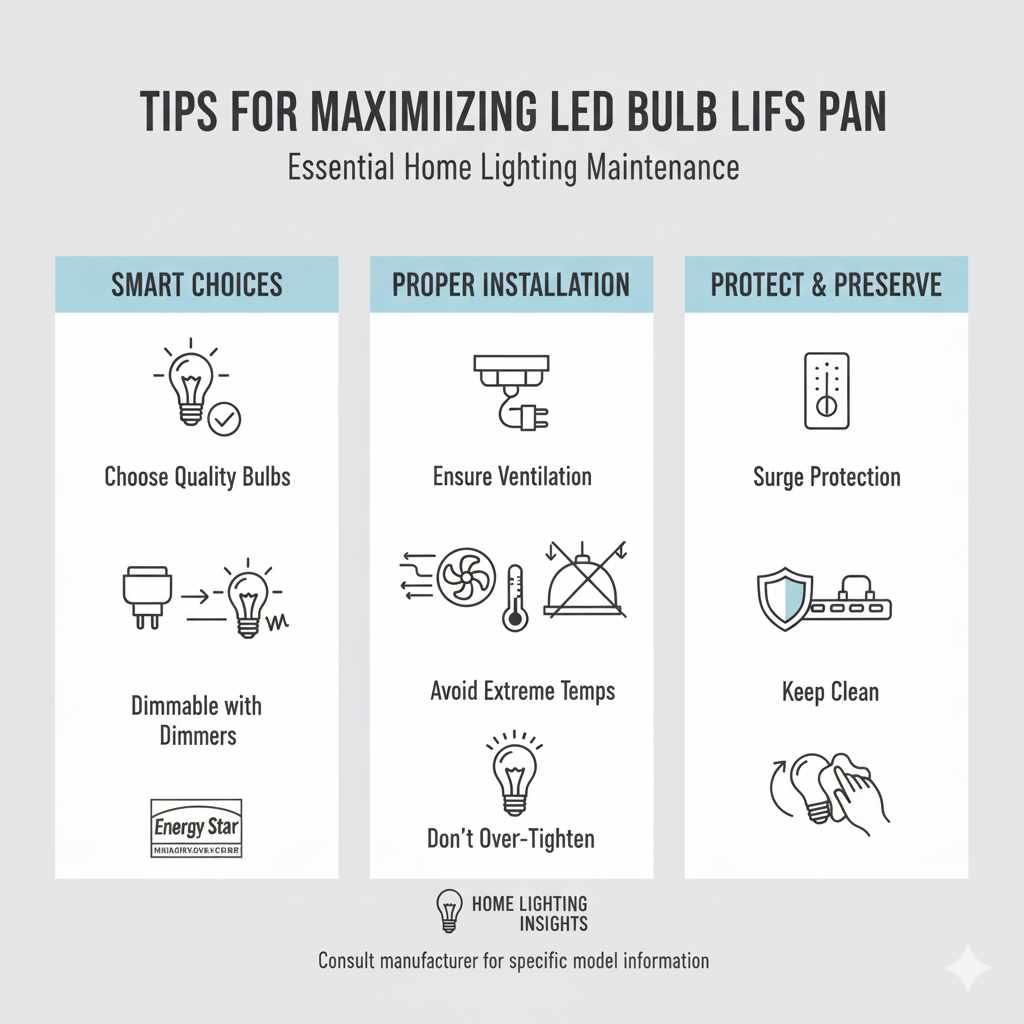
Tips for Maximizing LED Bulb Lifespan
You’ve invested in LED bulbs for their longevity, so let’s make sure they live up to their promise! Here are some practical tips to help your LED bulbs last as long as possible:
Choose Quality Bulbs: As we’ve discussed, higher-quality bulbs from reputable brands will perform better and last longer. Look for Energy Star certifications.
Ensure Proper Ventilation: Avoid installing LED bulbs in completely sealed or enclosed fixtures unless the bulb is specifically rated for them. Good airflow helps dissipate heat.
Use the Right Fixture: Make sure the bulb’s base type (e.g., E26, GU10) matches your fixture.
Use Dimmable Bulbs with Dimmers: If you have dimmer switches, always use bulbs that are clearly marked as “dimmable” and ensure your dimmer switch is compatible with LED technology. Using non-dimmable bulbs on a dimmer can damage the bulb.
Avoid Extreme Temperatures: While LEDs are more tolerant than incandescents, prolonged exposure to very high temperatures (like in a poorly ventilated attic) can still shorten their life.
Consider Surge Protection: While not always necessary, if you live in an area prone to power surges or have older electrical wiring, whole-house surge protection can safeguard your home’s electronics, including your LED bulbs.
Don’t Over-Tighten: When screwing in a new bulb, make sure it’s snug but don’t force it. Overtightening can damage the bulb or the socket.
Frequently Asked Questions About LED Dimming
Here are some common questions homeowners have about LED bulb dimming.
Q1: How long do LED bulbs typically last before they start to dim noticeably?
A1: Most quality LED bulbs are designed to last for many years, often 15,000 to 50,000 hours or more. They dim very gradually, and you typically won’t notice a significant drop in brightness until they’ve reached about 70% of their original output (known as L70). For an average household using lights 3-4 hours a day, this can be 10-20 years or even longer.
Q2: What’s the difference between an LED bulb dimming and an LED bulb burning out?
A2: Unlike incandescent bulbs that often burn out suddenly when their filament breaks, LEDs usually fail by gradually dimming over a long period. Complete, sudden failure is less common and often due to a component in the bulb’s driver circuit failing.
Q3: Can I use any LED bulb with my existing dimmer switch?
A3: Not necessarily. You must use an LED bulb that is specifically labeled as “dimmable.” Even then, not all dimmable LEDs are compatible with all dimmer switches. It’s best to check the bulb manufacturer’s recommendations or the dimmer switch manufacturer’s compatibility list for LEDs. Using a non-dimmable bulb or an incompatible dimmer can cause flickering, buzzing, or damage to the bulb.
Q4: My LED bulb is flickering. Does that mean it’s about to die?
A4: Flickering is often a sign of an issue. It could be an incompatible dimmer switch, a loose connection, or a failing component within the bulb’s driver. While it might not mean the bulb is immediately “dead,” it’s a sign that it’s not functioning optimally and might need to be replaced soon. Check your dimmer compatibility first.
Q5: Does heat make LED bulbs dim faster?
A5: Yes, heat is the primary enemy of LED longevity. LEDs generate heat as a byproduct of their operation. If this heat isn’t dissipated properly (e.g., in an enclosed fixture or a very hot environment), it can accelerate the degradation of the semiconductor material and driver electronics, leading to faster dimming and a shorter lifespan.
Q6: Is it worth replacing my old incandescent bulbs with LEDs if they don’t dim much anyway?
A6: Absolutely! While incandescents dim noticeably, LEDs offer far superior energy efficiency, drastically reducing your electricity bills. They also last much, much longer, meaning fewer replacements and less waste. The initial investment in LEDs pays for itself through energy savings and reduced maintenance over time.
Q7: What does “L70” mean for LED bulbs?
A7: L70 is a standard metric for LED lifespan. It refers to the point in the bulb’s life when its light output has decreased to 70% of its initial, original brightness. A bulb rated for L70 at 25,000 hours means it’s expected to still provide usable light (at least 70% of its original output) after 25,000 hours of use.
Conclusion: Brightness and Longevity You Can Count On
So, to circle back to our main question: do LED bulbs dim over time? The answer is a gentle yes, but it’s important to understand that this dimming is incredibly slow and gradual compared to older lighting technologies. For homeowners like us, this means consistent, reliable light for many years.
We’ve seen that the gradual dimming is a natural part of the LED’s life cycle, primarily due to the slow degradation of semiconductor materials and driver electronics. Fortunately, quality LEDs are engineered to resist this, offering lifespans that can easily stretch beyond a decade of typical home use. By choosing reputable brands, ensuring proper installation (especially regarding heat and dimmer compatibility), and understanding what to look for, you can maximize the performance and lifespan of your LED bulbs.
The shift to LED lighting is a smart move, not just for the environment and your wallet due to energy savings, but for the sheer convenience of not having to constantly replace burnt-out or dimming bulbs. You can install them in your workshop, your living room, or any challenging spot, and then largely forget about them, confident that they’ll keep providing good light.
When you do eventually need to replace an LED, it’s a simple swap. And with the knowledge you’ve gained here, you’re well-equipped to choose the right replacements and keep your home bright and welcoming. Keep those projects going, and enjoy the lasting, efficient light that LEDs provide!