How Tall Is a Lamp Post? (6 to 150 Ft by Type, Explained)
A decorative yard lamp post typically stands 6 to 12 feet tall, but a municipal residential street pole runs 15 to 25 feet — and FHWA-defined high-mast highway towers (20+ meters) can exceed 150 feet. Installing the wrong height wastes light or fails a local electrical inspection. This guide covers height ranges by lamp-post type, what sets the right yard height, installation depth, and materials that drive cost.
Understanding Lamp Post Heights: The Basics
When we talk about a “lamp post,” we’re usually referring to the tall, slender poles that hold streetlights. These aren’t just random structures; their height is a carefully considered factor in providing effective and safe illumination for our streets and public spaces.
The primary goal of a lamp post is to spread light over a wide area, ensuring visibility for drivers and pedestrians. To achieve this, the light source needs to be positioned high enough to cover the intended zone without creating harsh glare or dark spots. Think of it like trying to light up a room – the higher you place the light, the more evenly it tends to spread.
Several factors influence how tall a lamp post will be. These include:
- Road Width: Wider roads require taller poles to ensure light reaches the edges effectively.
- Desired Light Coverage: The specific pattern and spread of light needed for an area dictate the pole’s height.
- Local Regulations and Standards: Cities and municipalities have specific guidelines for street lighting to ensure consistency and safety.
- Aesthetics: In some areas, the design and visual impact of the lamp post might also play a role in its height and style.
- Obstructions: Trees or buildings might necessitate taller poles to overcome shadows.
Decorative Yard Lamp Post vs. Municipal Street Light: Which One Do You Mean?
“Lamp post” gets used for two very different fixtures, which is why height answers online range from 6 feet to 40 feet. A decorative yard lamp post is the freestanding cast-iron or aluminum fixture homeowners install near a driveway or front walk — typically 6 to 12 feet including the base. A municipal street light is the taller pole your city or utility installs along the road, typically 15 to 40 feet depending on road class. If you’re shopping for a fixture to install yourself, the yard-post range (6–12 ft) is almost certainly what applies to you.
- Decorative yard lamp post (homeowner-installed): 6 to 12 feet, including a poured concrete or pier-mount base.
- Municipal residential street pole (city/utility-installed): 15 to 25 feet.
- Main road or highway pole: 25 to 50+ feet.
Homeowners cannot install or modify a municipal street light — that’s the utility’s property. Everything below on installation, materials, and cost applies to the fixture you can actually buy and put in your own yard. For the full range of fixtures and wiring topics, see our lighting and ceiling fan guides.
Best Yard Lamp Post Pick
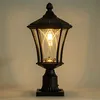
LUTEC Outdoor Solar Lamp Post Light with Pier Mount – $119.99
A complete pier-mount fixture sized for the 6–12 ft decorative yard-post range this guide covers — no separate post to buy or dig a full posthole for.
- Best for: Driveway or front-walk entrances needing a self-contained fixture
- Why we picked it: Pier-mount base skips the deep concrete footing this guide’s installation section describes
- Main drawback: Solar output drops in low-sun climates during winter
Compare more yard lamp post options
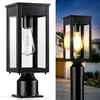 Budget Pick MYHXQ Solar Post Light – $39.98
|
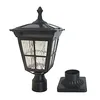 Classic Style Kemeco Cast Aluminum Light – $99.98
|
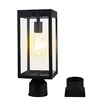 Modern Style Zinnze Matte Black Light – $66.49
|
As an Amazon Associate we earn from qualifying purchases.
Let’s dive into the typical ranges you’ll encounter.
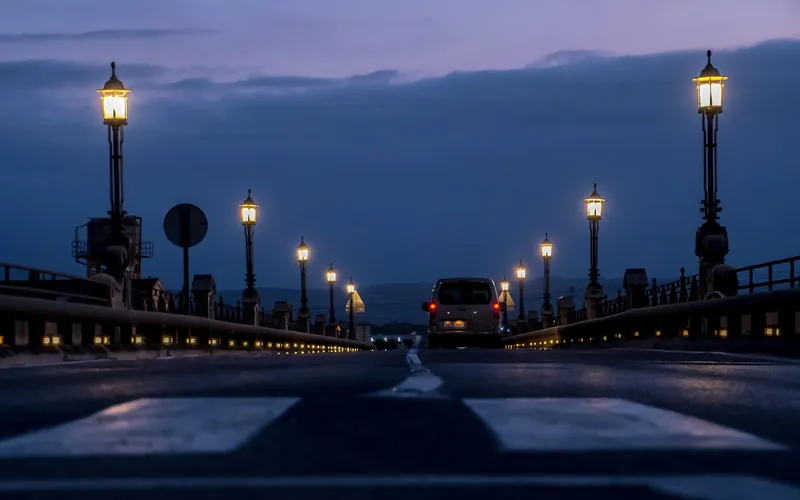
Typical Lamp Post Heights: What to Expect
While there’s no single, universal height for all lamp posts, there are common ranges that most people will see in their daily lives. These heights are designed to balance effective lighting with practical considerations like installation and maintenance.
Residential Street Lamp Posts
On quieter residential streets, you’ll typically find lamp posts that are on the shorter end of the spectrum. This is because these streets are generally narrower, and the lighting needs are focused on illuminating individual properties and sidewalks rather than vast roadways.
A common height range for residential lamp posts is:
- 15 to 25 feet (approximately 4.5 to 7.6 meters).
These shorter poles are often sufficient to light up driveways, front yards, and sidewalks without casting excessive light onto homes. They also tend to be less obtrusive in the neighborhood’s visual landscape.
Main Road and Arterial Street Lamp Posts
As you move to busier roads, main thoroughfares, and arterial streets, the lamp posts generally get taller. These roads are wider, carry more traffic, and require a more robust lighting solution to ensure safety for a higher volume of vehicles and pedestrians.
For these types of streets, lamp post heights commonly fall within:
- 25 to 40 feet (approximately 7.6 to 12.2 meters).
The increased height allows the light to spread further across the wider road surface, illuminating multiple lanes and ensuring clear visibility for drivers at higher speeds. This height also helps to minimize shadows cast by vehicles.
Highway and Expressway Lamp Posts
On highways and expressways, the lighting requirements are the most demanding. These are high-speed, high-volume roads where visibility is paramount for safety. Lamp posts here are often the tallest you’ll see.
Highway lamp posts can range from:
- 30 to 50 feet (approximately 9.1 to 15.2 meters) or even higher.
In complex intersections or interchanges, you may see very tall poles called “high-mast lighting.” The Federal Highway Administration defines high-mast lighting as luminaires mounted at 20 meters (about 65 feet) or higher, with some interchange installations reaching 18 to 46 meters (60 to 150 feet). Source: Federal Highway Administration, Lighting Handbook. A single high-mast tower can replace several shorter poles, reducing maintenance points across a large interchange.
Factors Influencing Lamp Post Height
We’ve touched on why heights vary, but let’s explore these influencing factors in more detail. Understanding these can help you appreciate the engineering and planning behind street lighting.
Illumination Requirements
The primary driver for lamp post height is the amount and spread of light needed. Lighting engineers use complex calculations to determine the optimal height to achieve specific light levels (measured in lux or foot-candles) across a given area. This ensures:
- Uniformity: Light is spread evenly, reducing dark patches.
- Adequate Brightness: Sufficient light for visibility and safety.
- Reduced Glare: Positioning lights correctly minimizes discomfort for drivers and pedestrians.
The type of light fixture also plays a role. Modern LED lights, for instance, can be more directional, potentially influencing the optimal mounting height compared to older, more diffuse light sources.
Road and Sidewalk Design
The physical dimensions of the area being lit are crucial. A wider road will naturally require a taller pole to cast light to its edges. Similarly, the presence and width of sidewalks, bike lanes, and pedestrian areas influence where light needs to be directed.
For example, a street with a wide median strip might need taller poles placed within the median to illuminate both directions of traffic effectively.
Local Ordinances and Standards
Every city, county, and state has its own set of rules and regulations for street lighting. These often align with national standards but can have local variations. These ordinances dictate:
- Minimum and maximum light levels for different types of streets.
- Pole spacing and height requirements.
- Specific types of fixtures allowed.
- Environmental considerations, such as minimizing light pollution.
These standards ensure a consistent and safe lighting environment across the jurisdiction. For instance, the Institute of Transportation Engineers (ITE) provides foundational guidelines that many municipalities adopt or adapt.
Aesthetics and Urban Planning
In some areas, particularly historic districts or new developments, the visual appearance of street furniture is important. Lamp post design and height can be chosen to complement the surrounding architecture or landscape. Sometimes, shorter, more decorative poles are used in pedestrian zones, while taller, more functional poles are reserved for main roads.
Obstructions and Environmental Factors
Tall trees lining a street can cast significant shadows, requiring taller lamp posts to shine light over the canopy. Similarly, the presence of buildings close to the road might necessitate adjustments in pole height and light fixture angle to ensure proper coverage without illuminating private windows unnecessarily.
Types of Lamp Posts and Their Heights
Beyond the standard street light, various types of poles serve different purposes, and their heights can vary accordingly. Here’s a look at some common ones:
Standard Streetlight Poles
These are the most common poles we see, typically made of steel or aluminum. Their heights range from the residential 15-25 feet to the arterial 25-40 feet. Many municipal poles now also carry traffic or security equipment — see how street light cameras work if you’ve noticed hardware mounted near the fixture.
Decorative Lamp Posts
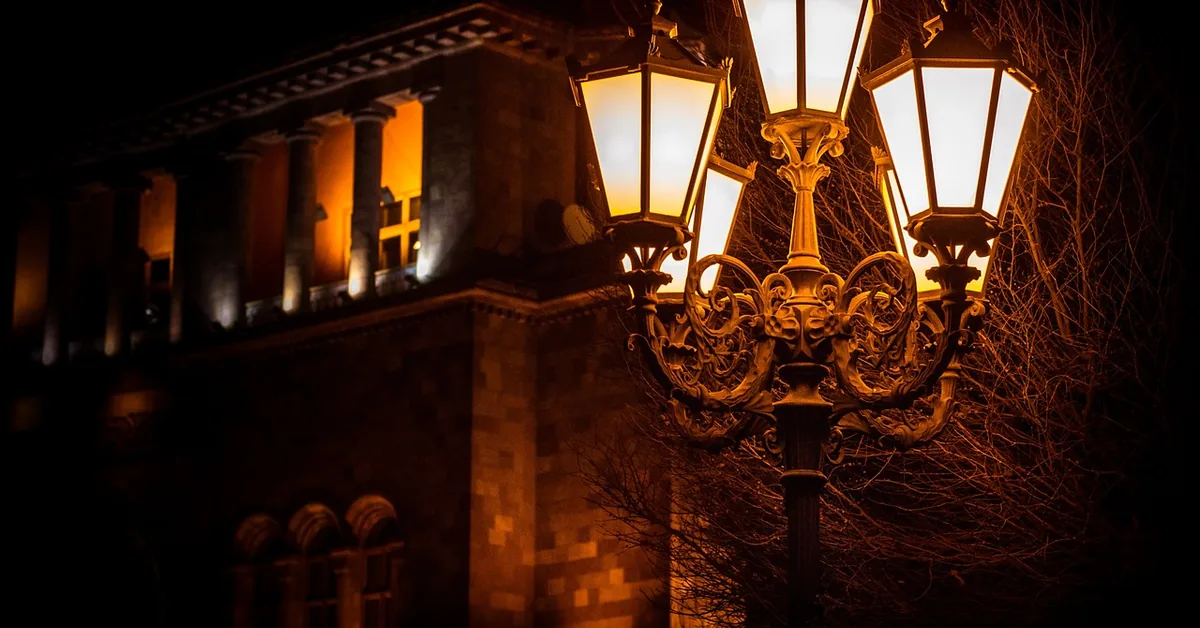
Often found in historic areas, parks, or upscale commercial districts, decorative poles might have ornate bases and tops. Their heights can vary greatly, from shorter, Victorian-style posts (around 8-12 feet) to taller, more modern designs that still aim for functional lighting levels.
High-Mast Lighting Poles
As mentioned earlier, these are the giants of the lamp post world, often exceeding 100 feet. They are used in large areas like highway interchanges, airports, and sports stadiums. Their immense height allows a few poles to illuminate vast expanses, providing excellent uniformity and minimizing ground-level obstructions.
Park and Pathway Lighting
In parks and along pedestrian pathways, lighting is often lower and more focused. These posts might be:
- 4 to 15 feet (approximately 1.2 to 4.5 meters).
The goal here is often ambiance and safety rather than high-speed traffic illumination. They might use bollard-style lights or shorter, decorative poles.
A Comparison of Lamp Post Heights
To help visualize the differences, here’s a table comparing typical heights for various locations:
| Location Type | Typical Height Range (Feet) | Typical Height Range (Meters) | Primary Purpose |
|---|---|---|---|
| Residential Streets | 15 – 25 ft | 4.5 – 7.6 m | Sidewalk, driveway, and local road illumination |
| Main Roads / Arterial Streets | 25 – 40 ft | 7.6 – 12.2 m | Wider road illumination, traffic safety |
| Highways / Expressways | 30 – 50+ ft | 9.1 – 15.2+ m | High-speed traffic visibility, extensive area coverage |
| Parks / Pathways | 4 – 15 ft | 1.2 – 4.5 m | Pedestrian safety, ambiance, localized lighting |
| High-Mast Lighting | 65 – 150+ ft | 20 – 46+ m | Large area illumination (interchanges, stadiums) |
Installation and Safety Considerations
Installing or working near lamp posts involves specific safety protocols. Because they are tall structures carrying electrical components, proper procedures are essential.
Installation Process
Installing a lamp post typically involves:
- Site Preparation: Clearing the area and marking the exact location.
- Foundation: Pouring a concrete base to anchor the pole securely. This is critical for stability, especially in windy areas or areas with seismic activity.
- Pole Erection: Using specialized equipment (like bucket trucks or cranes) to lift and position the pole onto the foundation.
- Electrical Connection: Connecting the light fixture to the underground or overhead power source. This is usually done by a qualified electrician.
- Testing: Ensuring the light operates correctly and safely.
The height of the pole dictates the type of equipment needed and the complexity of the erection process. For taller poles, more robust lifting machinery and safety measures are required. If you’re running your own low-voltage circuit to the fixture, see our guide on wiring low-voltage landscape lighting.
📊 A standard yard lamp-post footing is a 12-inch-diameter, 22-inch-deep hole — 6 inches of gravel base plus 16 inches of concrete. — Source: This Old House, Lamppost Installation Guide
Safety Precautions
When you’re near lamp posts, especially during installation or maintenance, safety is key:
- Overhead Power Lines: Always be aware of any power lines running to or from the pole. Maintain a safe distance.
- Working at Height: Anyone working on a lamp post needs proper fall protection and training.
- Traffic Management: If working near a road, traffic control measures are essential to protect workers and the public.
- Underground Utilities: Before digging for a foundation, utility locating services must be used to identify any buried lines (water, gas, other electrical). You can contact 811 in the US before you dig to have utilities marked for free.
For homeowners considering installing a decorative lamp post in their yard, it’s crucial to understand local zoning laws, electrical codes, and the potential need for permits. Consulting with a professional electrician is highly recommended for any electrical connections. Once installed, see how to open and service an outdoor light fixture for bulb changes and cleaning.
Lamp Post Materials
The material used for a lamp post also influences its durability, cost, and appearance. Common materials include:
- Steel: Strong and durable, often used for high-traffic areas. It’s usually galvanized or coated to prevent rust.
- Aluminum: Lighter than steel and naturally corrosion-resistant, making it a popular choice. It can be more expensive than steel.
- Cast Iron: Often used for decorative or historic-style posts. It’s heavy and can be brittle.
- Composite Materials: Newer materials that offer durability and low maintenance.
The material choice, combined with the height, affects the overall weight and structural requirements of the pole — see our breakdown of landscape lighting costs for a fuller materials-vs-price comparison.
Frequently Asked Questions (FAQ)
What is the standard height of a typical street lamp post?
A municipal street lamp pole typically runs 15 to 40 feet — residential streets at the low end (15–25 ft), main roads and highways at the high end (25–50+ ft). A decorative yard lamp post you install yourself is much shorter: typically 6 to 12 feet.
Are all lamp posts the same height?
No, lamp posts come in various heights. Residential streets usually have shorter poles (15-25 feet), while major roads and highways have taller ones (25-50+ feet) to ensure adequate light coverage.
Why do some lamp posts seem much taller than others?
Taller lamp posts are typically used on wider roads, highways, or in areas requiring extensive light coverage. They need to elevate the light source higher to spread illumination effectively over a larger area and maintain visibility for faster traffic.
Can I install a lamp post in my yard?
Yes, you can install decorative or functional lamp posts in your yard. However, you’ll need to consider electrical codes, underground utility lines, and potentially local permits. It’s often best to hire a qualified electrician for installation.
What determines the height of a lamp post?
The height is determined by factors like road width, the required light spread, local safety regulations, the presence of obstructions like trees, and sometimes aesthetic considerations.
What are high-mast lights?
High-mast lights are poles the FHWA defines as 20 meters (about 65 feet) or taller — some interchange installations reach 150 feet. They illuminate large areas like highway interchanges, ports, or industrial sites from a single elevated point.
Conclusion
So, how tall is a lamp post? It depends which one you mean: a decorative yard post runs 6 to 12 feet, a municipal residential street pole runs 15 to 25 feet, and a highway high-mast tower can top 150 feet. Match the height to the fixture’s actual job, not a single generic number.
Understanding these dimensions gives us a greater appreciation for the planning and engineering that goes into our urban infrastructure. Whether you’re a DIY enthusiast looking to add some landscape lighting or simply someone curious about the world around you, you now have a clearer picture of lamp post heights and the factors that influence them. Keep looking up, and keep building your knowledge!
Sponsored / affiliate links. As an Amazon Associate I earn from qualifying purchases. I may earn additional commission from eligible campaigns.