Do LED Bulbs Emit UV Light: Essential Facts
Do LED bulbs emit UV light? Yes, but typically in very small, negligible amounts that are not harmful to humans or materials. Modern LEDs are designed to minimize UV output, making them a safe and energy-efficient lighting choice for your home.
Hey there, DIY friends! Ever stood in the lighting aisle, wondering about those sleek LED bulbs and what exactly they’re putting out into your home? You’re not alone! It’s a common question, especially when we hear about things like UV rays and their effects. We want our homes to be cozy and safe, and that includes the light we fill them with. This guide is here to clear up all those doubts about LED bulbs and UV light. We’ll break it down in a way that’s easy to understand, so you can make informed choices for your projects and your living space. Let’s get started and shine a light on this topic!
Understanding UV Light and Why It Matters
Before we dive into LED bulbs, let’s quickly chat about UV light. UV, or ultraviolet, light is a type of electromagnetic radiation that comes from the sun. It’s invisible to our eyes. We often hear about UV rays in relation to sunburns and skin damage, and that’s true for excessive exposure to the sun’s stronger UV radiation. UV light can also cause fading in fabrics and damage to artwork over time. There are different types of UV light, categorized by their wavelength: UVA, UVB, and UVC. Each has slightly different properties and potential effects.
The sun is the primary source of UV radiation we encounter daily. While some artificial lights can also emit UV, the amount and type vary significantly. When we talk about artificial lighting in our homes, understanding any potential UV output is important for peace of mind, especially if you’re sensitive to light or have valuable items you want to protect. Knowing the facts helps us choose the best lighting for different rooms and purposes.

Do LED Bulbs Emit UV Light? The Short Answer
The straightforward answer is: yes, most LED bulbs do emit some UV light, but it’s usually in extremely small, often undetectable, amounts. For the vast majority of people and applications, this minimal UV output is not a concern. Modern LED technology is designed to be highly efficient and to minimize any potentially harmful emissions, including UV light. You can feel confident using LED bulbs in your home without worrying about UV exposure.
Think of it like this: a tiny spark compared to a roaring bonfire. The UV light from LEDs is more like that tiny spark. It’s there, technically, but it’s so insignificant that it doesn’t pose a risk. This is a huge advantage over older lighting technologies that could emit much more UV radiation. We’ll explore the science behind this and what makes LEDs so different.
How LEDs Produce Light (and Why UV is Minimal)
To understand why LEDs emit so little UV light, it helps to know a bit about how they work. LEDs, which stand for Light Emitting Diodes, are semiconductors. When electricity passes through them, they emit light. This process is very different from how traditional incandescent bulbs work, which rely on heating a filament until it glows. That filament-based heating process generates a lot of heat and a broader spectrum of light, including more UV.
Most white LEDs you see in homes are actually blue LEDs coated with a phosphor material. When the blue light from the LED hits the phosphor coating, it excites the coating, causing it to glow. This glowing phosphor then emits light in different colors, which, when combined with the original blue light, appears as white light to our eyes. This process is highly controlled and efficient. The specific phosphors used and the design of the LED package are optimized to convert the blue light into visible light, largely filtering out or absorbing any potential UV wavelengths.
The Role of Phosphors
The phosphor coating is key here. It acts like a translator for light. The blue LED provides the energy, and the phosphor converts that energy into the specific colors we need for white light. This conversion process is very good at absorbing shorter, higher-energy wavelengths (like UV) and re-emitting them as longer, lower-energy visible light wavelengths. While some UV photons might be produced in the initial blue LED chip, the phosphor coating is designed to capture most of them and re-emit them as visible light. Any UV light that does escape is typically in the UVA range, which is the least energetic and generally considered the least harmful type of UV radiation.
Manufacturers are also very aware of the need to minimize UV output. They select phosphors and design their LED packages to be as efficient as possible, which includes reducing unwanted emissions like UV. This attention to detail ensures that the LEDs we use for everyday lighting are safe and effective.
Comparing LED UV Output to Other Light Sources
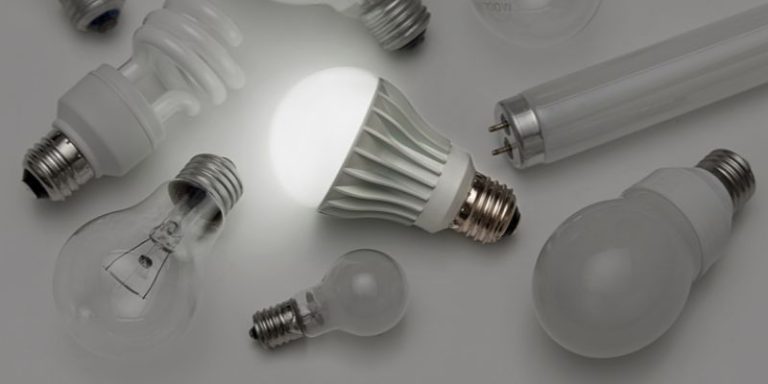
To put the UV output of LEDs into perspective, let’s compare them to other common types of light bulbs:
- Incandescent Bulbs: These bulbs produce light by heating a filament. This process generates a significant amount of heat and a broad spectrum of light, including some UV radiation, though it’s often absorbed by the glass bulb.
- Halogen Bulbs: A type of incandescent bulb, halogen bulbs also produce heat and light. They can emit more UV light than standard incandescent bulbs, which is why they sometimes have a quartz envelope that blocks UV or are housed in fixtures with UV-filtering glass.
- Fluorescent Bulbs (CFLs): Compact Fluorescent Lamps (CFLs) use a gas discharge to create UV light, which then excites a phosphor coating on the inside of the bulb to produce visible light. While they are much more efficient than incandescents, they do emit more UV than LEDs. The glass envelope of CFLs usually blocks most of this UV, but very small amounts can still escape, especially if the bulb is damaged or old.
- LED Bulbs: As discussed, LEDs produce light through semiconductors. Their UV output is generally the lowest among common lighting types. The blue LED chip itself might produce a tiny amount of UV, but the phosphor coating and bulb design are highly effective at blocking or converting it.
Here’s a table to help visualize the typical UV output:
| Bulb Type | Typical UV Output (Relative) | Notes |
|---|---|---|
| Incandescent | Low to Moderate | Heat-based, some UV absorbed by glass. |
| Halogen | Moderate | Can emit more UV than standard incandescents; often designed with UV filtering. |
| Fluorescent (CFL) | Moderate | UV produced internally, then converted by phosphors. Glass envelope blocks most. |
| LED | Very Low | Minimal UV produced; largely absorbed by phosphor coating and design. |
As you can see, LEDs are the clear winner when it comes to minimal UV emissions. This makes them an excellent choice for all areas of your home, especially where you might be concerned about light sensitivity or preserving items like artwork or photographs.
Are the UV Emissions from LEDs Harmful?
This is the big question for many! Given that LEDs do emit a tiny amount of UV light, is it enough to cause harm? The overwhelming consensus from scientific studies and regulatory bodies is no. The amount of UV radiation emitted by standard household LED bulbs is so minuscule that it poses no threat to human health or to the materials in your home.
To put it in perspective, the UV radiation from an LED bulb is significantly less than what you’re exposed to from ambient sunlight filtering through a window, or even from many electronic devices. For example, the U.S. Food and Drug Administration (FDA) has stated that LEDs are generally safe regarding UV emissions. Organizations like the U.S. Environmental Protection Agency (EPA) focus on naturally occurring radiation sources, but the principles of radiation safety apply broadly – it’s about the dose and type of exposure.
UV and Skin Sensitivity
For individuals who are particularly sensitive to light or have conditions like photosensitivity, even small amounts of UV can be a concern. However, the UV output from LEDs is typically in the UVA range, which is the least biologically damaging form of UV radiation. UVB and UVC are much more energetic and are the primary culprits behind sunburns and DNA damage. LEDs do not produce significant amounts of UVB or UVC. If you have extreme sensitivity, you can always opt for LED bulbs specifically labeled as “low UV” or use them in conjunction with UV-filtering films on windows or lampshades for extra peace of mind.
UV and Material Fading
One common concern with UV light is its ability to fade fabrics, artwork, and photographs over time. Because the UV output from LEDs is so low, they are far less likely to cause fading compared to older lighting technologies or even natural sunlight. If you’re displaying valuable artwork or photographs, using LED lighting is a much safer bet than incandescent or fluorescent lighting for preserving their colors and integrity. However, for extremely sensitive or valuable items, using UV-filtering glass in frames or display cases, or simply positioning them away from direct light sources, is always a good practice regardless of the bulb type.
When Might UV Emissions Be a Concern (and What to Do)?
While the UV emissions from standard LEDs are negligible for most people, there are a few niche situations where you might want to be extra cautious. These usually involve specialized lighting applications rather than typical home use.
Specialty LED Applications: Some LEDs are designed to emit specific wavelengths of light, including UV, for particular purposes. For example:
- UV-C LEDs: These are used for sterilization and disinfection because UV-C light can kill bacteria and viruses. These are not the kind of bulbs you’d use for general room lighting and should be handled with extreme care, as direct exposure to UV-C can be harmful.
- UV-A LEDs: Sometimes used in stage lighting, curing resins, or for geological sample analysis. While UVA is less harmful than UVB or UVC, prolonged, direct exposure to strong UV-A sources should still be avoided.
- Grow Lights: Some LED grow lights are designed to emit specific spectrums of light, including some UV, to promote plant growth. The levels are generally safe for plants and for the brief exposure people might have when tending to them.
If you are using specialized LEDs that are known to emit UV light, it is crucial to follow the manufacturer’s safety guidelines. This might involve wearing protective eyewear, ensuring adequate ventilation, and avoiding direct, prolonged exposure.
For standard home lighting, if you have extreme light sensitivity or concerns about preserving very delicate items:
- Choose Reputable Brands: Stick with well-known, reputable manufacturers. They adhere to strict quality control and safety standards, ensuring minimal UV output.
- Look for “Low UV” or “UV-Free” Labels: While not always necessary, some manufacturers may specifically label their bulbs as having negligible UV output.
- Use Diffusers and Shades: Lampshades and diffusers naturally scatter light and can further reduce the intensity of any emissions.
- Consider Distance: The intensity of any light source decreases significantly with distance. Keeping sensitive items further away from light fixtures can help.
- Use UV-Filtering Films: For windows or display cases housing extremely sensitive items, applying UV-filtering film is an option, though usually overkill for standard LED lighting. You can learn more about window film options from resources like those offered by the U.S. Department of Energy.
Remember, for everyday home lighting, these extra precautions are rarely needed because the UV output of standard LEDs is so low.
Choosing the Right LED Bulbs for Your Home Projects
When you’re working on a home improvement project, whether it’s installing new fixtures, updating your lighting, or just replacing old bulbs, choosing the right LED is easy. Here’s what to look for:
Key LED Specifications to Consider
- Wattage (Energy Use): LEDs use much less energy than traditional bulbs. A 60-watt incandescent equivalent might only use 8-10 watts with an LED.
- Lumens (Brightness): This tells you how bright the bulb is. More lumens mean more light.
-
Color Temperature (Kelvin): This describes the color of the light.
- Warm White (2700K-3000K): Cozy, similar to incandescent bulbs, great for living rooms and bedrooms.
- Cool White/Bright White (3500K-4100K): More neutral, good for kitchens and bathrooms.
- Daylight (5000K-6500K): Crisp, bluish-white, excellent for task lighting, garages, or areas where you need to see clearly.
- Color Rendering Index (CRI): This measures how accurately the light shows the true colors of objects. A CRI of 80+ is good for most home uses, while 90+ is excellent for areas where color accuracy is important (like art studios or workshops).
- Dimmability: If you want to use your lights with a dimmer switch, make sure the LED bulb is labeled as “dimmable.”
LEDs for Specific Areas
Workshops and Garages: For these spaces, you’ll want bright, clear light to see details. Look for LEDs with a high lumen output and a “Daylight” color temperature (5000K-6500K). A high CRI is also beneficial so you can accurately see the colors of your materials and finishes. Since UV is not a concern here, focus on brightness and clarity.
Living Rooms and Bedrooms: Here, comfort is key. Opt for “Warm White” LEDs (2700K-3000K) with a good CRI (80+). These create a cozy, inviting atmosphere. If you want flexibility, choose dimmable bulbs.
Kitchens and Bathrooms: These areas often benefit from brighter, more neutral light for tasks like cooking and grooming. “Cool White” or “Bright White” (3500K-4100K) is usually a good choice. Again, a CRI of 80+ is recommended.
Art Studios or Craft Rooms: If you work with colors, a high CRI (90+) is essential to ensure you’re seeing true colors. A “Daylight” or “Cool White” temperature can also be helpful for detailed work.
No matter the room, you can trust that standard LEDs will provide excellent illumination with minimal to no UV concerns.
The Benefits of Using LED Lighting
Beyond the minimal UV output, LEDs offer a host of advantages that make them a fantastic choice for homeowners:
- Energy Efficiency: LEDs use significantly less electricity than incandescent or halogen bulbs, leading to lower energy bills. This is great for your wallet and the environment!
- Long Lifespan: LED bulbs last much longer – often 15,000 to 25,000 hours or more, compared to 1,000-2,000 hours for incandescents. This means fewer bulb changes and less waste.
- Durability: LEDs are solid-state devices, meaning they have no fragile filaments or glass tubes that can easily break. They are more resistant to shock and vibration.
- Instant On: Unlike some older energy-efficient bulbs (like CFLs that could take time to warm up), LEDs provide full brightness the moment you flip the switch.
- Directional Light: LEDs can be designed to emit light in a specific direction, which can be more efficient for task lighting and reducing light pollution.
- Lower Heat Emission: While all lights produce some heat, LEDs are much cooler to the touch than incandescent bulbs. This can help reduce the load on your air conditioning system in warmer months.
- Variety: LEDs come in an incredible range of shapes, sizes, colors, and brightness levels, allowing you to customize the lighting for any space or mood.
Considering all these benefits, it’s clear why LEDs have become the go-to lighting solution for so many homes and projects. They are a smart, sustainable, and cost-effective choice.

Frequently Asked Questions About LED UV Light
Q1: Do LED bulbs produce harmful UV radiation?
A: No, standard household LED bulbs produce extremely small amounts of UV radiation, far too little to be considered harmful to humans or to cause significant fading of materials.
Q2: Are LEDs safer than fluorescent bulbs regarding UV light?
A: Yes, generally LEDs emit significantly less UV light than fluorescent bulbs. While the glass on fluorescent bulbs blocks most UV, LEDs are inherently designed with much lower UV output.
Q3: Can LED light cause sunburn or skin damage?
A: No, the UV output from typical LED bulbs is so low that it cannot cause sunburn or skin damage. You are exposed to far more UV radiation from natural sunlight or even ambient light through a window.
Q4: Will LED lights fade my curtains or artwork?
A: It is highly unlikely that standard LED bulbs will cause noticeable fading. Their UV output is minimal. If you have extremely sensitive or valuable items, you might consider UV-filtering glass or positioning them away from direct light, but this is usually not necessary for LEDs.
Q5: What about specialized LED lights, like UV-C or grow lights?
A: Some specialized LEDs are designed to emit UV light for specific purposes (like disinfection or plant growth). These are not for general home lighting and should be used according to manufacturer safety instructions, as their UV output can be significant and potentially harmful with direct exposure.
Q6: How can I be absolutely sure my LED bulbs have no UV output?
A: While it’s virtually impossible to have zero UV output from any light source, standard LEDs from reputable brands are designed to be “UV-free” for practical purposes. If you have extreme concerns, look for bulbs specifically marketed as having negligible UV output, though this is rarely needed for typical home use.
Conclusion
So, there you have it! We’ve shone a bright light on the topic of LED bulbs and UV emissions. You can confidently say that for everyday home lighting needs, LED bulbs do emit UV light, but in such tiny, negligible amounts that they are considered safe and pose no risk to your health or your belongings. They are a far cry from older lighting technologies that could emit more concerning levels of UV radiation. By understanding how LEDs work and comparing their output to other bulb types, you can see just how advanced and safe this lighting technology is.
Whether you’re tackling a DIY lighting project, looking to save on energy bills, or simply want the best quality light for your home, LEDs are an excellent choice. Their longevity, efficiency, and safety, including their minimal UV output, make them a smart investment for any homeowner. Feel empowered to choose LED bulbs for all your lighting needs, knowing you’re making a safe, practical, and energy-conscious decision. Happy lighting, and happy building!