Do Solar Lights Need to Be Switched On to Charge? Your Simple Guide
I love my backyard at night. Last summer, I set up solar lights to make it glow, but I wondered, do solar lights have to be switched on to charge? I learned they don’t, and I’m excited to share how they work! This article answers that question, explains solar lights, and gives easy tips for beginners. Whether you’re lighting a garden or a porch, I’ll make it simple and fun.
What Are Solar Lights?
Solar lights are outdoor lights powered by the sun. They have a small solar panel that catches sunlight to charge a battery.
How Do Solar Lights Work?
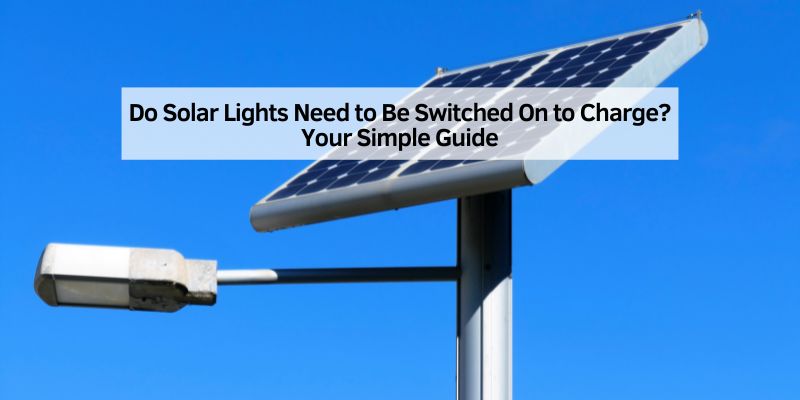
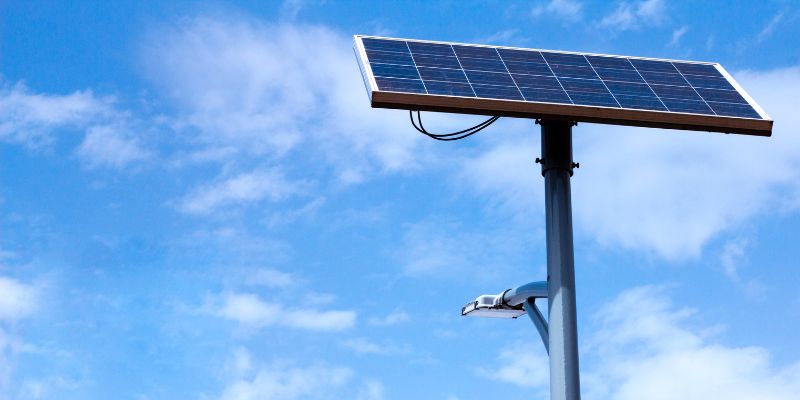
Solar lights have three main parts: a solar panel, a battery, and a light bulb. The panel grabs sunlight during the day. The battery stores this energy. At night, the battery powers the bulb. Most solar lights turn on automatically when it’s dark, thanks to a tiny sensor.
Do Solar Lights Have to Be Switched On to Charge?
No, solar lights don’t need to be switched on to charge. The solar panel works whenever sunlight hits it. The “on” switch just tells the light to glow at night. If the switch is off, the battery still charges during the day. I tested this with my garden lights, and they charged fine even when off!
Why Does This Matter?
Knowing solar lights charge when off is helpful. You can set them up in sunny spots without worrying about the switch. It also saves energy, since the light won’t turn on until you’re ready.
How to Set Up Solar Lights: A Simple Guide
Setting up solar lights is easy. I put some along my walkway, and they looked amazing! Here’s how you can do it:
- Pick a Sunny Spot: Find a place with lots of sunlight. Avoid shade from trees or buildings.
- Check the Switch: Most lights have an on/off switch. You don’t need to turn it on for charging, but check it’s working.
- Install the Light: Push the stake into the ground or mount it on a wall.
- Let It Charge: Leave the light in the sun for 6–8 hours. It’s ready to glow at night!
Tools and Materials Needed
You don’t need much to start. Here’s a simple list:
- Solar lights (I like ones from Energy Star for quality).
- A sunny spot in your yard or porch.
- A small shovel or trowel for digging (if staking into the ground).
Benefits of Solar Lights
Solar lights are awesome for many reasons. They save money, help the planet, and are easy to use.
- Saves Money: No electricity bill! The sun powers them for free.
- Eco-Friendly: They use clean energy, reducing your carbon footprint.
- Easy to Install: No wires or plugs—just stick them in the ground.
Drawbacks to Know
Solar lights aren’t perfect. Here are a few things to watch for:
- Weather Dependent: Cloudy days can slow charging.
- Battery Life: Batteries may weaken after a few years.
- Less Bright: They’re not as strong as wired lights.
Other Lighting Options
If solar lights don’t fit your needs, try these:
- Plug-In Lights: Bright but need an outlet.
- Battery Lights: Portable but need new batteries often.
- Motion-Sensor Lights: Only turn on when needed, saving energy.
My Top Tips for Solar Lights
I’ve used solar lights for years. Here are my best tips to make them work great:
- Clean the Panels: Dust can block sunlight. Wipe panels with a damp cloth monthly.
- Check the Battery: If lights dim, replace the battery. Most use AA or AAA rechargeable ones.
- Angle the Panel: Tilt the panel toward the sun for better charging.
Common Mistakes to Avoid
Don’t make these beginner mistakes:
- Shady Spots: Don’t place lights under trees. They need full sun.
- Wrong Switch Setting: Check the switch, but don’t worry—it charges either way!
- Cheap Lights: Low-quality lights break fast. Spend a bit more for durability.
Comparing Solar Light Types
Here’s a table to help you pick the right solar light:
| Type | Best For | Cost | Brightness |
|---|---|---|---|
| Path Lights | Walkways, gardens | $10–$30 each | Low–Medium |
| Flood Lights | Driveways, yards | $20–$50 each | High |
| String Lights | Patios, fences | $15–$40 set | Low |
Table 1: Comparing Solar Light Types for Home Use
Solar Light Costs vs. Savings
This table shows how solar lights save money:
| Light Type | Upfront Cost | Monthly Cost | Savings vs. Electric |
|---|---|---|---|
| Solar Path Light | $20 | $0 | $2–$5/month |
| Electric Path Light | $15 | $2–$5 | None |
Table 2: Cost Comparison of Solar vs. Electric Lights
Safety Tips for Solar Lights
Solar lights are safe, but follow these tips:
- Avoid Water Puddles: Don’t place lights where water pools. It can damage them.
- Check Wires: Some lights have small wires. Make sure they’re not frayed.
- Use Quality Brands: Trusted brands like Philips meet safety standards.
Visual Ideas for Your Setup
To make your solar lights pop, try these:
- Pathway Diagram: A simple sketch showing lights along a walkway, spaced 3–5 feet apart.
- Garden Layout: A drawing of lights around flower beds to highlight plants.
- Patio Setup: A picture of string lights hung on a fence for a cozy vibe.
My Solar Light Story
Last year, I bought cheap solar lights for my porch. They didn’t charge well, even in sunlight. I learned they were low-quality and switched to better ones. Now, my yard glows every night! Quality matters, and checking the panel angle helped a lot. You can avoid my mistakes with these tips.
Frequently Asked Questions
Do Solar Lights Have to Be Switched On to Charge?
No, solar lights charge whether the switch is on or off. The solar panel catches sunlight and fills the battery. The switch only controls the light at night. I tested this with my lights, and they charged fine when off. Just place them in a sunny spot!
How Long Do Solar Lights Need to Charge?
Most solar lights need 6–8 hours of sunlight to fully charge. Cloudy days might take longer. My garden lights take a full day of sun to shine all night. Check your light’s manual for exact times.
Can Solar Lights Charge on Cloudy Days?
Yes, but they charge slower. Solar panels still catch some light through clouds. My lights still work after a cloudy day, but they’re dimmer. Place them in open areas to get as much light as possible.
How Do I Know If My Solar Light Is Charging?
You can’t always see it charging, but check the battery. If the light works at night, it’s charging! I pop open the battery case yearly to ensure it’s clean and working. A multimeter can test the battery, too.
What If My Solar Light Doesn’t Work?
First, check the battery. It might need replacing. Clean the solar panel, too—dirt blocks sunlight. My lights stopped working once because of a dirty panel. A quick wipe fixed it! If it’s still broken, contact the manufacturer.
Can I Leave Solar Lights Outside All Year?
Yes, most solar lights are weatherproof. I leave mine out in rain and snow, and they’re fine. Check the product label for an IP65 rating or higher to ensure they handle tough weather.
How Do I Choose Good Solar Lights?
Look for trusted brands, good reviews, and a strong battery (like NiMH). I picked GE Lighting lights after research, and they last years. Avoid super-cheap ones—they break fast.
Conclusion
Solar lights are a fun, easy way to light your home. They don’t need to be switched on to charge, which makes setup simple. You can save money and help the planet! Try placing a few in your garden or along a path. Share your setup ideas in the comments—I’d love to hear them! Let’s make our yards shine together.