Does a Water Softener Add Salt to Water?
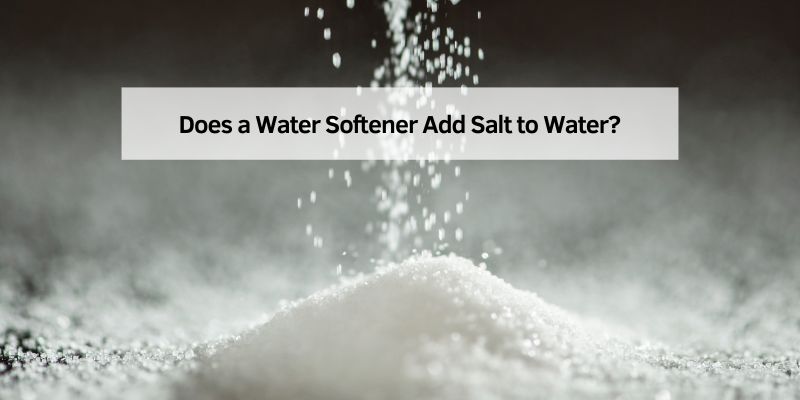
Hey there! If you’re wondering, “Does a water softener add salt to water?” you’re not alone. I’ve asked this question myself when I first looked into improving the water quality in my home. The short answer is no, a water softener doesn’t add salt to the water you drink or use. Instead, it uses salt in a clever process to remove minerals that make water hard. Let me walk you through everything I’ve learned about how water softeners work, what they do to your water, and why they’re a game-changer for many households. By the end, you’ll know exactly what’s going on with that salt in your water softener!
How Water Softeners Work
Let’s start with the basics. A water softener is a device that tackles hard water, which is water loaded with minerals like calcium and magnesium. These minerals can cause all sorts of problems, from soap scum in your shower to scale buildup in your pipes. I noticed this in my own home when my dishes looked spotty, and my skin felt dry after showers.
The magic happens through a process called ion exchange. Inside the water softener, there’s a tank filled with tiny resin beads. These beads are negatively charged and attract the positively charged calcium and magnesium ions in hard water. Here’s the cool part: the system uses salt (sodium chloride) to “recharge” these beads. When the beads get covered with minerals, a salty brine solution washes over them, swapping the calcium and magnesium for sodium ions. The minerals are flushed out, and the beads are ready to soften more water.
Does this mean salt ends up in your water? Not really. The sodium from the ion exchange process adds a tiny amount to the softened water, but it’s not like you’re drinking salty water. I’ll explain more about that later.
What Is Hard Water and Why Does It Matter?
You might be wondering what hard water is and why it’s such a big deal. Hard water has high levels of calcium and magnesium, which come from the ground as water passes through rocks and soil. I first learned about this when I moved to a new house and noticed my coffee maker was clogging up with white, chalky buildup. That’s scale, and it’s a telltale sign of hard water.
Hard water can cause several issues:
- It reduces soap’s ability to lather, so you use more detergent.
- It leaves spots on dishes and glassware.
- It can damage appliances like water heaters and washing machines over time.
- It makes your skin and hair feel dry because soap doesn’t rinse off easily.
A water softener solves these problems by removing those pesky minerals. After installing one in my home, I noticed my laundry felt softer, my dishes sparkled, and my showers felt cleaner. It’s like giving your home a spa treatment!
Does a Water Softener Really Add Salt to Your Drinking Water?
This is the big question: does a salt-based water softener make your water taste salty? I was worried about this when I first got my water softener. The good news is that softened water doesn’t taste like salt. The salt in the water softener is used in the regeneration cycle, where the system cleans the resin beads. That salty brine is flushed out of the system and sent down the drain, not into your pipes.
However, there’s a catch. The ion exchange process does add a small amount of sodium to the water. For most people, this is negligible—about 12.5 milligrams of sodium per 8-ounce glass of softened water, according to the Water Quality Association. To put that in perspective, a slice of bread has way more sodium! But if you’re on a low-sodium diet, you might want to use a reverse osmosis system for drinking water to remove that tiny bit of sodium.
I tested my softened water with a taste test, and honestly, I couldn’t tell the difference. It felt cleaner and didn’t have that metallic taste I sometimes got with hard water.
Types of Water Softeners: Salt-Based vs. Salt-Free
Not all water softeners use salt, and I learned this the hard way when I was shopping for one. There are two main types: salt-based water softeners and salt-free systems. Here’s a quick breakdown in a table to make it clear:
| Type | How It Works | Pros | Cons |
|---|---|---|---|
| Salt-Based Water Softener | Uses ion exchange to remove calcium and magnesium, replacing them with sodium. | Highly effective at removing hard water minerals. | Requires regular salt refills and water softener maintenance. |
| Salt-Free System | Uses a process like template-assisted crystallization to prevent scale buildup. | No salt needed, low maintenance, eco-friendly. | Doesn’t fully remove minerals, less effective for very hard water. |
I went with a salt-based water softener because my water was very hard, and I wanted maximum mineral removal. But if your water isn’t too hard or you prefer a low-maintenance option, a salt-free system might work for you. It’s all about what fits your home’s needs.
Benefits of Using a Water Softener
Installing a water softener was one of the best decisions I made for my home. Here’s why I think it’s worth it:
- Better Water Quality: Softened water feels smoother on your skin and hair. I noticed my hair was shinier and less frizzy after showers.
- Longer Appliance Life: By removing hard water minerals, you protect your water heater, dishwasher, and washing machine from scale buildup. My plumber told me this could save hundreds in repairs.
- Cleaner Dishes and Laundry: No more spots on glasses or stiff towels. My clothes feel softer, and my dishes look pristine.
- Less Soap and Detergent: Softened water lathers better, so you use less soap, shampoo, and detergent. I’ve saved money on cleaning products since installing mine.
- Eco-Friendly Option: While salt-based water softeners use salt, they’re efficient and reduce the need for bottled water or harsh cleaning chemicals.
Water Softener Installation: What You Need to Know
When I decided to get a water softener, I was nervous about the water softener installation process. Would it be complicated? Expensive? Here’s what I learned after going through it.
Most water softener installation jobs require a professional plumber, especially if you’re not handy with tools. The system needs to be connected to your main water line, and you’ll need space for the unit—usually in a basement or garage. My plumber set mine up in a day, and it cost about $500, including the unit and labor. Prices vary depending on your location and the system’s size.
If you’re a DIY fan, you can install a water softener yourself, but you’ll need basic plumbing skills. I watched a few YouTube tutorials before deciding to hire a pro—it just gave me peace of mind. You’ll also need to check local codes, as some areas have regulations about water treatment systems.
One tip: make sure your water softener is sized for your household. A family of four needs a larger unit than a single person. My plumber helped me pick one that handles my water usage, and it’s been perfect.
Water Softener Maintenance: Keeping It Running Smoothly
Owning a water softener isn’t a set-it-and-forget-it deal. I learned that water softener maintenance is key to keeping it working well. Here’s what I do to maintain mine:
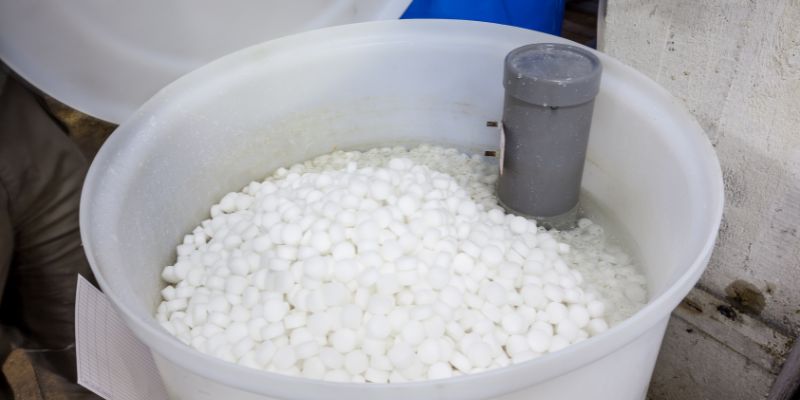
- Refill the Salt: Every month, I check the salt level in the brine tank and add more if needed. I use high-quality water softener salt pellets to avoid clogs.
- Clean the Brine Tank: Once a year, I clean the tank to remove any salt sludge. It’s a bit messy but worth it.
- Check the Resin Bed: Over time, the resin beads can wear out. My system’s manual says they last about 10-15 years, but I have a pro check every few years.
- Monitor Water Quality: I test my water occasionally to ensure the system is softening properly. You can buy test kits at hardware stores.
I set a reminder on my phone to check the salt every month, and it’s become a quick routine. Regular water softener maintenance keeps my system running like new and ensures my water quality stays top-notch.
Is a Water Softener Right for You?
Deciding whether to get a water softener depends on your home’s water quality. If you notice signs of hard water—like scale on faucets, dry skin, or spotty dishes—it’s probably a good investment. I live in an area with very hard water, so the difference was night and day after installation.
However, if your water isn’t too hard or you’re concerned about sodium, you might explore other water treatment options, like a salt-free system or a reverse osmosis filter for drinking water. I talked to a water specialist who tested my water and helped me decide. Many companies offer free water tests, so it’s worth reaching out.
Environmental and Health Considerations
I was curious about whether water softeners are eco-friendly and safe for my family. Here’s what I found:
- Environmental Impact: Salt-based water softeners discharge salty brine into the sewer system, which can affect local water treatment plants. Some areas have restrictions, so I checked with my city before installing. Salt-free systems are more eco-friendly but less effective for mineral removal.
- Health Concerns: The small amount of sodium in softened water is safe for most people. If you’re on a strict low-sodium diet, consider a separate drinking water filter. I also make sure my kids drink filtered water just to be extra cautious.
I feel good knowing my water softener improves my home’s water quality without major health risks. It’s all about finding the right balance for your needs.
My Experience with a Water Softener
When I first got my water softener, I was skeptical. Would it really make a difference? After a few weeks, I was sold. My showers felt better, my appliances ran smoother, and my laundry looked cleaner. I even noticed my water heater was more efficient, which saved me a bit on energy bills. The only downside? Remembering to refill the salt. But once I got into the habit, it was no big deal.
If you’re on the fence, I’d say give it a try. Test your water, talk to a pro, and see if a water softener fits your lifestyle. For me, it’s been a game-changer.
Conclusion
So, does a water softener add salt to water? Not in the way you might think. It uses salt to remove hard water minerals through ion exchange, leaving you with softened water that’s better for your home and family. From smoother skin to cleaner dishes, the benefits are real—I’ve seen them in my own home. Whether you choose a salt-based water softener or a salt-free system, improving your water quality can make a huge difference. Take the time to test your water, explore your options, and invest in a system that works for you. Your home deserves it!
FAQs
Does softened water taste salty?
No, softened water doesn’t taste salty. The salt is used in the water softener’s regeneration process and gets flushed away. You might notice a slight sodium increase, but it’s minimal and doesn’t affect taste for most people.
How often do I need to add salt to my water softener?
It depends on your water usage and system size. I check my salt-based water softener monthly and add salt as needed—usually a bag every 4-6 weeks for my family of four.
Can a water softener remove other contaminants?
A water softener focuses on mineral removal like calcium and magnesium. For other contaminants like bacteria or lead, you’ll need additional water treatment systems, like a reverse osmosis filter.
Is a water softener worth the cost?
For me, yes! The improved water quality, longer appliance life, and savings on soap make it worthwhile. If you have hard water, a water softener can save you money and hassle in the long run.
Do salt-free water softeners work as well?
Salt-free systems are less effective at mineral removal but great for mild hard water or eco-conscious homes. I chose a salt-based water softener for my very hard water, but salt-free could work for others.