Does Delta 9 Show Up in a Urine Test? Everything You Need to Know
Hey there! So, you’re curious about whether Delta 9 THC, the main psychoactive compound in cannabis, shows up in a urine test. Maybe you’re preparing for a job interview, or perhaps you’re just trying to understand how long that gummy or vape session might linger in your system. I get it—it’s a topic that can feel a bit nerve-wracking, especially with drug tests being so common in workplaces, sports, or even legal situations.
I’ve spent a lot of time diving into this subject, talking to experts, and digging through reliable information to bring you the full picture. Don’t worry, I’m here to break it all down in a way that’s easy to understand, so let’s get started and answer the big question: Does Delta 9 show up in a urine test?
What Is Delta 9 THC, Anyway?
Let’s kick things off with the basics. Delta 9 THC, or Delta-9-tetrahydrocannabinol if you want to get fancy, is the stuff in cannabis that gives you that “high” feeling. It’s the primary psychoactive compound found in marijuana and hemp plants. When you smoke a joint, vape a cartridge, or munch on a Delta 9 gummy, this is the ingredient that’s doing the heavy lifting in your brain, binding to receptors that affect mood, appetite, and even pain perception.
Now, here’s the thing: Delta 9 isn’t just found in illegal marijuana. Thanks to the 2018 Farm Bill, hemp-derived Delta 9 THC is legal in the U.S. as long as it’s under 0.3% by dry weight in a product. That’s why you see Delta 9 gummies and vapes popping up in gas stations and online shops. But legal or not, if you’re facing a drug test, you’re probably wondering if that hemp-derived Delta 9 will get you in trouble. Spoiler alert: it can. Let’s dive deeper.
Why Drug Tests Look for Delta 9 THC
Drug tests aren’t out to ruin your day—they’re designed to detect specific substances in your body, and Delta 9 THC is one of them. When you consume Delta 9, your liver breaks it down into byproducts called metabolites. The main one is called THC-COOH, and that’s what most drug tests are hunting for. These metabolites stick around in your body way longer than the “high” does, which is why you can test positive days or even weeks after your last use.
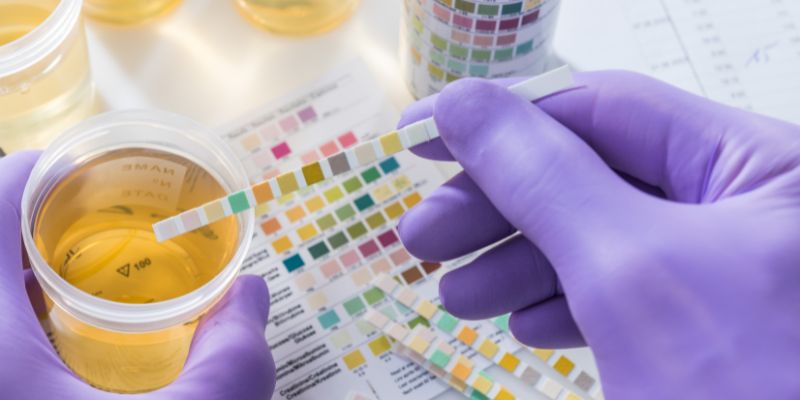
Urine tests are the go-to for most employers, rehab programs, or legal screenings because they’re cheap, non-invasive, and pretty good at spotting THC metabolites. But other tests, like blood, saliva, or hair tests, can also detect Delta 9 use, each with its timeframe. Since you’re asking about urine tests specifically, let’s focus there, but I’ll touch on the others later to give you the full scoop.
Does Delta 9 Show Up in a Urine Test?
Alright, let’s cut to the chase: yes, Delta 9 THC does show up in a urine test. If you’ve used Delta 9—whether it’s from smoking weed, eating a gummy, or vaping—it can trigger a positive result. Most standard urine tests are looking for that THC-COOH metabolite I mentioned, and they’re sensitive enough to detect it even if you only used a small amount.
The cutoff for a positive result is usually 50 nanograms per milliliter (ng/mL) of THC-COOH in your urine, though some tests are more sensitive, going as low as 15 ng/mL. So, even if you’re using legal, hemp-derived Delta 9 products with less than 0.3% THC, those metabolites can build up in your system and cause a positive test. I learned this the hard way when a friend of mine, who had only tried a Delta 9 gummy once, was shocked to fail a drug test for a new job. It’s a real risk, so let’s talk about how long Delta 9 sticks around.
How Long Does Delta 9 Stay in Your Urine?
This is where things get tricky. How long Delta 9 stays in your urine depends on a bunch of factors: how often you use it, how much you use, your metabolism, your body fat percentage, and even your lifestyle. Since Delta 9 is fat-soluble, it gets stored in your body’s fat cells and slowly releases over time. That’s why it can linger for days or even weeks.
Here’s a general guide for how long Delta 9 THC can be detected in your urine, based on how often you use it:
| Frequency of Use | Detection Window in Urine |
|---|---|
| One-time use | 2–7 days |
| Occasional (1–3 times/week) | 3–14 days |
| Moderate (4 times/week) | 7–21 days |
| Frequent (daily) | 15–30 days |
| Heavy (multiple times/day) | 30–90 days |
Let me break this down a bit. If you’re a one-time user—like you tried a Delta 9 edible at a party—you’re probably in the clear after a few days, maybe a week. But if you’re using Delta 9 regularly, like daily gummies or vaping, those metabolites can stick around for a month or more. Heavy users, like someone who’s consuming multiple times a day, might test positive for up to three months. I remember talking to a guy at a cannabis shop who said he stopped using for two months and still tested positive because he was such a heavy user before. Crazy, right?
Your body’s metabolism plays a big role too. If you’ve got a fast metabolism, you might clear THC faster. But if you have a higher body fat percentage, those metabolites can hang out longer since they’re stored in fat cells. Age, diet, exercise, and even genetics can also affect how quickly your body processes Delta 9.
Factors That Affect Detection Times
Let’s get into the nitty-gritty of what influences how long Delta 9 stays in your system. I’ve seen firsthand how different people can have wildly different experiences with drug tests, even if they used the same amount of Delta 9. Here are the main factors at play:
1. Frequency of Use
The more often you use Delta 9, the longer it takes to clear out. A one-off gummy is way different from daily vaping. Regular use means your body is constantly storing new metabolites, so it takes longer to flush them out.
2. Dosage and Potency
Higher doses mean more THC-COOH in your system. A 25mg Delta 9 gummy will leave more metabolites than a 5mg one. The same goes for potent products like concentrates versus milder edibles.
3. Method of Consumption
How you take Delta 9 matters. Edibles, like gummies or brownies, take longer to metabolize because they go through your digestive system. Smoking or vaping hits your bloodstream faster, but the metabolites might clear out a bit quicker. I had a buddy who swore vaping was “safer” for drug tests, but he still failed because he was using high-potency carts daily.
4. Body Composition
Since THC is fat-soluble, people with higher body fat tend to retain metabolites longer. If you’re lean and active, you might clear Delta 9 faster than someone with more body fat.
5. Metabolism and Lifestyle
A fast metabolism, regular exercise, and a healthy diet can help your body process Delta 9 quicker. But don’t think hitting the gym the day before a test will save you—it won’t. Exercise can release stored THC from fat cells, which might make you test positive.
6. Hydration
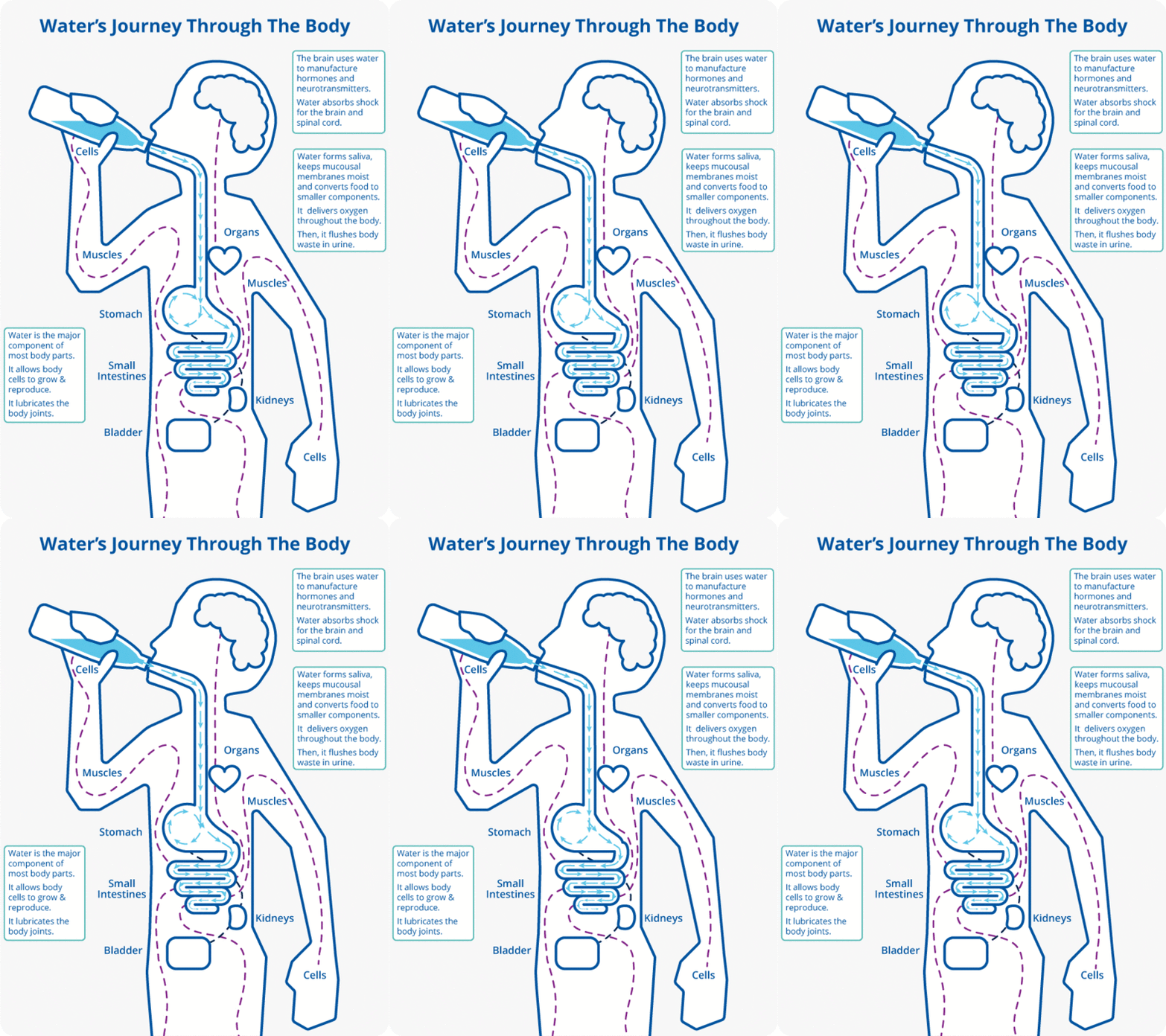
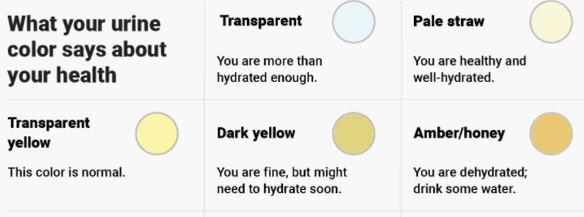
Drinking lots of water can dilute your urine, which might lower the concentration of THC-COOH. But labs are smart—they check for diluted samples, and if they catch you, it could count as a failed test.
Other Types of Drug Tests and Delta 9
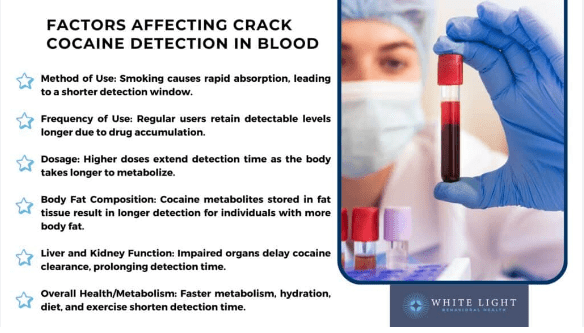
While urine tests are the most common, you might run into other types of drug tests, and each one has a different detection window for Delta 9 THC. Here’s a quick rundown:
- Blood Tests: These are less common and usually used for things like DUI cases or workplace accidents. Delta 9 is detectable in blood for 1–2 days for occasional users, but up to 25–30 days for heavy users. Blood tests are good at catching recent use but not long-term patterns.
- Saliva Tests: Often used in roadside checks or quick workplace screenings, saliva tests can detect Delta 9 for about 12–72 hours after use. They’re great for spotting recent consumption but have a short detection window.
- Hair Tests: These have the longest detection window—up to 90 days. They’re not used as often because they’re expensive and can sometimes give false positives (like if you were around someone smoking). But if you’re facing a hair test, Delta 9 can show up for months.
I once talked to a guy who passed a urine test but got tripped up by a hair test for a high-security job. He hadn’t used cannabis in weeks, but those metabolites were still in his hair. It’s rare, but it happens.
Can You Pass a Urine Test After Using Delta 9?
If you’ve got a drug test coming up and you’ve used Delta 9, you’re probably wondering if there’s a way to pass. I’m going to be straight with you: there’s no guaranteed way to beat a drug test short of abstaining long enough for the metabolites to clear. But there are some steps you can take to improve your chances:
- Stop Using Delta 9 ASAP: The sooner you stop, the better. Ideally, give yourself at least 8 weeks if you’re a regular user. Even for one-time use, a week or two is safest.
- Stay Hydrated: Drinking water can help your body flush out metabolites and dilute your urine. Just don’t overdo it, or the lab might flag your sample as diluted.
- Eat Healthy: A balanced diet with lots of fruits, veggies, and lean proteins can support your body’s natural detox processes. Avoid fatty foods, which can slow down metabolite elimination.
- Exercise (But Not Too Close to the Test): Regular exercise over weeks can help burn fat and release stored THC. But avoid heavy workouts a day or two before the test, as they can release metabolites into your bloodstream.
- Avoid Detox Products: Those detox teas or pills you see online? Most of them are scams. They might dilute your urine or mask metabolites temporarily, but labs can often detect these tricks. Plus, some detox products can mess with your health, like causing dehydration.
I’ve heard stories of people trying crazy detox drinks or synthetic urine to cheat a test. One friend thought he was slick using fake urine, but the lab caught it because the sample wasn’t the right temperature. Trust me, it’s not worth the risk. The best bet is to plan and stop using Delta 9 well before your test.
What About Legal Delta 9 Products?
Here’s a question I get a lot: if Delta 9 is legal in hemp-derived products, will it still show up on a drug test? The answer is yes. Drug tests don’t care if the Delta 9 came from legal hemp or illegal marijuana. They’re just looking for THC-COOH. Even full-spectrum CBD products with trace amounts of Delta 9 (under 0.3%) can build up in your system over time and trigger a positive result.
I remember chatting with a woman who used CBD gummies for anxiety, thinking they were “safe” because they were legal. She was devastated when she failed a drug test for a nursing job. The lesson? If you’re facing a drug test, stick to broad-spectrum CBD or CBD isolate, which have no THC.
Why Employers Test for Delta 9
You might be wondering why employers care about Delta 9 in the first place, especially if it’s legal in your state. It comes down to workplace safety and productivity. Some employers believe THC, even in small amounts, could impair your performance or pose a risk, especially in jobs like driving, operating machinery, or healthcare. Federal jobs and industries like transportation often have strict no-THC policies because of federal regulations.
That said, some companies are starting to rethink THC testing. With cannabis becoming legal in many states, a few employers are dropping it from their drug panels, especially for non-safety-sensitive roles. But that’s still the exception, not the rule. If you’re job hunting, assume THC testing is part of the deal unless you’re told otherwise.
My Take on Delta 9 and Drug Tests
I’ve been researching cannabis for years, and I’ve seen how confusing this topic can be. When I first started looking into Delta 9, I thought, “It’s legal, so it shouldn’t be a big deal, right?” Wrong. Drug tests don’t care about legality—they care about metabolites. I’ve talked to people who lost job opportunities or faced legal trouble because they didn’t realize how long Delta 9 sticks around. It’s a bummer, but knowledge is power. If you know you’ve got a test coming up, plan and give your body time to clear out those metabolites.
Conclusion
So, does Delta 9 show up in a urine test? Absolutely, and it can linger for days, weeks, or even months, depending on how much and how often you use it. Whether you’re enjoying legal Delta 9 gummies, vaping, or smoking, those THC-COOH metabolites can betray you on a drug test. My advice? If you know a test is coming, stop using Delta 9 as early as possible—ideally, 8 weeks for regular users. Stay hydrated, eat well, and avoid sketchy detox products that promise miracles but often deliver trouble.
I hope this clears up your questions and helps you make smart choices. Cannabis can be awesome for relaxation or even medical benefits, but drug tests are a reality we can’t ignore. If you’re careful and plan ahead, you can enjoy Delta 9 responsibly without stressing about a positive result. Got more questions? Check out the FAQs below—I’ve got you covered!
FAQs
Will Delta 9 show up in a urine test if I only used it once?
Yes, even a single use can show up in a urine test, usually for 2–7 days. It depends on the dose, your metabolism, and the test’s sensitivity.
Can I pass a urine test by drinking lots of water?
Drinking water can dilute your urine, which might lower metabolite levels. But labs often check for dilution, and a diluted sample could be flagged as suspicious.
Do legal Delta 9 products cause a positive drug test?
Yes, legal hemp-derived Delta 9 products can still cause a positive test because they contain THC, which produces the same metabolites as marijuana.
How long do Delta 9 edibles stay in your system compared to smoking?
Edibles take longer to clear because they’re processed through your digestive system. They can stay detectable for a few days longer than smoked or vaped Delta 9.
Can exercise help me pass a drug test?
Exercise can help over time by burning fat where THC is stored, but working out right before a test might release more metabolites and make you test positive.
Are there any reliable detox products for Delta 9?
Most detox products are unreliable and might not work. Some can even be risky. The safest way to pass is to stop using Delta 9 early and let your body clear it naturally.