Does Hearing Protection Work? Ratings and Fit
Hearing protection works, but its real-world effectiveness depends heavily on fit, not just the Noise Reduction Rating (NRR) printed on the package, since that number reflects lab conditions most people never actually achieve. This guide explains what NRR really measures, how much to discount it in practice, and how to check whether your plugs or muffs are actually sealing.
What NRR actually measures
NRR is a lab-tested maximum reduction figure in decibels, measured under ideal, trained-fit conditions. NIOSH’s own guidance is to derate it for real-world use, commonly subtracting 7 dB from the rating and then dividing the result in half for earmuffs, with foam earplugs often needing an even larger discount, because most people don’t insert or wear protection as carefully as a lab technician does during testing.
Foam earplugs depend entirely on insertion depth
Foam plugs rated NRR 29-33 dB only hit that number when rolled thin enough and inserted deep into the ear canal, not just placed at the opening. A poorly inserted foam plug can lose 10 to 15 dB of real protection compared to a correctly seated one, which in practical terms can be the difference between adequate protection and a false sense of safety around genuinely loud tools.
Earmuffs and what breaks their seal
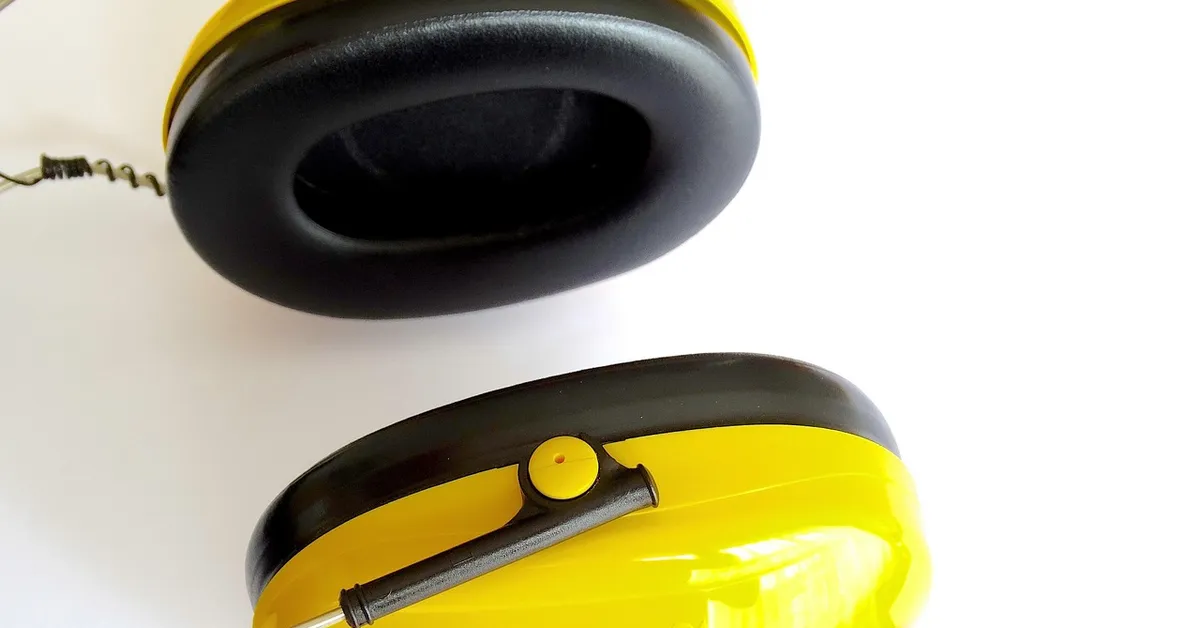
Earmuffs (NRR typically 22-31 dB) rely on a cushion sealing all the way around the ear. Glasses temples, long hair, a beard, or a hard hat interfering with headband tension all break that seal and reduce real attenuation well below the rated number. Someone who wears safety glasses regularly may get a more consistent seal from foam plugs than from muffs for that reason alone.
Doubling up, and when it’s worth it
Wearing plugs and muffs together doesn’t add their NRR numbers; combined real-world attenuation is usually only 4 to 6 dB higher than the better-rated device alone. It’s worth doing for very loud sources, chainsaws, firearms, and similar impulse or continuous noise above roughly 100 dB, but unnecessary for typical shop-level noise where a single well-fitted device is already sufficient.
Electronic hearing protection
Electronic earmuffs use built-in microphones and compression circuitry to let ambient sound and conversation through at safe levels while instantly clipping sudden loud impulses like gunshots. These are popular on shooting ranges and job sites where hearing coworkers or approaching equipment matters as much as blocking damaging noise.
Frequently Asked Questions
Does a higher NRR always mean better protection?
Only if it’s actually fitted correctly. A high-NRR foam plug inserted poorly can perform worse in practice than a lower-NRR plug inserted correctly, since fit affects real attenuation more than the printed number does.
Can you wear earplugs and earmuffs together?
Yes, and it’s recommended for very loud environments like firearms or chainsaw use, though the combined benefit is smaller than simply adding both NRR numbers together.
How do you know if hearing protection fits correctly?
For foam plugs, your own voice should sound noticeably muffled or hollow (the occlusion effect); if outside noise still sounds close to normal, the seal isn’t good. For earmuffs, check that nothing (hair, glasses, hood) is breaking contact between the cushion and your skin.
Sponsored / affiliate links. As an Amazon Associate I earn from qualifying purchases. I may earn additional commission from eligible campaigns.