Are All Multimeter Leads the Same?
No, multimeter leads are not interchangeable across all meters and situations. They differ in CAT safety rating, connector style, wire gauge and insulation quality, and whether they’re fused for current measurement, and using the wrong set can either damage your meter or put you at real risk of an arc flash.
Why Lead Ratings Matter More Than the Meter’s
A multimeter’s overall safety rating is only as strong as its weakest component, and that’s often the leads. CAT II leads are meant for plug-in appliances and receptacle-level work, CAT III for hardwired equipment and distribution panels, and CAT IV for the utility service entrance and outdoor drops, where transient spikes from lightning or switching events are far more energetic. Pairing a CAT IV-rated meter with a cheap set of CAT II leads effectively downgrades the whole tool to CAT II protection, since the leads’ insulation and internal fusing can’t handle a higher-energy transient.
Connector and Probe Differences
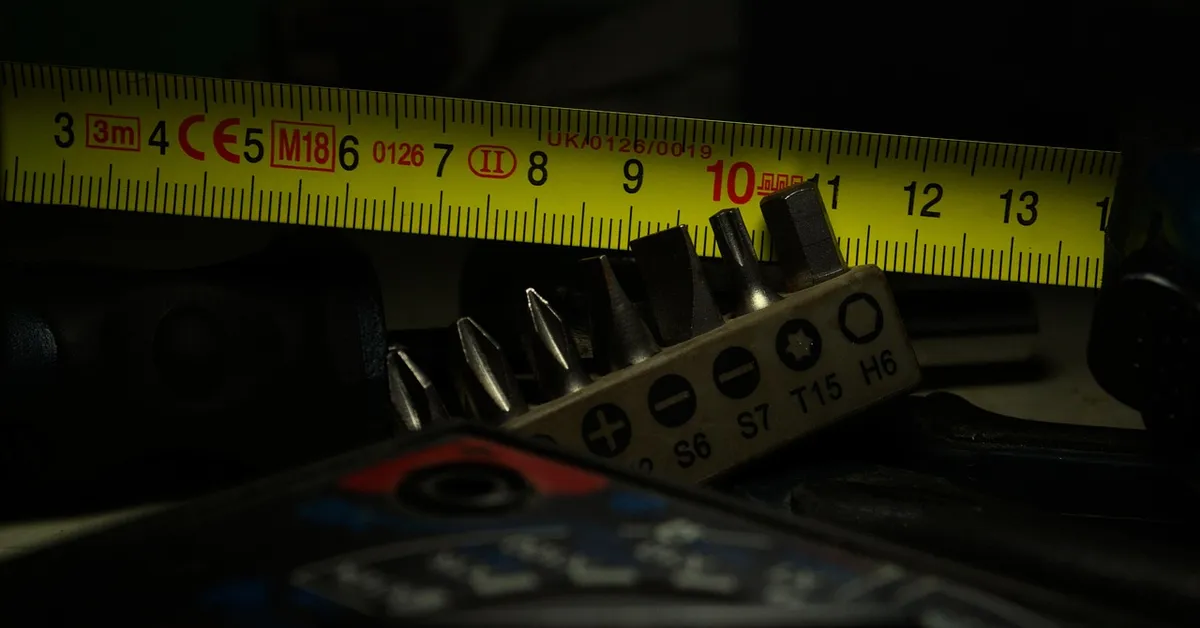
Most modern leads use shrouded 4mm banana plugs that fit the recessed jacks on any CAT-rated meter, but older or budget meters sometimes use unshrouded plugs, which expose bare metal and shouldn’t be used on live circuits. Probe tips also vary: sharp needle-point probes suit tight terminal blocks, while blunt safety-rated tips are required for some industrial testing standards. Specialty leads exist too, including alligator-clip adapters for hands-free continuity checks and K-type thermocouple leads that plug into a meter’s temperature function instead of measuring voltage at all.
Fused Leads and Current Measurement
Some premium lead sets include an internal fuse near the probe tip, adding a second layer of protection beyond the meter’s own internal fuse when measuring current in the 10A or mA jack. This matters because current measurements require breaking the circuit and putting the meter in series, which is the single most common way DMMs get damaged or cause an arc flash when a lead or setting is wrong.
When to Replace Your Leads
Silicone-insulated leads stay flexible in cold weather and resist cracking far longer than cheaper PVC-jacketed leads, which stiffen and split with age and heat exposure. Inspect leads regularly for exposed copper, loose banana plugs, or a probe tip that no longer holds firmly, and replace the whole set immediately if you find any damage. A quick continuity check with the leads shorted together, expecting near-zero ohms, will reveal a broken internal wire that looks fine from the outside.
Frequently Asked Questions
Can I use any leads with any multimeter?
Physically, most standard 4mm banana-plug leads fit almost any meter. Safely, you should only use leads rated at or above your meter’s CAT category and voltage rating, since mismatched leads become the weak point in the whole measurement chain.
What does the CAT rating on a lead actually mean?
It indicates how much transient overvoltage the lead’s insulation and internal construction can safely withstand in a given electrical environment, from CAT II (plug-in devices) up to CAT IV (utility service entrance), not how accurately it measures.
How do I test if my leads are still safe to use?
Visually check for cracked insulation, exposed wire, or a loose plug, then touch the two probe tips together and confirm the meter reads close to 0 ohms on the continuity or resistance setting. A reading of infinity or an unstable number means an internal wire has broken.
Sponsored / affiliate links. As an Amazon Associate I earn from qualifying purchases. I may earn additional commission from eligible campaigns.