Does High Blood Pressure Cause Frequent Urination?
Hey there! If you’re reading this, you might be wondering about something I’ve puzzled over myself: Does high blood pressure cause frequent urination? It’s a question that popped into my mind when I noticed my trips to the bathroom were getting more frequent, and I wondered if my blood pressure had anything to do with it. As someone who’s spent time digging into this topic, I’m excited to share what I’ve learned in a way that’s easy to understand and relatable. Whether you’re dealing with high blood pressure, frequent urination, or both, this article is here to help you make sense of it all. Let’s dive in and explore the connection, the causes, and what you can do about it.
What Is High Blood Pressure?
Let’s start with the basics. High blood pressure, or hypertension, happens when the force of blood pushing against your artery walls is too high. Think of your arteries like pipes carrying water. If the water pressure is too strong, it can strain the pipes. That’s what high blood pressure does to your body over time. It’s often called the “silent killer” because it can damage your heart, kidneys, and other organs without obvious symptoms.
I remember when I first got diagnosed with high blood pressure. I didn’t feel sick, but my doctor explained that my readings were consistently above 130/80 mmHg. Normal blood pressure is around 120/80 mmHg or lower. If your numbers are higher than that, especially over time, you might have hypertension. It’s super common in the USA—about half of adults have it, according to health stats. Stress, poor diet, lack of exercise, or even genetics can cause it. For me, it was a mix of stress and too many salty snacks!
What Does Frequent Urination Mean?
Frequent urination is exactly what it sounds like—needing to pee more often than usual. For me, it started to feel like I was running to the bathroom every hour, especially at night. Normally, most people urinate about 6-8 times a day, depending on how much they drink. If you’re going more than that or waking up multiple times at night to pee (that’s called nocturia), it might be worth looking into.
I used to think frequent urination was just about drinking too much coffee or water. But it turns out, it can be caused by lots of things—some harmless, some more serious. Bladder infections, diabetes, or even certain medications can make you pee more. When I started wondering if my high blood pressure was part of the problem, I had to do some research to figure it out.
Is There a Link Between High Blood Pressure and Frequent Urination?
Here’s where things get interesting. High blood pressure doesn’t directly cause frequent urination in most cases, but there’s definitely a connection worth exploring. I learned this the hard way when I started noticing patterns in my symptoms. Let’s break it down.
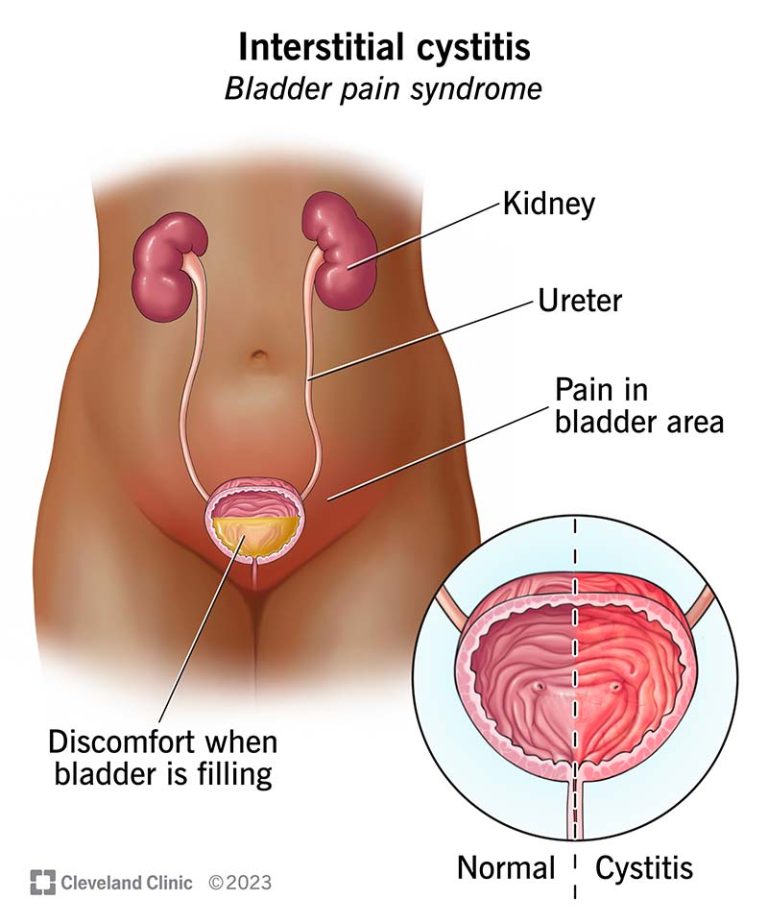
High blood pressure can affect your kidneys, which are the organs that control how much you pee. Your kidneys filter waste from your blood and decide how much water to keep or release as urine. When blood pressure is too high, it can damage the tiny blood vessels in your kidneys over time. This damage can mess with how your kidneys work, sometimes leading to more frequent urination or other urinary changes.
Another link is medications. Many people with high blood pressure, like me, take diuretics, often called “water pills.” These meds help your body get rid of extra water and salt to lower blood pressure. But a side effect? You guessed it—more trips to the bathroom. When I started taking a diuretic, I noticed I was peeing way more often, especially in the first few weeks.
There’s also a condition called hypertensive nephropathy, where long-term high blood pressure damages the kidneys so much that it affects how they handle urine. This can cause frequent urination or even protein in your urine. It’s not super common, but it’s something to keep in mind if your blood pressure has been high for a long time.
Medications That Might Cause Frequent Urination
Let’s talk more about those medications because they were a big part of my experience. If you’re taking meds for high blood pressure, some of them can definitely make you pee more. Here’s a quick rundown of the common ones:
| Medication Type | How It Works | Does It Cause Frequent Urination? |
|---|---|---|
| Diuretics (e.g., Hydrochlorothiazide, Furosemide) | Flush out extra water and salt | Yes, very likely |
| ACE Inhibitors (e.g., Lisinopril) | Relax blood vessels | Rarely |
| Calcium Channel Blockers (e.g., Amlodipine) | Widen blood vessels | Not usually |
| Beta Blockers (e.g., Atenolol) | Slow heart rate | Rarely |
When I started on a diuretic, my doctor warned me about the bathroom trips. Sure enough, I was peeing every couple of hours at first. It settled down after my body adjusted, but it was a hassle in the beginning. If you’re on one of these meds and noticing frequent urination, that might be why. Talk to your doctor if it’s driving you crazy—they might adjust your dose or switch you to something else.
Other Health Conditions to Consider
High blood pressure and its meds aren’t the only things that can cause frequent urination. I learned this when I started ruling out other possibilities. Here are some other culprits I looked into:
- Diabetes: High blood sugar can make you pee more because your kidneys are working overtime to get rid of the extra sugar. I got my blood sugar checked just to be sure, and it was a relief to know diabetes wasn’t the issue for me.
- Urinary Tract Infections (UTIs): These can irritate your bladder and make you feel like you need to pee all the time. I had a UTI once, and the burning sensation was a dead giveaway.
- Overactive Bladder: This is when your bladder muscles squeeze too often, making you feel like you need to go even when your bladder isn’t full. It’s more common as you get older.
- Prostate Issues (for men): An enlarged prostate can press on the urethra and cause frequent urination. My dad dealt with this, so I knew to ask about it.
- Kidney Problems: Besides high blood pressure damage, kidney stones or infections can also increase urination.
When I was figuring out my symptoms, I kept a journal of when I was peeing and what I was eating or drinking. It helped me notice patterns and talk to my doctor about what else might be going on.
How High Blood Pressure Affects Your Kidneys
Your kidneys are like the uns first heroes of your body, quietly filtering your blood and keeping things balanced. But high blood pressure can be tough on them. I didn’t realize how important this was until my doctor explained it to me.
When your blood pressure is high, it puts extra strain on the blood vessels in your kidneys. Over time, this can cause scarring or damage, making it harder for your kidneys to do their job. This damage can lead to symptoms like frequent urination, especially at night, or even swelling in your legs or feet because your kidneys aren’t removing extra fluid properly.
In severe cases, this can lead to chronic kidney disease. I was shocked to learn that high blood pressure is one of the top causes of kidney problems in the USA. That’s why managing your blood pressure isn’t just about your heart—it’s about protecting your kidneys, too.
Lifestyle Factors That Might Play a Role
Sometimes, it’s not just medical conditions or meds—it’s how you live. I had to take a hard look at my habits when I was dealing with frequent urination. Here’s what I found:
- Drinking Too Much Fluid: I love my coffee and water, but drinking a lot, especially before bed, can make you pee more. Cutting back on evening drinks helped me sleep better.
- Caffeine and Alcohol: Both can irritate your bladder and act as diuretics. I noticed a big difference when I swapped my evening wine for herbal tea.
- Stress: High blood pressure and stress go hand in hand, and stress can also make your bladder feel more sensitive. I started doing some light yoga, and it helped calm both my mind and my bladder.
- Diet: Eating too much salt can raise your blood pressure and make your body hold onto water, which can affect urination. I cut back on processed foods, and it made a difference.
Making small changes like these didn’t just help my blood pressure—they also cut down on my bathroom trips. It’s amazing how connected everything in your body is!
When to See a Doctor
If you’re peeing a lot and wondering if your high blood pressure is to blame, don’t wait to get it checked out. I ignored my symptoms for a while, thinking it was just “normal” for me, but I wish I’d talked to my doctor sooner. Here’s when you should make an appointment:
- You’re peeing more than 8 times a day or waking up multiple times at night to pee.
- You notice blood in your urine or pain when you pee.
- You have swelling in your legs, feet, or hands (a sign of kidney issues).
- Your blood pressure readings are consistently high, even with medication.
- You’re feeling tired, weak, or just “off” alongside frequent urination.
Your doctor might do a urine test, blood test, or even an ultrasound to check your kidneys or bladder. For me, it was reassuring to get answers and a plan to manage my symptoms.
Tips to Manage Frequent Urination and High Blood Pressure
Dealing with both high blood pressure and frequent urination can feel overwhelming, but I’ve found some practical ways to manage. Here’s what works for me:
- Monitor Your Blood Pressure: I got a home blood pressure monitor, and it helps me keep track of my numbers. It’s empowering to know where I stand.
- Stay Hydrated, But Time It Right: Drink enough water during the day, but try to cut back a couple of hours before bed to reduce nighttime trips.
- Adjust Your Diet: Eat less salt and more fruits and veggies. I started adding bananas and spinach to my meals—they’re great for blood pressure and kidney health.
- Talk to Your Doctor About Meds: If your medication is making you pee too much, ask about other options. My doctor tweaked my dose, and it made a big difference.
- Exercise Regularly: A 30-minute walk most days helps lower blood pressure and keeps your body in balance. I love walking my dog—it’s good for both of us!
- Practice Bladder Training: If you have an overactive bladder, try holding your pee for a little longer each time to train your bladder. It takes patience, but it helped me.
Conclusion
So, does high blood pressure cause frequent urination? It’s not a straight yes or no, but there’s definitely a connection. From my own journey, I’ve learned that high blood pressure can affect your kidneys, and certain blood pressure meds can send you to the bathroom more often. Other factors like diet, stress, or even unrelated conditions like diabetes can also play a role. By understanding the link and making small changes—like tweaking my diet, staying active, and talking to my doctor—I’ve been able to manage both my blood pressure and my bathroom trips better.
If you’re dealing with these symptoms, you’re not alone. It can feel frustrating, but there’s so much you can do to take control. Keep an eye on your symptoms, talk to your doctor, and don’t be afraid to make lifestyle changes. Your body will thank you, and you might just find yourself feeling better than ever. Thanks for joining me on this deep dive—I hope it’s helped you as much as it’s helped me!
Frequently Asked Questions
Why do I pee so much at night if I have high blood pressure?
Nighttime urination, or nocturia, can happen if your kidneys aren’t working properly due to high blood pressure. It could also be from diuretics or drinking too much fluid before bed. I noticed this myself and cut back on evening drinks, which helped. Talk to your doctor to rule out kidney issues or adjust your meds.
Can high blood pressure medications make me urinate more?
Yes, especially diuretics, or “water pills,” which are commonly prescribed for high blood pressure. They help your body get rid of extra fluid, which lowers blood pressure but can make you pee more. I experienced this when I started my meds. Ask your doctor if it’s too disruptive.
Could frequent urination be a sign of something other than high blood pressure?
Absolutely. Frequent urination can be caused by diabetes, urinary tract infections, an overactive bladder, or even prostate issues in men. I got tested for diabetes just to be safe. Keep a journal of your symptoms and share it with your doctor to figure out the cause.
How can I reduce frequent urination caused by high blood pressure meds?
Try timing your medication earlier in the day so the diuretic effect doesn’t hit at night. Also, cut back on caffeine and alcohol, and avoid drinking too much before bed. I found these changes helped me. Your doctor might also adjust your dose or switch medications.
Can lifestyle changes help with both high blood pressure and frequent urination?
Yes! Eating less salt, staying active, and managing stress can lower your blood pressure and reduce bladder irritation. I started walking daily and cutting back on salty snacks, and it made a big difference for both issues. Small steps add up!