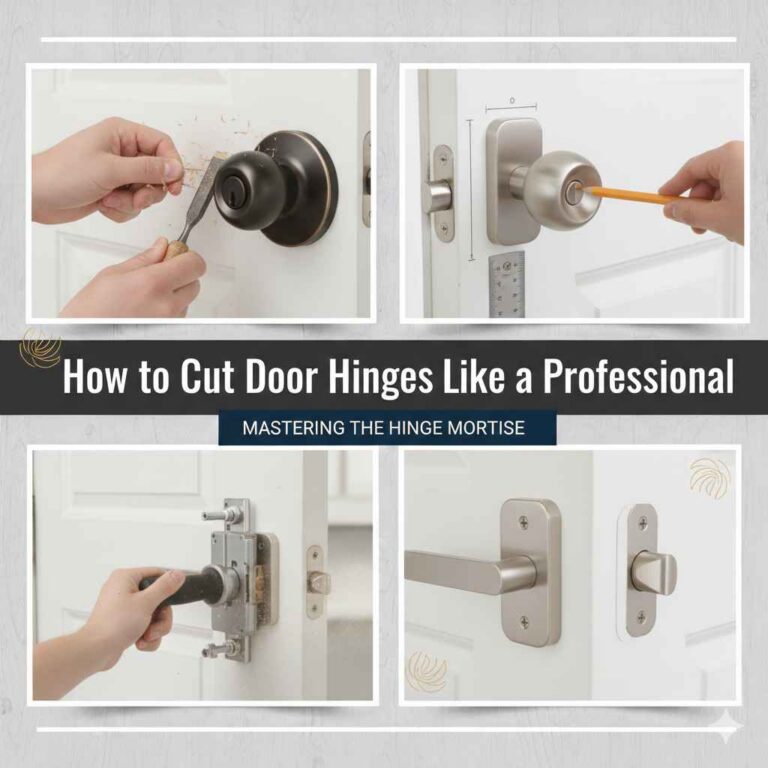
Door Knob Guide Types Parts And Uses
Knowing about door knobs might seem simple, but choosing the right one can get tricky fast. There are so many kinds, and figuring out what each part does is confusing for many. This Door Knob Guide: Types, Parts & Uses is here to make things easy.
We’ll break it down step-by-step so you can pick the perfect knob for any door without any hassle. Get ready to learn all about what makes a door knob work and what your options are.
Understanding Door Knob Types
Choosing a door knob is more than just picking a style. Different doors need different kinds of knobs for security, privacy, and convenience. We’ll look at the main categories to help you decide what fits your needs best.
This section covers everything from knobs for your bedroom to those for your front door.
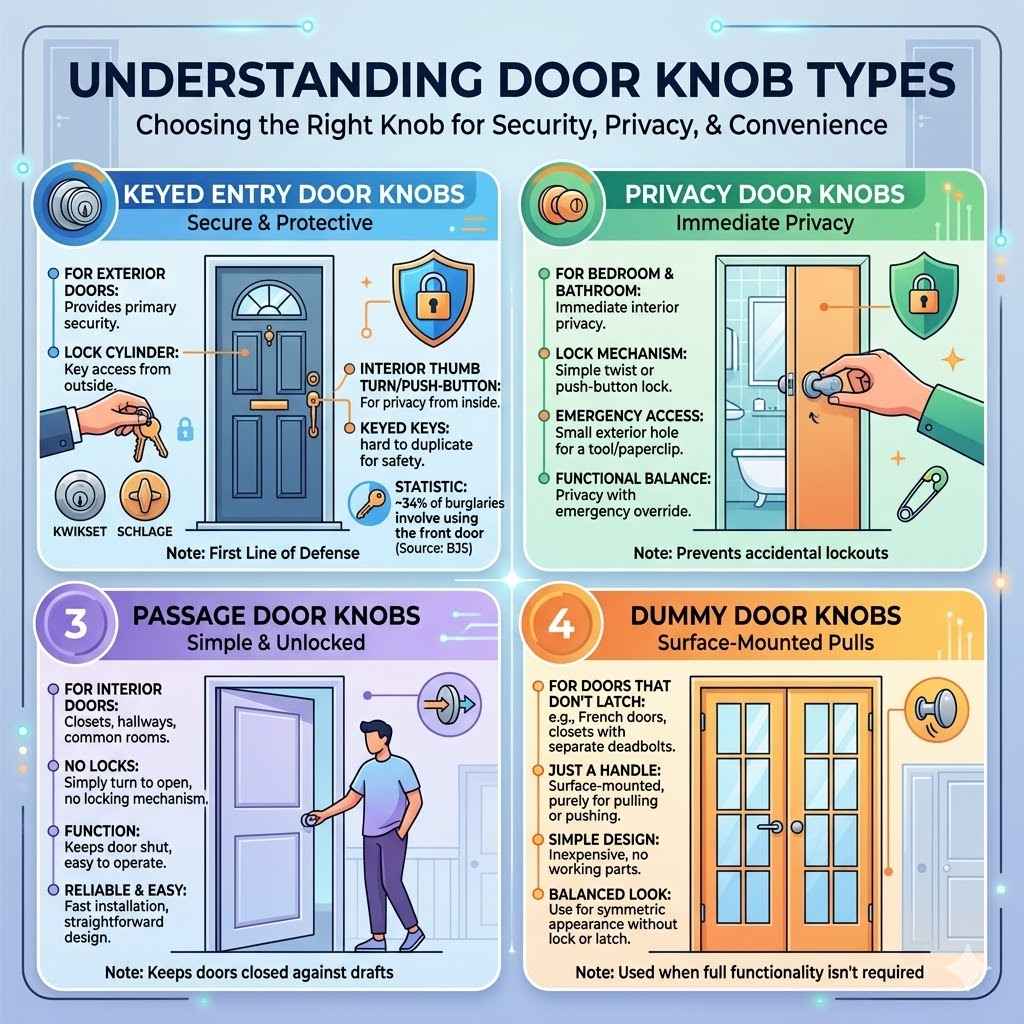
Keyed Entry Door Knobs
Keyed entry knobs are what you usually find on the outside of your front door. They have a lock cylinder that needs a key to open them from the outside. On the inside, they often have a thumb turn or a push-button lock for privacy.
These knobs are essential for security, making sure only authorized people can get in.
A common example is a Kwikset or Schlage keyed entry knob. These are built to withstand tampering and come with specific keys that are hard to copy. They are a first line of defense against unwanted entry.
Statistics show that homes with well-maintained and secure entry doors have a lower risk of break-ins. A study by the Bureau of Justice Statistics indicated that about 34% of burglaries involve using the front door.
Privacy Door Knobs
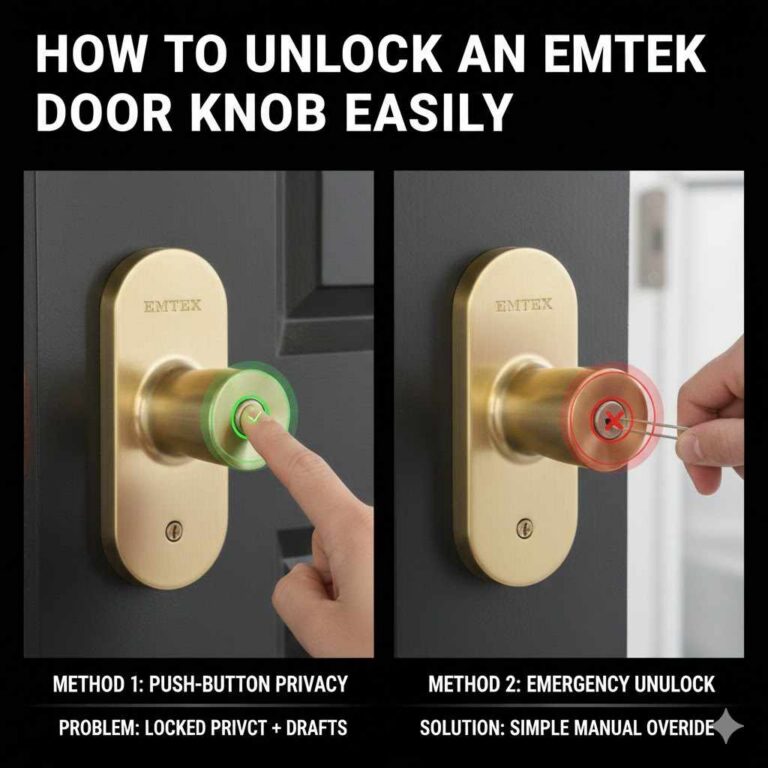
Privacy knobs are common on bedroom and bathroom doors inside your home. They are designed for immediate privacy. You can lock them from the inside with a small push-button or a twist knob.
There’s usually a way to unlock them from the outside in an emergency, often a small hole you can push a paperclip into. These knobs offer privacy without the complex locking mechanisms of entry knobs.
Think of the knobs in your bathroom. You can quickly lock it when you’re in there. If someone accidentally locks themselves out or there’s an emergency, a small tool can release the lock from the outside.
This balance of privacy and emergency access is key.
Passage Door Knobs
Passage knobs are the simplest type. They don’t have any locks at all. These are used for interior doors where you just need to open and close them, like closet doors or hallway doors connecting rooms.
Their main job is to keep a door shut and allow it to be opened easily. They are easy to install and use, making them a popular choice for many interior applications.
Imagine the knobs on your closet doors. You just turn them to open and let go to close. There’s no locking mechanism.
They are purely functional for easy access and keeping the door closed against drafts. This simplicity makes them very reliable.
Dummy Door Knobs
Dummy knobs are also known as surface-mounted or pull knobs. They are used on doors that don’t need to latch or swing closed, like on French doors or the exterior of a closet door that has a separate deadbolt. They are essentially just a handle to pull the door open or push it closed.
Since they don’t have any working parts like a latch or a lock, they are very simple and inexpensive.
Consider a set of double doors leading to a patio. One door might have a working lock and latch, while the other only has a dummy knob to keep it in place and allow it to be pulled open. This provides a balanced look while maintaining full functionality through the primary door.
Essential Door Knob Parts Explained
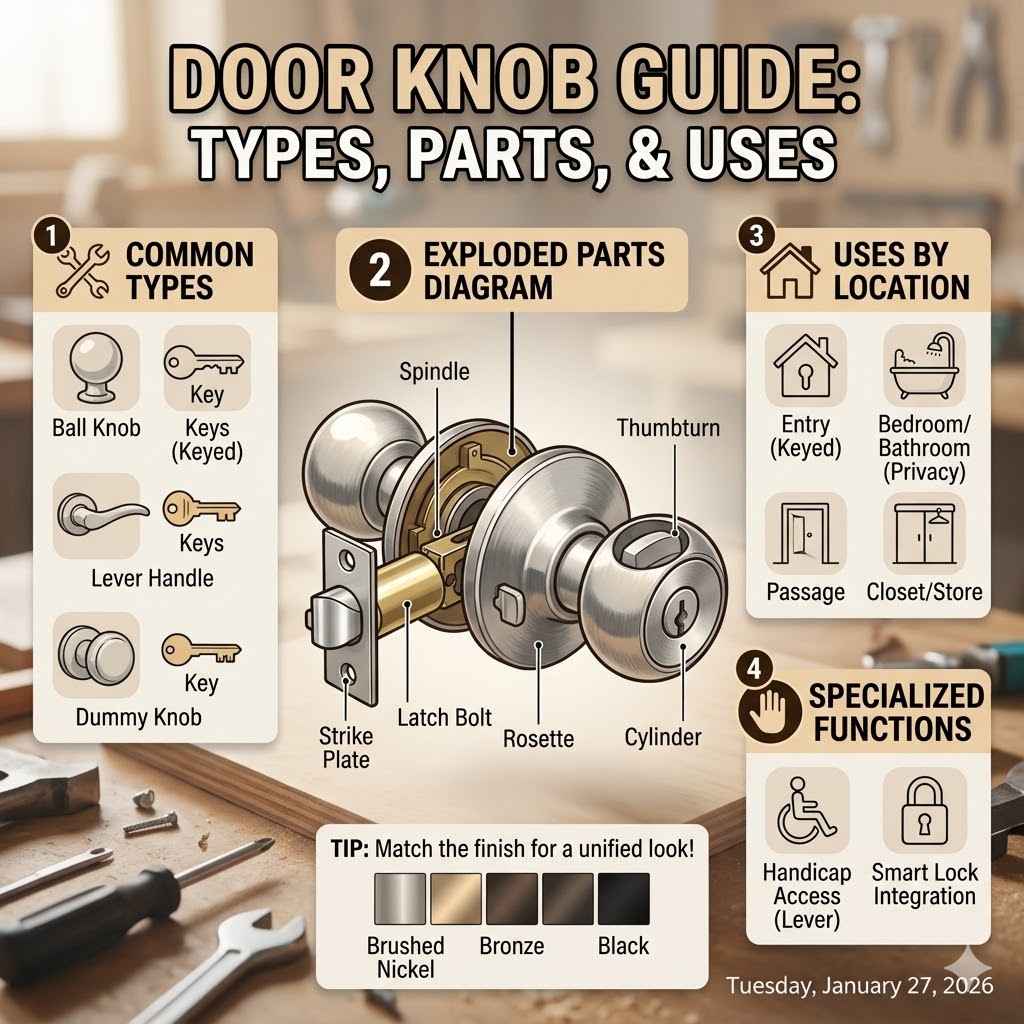
Every door knob, no matter its type, is made up of several key components. Understanding these parts helps in installation, repair, and knowing what to look for when buying a new one. We will break down each part so you can see how they all work together to make your door function.
The Knob Itself
The knob is the part you actually turn or grip to operate the door. Knobs come in many shapes, sizes, and materials, like brass, stainless steel, or glass. The design of the knob can affect comfort and ease of use.
For instance, a larger knob might be easier for people with arthritis to grip, while a more decorative knob can add to your home’s style.
Your choice of knob material can also impact durability and appearance. Polished brass knobs offer a classic look, while brushed nickel provides a more modern feel. Some knobs are ergonomically shaped to fit comfortably in your hand.
This is a key aesthetic and functional element.
The Spindle
The spindle is a metal rod that passes through the door. It connects the two knobs on opposite sides of the door. When you turn one knob, the spindle rotates, which in turn operates the latch mechanism.
It’s like the backbone of the knob assembly, transferring your turning motion to the inner workings.
Imagine a square metal rod. That’s often what a spindle looks like. As you twist the knob, this rod turns.
The shape of the spindle, often square, is designed to fit into specific slots in the latch mechanism. Without a strong spindle, the knob would be useless.
The Latch Mechanism
The latch mechanism is the part that actually keeps the door closed. It’s usually a metal bolt or tongue that extends from the edge of the door into the strike plate on the door frame when the door is closed. When you turn the knob, the spindle retracts this bolt, allowing the door to open.
There are several types, including spring latches and deadbolts.
A spring latch is common in passage and privacy knobs. It’s spring-loaded and clicks into place. A deadbolt, found in keyed entry knobs, is a solid bolt that extends further and is more secure.
The effectiveness of your door knob relies heavily on this component.
A study on home security found that the quality of the latch mechanism is directly related to how difficult it is to force a door open. Upgrading to a stronger deadbolt can significantly increase security.
The Rose or Escutcheon
The rose, also called an escutcheon, is the decorative plate that sits behind the knob against the door. It covers the hole drilled into the door for the knob and latch assembly. Roses can vary in shape, size, and design, adding to the overall look of the door hardware.
Some roses are simple and round, while others are more ornate.
This plate is not just for looks; it also provides structural support by holding the knob mechanism firmly in place against the door. A well-designed rose can enhance the aesthetic appeal of your door and blend with your home’s decor. It’s an often overlooked detail that contributes to the finished look.
The Cylinder and Keyway
This part is found on keyed entry knobs. The cylinder houses the lock tumblers and the keyway, which is the slot where you insert the key. When you insert the correct key and turn it, the tumblers align, allowing the cylinder to rotate and operate the locking mechanism.
This is the core of the security feature for keyed knobs.
The design of the cylinder and its tumblers are what make a lock pick-resistant. Higher-quality cylinders have more intricate tumbler arrangements, making them harder to bypass. This is the part that makes sure only your key works.
Practical Uses and Installation Tips
Knowing the types and parts of door knobs is great, but how do you apply this knowledge? This section covers when to use each type of knob and offers simple advice for installing them. Whether you’re replacing an old knob or putting one on a new door, these tips will help.
Choosing the Right Knob for Each Door
Selecting the correct knob is crucial for both functionality and security. For exterior doors, a keyed entry knob is a must for keeping your home safe. Interior doors that need privacy, like bathrooms and bedrooms, should have privacy knobs.
Doors that don’t need to be locked, such as closets or pantry doors, can use passage knobs. For decorative doors or doors that open inward, dummy knobs can provide a finished look without functionality.
Consider the traffic flow of your home. High-traffic doors might need knobs that are easy to grip and operate smoothly. For doors that are rarely used, style might be a more important factor.
Always think about who will be using the door and what level of access control is needed.
Simple Installation Steps
Installing a new door knob is often a DIY project. First, ensure the door is prepared with the correct size hole for the knob and a properly aligned mortise for the latch. Insert the latch mechanism into the edge of the door and secure it with screws.
Then, insert one knob assembly through the door, aligning its spindle with the latch. Place the other knob assembly on the opposite side, ensuring the spindle engages correctly.
Next, attach the knob assemblies to each other, usually with screws that go through the rose plates. Test the knob to ensure it turns smoothly and the latch retracts and extends properly. Finally, install the strike plate on the door frame so that the latch engages correctly when the door is closed.
Here’s a quick checklist for installation:
- Gather your tools: Screwdriver (Phillips and flathead), measuring tape, and possibly a drill if new holes are needed.
- Read the manufacturer’s instructions carefully.
- Ensure the door thickness is compatible with the knob set.
- Check that the backset (distance from the edge of the door to the center of the knob hole) is correct. For most interior doors, this is 2 3/8 inches or 2 3/4 inches.
- Test the knob operation thoroughly before fully tightening all screws.
Common Door Knob Problems and Fixes
Sometimes, door knobs can become loose or difficult to operate. A common issue is a loose knob, which usually means the mounting screws need tightening. If a latch isn’t retracting fully, check for obstructions or misalignment of the latch and strike plate.
You might need to adjust the strike plate or lubricate the latch mechanism.
For a stiff knob, a bit of lubricant sprayed into the mechanism can often help. If a knob is completely stuck or won’t lock, it might indicate a more serious internal issue with the latch or lock cylinder, potentially requiring replacement of the entire knob set.
Here are some common scenarios:
- Problem: Knob is wobbly.Fix: Tighten the mounting screws that connect the two halves of the knob set. These are usually found on the inside rose plate.
- Problem: Latch won’t retract.Fix: Check if the spindle is properly aligned with the latch mechanism. Sometimes, debris can obstruct the latch. Lubricating the latch bolt can also help.
- Problem: Door won’t latch shut.Fix: The strike plate on the door frame might be misaligned. You may need to slightly adjust its position or file the opening larger.
Door Knob Materials and Styles
The materials and styles of door knobs play a big role in both their durability and the aesthetic of your home. From classic metals to modern finishes, there’s a wide range of options. Understanding these choices helps you pick knobs that match your decor and last for years.
Popular Materials for Door Knobs
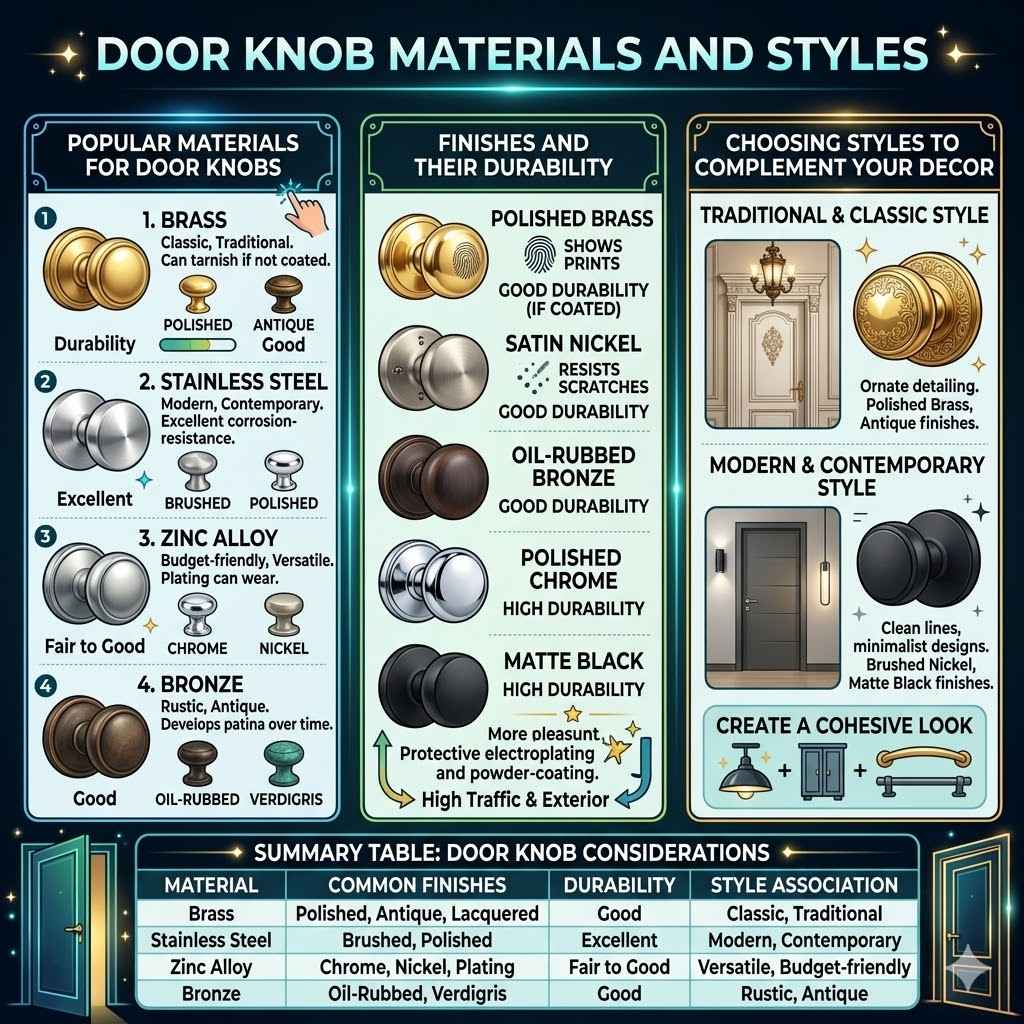
Common materials for door knobs include brass, stainless steel, bronze, and zinc alloy. Each has its own pros and cons regarding appearance, durability, and cost. Brass is classic and can be lacquered to prevent tarnishing.
Stainless steel is known for its strength and resistance to corrosion. Bronze offers a warm, antique look.
Zinc alloys are often used for less expensive knobs and can be plated to resemble other metals. The material choice impacts how the knob feels in your hand, its weight, and how it holds up to daily use. Higher-quality materials generally mean a longer lifespan and better performance.
Choosing Styles to Complement Your Decor
Door knob styles range from traditional to contemporary. Traditional styles might feature ornate detailing or classic finishes like polished brass. Modern styles often have clean lines, minimalist designs, and finishes like brushed nickel or matte black.
The style of your door knobs should complement the overall architectural style of your home.
Consider the hardware on other doors and cabinets in the room. Consistency in style and finish can create a cohesive look. For example, if your light fixtures are brushed nickel, choosing brushed nickel door knobs can tie the elements together beautifully.
Finishes and Their Durability
Door knob finishes protect the base metal and provide the desired look. Popular finishes include polished brass, antique brass, satin nickel, polished chrome, oil-rubbed bronze, and matte black. The durability of a finish varies.
Polished finishes can show fingerprints and scratches more easily than satin or brushed finishes.
High-quality finishes are electroplated or coated for better longevity. For high-traffic areas or exterior doors exposed to weather, choose a more durable finish like polished chrome or a powder-coated option. The finish significantly impacts how easy the knob is to maintain and how long it will look good.
| Material | Common Finishes | Durability | Style Association |
|---|---|---|---|
| Brass | Polished, Antique, Lacquered | Good, can tarnish if not coated | Classic, Traditional |
| Stainless Steel | Brushed, Polished | Excellent, corrosion-resistant | Modern, Contemporary |
| Zinc Alloy | Chrome, Nickel, Black, Brass plating | Fair to Good, plating can wear | Versatile, Budget-friendly |
| Bronze | Oil-Rubbed, Verdigris | Good, develops patina over time | Rustic, Antique |
Frequently Asked Questions
Question: What is the main difference between a passage knob and a privacy knob
Answer: A passage knob has no locking mechanism and is used for doors that just need to be opened and closed, like closets. A privacy knob has a lock that can be engaged from the inside for privacy, typically found on bathrooms and bedrooms, with an emergency release on the outside.
Question: Can I install a new door knob myself
Answer: Yes, most standard door knob installations are straightforward and can be done with basic tools. You’ll typically need a screwdriver and to follow the manufacturer’s instructions. If you’re unsure, there are many helpful videos online.
Question: How do I know which size door knob to buy
Answer: The main measurement is the backset, which is the distance from the edge of the door to the center of the doorknob hole. The most common backsets are 2 3/8 inches and 2 3/4 inches. You also need to ensure the door is drilled for the correct knob diameter.
Question: What makes a door knob secure
Answer: Security in door knobs mainly comes from the locking mechanism, especially the deadbolt. For keyed entry knobs, a sturdy cylinder, hardened screws, and resistance to picking or bumping are key features. Solid construction materials also contribute to overall security.
Question: How often should I lubricate my door knobs
Answer: For most interior door knobs, lubrication isn’t needed very often, perhaps once a year or if you notice them becoming stiff. Exterior door knobs might benefit from lubrication more frequently, especially if exposed to the elements, to prevent rust and ensure smooth operation.
Summary
This Door Knob Guide: Types, Parts & Uses covered all the essentials. You learned about keyed entry, privacy, passage, and dummy knobs. We explained the knob, spindle, latch, rose, and cylinder.
You also got tips on choosing the right knob for each door and simple installation steps. Now you can confidently select and manage door knobs for your home.