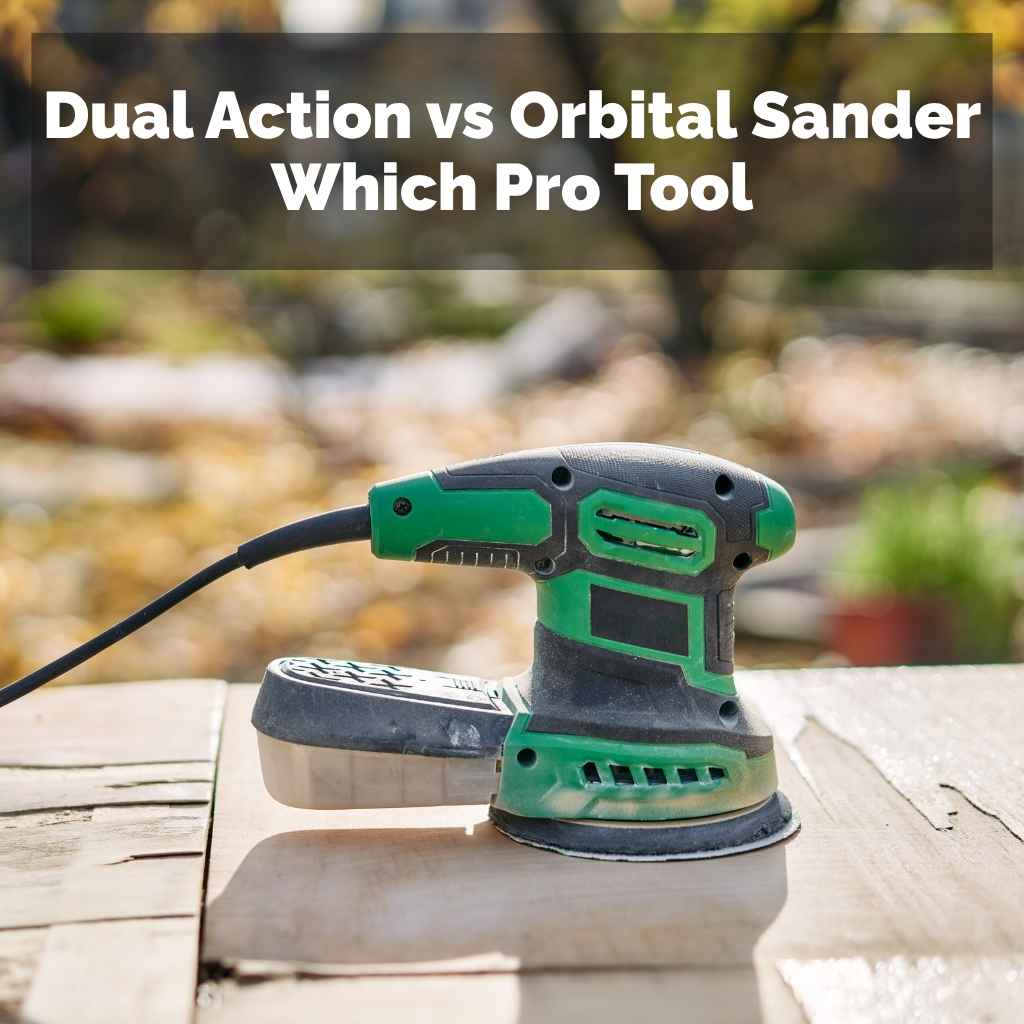
Dual Action vs Orbital Sander Which Pro Tool
Picking the right sander can feel tricky, especially when you first start woodworking or DIY projects. You see terms like “dual action” and “orbital” and wonder what’s different and which one will actually help you get the best finish for your work. It’s a common question that can stop you in your tracks.
But don’t worry, we’ll break it down simply. We’ll go through each type step-by-step so you can easily choose the perfect tool for your needs. Get ready to learn which sander is right for you.
Understanding Dual Action Sanders
This section explores what a dual action sander is and how it works. We will look at its key features and what makes it stand out from other sanders. Understanding the mechanics of a DA sander helps in appreciating its capabilities and limitations in various sanding tasks.
It’s a versatile tool that many professionals rely on for its finishing power.
What is a Dual Action Sander
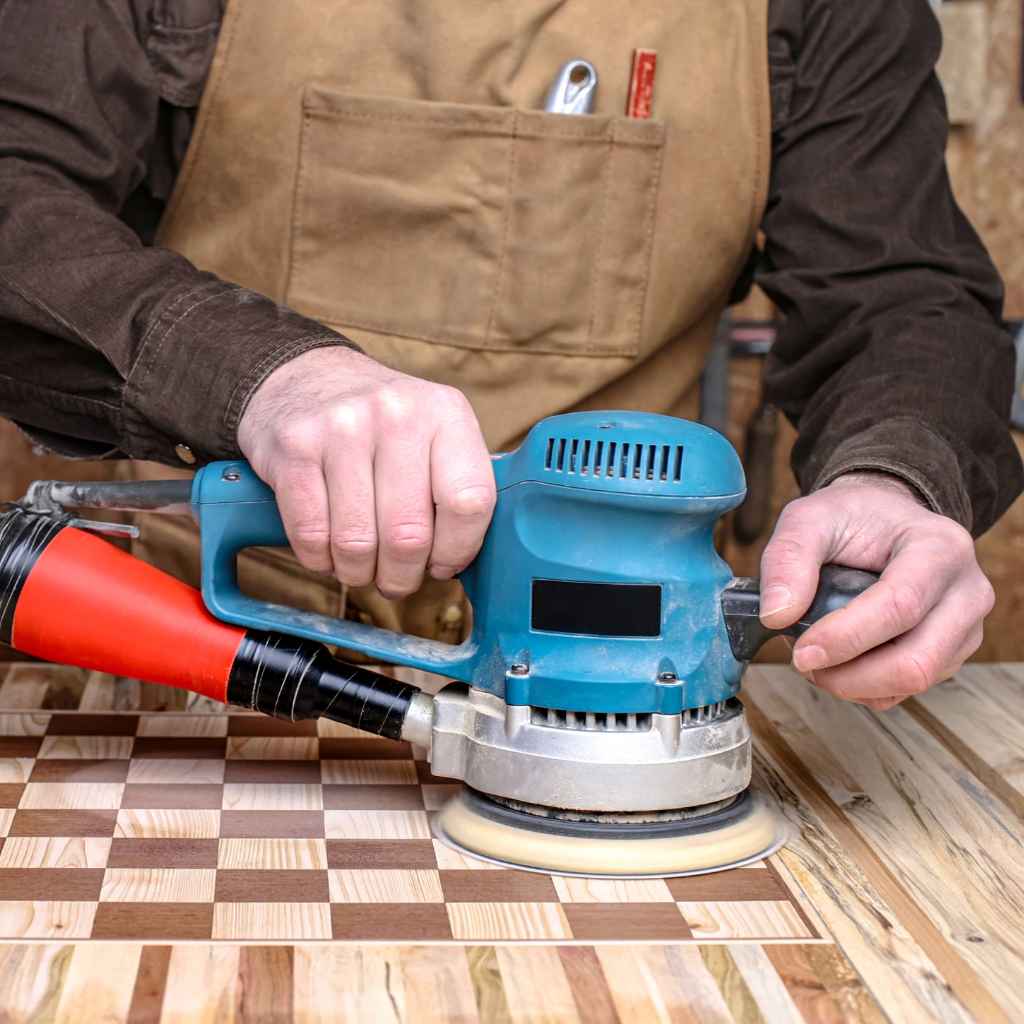
A dual action (DA) sander, also known as a random orbital sander, is a power tool that combines two types of motion to achieve a smooth sanding finish. This makes it very good at avoiding swirl marks, which are common with some other sanders. It’s a popular choice for both DIYers and professionals because it offers a good balance of power and control.
The sander’s pad spins in a circular pattern, much like a standard orbital sander. However, it also moves in a random orbital motion, meaning the pad moves in a slightly irregular oval pattern. This dual motion is what gives it its name and its effectiveness.
The random movement helps to prevent the sandpaper from creating consistent scratch patterns. This is key to getting a clean and smooth surface.
How Dual Action Sanders Work
The motor inside a dual action sander drives a spindle that holds the sanding pad. This spindle is attached to a mechanism that makes the pad spin. At the same time, another part of the mechanism causes the entire pad assembly to oscillate in a slightly random, elliptical path.
This combined movement is what gives the DA sander its unique sanding action.
The randomness of the orbital path is what prevents the sandpaper from digging into the wood in the same spot repeatedly. This is crucial for achieving a uniform scratch pattern across the surface. Without this random action, you would likely see visible circular or swirl marks on your project.
The speed of the spin and the size of the orbit can vary depending on the sander model, affecting the aggressiveness of the cut.
Key Features of Dual Action Sanders
Variable Speed Control
Many dual action sanders come with a dial or trigger that allows you to adjust the speed at which the pad spins and orbits. This is a very important feature. Lower speeds are better for delicate finishing work or when you want to avoid removing too much material.
Higher speeds are good for faster material removal, like when you’re dealing with rough surfaces or paint. Being able to control the speed lets you adapt the sander to different jobs and materials.
Most modern DA sanders have a built-in dust collection system. This usually involves a bag or a port that connects to a shop vacuum. Dust collection is vital for keeping your workspace clean and your lungs clear.
It also helps to keep the sandpaper from becoming clogged with dust, which allows it to cut more effectively for longer. A good dust collection system makes sanding a much more pleasant experience.
Ergonomic Design
Manufacturers design DA sanders with user comfort in mind. They often have rubber grips and balanced weight distribution. This helps reduce fatigue during long sanding sessions.
A comfortable sander allows you to maintain better control and apply consistent pressure. This leads to better results and reduces the risk of strain or injury.
When to Use a Dual Action Sander
Finishing Wood Furniture
For furniture making, a DA sander is excellent for preparing surfaces for paint or stain. It can smooth out rough lumber and remove old finishes quickly. The random orbital action ensures a smooth, swirl-free surface that is ready for the next step.
This is especially important for visible parts of furniture where a perfect finish is desired.
Auto Body Work
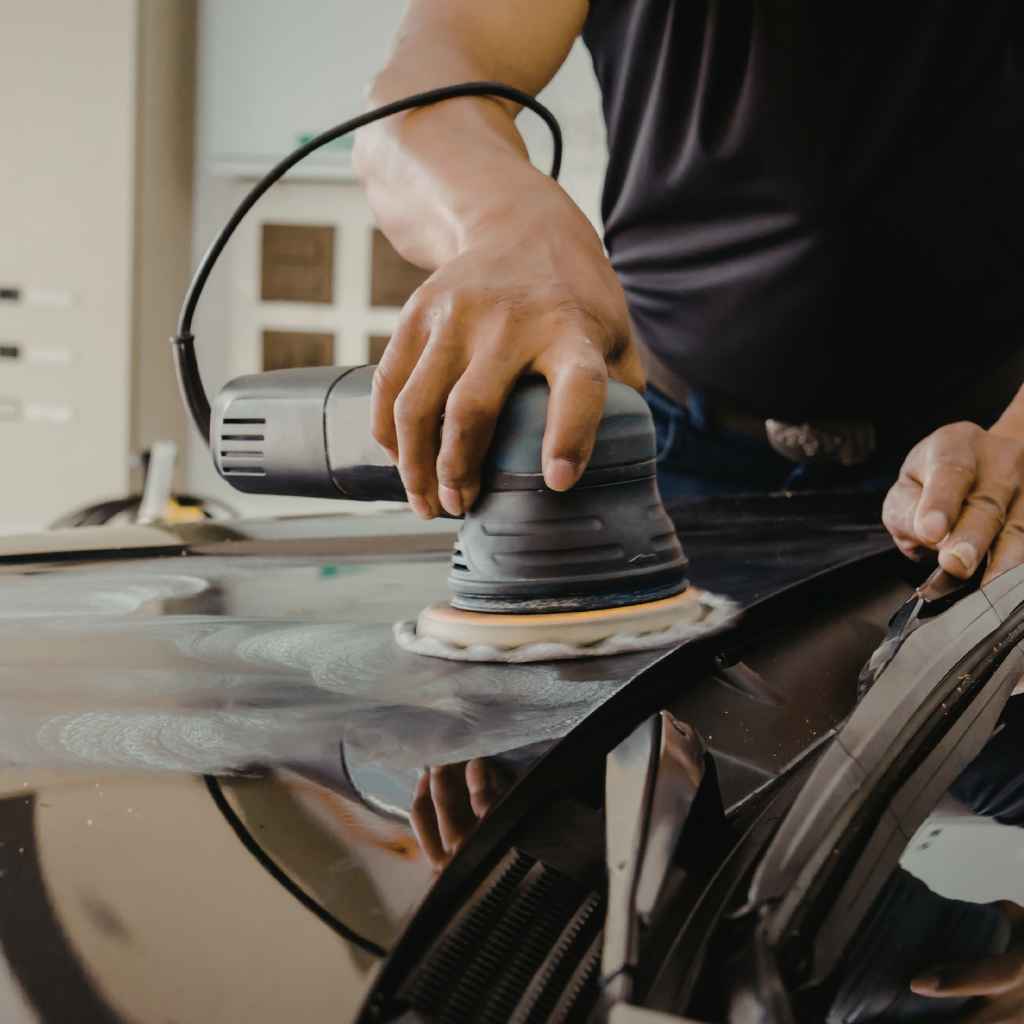
In the automotive industry, DA sanders are indispensable for sanding body filler, primer, and old paint. They are great for smoothing out repairs and preparing vehicles for painting. The ability to get a uniform finish without deep scratches is critical for a professional automotive paint job.
Auto body shops use these machines daily.
General Purpose Sanding
For many everyday tasks around the house, a DA sander is a solid choice. Whether you’re sanding a deck, refinishing a tabletop, or smoothing out drywall patches, its versatility makes it a go-to tool. It handles a wide range of materials and grit sizes effectively.
Exploring Orbital Sanders
This section focuses on orbital sanders, detailing their functionality, types, and common applications. We will clarify how they differ from dual action sanders and where their strengths lie. Understanding the nuances of orbital sanding is key to selecting the right tool for achieving specific surface finishes, particularly when swirl marks are not a primary concern.
What is an Orbital Sander
An orbital sander is a power tool that uses a square or rectangular sanding pad that moves in a small, oscillating circular pattern. This motion is often described as a random orbit, although it is typically more controlled than a true dual action sander. The primary purpose of this motion is to sand surfaces smoothly and efficiently.
Unlike a dual action sander, a basic orbital sander does not have the secondary random movement. The pad spins in a circle, and the entire pad assembly also moves in a circular or slightly elliptical pattern. This means that the sandpaper is always moving in a somewhat predictable path.
This can lead to visible swirl marks if not used carefully or if the grit is too coarse for the finishing stage.
Types of Orbital Sanders
Sheet Sanders (or Finishing Sanders)
These are the most basic type of orbital sander. They use sandpaper sheets that are typically cut to size or purchased pre-cut. The pad is usually rectangular.
They are designed for light-duty sanding and finishing work on flat surfaces. Because they use sheets, they are easy to load with sandpaper. They are good for final smoothing before painting or varnishing.
Random Orbital Sanders (DA Sanders)
While the term “orbital sander” can be used broadly, it often refers to the random orbital type, which is the dual action sander discussed previously. These sanders are more versatile and aggressive than basic sheet sanders. They use round sanding discs.
Their advantage is the combination of spinning and random orbital motion.
How Orbital Sanders Work
An orbital sander’s motor drives a mechanism that causes the sanding pad to move. In a standard orbital sander (sheet sander), the pad oscillates in a small circular pattern. The pad typically moves back and forth and side to side in a synchronized motion, creating a sanding pattern that is less likely to leave deep scratches than a belt sander.
The speed of oscillation and the diameter of the orbit are fixed on many basic orbital sanders. This means the sanding action is consistent. For random orbital sanders, there is an additional layer of random movement on top of the spinning action, making the sanding marks much less visible.
The goal of the orbital motion is to provide a smooth finish by ensuring the sandpaper covers the surface with a variety of scratch directions.
Key Features of Orbital Sanders
Compact and Lightweight Design
Many orbital sanders, especially sheet sanders, are designed to be small and easy to handle. This makes them ideal for working in tight spaces or for tasks that require you to hold the sander overhead for extended periods. Their light weight reduces user fatigue.
Simple Sandpaper Attachment
Sheet sanders typically use clips to hold sandpaper sheets in place. This makes changing sandpaper quick and simple. Random orbital sanders usually use hook-and-loop (Velcro) attachments for their round discs, which is also very fast and secure.
Good for Surface Prep
Orbital sanders are excellent for removing light coats of paint or varnish, smoothing out minor imperfections, and preparing surfaces for a final finish. They are less aggressive than belt sanders, making them safer for beginners. They provide a good balance between speed and control for many common tasks.
When to Use an Orbital Sander
Light Finishing Tasks
Orbital sanders are perfect for applying final sanding before painting or varnishing. They can smooth out surfaces after rougher sanding has been done. Their gentle action is ideal for achieving a smooth finish on new wood or preparing old surfaces.
Sanding Walls and Ceilings
The lightweight and compact nature of many orbital sanders makes them well-suited for sanding large, flat surfaces like walls and ceilings. They can efficiently remove imperfections or old wallpaper paste. For these jobs, a drywall sander (which is a type of orbital sander) is often used.
Removing Old Finishes
While not as aggressive as a belt sander, an orbital sander can effectively remove layers of paint, varnish, or stain from furniture and other items. Using a coarser grit sandpaper will speed up this process. It’s a good choice when you want to strip a surface without risking deep gouges.
Dual Action vs Orbital Sander Which Pro Tool Do You Need
Now let’s directly compare the Dual Action vs Orbital Sander: Which Pro Tool Do You Need? This is where we bring together what we’ve learned. We’ll highlight the key differences and help you decide which tool best fits your specific projects.
Choosing correctly saves time and ensures you get the finish you want without unnecessary frustration.
Key Differences Between DA and Orbital Sanders
The main difference lies in the sanding motion. A basic orbital sander’s pad spins and moves in a synchronized circular pattern. This can leave noticeable swirl marks if you aren’t careful.
A dual action sander, on the other hand, not only spins but also moves in a random, elliptical orbit. This random motion breaks up the scratch pattern, making it much harder to see any marks left behind.
Another significant difference is their aggressiveness. DA sanders are generally more aggressive due to their random orbital action, allowing for faster material removal. Basic orbital sanders are milder and better suited for light finishing.
This makes DA sanders more versatile for a wider range of tasks, from initial shaping to final polishing, while basic orbital sanders excel at the final stages of finishing.
Performance Comparison
When comparing performance, consider the finish quality and speed. A DA sander will produce a smoother finish with fewer visible scratches on wood than a basic orbital sander. This is because the random motion prevents consistent scoring of the wood.
For tasks where a swirl-free finish is paramount, like painting car bodies or fine woodworking, the DA sander is superior.
In terms of speed, a DA sander can often remove material faster than a basic orbital sander. This is due to its more aggressive cutting action. However, this also means you need to be more careful with a DA sander to avoid removing too much material or creating gouges.
A basic orbital sander is slower but offers more control for delicate work.
Project Suitability
Choosing between a Dual Action vs Orbital Sander: Which Pro Tool Do You Need? depends heavily on your projects. For woodworking, fine furniture, and automotive finishing, where swirl-free surfaces are critical, a DA sander is often the better choice.
It can handle everything from rough stock preparation to a glass-smooth finish.
If your projects involve lighter sanding, such as preparing drywall for paint, smoothing out minor imperfections on walls, or light furniture touch-ups, a basic orbital sander might be sufficient. They are generally less expensive and easier to handle for less demanding tasks. For very basic tasks, a sheet sander is a good entry-level option.
| Feature | Dual Action Sander | Orbital Sander (Sheet/Finishing) |
|---|---|---|
| Sanding Motion | Spinning + Random Orbital | Spinning + Synchronized Orbital |
| Finish Quality | Very Smooth, Swirl-Free | Good, but can leave visible swirls |
| Material Removal | Aggressive, Faster | Milder, Slower |
| Best For | Woodworking, Auto Body, Fine Finishes | Wall sanding, Light finishing, Minor touch-ups |
| Ease of Use (Beginner) | Moderate (requires care) | Easy |
| Cost | Generally Higher | Generally Lower |
Cost and Value
Generally, dual action sanders tend to be more expensive than basic orbital sanders. This is due to their more complex mechanism and advanced features like variable speed control and superior dust collection. However, for professionals or serious hobbyists, the increased efficiency, better finish, and versatility of a DA sander often justify the higher cost.
For someone just starting out or with occasional, light-duty sanding needs, a more affordable orbital sander can provide good value. It’s important to consider the volume and type of work you anticipate doing. Investing in a tool that fits your needs will save you time and frustration in the long run, regardless of the initial price tag.
Sample Scenarios
Scenario 1: Refinishing a Wooden Table
You’ve found an old wooden table and want to restore it. The old varnish is chipped and peeling. You’ll need to remove the old finish and then smooth the wood before applying a new stain.
For removing the bulk of the old varnish, you might start with a coarser grit on a DA sander to speed things up. Then, switch to a finer grit on the same DA sander to get a perfectly smooth surface, free of swirls, ready for staining. A basic orbital sander could do this too, but it might take longer and require more care to avoid visible marks.
Scenario 2: Painting a Bedroom Wall
You’re redecorating your bedroom and need to smooth out some minor imperfections on the walls before painting. There are a few bumps and rough spots from old nails.
In this case, a lightweight orbital sander or a dedicated drywall sander would be ideal. These tools are easy to maneuver on walls and ceilings, and their less aggressive action is perfect for smoothing drywall compound without damaging the surface. A DA sander could be used, but it’s often overkill and might be heavier and less comfortable for this type of task.
Choosing Your Pro Tool
This section guides you through the decision-making process for Dual Action vs Orbital Sander: Which Pro Tool Do You Need? We will summarize the key points to help you make an informed choice based on your personal needs and the types of projects you plan to undertake. The goal is to equip you with the knowledge to confidently select the right sander.
Factors to Consider
Project Type and Frequency
Consider what you will be sanding most often. If it’s woodworking, furniture restoration, or automotive work that requires a high-quality finish, a dual action sander is likely your best bet. For less demanding tasks like drywall prep or light finishing on small items, a standard orbital sander might be enough.
Think about how often you’ll be sanding. If it’s a daily or weekly activity, investing in a more capable tool like a DA sander makes sense.
Desired Finish Quality
If you’re aiming for a flawless, swirl-free finish, a dual action sander is almost always the superior choice. The random orbital motion is specifically designed to prevent visible scratch patterns. If minor swirl marks are not a major concern, or if you plan to use very fine grits and follow up with hand sanding, a standard orbital sander can still produce good results.
Budget and Experience Level
Orbital sanders, especially sheet sanders, are generally more affordable and easier for beginners to use without causing damage. Dual action sanders, while more expensive, offer greater versatility and a professional finish. If you’re on a tight budget and have limited experience, starting with a basic orbital sander might be a wise decision before upgrading later.
Recommendations Based on User Type
For the DIY Enthusiast
If you tackle a variety of home improvement projects, from refinishing furniture to sanding cabinets, a dual action sander will serve you well. Its versatility means you can use it for rough material removal and fine finishing. You’ll get great results on wood projects.
For the Professional Woodworker
For those who sand frequently and demand the best finish, a high-quality dual action sander is essential. It’s a workhorse tool that can handle daily use and deliver consistent, professional results on all types of wood. Consider models with strong dust collection.
For the Occasional User
If sanding is not a frequent activity for you, and your projects are mostly light touch-ups or preparing walls for paint, a standard orbital sander (sheet sander) is a practical and budget-friendly option. It will get the job done for basic needs without unnecessary complexity.
Frequently Asked Questions
Question: What is the main difference between a dual action sander and an orbital sander
Answer: The main difference is how the sanding pad moves. A dual action sander spins and also moves in a random orbital pattern to prevent swirl marks. A basic orbital sander spins and moves in a synchronized circular pattern, which can leave visible swirls if not used carefully.
Question: Can I use a dual action sander for light finishing tasks
Answer: Yes, you can. By adjusting the speed to a lower setting and using finer grit sandpaper, a dual action sander can be used effectively for light finishing tasks.
Question: Which type of sander is better for beginners
Answer: For absolute beginners, a standard orbital sander (like a sheet sander) is often recommended because it is less aggressive and easier to control, reducing the risk of damaging the workpiece.
Question: Do dual action sanders collect dust well
Answer: Most modern dual action sanders come with effective dust collection systems, either with a bag or a port for connecting to a shop vacuum. This helps keep your workspace clean.
Question: Will an orbital sander leave swirl marks on wood
Answer: Yes, a standard orbital sander can leave swirl marks, especially if used with coarser grits or if the sanding pattern is not varied. Dual action sanders are designed to minimize or eliminate these marks.
Final Thoughts
Deciding between a Dual Action vs Orbital Sander: Which Pro Tool Do You Need? comes down to your specific projects and desired finish. A dual action sander offers superior swirl-free results for woodworking and automotive needs.
For lighter tasks or beginner projects, a standard orbital sander is a simpler, more affordable option. Choose wisely based on your work.