Eastern Red Cedar vs Western Red Cedar: Best Choice
Picking between Eastern Red Cedar vs Western Red Cedar: Best Local Choice can feel tricky when you’re just starting out. People often wonder which one is truly the best fit for their needs, especially when they hear different opinions. Don’t worry, it’s not as complicated as it seems!
We’re going to break it down in a simple way, step by step. Get ready to learn how to make the right pick easily.
Eastern Red Cedar vs Western Red Cedar Key Differences
This section explores the fundamental distinctions between Eastern Red Cedar and Western Red Cedar. We will look at their origins, growth habits, and the unique characteristics that set them apart. Understanding these core differences is the first step in determining which cedar is the best local choice for your specific project.
It lays the groundwork for appreciating their applications and benefits.
Botanical Classification and Origin
Eastern Red Cedar, scientifically known as Juniperus virginiana, is actually a juniper, not a true cedar. It is native to eastern North America, spanning from southeastern Canada down to the Gulf of Mexico and as far west as Texas. This adaptable tree thrives in a wide variety of soil types and is very drought-tolerant once established.
Its widespread distribution means it is often readily available in many local markets across its native range.
Western Red Cedar, or Thuja plicata, is a true cedar and is native to western North America, primarily along the Pacific coast from Alaska down to northern California. It prefers moist, well-drained soils and thrives in coastal climates with ample rainfall. Its impressive size and longevity are hallmarks of its natural habitat, contributing to its reputation for durability and beauty in woodworking and construction.
Growth Habits and Appearance
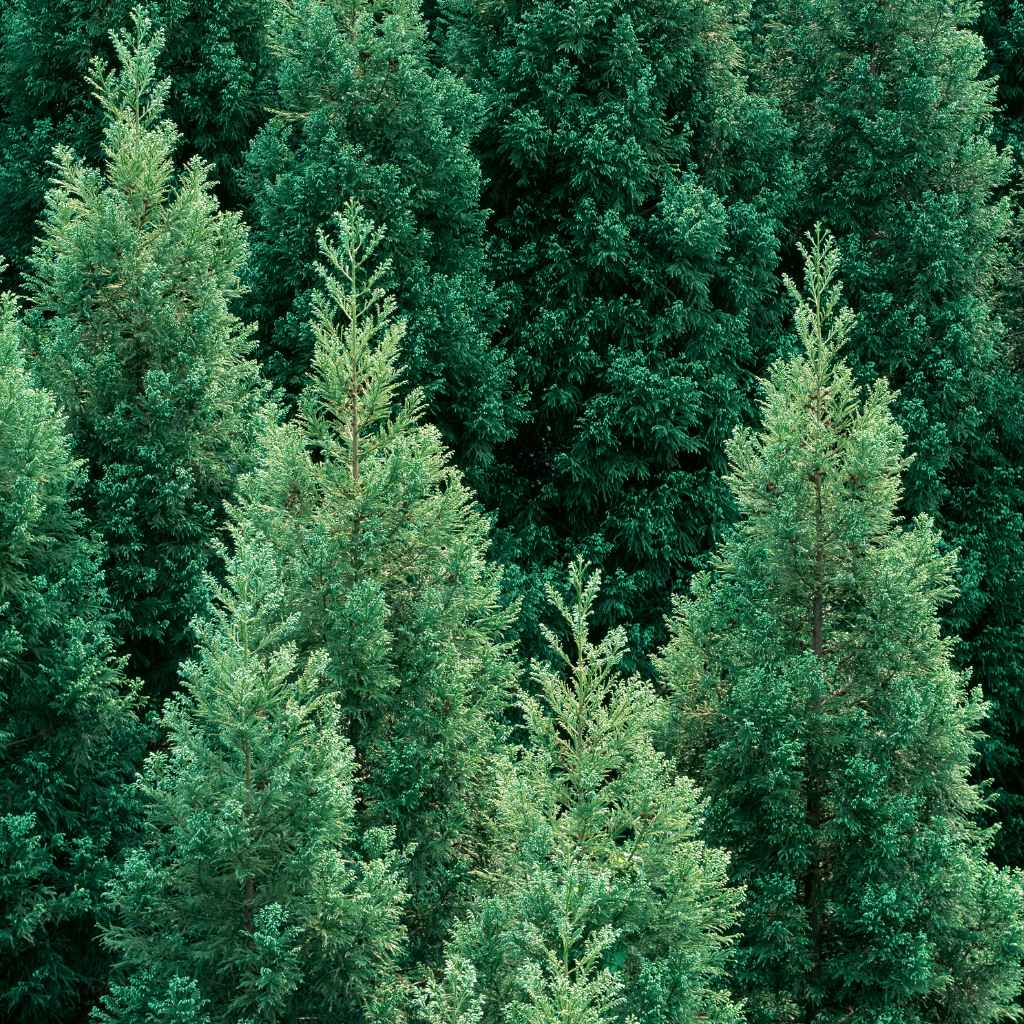
Eastern Red Cedar typically grows into a medium-sized tree, often reaching heights of 30 to 60 feet, with a relatively narrow, pyramidal or columnar shape. Its foliage is scale-like and awl-shaped, usually a dark green, sometimes with a reddish-bronze tint in winter. The wood itself is reddish-brown heartwood with a pale, creamy sapwood, known for its distinct, pleasant aroma.
It tends to be knotty, which can be a characteristic feature in certain applications.
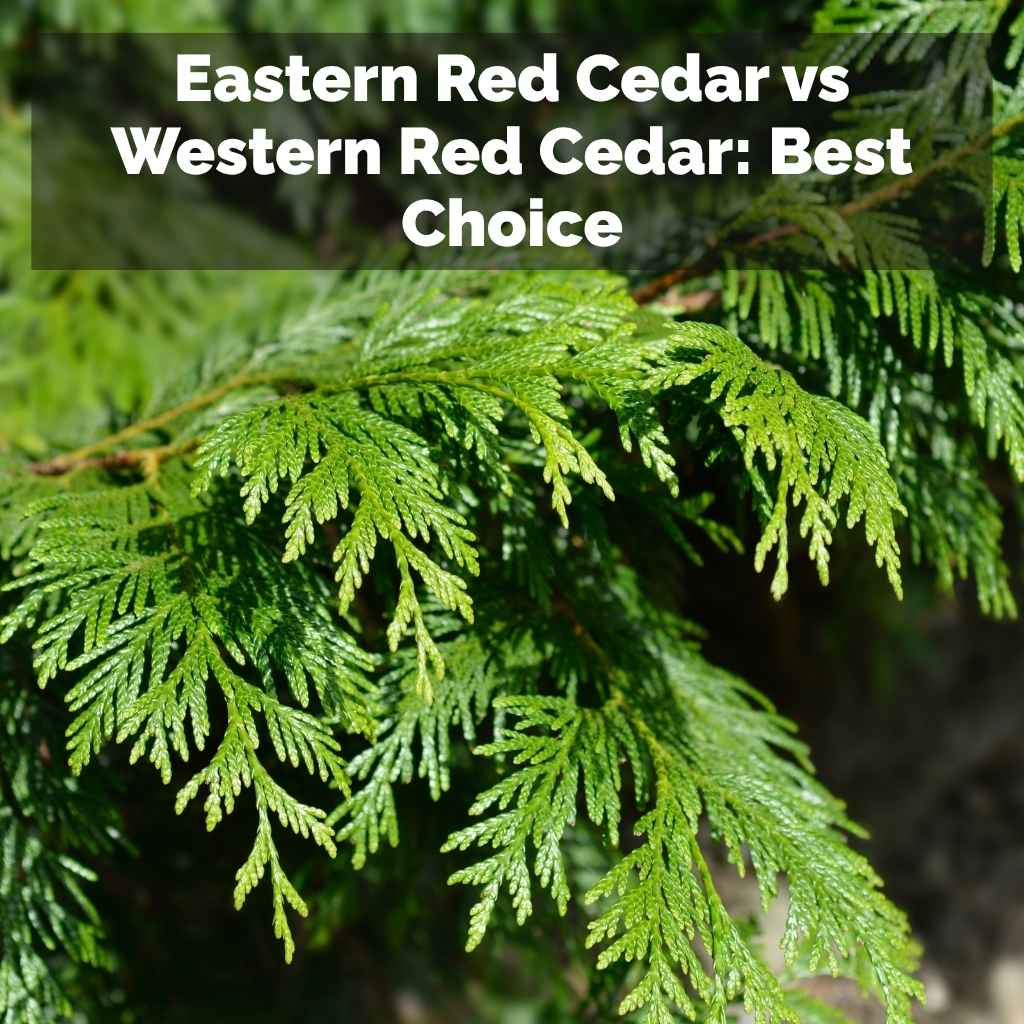
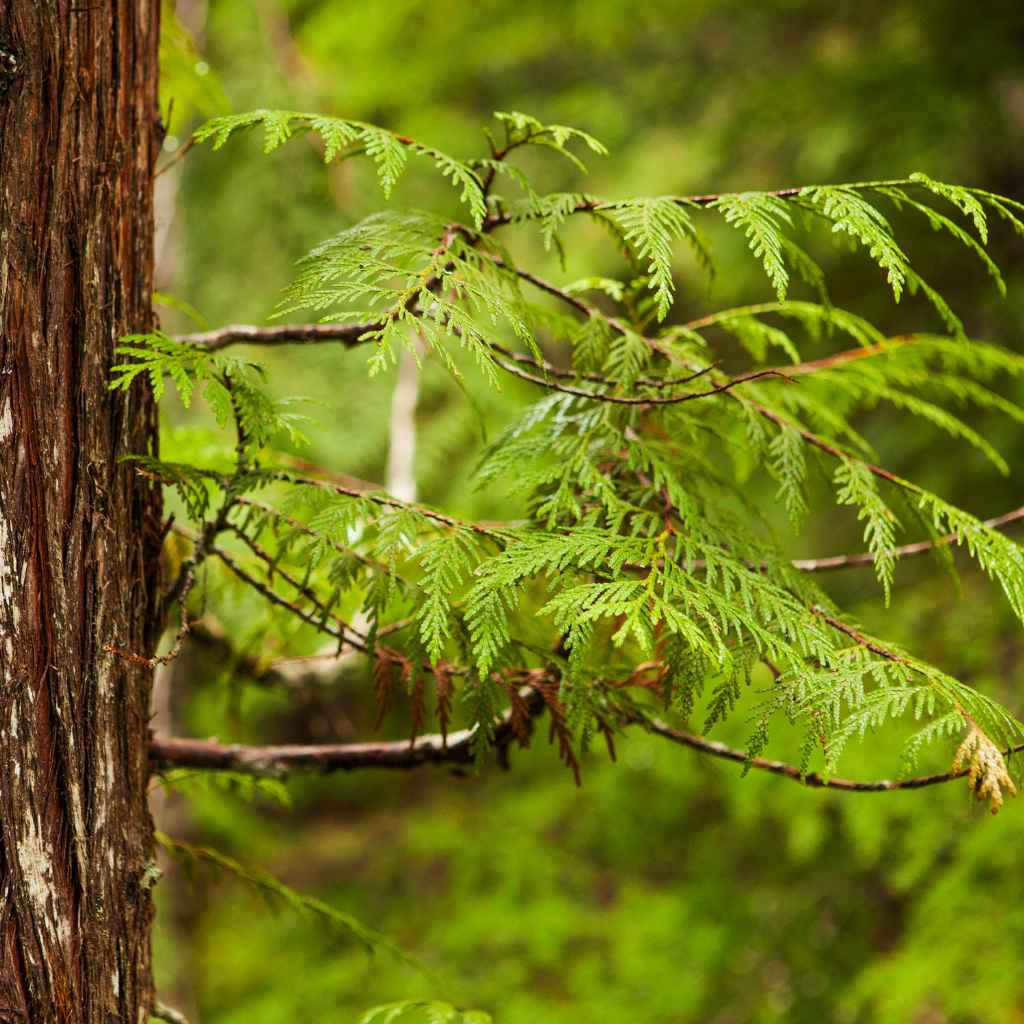
Western Red Cedar is a much larger tree, capable of growing over 200 feet tall with a massive trunk diameter. Its crown is often irregular and spreading. The foliage consists of flat, fragrant, scale-like leaves arranged in flattened sprays, giving it a distinct lacy appearance.
The wood is a beautiful reddish-brown, often with a consistent grain and few knots, making it highly sought after for its appearance and workability.
Wood Properties and Characteristics
The wood of Eastern Red Cedar is prized for its natural resistance to insects and decay, making it excellent for closet lining, chests, and outdoor furniture. It is relatively soft and lightweight, with a tendency to warp if not properly seasoned. Its aromatic quality is a major selling point, deterring moths and imparting a fresh scent.
Despite its knotty nature, it is easily worked with hand and machine tools.
Western Red Cedar wood is renowned for its exceptional durability, dimensional stability, and resistance to rot and insect attack, even in damp conditions. It is lightweight yet strong, with a fine, even texture that finishes beautifully. This makes it ideal for exterior applications like siding, decking, and shingles, as well as for interior paneling and furniture where its natural beauty can be showcased.
Its pleasing aroma is less pronounced than Eastern Red Cedar.
Applications of Eastern Red Cedar
Eastern Red Cedar shines in specific applications where its unique properties are most beneficial. Its aromatic quality and natural pest resistance make it a popular choice for items intended to protect clothing and linens. We’ll explore these uses and discuss why it’s often a go-to option for certain projects, highlighting its economic and practical advantages in its native regions.
Closet Lining and Moth Repellent
The most famous application for Eastern Red Cedar is lining closets and chests. Its strong, natural aroma is a potent repellent for moths and other fabric pests. This means you can store woolens, furs, and other sensitive items with confidence, knowing they are protected without the need for artificial chemicals.
The scent is not only functional but also pleasant, adding a fresh smell to stored items.
This natural repellent property is a key reason why many homeowners opt for cedar planks or panels in their wardrobes. The volatile oils released by the wood are believed to disrupt the life cycle of these pests. Unlike synthetic repellents that can dissipate or leave residue, the cedar’s aroma can last for years, and its effectiveness can often be renewed by light sanding.
Outdoor Furniture and Fencing
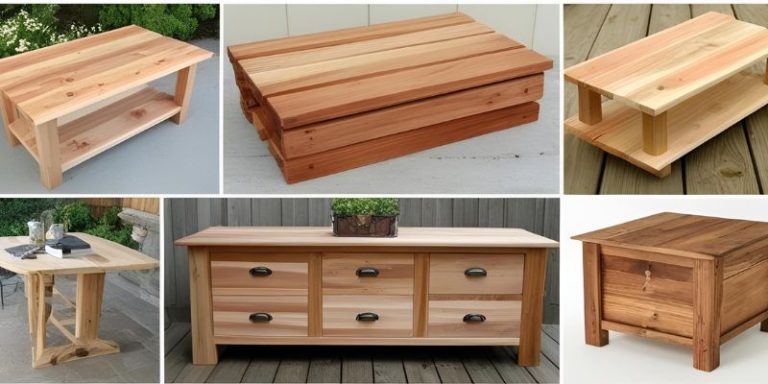
Eastern Red Cedar’s natural resistance to decay and insects makes it a suitable choice for certain outdoor applications, particularly where longevity is not the absolute highest priority or where cost is a factor. It can be used for crafting rustic outdoor furniture, picnic tables, and even fence posts. While not as durable as some other woods for ground contact, it performs well when exposed to the elements above ground.
When used outdoors, Eastern Red Cedar typically weathers to a silvery-gray color. It can be sealed or finished to extend its life and enhance its appearance. For projects where a more robust and long-lasting outdoor solution is needed, other woods might be considered, but for decorative or less demanding outdoor uses, it offers an attractive and aromatic option.
Crafts and Small Projects
The distinctive color and aroma of Eastern Red Cedar also make it a popular material for smaller craft projects. Woodworkers often use it for making decorative boxes, birdhouses, coasters, and other small items. Its ease of working makes it accessible for hobbyists.
The visual appeal of its reddish-brown heartwood combined with the pale sapwood adds a unique charm to handcrafted goods.
The scent it imparts is often a desirable feature for these items, making them more appealing as gifts or decorative pieces. For small woodworking projects, the tendency for Eastern Red Cedar to be knotty is often seen as a character trait rather than a defect, adding to the rustic appeal.
Sample Scenario: Building a Cedar Chest
- Select planks of Eastern Red Cedar, ensuring they are at least 3/4 inch thick for good insulation and aroma retention.
- Cut the planks to the desired dimensions for the sides, top, and bottom of the chest. Ensure joints are tight to maximize the aromatic effect and prevent pest entry.
- Assemble the chest using durable joinery techniques, such as dovetails or strong screws and glue. Consider adding a well-fitting lid to seal in the aroma.
- Lightly sand the interior surfaces to release the natural oils and enhance the moth-repelling scent. Avoid heavy finishing on the inside that might mask the aroma.
- The finished chest will not only store items safely but also impart a pleasant, natural fragrance to its contents.
Applications of Western Red Cedar
Western Red Cedar stands out for its exceptional performance in demanding applications, particularly those exposed to the elements. Its inherent durability, stability, and resistance to decay and insects make it a premium choice for construction and finishing projects where longevity and aesthetic appeal are paramount. We will now delve into its primary uses.
Siding and Exterior Cladding
One of the most common and admired uses of Western Red Cedar is for exterior siding and cladding. Its natural oils make it incredibly resistant to moisture, decay, and insect damage, ensuring a long lifespan even in harsh weather conditions. It holds finishes very well and can be left to weather to a natural silver-gray, or it can be stained or painted to match any architectural style.
The stability of Western Red Cedar means it expands and contracts minimally with changes in humidity, reducing the risk of cracking or warping, which is a common problem with many other wood species used outdoors. This dimensional stability contributes to its longevity and low maintenance requirements for exterior applications.
Decking and Outdoor Structures
The durability and natural resistance to rot and insects make Western Red Cedar an excellent material for decking, patios, and other outdoor structures like pergolas and gazebos. It remains cooler underfoot compared to some composite materials, and its natural beauty adds significant curb appeal to any property. Its pleasant aroma, though milder than Eastern Red Cedar, adds to the outdoor experience.
When used for decking, Western Red Cedar offers a warm, inviting feel that is hard to replicate. It is relatively easy to work with, allowing for intricate designs and comfortable finishes. Proper installation and occasional cleaning will ensure its beauty and function for decades.
Roofing Shingles and Shakes
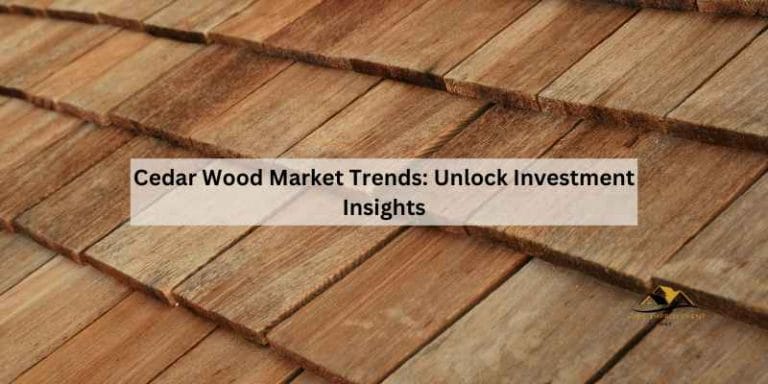
Historically and currently, Western Red Cedar is a premier choice for roofing shingles and shakes. These provide a beautiful, natural roofing solution that is also highly effective at insulating and protecting a building. The wood’s natural oils and structure contribute to its fire resistance and its ability to withstand extreme weather, including heavy snow and strong winds.
Cedar shakes and shingles offer a unique aesthetic that enhances the character of a home. They are lightweight, reducing structural load, and possess excellent thermal properties. While they require maintenance, their lifespan can be exceptionally long, often exceeding 50 years with proper care.
Interior Paneling and Trim
Beyond exterior uses, Western Red Cedar is also highly valued for interior applications such as paneling, trim, and decorative accents. Its rich color, fine grain, and pleasant aroma can transform any interior space into a warm and inviting environment. It is often used in saunas, bathrooms, and living areas to create a luxurious and natural feel.
The wood’s stability and resistance to warping make it ideal for detailed millwork and trim. It takes stains and finishes beautifully, allowing for a wide range of aesthetic possibilities. The natural scent can also contribute to a relaxing atmosphere in indoor spaces.
Case Study: A Pacific Northwest Deck Renovation
A homeowner in Seattle, Washington, decided to
The project involved dismantling the old deck and installing new Western Red Cedar joists, decking boards, and railings. The builders noted how easily the lumber cut and fastened, despite its density. The resulting deck was not only structurally sound but also visually stunning, with the rich reddish-brown color of the cedar enhancing the backyard’s appeal.
Three years later, the deck shows no signs of rot or insect damage, even with minimal maintenance beyond annual cleaning. The homeowner reports that the surface remains comfortable underfoot and has maintained its beautiful appearance, weathering slightly to a soft gray in exposed areas. This project demonstrated the long-term value and performance of Western Red Cedar in a challenging coastal climate.
Comparison Table: Eastern Red Cedar vs. Western Red Cedar
| Feature | Eastern Red Cedar (Juniperus virginiana) | Western Red Cedar (Thuja plicata) |
|---|---|---|
| Native Region | Eastern North America | Western North America (Pacific Coast) |
| Tree Size | Medium (30-60 ft) | Large to Very Large (up to 200+ ft) |
| Wood Color | Reddish-brown heartwood, pale sapwood | Reddish-brown, can have a golden hue |
| Aroma | Strong, distinct moth-repelling scent | Pleasant, less pronounced scent |
| Durability | Good insect and decay resistance | Excellent insect and decay resistance, highly durable |
| Stability | Can be prone to warping | Highly stable, minimal expansion/contraction |
| Primary Uses | Closet lining, chests, crafts, some outdoor items | Siding, decking, roofing, interior paneling, outdoor structures |
| Cost (General) | Often more affordable in its native regions | Generally more expensive due to desirable properties and harvesting |
Choosing the Best Local Choice
Deciding between Eastern Red Cedar and Western Red Cedar ultimately depends on your specific project needs, local availability, and budget. This section will guide you through the decision-making process, helping you identify which cedar is the best local choice for you. We will consider factors like where you live and what you plan to build.
Availability and Cost Considerations
The concept of “best local choice” is heavily influenced by what is readily available and reasonably priced in your geographic area. If you live in the eastern United States, Eastern Red Cedar is likely to be more accessible and less expensive due to its native distribution. Lumberyards and sawmills in these regions will typically stock it.
Conversely, if you are located in the western United States or Canada, particularly the Pacific Northwest, Western Red Cedar will be more abundant and potentially more cost-effective. Its global popularity means it is shipped widely, but local sourcing often reduces transportation costs and environmental impact. Always check with local lumber suppliers for current pricing and availability.
Matching Wood to Project Requirements
Your project’s demands are the most critical factor. For interior applications like closet lining where the primary goal is insect repellency and aroma, Eastern Red Cedar is an excellent and often more budget-friendly option. Its strong scent is its key advantage here.
However, if your project involves exterior use, such as siding, decking, or structural components that need to withstand harsh weather and require maximum longevity and stability, Western Red Cedar is generally the superior choice. Its inherent durability and resistance to moisture and decay are unmatched for these demanding applications. For high-end interior finishes where a fine grain and superior stability are desired, Western Red Cedar also excels.
Environmental Impact and Sustainability
When considering the “best local choice,” it’s also worth thinking about the environmental impact. Sourcing wood from local forests, whether it’s Eastern or Western Red Cedar, generally reduces the carbon footprint associated with transportation. Both species are relatively sustainable when harvested responsibly from managed forests.
Look for certifications from organizations like the Forest Stewardship Council (FSC) to ensure the wood you are purchasing comes from responsibly managed sources. This practice supports healthy forest ecosystems and ensures the long-term availability of these beautiful wood resources for future generations. Local sourcing, when possible, further supports regional economies and reduces the energy required for transport.
Sample Scenario: Selecting Wood for a Backyard Fence
- Assess the climate: Is it consistently wet, dry, or does it experience significant temperature fluctuations?
- Determine desired lifespan: Do you want a fence that lasts 10 years or 30+ years?
- Check local availability: What types of cedar are commonly sold by lumberyards in your area? What are their prices?
- Consider aesthetics: Do you prefer a strong aroma or a more subtle scent? Is a fine, clear grain important, or are knots acceptable?
- Make the choice: For a long-lasting, rot-resistant fence in a damp climate, Western Red Cedar is the preferred choice if available. If budget is a primary concern and the climate is less severe, Eastern Red Cedar might suffice, especially if posts are treated or protected from direct ground contact.
Frequently Asked Questions
Question: Is Eastern Red Cedar better than Western Red Cedar for outdoor decks?
Answer: Generally, Western Red Cedar is considered superior for outdoor decks due to its exceptional durability, stability, and resistance to rot and insects in humid conditions. Eastern Red Cedar can be used but is less resilient to prolonged moisture exposure.
Question: Which cedar is better for closet lining?
Answer: Eastern Red Cedar is typically preferred for closet lining because of its strong, distinct aroma that naturally repels moths and other insects.
Question: Can I use Eastern Red Cedar for outdoor furniture?
Answer: Yes, Eastern Red Cedar is suitable for outdoor furniture, especially for pieces that are not in constant contact with the ground. Its natural resistance to decay and insects is beneficial, though it may not last as long as Western Red Cedar in harsh environments.
Question: Is Western Red Cedar more expensive than Eastern Red Cedar?
Answer: Typically, Western Red Cedar is more expensive due to its larger size, desirable properties for high-demand applications like siding and decking, and often longer transport distances for many consumers.
Question: Are both types of cedar aromatic?
Answer: Yes, both types of cedar are aromatic, but Eastern Red Cedar has a much stronger and more distinct scent, which is its primary benefit for insect repellency.
Summary
Choosing between Eastern Red Cedar and Western Red Cedar depends on your project’s needs. Eastern Red Cedar is great for indoor pest control and crafts with its strong scent. Western Red Cedar excels in outdoor applications like siding and decking due to its superior durability and stability.
Always consider local availability and cost to find your best local choice.