Electric Planer Vs Hand Planer Expert Guide
Choosing between an electric planer and a hand planer can feel tricky when you’re starting out in woodworking. It’s a common question because both tools do similar jobs, but in very different ways. Don’t worry, though!
We’re going to break it down simply, step by step, so you can feel confident about what works best for your projects. Let’s get into the details of Electric Planer vs Hand Planer: Expert Woodworking Guide.
Electric Planer Vs Hand Planer For Woodworking
This section explores the core differences between electric and hand planers, focusing on how each tool functions and the types of woodworking tasks they are best suited for. Understanding these fundamental distinctions is the first step to making an informed decision for your workshop. We’ll look at their power sources, how they remove wood, and the kind of finish they typically leave.
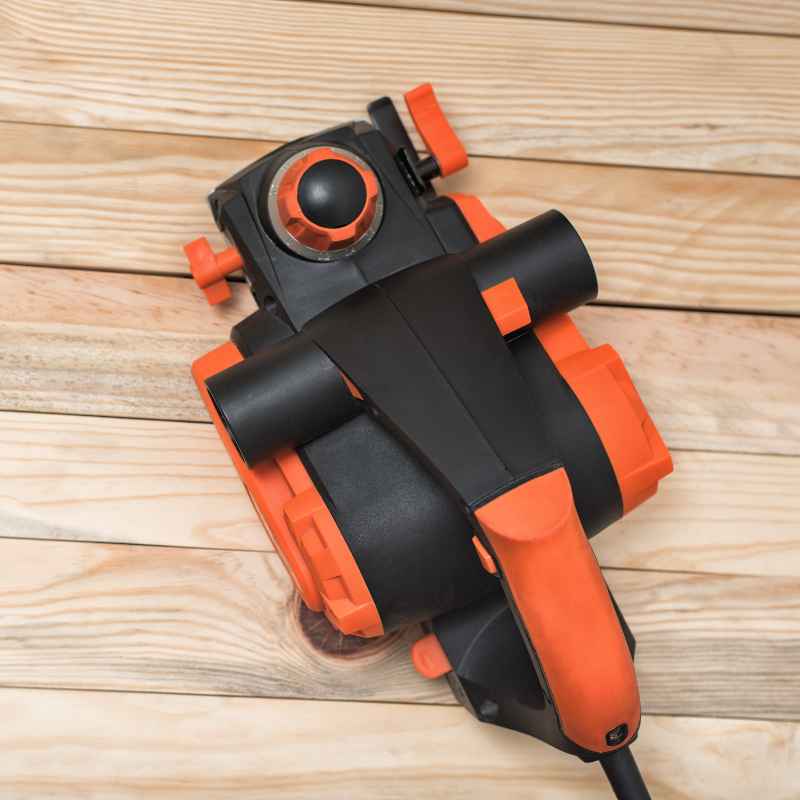
How Electric Planers Work
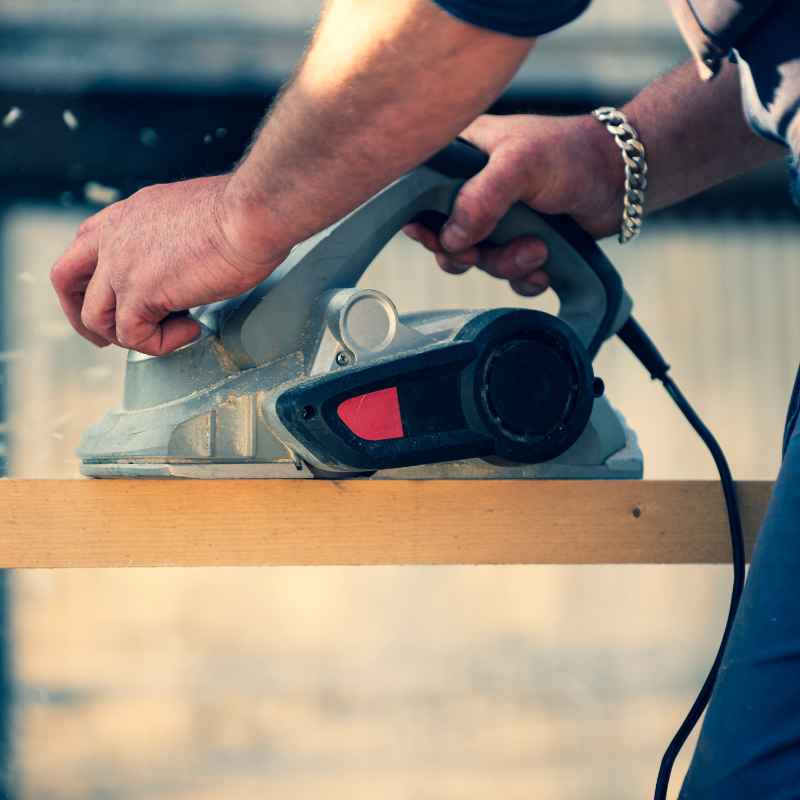
Electric planers use a motor to spin blades at high speed. This spinning action shaves off wood very quickly. They are powered by electricity, either from a cord plugged into the wall or from a battery.
This makes them powerful tools for removing a lot of material fast. They are great for flattening large surfaces or shaping bigger pieces of wood.
The motor’s power is measured in amps or watts, with higher numbers meaning more cutting force. The blades are usually set in a rotating drum. As the tool moves across the wood, the blades make contact and slice away thin layers.
The depth of cut can be adjusted, allowing for fine-tuning the amount of material removed.
-
Motor Power and Speed: The engine’s strength is important. More powerful motors can handle tougher woods and deeper cuts without bogging down. The speed at which the blades spin also affects the finish; faster speeds generally lead to a smoother surface.
-
Blade Design and Material: Electric planers typically use two or three high-speed steel (HSS) blades. These blades are sharp and durable. Some models offer carbide-tipped blades for even longer life and better performance on hardwoods. The sharpness of the blades is key to a good cut.
-
Ergonomics and Ease of Use: Electric planers are designed for efficient use. They have handles for grip and control. Many models are relatively lightweight, making them manageable for extended periods. Their automatic action means less physical effort is required compared to hand planers.
How Hand Planers Work
Hand planers, also called bench planes or hand woodworking planes, rely on manual force to work. You push the tool along the wood, and a sharp blade, called a “iron” or “bit,” shaves off wood. These tools have been used for centuries and offer a very direct feel for the wood.
They require physical effort but give you great control.
The blade is set at an angle in a body, usually made of wood or metal. When you push the planer, the blade cuts into the wood. The depth of the cut is controlled by adjusting how far the blade sticks out from the sole of the plane.
This adjustment is often done with a small knob or lever.
-
Blade Setting and Depth Control: The iron’s angle and how far it protrudes from the sole determine the cut. A finer adjustment means a thinner shaving, which is great for smoothing and achieving a very refined surface. This manual control is a hallmark of hand planing.
-
Body Material and Weight: Hand planes can be made from wood (like beech or maple) or metal (like cast iron). Metal planes are heavier, which can help them glide smoothly and provide momentum. Wooden planes are lighter and offer a different tactile feel.
-
User Skill and Technique: Using a hand plane well takes practice. It involves learning how to push evenly, maintain a consistent angle, and adjust the blade precisely. This skill allows for a high degree of artistry and control over the wood.
Comparison Of Key Features
Let’s put them side-by-side to see how they stack up.
| Feature | Electric Planer | Hand Planer |
|---|---|---|
| Power Source | Electricity (corded or battery) | Manual force |
| Speed of Material Removal | Very Fast | Slow to Moderate |
| Control Level | Good, but less direct | Exceptional, very direct |
| Surface Finish | Can be good, may require sanding | Often very smooth, can be glass-like |
| Physical Effort | Low to Moderate | Moderate to High |
| Portability | Varies, battery models are portable | Highly portable |
| Cost (Initial) | Moderate to High | Low to Moderate |
Benefits of Electric Planers
Electric planers are powerhouses that can significantly speed up certain woodworking tasks. Their primary advantage is efficiency, making them ideal for projects where material removal is a major component. They can tackle large boards and rough lumber with ease, transforming them into usable stock much faster than hand tools alone.
These tools excel at taking down high spots, flattening warped boards, and chamfering edges quickly. For woodworkers who need to process a lot of lumber or work on larger projects, the time savings offered by an electric planer are substantial. This increased speed translates to getting more done in less time, which is valuable for both hobbyists and professionals.
Efficiency and Speed in Woodworking
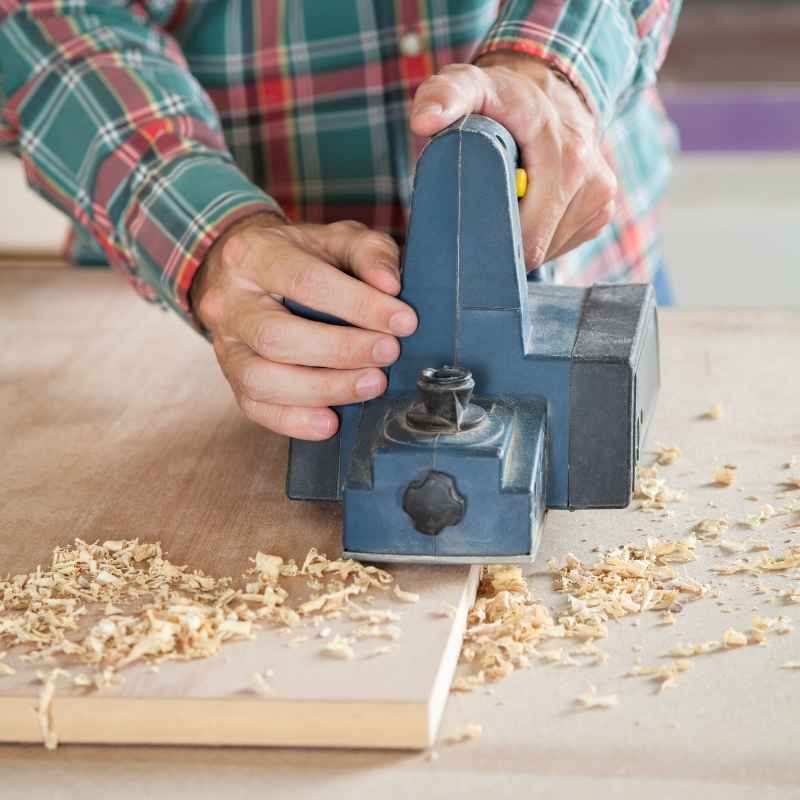
The biggest draw of an electric planer is its sheer speed. A good corded electric planer can remove a significant amount of wood in just a few passes. This is a huge time saver when you’re working with rough lumber that needs to be dimensioned.
For example, taking a rough-sawn 2×6 board down to a smooth 1.5-inch thickness might take hours by hand but can be done in minutes with an electric planer.
The constant, high-speed rotation of the blades ensures a consistent cut across the surface. This consistency is hard to achieve manually, especially over long boards. The power behind the blades means they rarely bog down, even in dense hardwoods, maintaining a steady pace of material removal.
-
Flattening Large Surfaces Quickly: Electric planers are perfect for flattening wide boards that might be cupped or twisted. You can make multiple passes, gradually reducing the high spots until the entire surface is flat and true. This is a task that would be incredibly time-consuming and physically demanding with a hand plane.
-
Rough Dimensioning of Lumber: When you buy rough-cut lumber, it’s often oversized and has a rough surface. An electric planer can quickly bring these boards down to your desired dimensions. This is a critical step before any finer woodworking begins.
-
Chamfering Edges Efficiently: Need to put a quick chamfer on the edges of a project? An electric planer can do this very rapidly. You simply set the angle and run the planer along the edge. This is much faster than creating a chamfer with a hand plane or router for many applications.
Power for Difficult Woods
Some woods are very dense and hard, making them challenging to work with hand tools. Electric planers have the power to cut through these tough materials without much struggle. The motor provides consistent torque, allowing the blades to bite into the wood effectively.
This power is especially useful when dealing with reclaimed lumber that might have knots or unusual grain patterns. An electric planer can power through these inconsistencies more readily than a hand plane, which might snag or dig into tougher spots. This makes them a more forgiving tool for beginners working with less predictable wood.
Case Study: Reclaimed Barn Wood Project
Sarah was building a rustic dining table using reclaimed barn wood. The planks were thick, uneven, and covered in old nails. She needed to flatten them and remove years of grime.
Using her corded electric planer, she was able to quickly remove the rough outer layers of the wood.
In just an afternoon, she had processed enough wood for the tabletop. She made multiple passes on each board, first to flatten, then to smooth. The electric planer handled the imperfections of the old wood with ease.
She reported that without the electric planer, the project would have taken weeks instead of days. This shows how electric tools can make big projects achievable for a hobbyist.
Reducing Physical Strain
One of the most significant benefits of electric planers is that they do most of the work for you. The motor powers the cutting action, meaning you don’t need to apply the same level of physical force as you would with a hand plane. This makes woodworking more accessible for people with less physical strength or for those who want to avoid fatigue during long work sessions.
The weight of the tool itself does some of the work. You guide it, rather than push and pull with all your might. This reduced strain can prevent injuries and allow woodworkers to stay productive for longer periods.
It makes larger projects feel less overwhelming.
A study on woodworking ergonomics found that participants reported significantly less muscle fatigue when using electric hand planers compared to traditional hand planes for tasks involving extensive material removal. The study observed that while initial setup might require some effort, the active planing phase was considerably less taxing.
Benefits of Hand Planers
Hand planers offer a connection to the wood that electric tools can’t replicate. They provide an unmatched level of control and a superior finish when used correctly. For fine woodworking, furniture making, and any task where precision and surface quality are paramount, hand planes are often the preferred choice.
They are also silent, require no electricity, and are highly portable, making them ideal for situations where power is limited or noise is a concern. The meditative process of hand planing can be very rewarding for many woodworkers. It’s about the craft and the feel of the material.
Unparalleled Surface Finish
Hand planes are famous for the exquisite surface finish they produce. When sharpened and adjusted properly, a hand plane can shave off paper-thin shavings, leaving behind a surface that is incredibly smooth. This often eliminates the need for extensive sanding.
For furniture makers, this smooth surface is essential for applying finishes like varnish or oil.
The action of a sharp blade gliding over wood, controlled by your hands, creates a unique result. It’s a cut, not a scrape or a tear. This results in a surface that reflects light beautifully and feels silky smooth to the touch.
It’s a mark of quality craftsmanship.
-
Glass-Like Smoothness: A well-tuned hand plane can achieve a “glass-like” finish. This means the surface is so smooth it can almost be mistaken for polished glass. This is achieved by taking very thin shavings that don’t damage the wood fibers.
-
Reduced Sanding Requirements: For many projects, using a hand plane for final surfacing means you can skip or significantly reduce the amount of sanding needed. This saves time and effort, and many woodworkers find sanding to be a tedious task.
-
Highlighting Wood Grain: The gentle cutting action of a hand plane can bring out the natural beauty of the wood grain. It’s said to reveal the wood’s character in a way that power tools sometimes obscure. This is particularly true for figured hardwoods.
Exceptional Control and Precision
The direct feedback you get from a hand plane is its biggest strength for precision work. You can feel exactly how much wood is being removed with each stroke. This allows for very fine adjustments to flatten or shape a piece of wood with great accuracy.
This level of control is vital for tasks like fitting joints, chamfering edges with exact bevels, or creating complex profiles. You can stop at any moment and check your progress, making it easy to correct mistakes or achieve specific dimensions. It’s like sculpting wood with your hands.
-
Fitting Joints Perfectly: When building furniture, the fit of joints is critical. A hand plane allows you to shave off tiny amounts of wood to get a perfect, snug fit between two pieces. This is much harder to achieve with the less nuanced control of an electric planer.
-
Creating Custom Profiles: For decorative work, like custom moldings or shaping the edges of a tabletop, hand planes offer versatility. You can use different types of planes, like block planes or specialty planes, to create unique shapes and details that power tools may not be able to replicate easily.
-
Working in Tight Spaces: Hand planes are small and easy to maneuver. They are perfect for working on smaller projects or in tight areas where a bulky electric planer might not fit. A small block plane, for instance, can be used in numerous situations.
Portability and No Electricity Needed
Hand planes are wonderfully portable. They don’t need a power outlet or batteries, making them usable anywhere. This is a big advantage for people with limited workshop space, those who do woodworking outdoors, or anyone who needs to take their tools to a job site.
They are also completely silent. This means you can work on your projects at any hour without disturbing neighbors or family. The simplicity of a hand plane—just a blade, a body, and your hands—is part of its charm.
Imagine needing to trim a door that has swollen and won’t close properly. With a hand plane, you can quickly take it to the garage or even work on it right in its frame. An electric planer would require setting up power, bringing the tool, and potentially making more noise than is ideal for the situation.
Sample Scenario: Adjusting a Cabinet Door
John noticed his kitchen cabinet door was sticking. It seemed to be rubbing against the frame at the top. Instead of dragging out his electric planer and dealing with cords, he grabbed his small block plane from his workbench.
-
He removed the cabinet door.
-
He placed it on a workbench and identified the high spot where it was sticking.
-
He adjusted the blade on his block plane to take a very thin shaving.
-
He made a few gentle passes along the edge of the door where it was rubbing.
-
He rehung the door and found it now closed perfectly, with a smooth, clean edge.
This task took him less than five minutes and required only a simple hand tool. The result was precise and clean.
Electric Planer vs Hand Planer For Specific Tasks
The choice between an electric planer and a hand planer often comes down to the specific job you need to do. Some tasks are better suited for the power and speed of an electric tool, while others demand the precision and finesse of a hand plane. Understanding these task-specific advantages will help you pick the right tool for the job.
Flattening Large, Warped Boards
When you encounter a large board that has significantly warped, cupped, or twisted, an electric planer is usually the most practical tool. The sheer amount of material that needs to be removed to flatten such a board is substantial. An electric planer’s power and speed allow you to tackle this efficiently.
You can set the depth of cut to remove material from the high spots, gradually bringing the entire surface down to a flat plane. Multiple passes are typically required, but an electric planer makes this process manageable. Trying to flatten a badly warped 8-foot board with only hand planes would be an immense physical undertaking and take a very long time.
For example, a 12-inch wide oak board that is cupped by half an inch needs a lot of material removed. An electric planer can take off 1/16th of an inch or more per pass, depending on the wood and the planer. Doing this repeatedly is still work, but far less than a hand plane.
Smoothing and Dimensioning Rough Lumber
If you’re working with rough-sawn lumber, an electric planer is excellent for the initial stages of smoothing and dimensioning. It quickly removes the saw marks and the rough texture, bringing the board closer to its final dimensions. This is especially true for less valuable or utilitarian projects where the absolute finest finish isn’t immediately critical.
After using an electric planer, you might still want to do some final smoothing with a hand plane or sandpaper, depending on the desired finish. However, the electric planer gets you to that point much faster, making it a key tool for preparing stock.
Material Removal Rates Comparison
To illustrate the difference in speed, consider taking an inch off a board.
-
Electric Planer: This could potentially be achieved in 10-20 passes, depending on the planer’s power and the wood type. Total time might be around 10-20 minutes.
-
Hand Planer: Removing an inch of wood with a hand plane would be a monumental task. It could take many hours, possibly days, of continuous work, and would require exceptional stamina and skill. The shavings would be much thinner, and the effort per shaving would be significant.
Fine Tuning Joints and Small Adjustments
For precision work, like fitting cabinet doors, adjusting tenons for a perfect fit in mortises, or chamfering edges with a very specific angle, a hand plane is the tool of choice. The subtle control offered by a hand plane allows you to remove just a tiny amount of wood at a time, ensuring a perfect fit without going too far.
Before the fine-tuning stage, the tenon itself needs a clean, straight cut. A sharp hand saw suited to woodworking joinery makes that first cut easier to true up with the plane afterward.
You can feel the blade’s contact with the wood through the handle. This feedback is invaluable for making those critical last-minute adjustments that make a project look professionally crafted. An electric planer’s aggressive cutting action is not suited for these delicate tasks; it would be far too easy to remove too much material and ruin a joint.
Consider fitting a drawer slide. You might need to shave just a hair off the side of the drawer box. A block plane allows you to do this with extreme precision.
If you used an electric planer, you’d likely remove too much and have a loose drawer.
Chamfering and Edge Treatment
While electric planers can create chamfers quickly, hand planes offer more control for creating precise, decorative chamfers or other edge profiles. You can use different types of hand planes, such as a block plane with a fence attachment, or a specialized chamfer plane, to create consistent and beautiful edges.
For furniture pieces where the edges are a significant design element, the subtle control and superior finish of a hand-planed chamfer can elevate the entire piece. This is where the artistry of hand planing truly shines.
-
Select the appropriate hand plane for the desired chamfer size and shape.
-
Set the blade to take a fine shaving.
-
Hold the plane firmly and draw it smoothly along the edge of the workpiece at a consistent angle.
-
Continue making light passes until the desired chamfer is achieved. The tactile feedback ensures you don’t overdo it.
Working with Delicate Woods or Veneers
When working with delicate woods, such as some exotics, or with veneers, which are very thin layers of wood, hand planes are often the safer choice. The controlled shaving action of a hand plane is less likely to tear out the grain or damage the delicate material compared to the brute force of an electric planer.
A sharp hand plane can carefully trim edges or surfaces without causing splintering. This is crucial for preserving the integrity and beauty of the material. The user’s gentle touch and control are paramount here.
Choosing the Right Planer For You
Deciding between an electric planer and a hand planer isn’t about which tool is “better,” but rather which tool is best suited for your specific needs, skills, and projects. Many woodworkers find that having both types of planers in their workshop offers the greatest versatility.
Consider your budget, the types of wood you usually work with, the size of your projects, and the amount of physical effort you’re willing or able to put in. Think about the finish you want to achieve and how much time you have available for each task.
Budget Considerations
Electric planers can range in price from under $100 for basic models to several hundred dollars for high-end, professional-grade tools. Battery-powered models tend to be more expensive than corded ones. Hand planes can also vary widely, from inexpensive utility planes to high-quality collector’s items costing thousands.
A good starter hand plane can often be purchased for less than a decent entry-level electric planer. If your budget is very tight, a quality used hand plane might be a great way to start. For tasks requiring significant material removal, investing in an electric planer might be more cost-effective in the long run due to time savings.
-
Entry-Level Electric Planers: These typically cost $50-$150 and are suitable for hobbyists doing light work. They offer basic functionality.
-
Mid-Range Electric Planers: Expect to spend $150-$300 for tools with more power, better build quality, and extra features.
-
Entry-Level Hand Planes: A new, functional hand plane can be found for $30-$70. Used ones can be even cheaper but may require some restoration.
-
High-End Hand Planes: For premium craftsmanship, prices can go from $150 to $500 and beyond.
Skill Level and Learning Curve
Electric planers are generally easier for beginners to pick up and use effectively right away. You plug it in, set the depth, and run it over the wood. The learning curve is relatively shallow.
Hand planes, on the other hand, require more practice and skill to master. Learning to sharpen the blade correctly, adjust it precisely, and control your strokes takes time and patience. However, the reward for mastering hand planing is a deeper connection with the craft and the ability to produce incredibly refined work.
Project Scope and Frequency
If you frequently work on large projects, build furniture, or process a lot of rough lumber, an electric planer will likely become an indispensable tool. Its efficiency will save you a tremendous amount of time and effort. For occasional use or smaller projects, a hand plane might be sufficient, or you might opt for a more affordable electric model.
If your projects are small, like crafting decorative items or doing minor repairs, a hand plane might be all you need. However, if you plan to build a dining table or deck, the electric planer’s power will be a significant asset.
Sample Scenario: A Beginner Woodworker’s Choice
Maria is new to woodworking and wants to build a simple bookshelf. She has a limited budget and doesn’t want to overwhelm herself with complex tools.
-
She decides to start with a basic hand plane to dimension the pine boards for her bookshelf.
-
She finds a reliable used block plane and learns how to sharpen it.
-
She spends time practicing on scrap wood, learning to get smooth, flat surfaces.
-
She successfully builds her bookshelf, enjoying the process and the feel of the wood.
-
For her next project, a small side table, she might consider a corded electric planer if she encounters warped boards.
Frequently Asked Questions
Question: Which type of planer is better for beginners?
Answer: Electric planers are often easier for beginners to use right away because they do most of the work automatically. Hand planes require more practice to master, especially sharpening and adjustment.
Question: Can I get a good finish with an electric planer?
Answer: Yes, you can get a good finish with an electric planer, but it often requires some sanding afterward to achieve a perfectly smooth surface. Hand planes can sometimes produce a smoother finish directly.
Question: How much does a decent electric planer cost?
Answer: Decent corded electric planers for hobbyists can range from $100 to $250. Battery-powered models are generally more expensive.
Question: Is it hard to sharpen a hand plane blade?
Answer: Sharpening a hand plane blade takes practice but is a fundamental skill. There are many resources available to learn how to do it effectively, often involving sharpening stones.
Question: Can I use a hand plane on very hard woods?
Answer: Yes, you can use a hand plane on very hard woods, but it requires a very sharp blade and more physical effort. Electric planers are often more efficient for removing material from dense hardwoods.
Conclusion
The electric planer brings speed and power to woodworking, tackling large tasks fast. The hand planer offers fine control and a beautiful finish, connecting you closely to the wood. Both have their strengths, making them valuable in different situations.
Choose the tool that fits your project and skill best, or consider having both for total versatility.
Sponsored / affiliate links. As an Amazon Associate I earn from qualifying purchases. I may earn additional commission from eligible campaigns.