Engineered Wood Vs Laminate: Proven Differences
Engineered wood offers real wood layers for durability and a premium feel, while laminate is a printed image atop a fiberboard core, providing a budget-friendly, scratch-resistant option. Understanding their construction is key to choosing the right flooring for your needs.
Navigating the world of flooring can feel like a maze, especially when you’re trying to figure out what’s what. You’ve probably seen terms like “engineered wood” and “laminate” and wondered, “Are they the same thing?” It’s a common question, and honestly, it’s easy to get them confused because they can look quite similar at first glance.
But trust me, as someone who loves getting hands-on with projects, knowing the real differences between these two materials can save you a lot of headaches (and money!) down the line. Whether you’re updating your living room or tackling a weekend DIY project, picking the right material makes all the difference. Let’s break down exactly what sets engineered wood and laminate apart, so you can make the best choice for your home.
Understanding the Core of the Matter: What’s Underneath?
The biggest clue to the difference between engineered wood and laminate lies in their construction. Think of it like building a sandwich – what’s in the middle matters just as much as what’s on top!
Engineered Wood: A Layered Approach to Real Wood
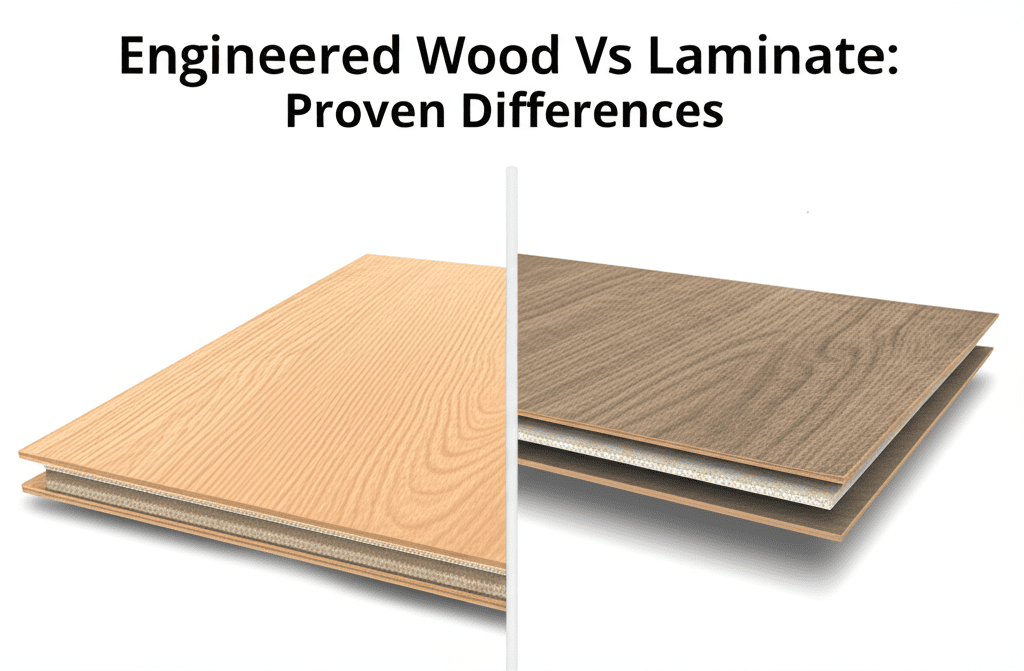
Engineered wood flooring is a clever and durable product that uses real wood in its construction. It’s built in layers, kind of like a sturdy plywood, but with a premium twist.
The Top Layer (The Wear Layer): This is the part you see and walk on. It’s made from a thin slice of genuine hardwood – think oak, maple, or walnut. This is what gives engineered wood its authentic wood look and feel.
The Core Layers: Beneath the hardwood veneer are several layers of plywood or high-density fiberboard (HDF). These layers are cross-grained and glued together. This cross-graining is key; it makes the material more stable and less prone to expanding or contracting with changes in humidity and temperature.
The Backing Layer: A final layer of wood or veneer is often attached to the underside for balance.
This layered construction makes engineered wood a fantastic option because it gives you the beauty of real wood without some of the drawbacks of solid hardwood, especially in areas with fluctuating moisture levels.
Laminate Flooring: The Art of the Illusion
Laminate flooring, on the other hand, is designed to mimic the look of wood (or sometimes stone or tile) but is constructed very differently. It doesn’t contain any actual hardwood in its top layers.
The Wear Layer: This is a transparent, protective top coat made from a tough, clear resin. It’s designed to be highly resistant to scratches, stains, and fading.
The Design Layer: This is where the magic (or illusion) happens. It’s a high-resolution photographic image of wood grain, stone, or tile. This is what you see when you look at your floor.
The Core Layer: The bulk of laminate flooring is made from a high-density fiberboard (HDF) or medium-density fiberboard (MDF) core. This core is essentially compressed wood fibers.
The Backing Layer: A moisture-resistant backing layer is usually attached to the underside of the core to provide stability and protect against moisture from below.
Because the “wood” you see on laminate is just a picture, it can be manufactured to look like almost any type of wood, often at a lower cost than real hardwood.
Proven Differences: Engineered Wood vs. Laminate
Now that we know what they’re made of, let’s get down to the practical differences you’ll notice when you’re choosing, installing, or living with these flooring types.
1. Material Composition and Feel
Engineered Wood: Contains real hardwood on top. This means it has the natural grain variations, texture, and warmth of genuine wood. It feels solid and authentic underfoot.
Laminate: Uses a printed image. While the image can be very realistic, it won’t have the subtle imperfections or the unique feel of natural wood. It can sometimes feel a bit harder or “plasticky” underfoot compared to real wood.
2. Durability and Scratch Resistance
Engineered Wood: The hardwood wear layer is durable, but it can be scratched or dented, just like solid hardwood. The thickness of this top layer (often called the veneer or wear layer) significantly impacts its longevity and how many times it can be refinished. Thicker wear layers are better.
Laminate: The wear layer on laminate is specifically engineered for extreme durability and scratch resistance. It’s often harder than the wear layer on many engineered wood products, making it a great choice for high-traffic areas or homes with pets and kids. However, if the wear layer is deeply scratched or gouged, the image underneath can be damaged, and it cannot be refinished.
3. Water Resistance
Engineered Wood: Generally more resistant to moisture fluctuations than solid hardwood due to its layered construction. However, it is still wood, so prolonged exposure to standing water can cause damage, swelling, or warping. Some engineered wood products are rated as water-resistant, but few are truly waterproof.
Laminate: The HDF/MDF core of laminate is susceptible to water damage. If water seeps into the seams and reaches the core, it can swell and warp, and this damage is usually irreversible. Some newer laminate products offer enhanced water resistance, but it’s crucial to check the manufacturer’s specifications.
4. Appearance and Aesthetics
Engineered Wood: Offers the genuine look and feel of real wood. Each plank is unique, with natural variations in grain, color, and texture. This authenticity is a major draw for many homeowners.
Laminate: Relies on photographic images. While modern printing technology is impressive, there can be a repeating pattern of the wood grain, which can be noticeable in larger rooms. The overall effect is often very good, but it lacks the inherent uniqueness of real wood.
5. Maintenance and Repair
Engineered Wood: Can be cleaned with a damp mop or specialized wood floor cleaner. Minor scratches can sometimes be buffed out or repaired with wood filler and touch-up markers. If the wear layer is thick enough, it can be sanded and refinished once or twice over its lifespan to restore its appearance.
Laminate: Typically easy to clean with a damp mop or a laminate floor cleaner. Stains and surface scratches are usually easy to wipe away. However, as mentioned, deep scratches or damage to the core cannot be repaired; the damaged plank usually needs to be replaced.
6. Cost
Engineered Wood: Generally more expensive than laminate, especially if it features a thicker hardwood wear layer or is made from premium wood species.
Laminate: Usually more affordable than engineered wood. This makes it a popular choice for budget-conscious renovations or for covering large areas where cost is a significant factor.
7. Installation
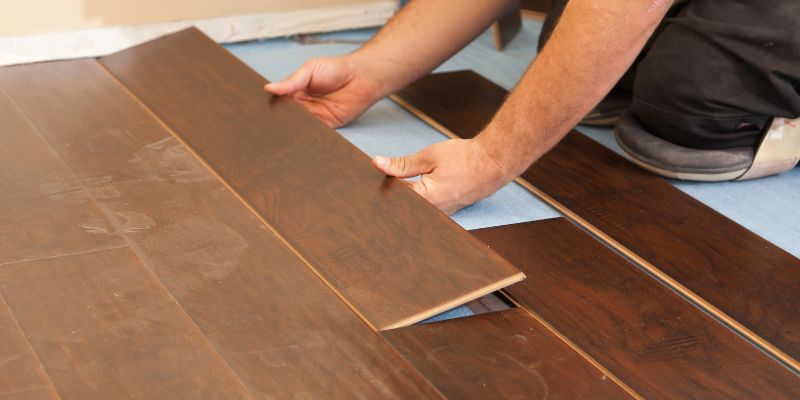
Engineered Wood: Can be installed in various ways: glued down, stapled down, or floating (where planks lock together). Some types are designed for DIY installation using a click-lock system.
Laminate: Most laminate flooring is designed for a floating installation using a click-lock system. This makes it a popular choice for DIYers because it doesn’t require adhesives or fasteners and can often be installed over existing flooring.
Comparison Table: Engineered Wood vs. Laminate at a Glance
To make things even clearer, let’s put the key differences side-by-side.
| Feature | Engineered Wood | Laminate Flooring |
|---|---|---|
| Top Layer | Real hardwood veneer | Photographic image of wood (or other material) |
| Core Material | Plywood or HDF layers | HDF or MDF core |
| Authenticity | Genuine wood grain, texture, and feel | Realistic printed image, can have repeating patterns |
| Scratch Resistance | Good, but can scratch/dent like real wood | Excellent, highly resistant to scratches and fading |
| Water Resistance | Fair to good; susceptible to standing water | Poor to fair; core can swell if exposed to moisture |
| Refinishing | Can be sanded and refinished (depending on veneer thickness) | Cannot be sanded or refinished |
| Maintenance | Clean with damp mop; can repair minor scratches | Easy to clean; damaged planks must be replaced |
| Cost | Moderate to high | Low to moderate |
| Installation | Glue, staple, or float; some click-lock systems | Typically floating click-lock systems |
| Best For | Living areas, bedrooms; those wanting real wood feel | High-traffic areas, kitchens, basements; budget projects |
When to Choose Engineered Wood
You might lean towards engineered wood if:
You love the authentic look and feel of real wood: There’s no substitute for the genuine article.
You want to add value to your home: Real wood flooring is often seen as a premium feature that can increase property value.
You plan to live in your home for a long time: The ability to refinish engineered wood means it can last for decades with proper care.
You have fluctuating humidity levels but still want wood: Its layered construction makes it more stable than solid hardwood in these conditions.
You’re installing in main living areas, bedrooms, or dining rooms.
For a deeper dive into the benefits of real wood flooring, you can check out resources from organizations like the National Wood Flooring Association (NWFA). They offer extensive information on wood species, installation, and maintenance.
When to Choose Laminate
Laminate flooring is a smart choice if:
Budget is a primary concern: It offers a wood-like appearance at a much lower price point.
You have very high-traffic areas: Its super-hard wear layer can withstand more abuse than many engineered wood floors.
You have pets or young children: The scratch and stain resistance is a huge advantage.
You’re installing in areas prone to spills or moisture (with caution): While not waterproof, some newer laminates offer better resistance than traditional options. Always check manufacturer specs and avoid standing water.
You’re a DIYer looking for an easy installation: The click-lock systems are very beginner-friendly.
You want a consistent look across a large area: Less worry about repeating patterns with modern printing.
FAQs: Your Top Questions Answered
Let’s tackle some common questions you might still have.
Can you install engineered wood or laminate in a bathroom?
Generally, it’s not recommended for bathrooms due to the high moisture levels. While some newer laminates and water-resistant engineered woods exist, prolonged exposure to water can still damage the core. Tile or luxury vinyl plank (LVP) are usually better choices for bathrooms.
Is engineered wood more expensive than laminate?
Yes, engineered wood is typically more expensive than laminate flooring. This is primarily due to the real hardwood veneer on top, which adds to the material and manufacturing costs.
Which is better for pets, engineered wood or laminate?
Laminate flooring is generally better for homes with pets. Its protective wear layer is highly resistant to scratches and stains, which are common issues with pets. While engineered wood can be durable, its real wood surface is more prone to scratches and wear from pet claws.
Can you refinish laminate flooring?
No, you cannot refinish laminate flooring. The “wood” you see is a printed image. Sanding it down would remove the image layer, leaving the core material exposed and ruining the floor’s appearance. Only the real wood layer of engineered wood can be sanded and refinished.
Does engineered wood feel like real wood?
Yes, engineered wood feels exactly like real wood because its top layer is made from genuine hardwood. You get the natural texture, grain, and warmth that you would expect from a solid wood floor.
Which is easier to install for a beginner?
Both can be DIY-friendly, but laminate flooring is often considered slightly easier for absolute beginners. Most laminate floors use a simple click-lock system that floats over the subfloor. Some engineered wood also uses click-lock, but others require glue or nails, which can be more challenging for a first-time installer.
What is the difference in lifespan?
The lifespan varies greatly depending on quality and wear. High-quality engineered wood with a thick veneer can last 50 years or more, especially if refinished. Laminate typically lasts 10-25 years, depending on the quality of the wear layer and the traffic it receives. It cannot be renewed through refinishing.
Making the Final Decision
Choosing between engineered wood and laminate isn’t about which one is “better” overall, but rather which one is better for your specific needs, budget, and lifestyle.
If you’re after the timeless beauty and authentic feel of real wood, and you’re willing to invest a bit more for that premium quality and the potential to refinish it down the line, engineered wood is a fantastic choice. It brings warmth and natural elegance to any room.
On the other hand, if you need a flooring solution that’s tough, budget-friendly, and can stand up to the daily chaos of busy households with kids and pets, laminate flooring is an excellent contender. Its durability and ease of maintenance make it incredibly practical.
Both materials have come a long way in terms of appearance and performance. Take your time, look at samples, consider the specific room you’re flooring, and think about what matters most to you. With this knowledge, you’re well-equipped to make a confident decision that you’ll be happy with for years to come!