European Ash Wood vs Teak Wood: Proven Best
For many DIYers, choosing the right wood can feel like a puzzle! You want something beautiful, durable, and easy to work with. When it comes to popular choices like European Ash and Teak, figuring out which is “best” can be tricky. They both have amazing qualities, but they shine in different areas. This guide will break down European Ash Wood vs Teak Wood, helping you pick the perfect timber for your next project with confidence.
Why Choosing the Right Wood Matters
Picking the right wood is like choosing the right tool for a job – it makes everything easier and the final result so much better! When you’re starting out in woodworking, the sheer variety of wood species can be overwhelming. You might wonder, “What’s the difference between this and that?” and “Which one will actually look good and last?” It’s a common worry, but don’t let it stop you. Understanding the unique traits of different woods, like European Ash and Teak, is a fundamental skill that will boost your confidence and the quality of your projects. We’re here to simplify that choice for you, so you can get back to building!
Understanding Wood Properties: What to Look For
Before we dive into the comparison, let’s talk about what makes wood great for projects. Think of these as your wood-shopping superpowers:
- Durability: How well does the wood stand up to wear and tear? This includes resistance to scratches, dents, and general damage.
- Workability: How easy is it to cut, shape, sand, and finish? Some woods are naturally softer and easier to manage for beginners.
- Appearance: What does it look like? Grain pattern, color, and how it takes finishes are all important for aesthetics.
- Resistance to Elements: Does it handle moisture, insects, and decay well? This is crucial for outdoor projects or areas prone to humidity.
- Cost: Budget is always a factor! Some woods are more readily available and affordable than others.
Knowing these points will help you see why European Ash and Teak are often compared and how they stack up against each other.
European Ash Wood: The Versatile All-Rounder
European Ash (Fraxinus excelsior) is a fantastic hardwood native to Europe. It’s a favorite among woodworkers for its strength, flexibility, and beautiful appearance. It’s often compared to American Ash, but has its own distinct characteristics.
Appearance of European Ash
European Ash typically has a light, creamy white to pale brown color. The grain is usually straight and even, with a medium to coarse texture. It can sometimes feature attractive figuring, like cathedral patterns or subtle wavy grain, which adds a lot of visual interest. When finished, it can achieve a lovely, smooth sheen.
Workability of European Ash
This is where European Ash really shines for beginners and experienced woodworkers alike. It’s known for being relatively easy to work with using both hand tools and power tools. It cuts, sands, and machines well, and it glues and finishes beautifully. The straight grain means less tear-out (where the wood fibers splinter) compared to some other hardwoods, making your sanding and finishing smoother.
Durability and Strength
European Ash is a strong and resilient wood. It has good shock resistance, making it ideal for items that might experience impact, like tool handles or sports equipment. While not as naturally resistant to rot and insects as Teak, it’s still a durable hardwood suitable for many indoor applications and some protected outdoor uses.
Common Uses for European Ash
Because of its balance of strength, appearance, and workability, European Ash is used for a wide range of projects:
- Furniture (chairs, tables, cabinets)
- Cabinetry and joinery
- Flooring
- Tool handles
- Sports equipment (like baseball bats)
- Bending wood for furniture
Pros and Cons of European Ash Wood
Let’s summarize the good and the not-so-good:
| Pros | Cons |
|---|---|
| Excellent workability, easy to cut, sand, and finish. | Less resistant to moisture and decay than Teak; not ideal for prolonged outdoor exposure without protection. |
| Strong and shock-resistant. | Can be more prone to denting than denser hardwoods. |
| Attractive, light color with nice grain patterns. | Availability can vary depending on region and sustainable forestry practices. |
| Takes stains and finishes very well. | Can be more expensive than some common softwoods. |
Teak Wood: The King of Durability
Teak (Tectona grandis) is a tropical hardwood celebrated worldwide for its exceptional durability, natural oils, and resistance to the elements. It’s often considered the gold standard for outdoor furniture and marine applications.
Appearance of Teak
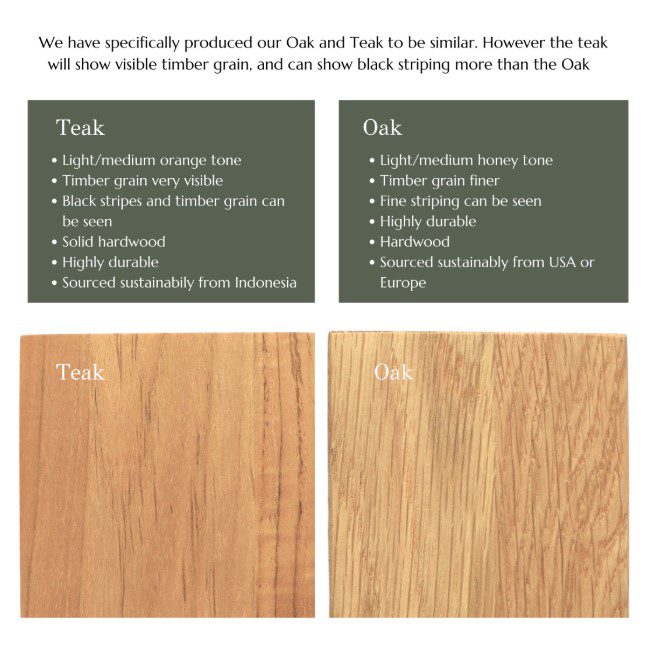
Teak has a rich, golden-brown color that can darken with age and exposure to sunlight, sometimes developing a silvery-gray patina if left unfinished outdoors. The grain is typically straight, though it can sometimes be wavy. It has a natural oily feel due to its high silica and natural oil content, which contributes to its unique properties.
Workability of Teak
Teak can be a bit more challenging to work with than European Ash, primarily because of its natural oils and high silica content. These oils can sometimes dull tools faster, and the silica can make it slightly more prone to burning if you’re not careful with your tools. However, it generally machines well, and it glues reasonably well if surfaces are properly prepared to ensure good adhesion. Sanding Teak is usually straightforward, but its oily nature means you might need specific finishes or sealers.
Durability and Resistance
This is Teak’s superpower. Its natural oils make it incredibly resistant to water, rot, fungi, and insects. This means Teak can withstand harsh weather conditions and moisture without deteriorating, making it a prime choice for outdoor furniture, boat decks, and other exposed applications. It’s also a very stable wood, meaning it’s less likely to warp or crack with changes in humidity.
Common Uses for Teak
Teak’s unmatched durability makes it ideal for specific uses:
- Outdoor furniture
- Boat building (decks, trim, furniture)
- Bathroom and kitchen cabinetry (due to moisture resistance)
- High-end flooring
- Decorative trim and veneers
Pros and Cons of Teak Wood
Here’s a look at Teak’s strengths and weaknesses:
| Pros | Cons |
|---|---|
| Exceptional durability and resistance to water, rot, and insects. | Significantly more expensive than European Ash and many other woods. |
| Very stable, less prone to warping or cracking. | Can be harder to work with due to natural oils and silica, potentially dulling tools faster. |
| Beautiful, rich color and grain. | Gluing requires careful preparation to ensure adhesion. |
| Requires minimal maintenance for outdoor use, often developing a desirable patina. | Sustainability and sourcing can be a concern; look for certified sources like FSC-certified Teak. |
European Ash Wood vs Teak Wood: The Head-to-Head Comparison
Now, let’s put them side-by-side to see how they really compare for your projects:
| Feature | European Ash Wood | Teak Wood |
|---|---|---|
| Primary Use | Indoor furniture, cabinetry, flooring, tool handles, general woodworking. | Outdoor furniture, marine applications, high-moisture areas, luxury interiors. |
| Appearance | Light creamy white to pale brown, straight grain, can have attractive figuring. | Golden brown to darker brown, straight to wavy grain, natural oily sheen. |
| Workability | Excellent – easy to cut, sand, glue, and finish. | Good to Fair – oils and silica can dull tools; requires proper prep for gluing. |
| Durability | Strong, shock-resistant hardwood. | Extremely durable, highly resistant to rot, insects, and water. |
| Moisture Resistance | Moderate – suitable for indoor use, requires sealing for outdoor/high-moisture areas. | Excellent – naturally resistant due to high oil content. |
| Cost | Moderate | High |
| Maintenance | Requires finishing for protection and appearance. | Low maintenance, especially outdoors; can be oiled or left to weather to a patina. |
| Beginner Friendliness | High | Moderate |
Which Wood is “Proven Best” for You?
The “proven best” really depends on what you’re building and where it will live!
Choose European Ash If:
- You’re building furniture or cabinetry for indoor use.
- You want a wood that’s easy to work with and finishes beautifully.
- You’re on a tighter budget.
- You enjoy the process of sanding and finishing to achieve a specific look.
- You need a strong, reliable hardwood for general woodworking tasks.
For example, if you’re making a beautiful dining table, a set of chairs, or custom kitchen cabinets, European Ash is an excellent, cost-effective choice that will provide both beauty and durability for years to come. You can find great resources on wood finishing from organizations like Woodworking Network.
Choose Teak If:
- Your project will be exposed to the elements (sun, rain, humidity).
- You’re building outdoor furniture, a deck, or boat components.
- You prioritize ultimate durability and low maintenance above all else.
- Budget is less of a concern, and you’re willing to invest in longevity.
- You don’t mind working with a slightly more challenging material.
If you’re crafting patio chairs that will sit outside all year, or building a custom boat console, Teak is the undisputed champion. Its natural resilience means it will withstand the test of time and weather with minimal fuss.
Projects Perfect for European Ash
Let’s get inspired! Here are some projects where European Ash truly excels:
- A Classic Dining Table: Its strength and beautiful grain make for a stunning centerpiece.
- Bedroom Furniture: Think dressers, nightstands, or headboards.
- Children’s Toys or Furniture: Its smooth finish and durability are great for little ones.
- Workbench or Shop Furniture: Its hard-wearing nature is perfect for a busy workshop.
- Decorative Wall Paneling: The light color and grain can add warmth to an interior space.
Projects Perfect for Teak
And here are some projects where Teak is the ultimate choice:
- Garden Benches and Patio Sets: Built to last through seasons of weather.
- Outdoor Dining Tables: Perfect for al fresco meals.
- Boat Docks or Decking: Its water resistance is unparalleled.
- Shower Benches or Bathroom Vanities: Handles high humidity with ease.
- Cutting Boards (if properly sealed and maintained): Though often more expensive than other options, its durability is a plus.
Tips for Working with European Ash
To make your European Ash projects a breeze:
- Cutting: Use sharp blades to ensure clean cuts and minimize tear-out.
- Sanding: Start with a coarser grit (like 80 or 100) and work your way up to finer grits (220 or higher) for a super smooth finish.
- Gluing: Use a good quality wood glue and clamp firmly. Wipe away any excess glue before it dries.
- Finishing: European Ash takes stains and varnishes beautifully. Consider a clear coat of polyurethane or a durable oil finish for protection and to enhance its natural beauty. For outdoor projects, a marine-grade varnish or a penetrating oil designed for hardwoods is recommended.
Tips for Working with Teak
When working with Teak, keep these tips in mind:
- Tool Maintenance: Keep your blades and bits sharp! The natural silica in Teak can dull them quickly.
- Cutting: Take shallower passes when routing or planing to avoid burning and tear-out.
- Gluing: Ensure surfaces are clean and free of oil. A strong wood glue like Titebond III or a specialized epoxy can work well. Clamping pressure is key.
- Finishing: Teak often doesn’t need a finish for durability, especially outdoors. If you want to maintain its golden color, use a UV-inhibiting teak oil or sealer. If you prefer the weathered silver-gray look, simply leave it unfinished.
- Sanding: Teak sands very smoothly. Work through grits from 80 up to 220.
Frequently Asked Questions (FAQs)
Q1: Is European Ash harder than Teak?
A1: Teak is generally considered a denser and harder wood than European Ash, especially in terms of its resistance to denting and wear. However, European Ash is still a very strong and durable hardwood.
Q2: Can I use European Ash for outdoor furniture?
A2: Yes, but with proper finishing and maintenance. European Ash is not naturally as resistant to moisture and decay as Teak. You’ll need to apply several coats of a durable outdoor sealant, varnish, or penetrating oil to protect it from the elements and prevent rot or insect damage. Reapplication will be necessary periodically.
Q3: Is Teak difficult for a beginner to work with?
A3: Teak can be slightly more challenging than softer woods or even European Ash due to its natural oils and silica content, which can dull tools faster. However, with sharp tools, careful technique, and patience, beginners can certainly work with Teak successfully. Taking lighter cuts and ensuring good tool maintenance are key.
Q4: Which wood is more expensive, European Ash or Teak?
A4: Teak is significantly more expensive than European Ash. Teak’s high demand for its exceptional durability, combined with its tropical origin and often slower growth rates, drives up its cost considerably.
Q5: How do I maintain the appearance of Teak furniture outdoors?
A5: You have two main options: You can clean it periodically with a mild soap and water solution and apply a teak oil or sealer to maintain its original golden-brown color. Alternatively, you can let it weather naturally to a beautiful silvery-gray patina, which requires very little maintenance beyond occasional cleaning.
Q6: Can I stain European Ash to look like Teak?
A6: You can stain European Ash to achieve a similar color tone to Teak. However, it won’t replicate the natural oily feel or the same level of inherent durability against moisture that Teak possesses. Staining is more about color matching than mimicking the wood’s properties.
Conclusion
So, there you have it! When comparing European Ash Wood vs Teak Wood, the “proven best” isn’t about one being universally superior, but rather about which wood is best suited for your specific project needs. European Ash is your dependable, versatile friend for beautiful indoor projects, offering excellent workability and a lovely aesthetic at a reasonable price. Teak, on the other hand, is the ultimate champion for outdoor and high-moisture environments, providing unparalleled durability and resistance to the elements, albeit at a higher cost and with slightly more demanding workability.
By understanding their unique strengths – European Ash for its ease of use and aesthetic appeal indoors, and Teak for its robust, weather-defying properties – you can confidently select the perfect timber for your next woodworking adventure. Happy building!