Festool Domino 500 Vs 700: Essential Guide
Festool Domino 500 vs 700: Which is right for your woodworking? The Domino 500 is ideal for smaller projects and portability, while the Domino 700 excels in larger, heavier-duty applications requiring wider dominos. Both offer precision joinery, but the 700 provides more power and depth for demanding tasks.
Hey there, fellow woodworkers! Ashraf here. Ever look at those beautifully joined cabinets or sturdy furniture pieces and wonder how they get those seamless connections? Often, it’s thanks to clever joinery. For many of us starting out, or even those who’ve been at it a while, figuring out the best joinery method can feel a bit overwhelming. If you’ve heard about Festool Domino joiners, you might be wondering about the difference between the popular 500 and the larger 700 models. It’s a common question, and I’m here to break it down for you. We’ll walk through what makes each one special, so you can make the best choice for your workshop and projects. Let’s get your joinery skills soaring!
Understanding the Festool Domino System
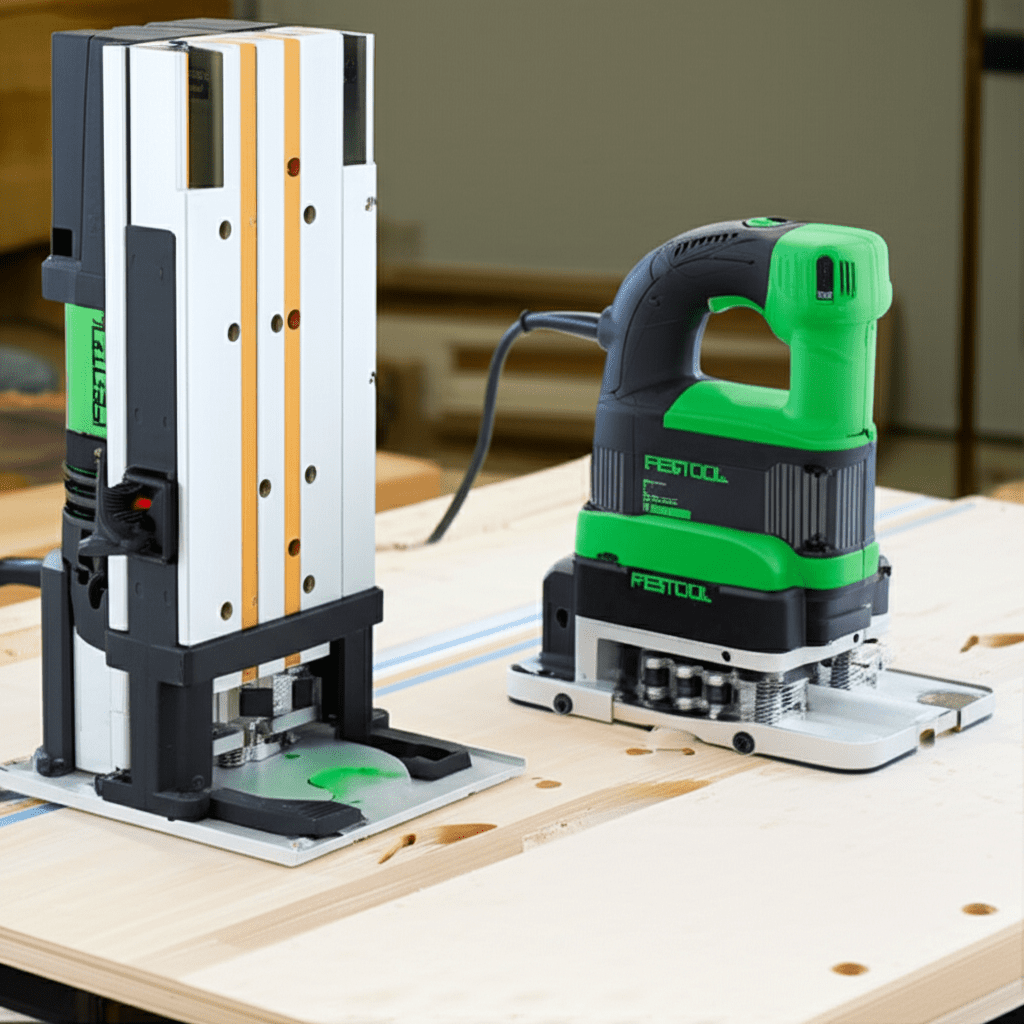
Before we dive into the 500 vs. 700, let’s quickly chat about what a Festool Domino actually is. Think of it as a powered doweling jig, but way more precise and easier to use. Instead of drilling holes and aligning dowels, the Domino creates a mortise (a slot) and uses a loose tenon (a pre-made wooden piece) to join two pieces of wood. It’s incredibly fast, accurate, and strong. This system is a game-changer for anyone wanting strong, repeatable joints without the fuss of traditional dowels or complex mortise and tenon setups.
Festool Domino 500: The Compact Powerhouse
The Festool Domino 500 is often the first Domino many woodworkers consider, and for good reason. It’s designed to be lightweight and highly portable, making it perfect for smaller workshops, on-site work, or projects that require you to move around a lot. Despite its smaller size, it packs a punch in terms of precision and ease of use.
Key Features of the Domino 500:
- Portability: Its compact design and lighter weight (around 3.1 kg or 6.8 lbs) make it easy to handle and transport.
- Versatile Domino Sizes: It accepts dominoes ranging from 4mm x 20mm up to 10mm x 50mm. This covers a wide array of common woodworking joints.
- Adjustable Depth and Width: You can easily dial in the mortise depth and width to match your domino size and project needs.
- Simple Operation: The intuitive controls and built-in fence make it straightforward to set up and use, even for beginners.
- Integrated Dust Collection: Like all Festool tools, it has excellent dust extraction capabilities, keeping your workspace clean and your lungs healthy.
Who is the Domino 500 best for?
The Domino 500 is an excellent choice for:
- Hobbyists working on smaller projects like cabinets, shelves, and picture frames.
- Woodworkers with limited space who need a compact and versatile tool.
- Anyone who needs to make joinery on-site or move their tools frequently.
- Beginners looking for a user-friendly yet highly effective joinery solution.
It’s a fantastic entry point into the world of Festool Domino joinery, offering incredible value and performance for its size.
Festool Domino 700: The Heavy-Duty Workhorse
Now, let’s talk about the Festool Domino 700. This is the bigger, beefier sibling. If your projects tend to be larger, heavier, or require more robust joinery, the 700 might be your perfect match. It’s built for more demanding tasks and offers a few key advantages over the 500.
Key Features of the Domino 700:
- Increased Power and Capacity: The 700 features a more powerful motor, allowing it to handle larger dominoes and denser woods with ease.
- Wider Domino Compatibility: It accepts dominoes from 4mm x 20mm all the way up to a substantial 14mm x 75mm. This opens up possibilities for much stronger, larger-scale joinery.
- Greater Mortise Depth: The 700 can cut mortises deeper than the 500, essential for thicker workpieces.
- Robust Construction: While still portable, it has a more substantial feel, reflecting its heavy-duty capabilities.
- Excellent Dust Collection: Just like the 500, dust extraction is a top priority, ensuring a clean and safe working environment.
Who is the Domino 700 best for?
The Domino 700 is ideal for:
- Woodworkers tackling larger furniture pieces like tables, beds, and doors.
- Anyone who frequently works with thicker hardwoods or needs exceptionally strong joints.
- Professional woodworkers or serious hobbyists who require the ultimate in joinery strength and versatility.
- Projects where the width of the domino is critical for structural integrity, such as joining thick table legs or large panels.
If your projects lean towards the larger and more demanding side, the Domino 700 is engineered to meet those needs.
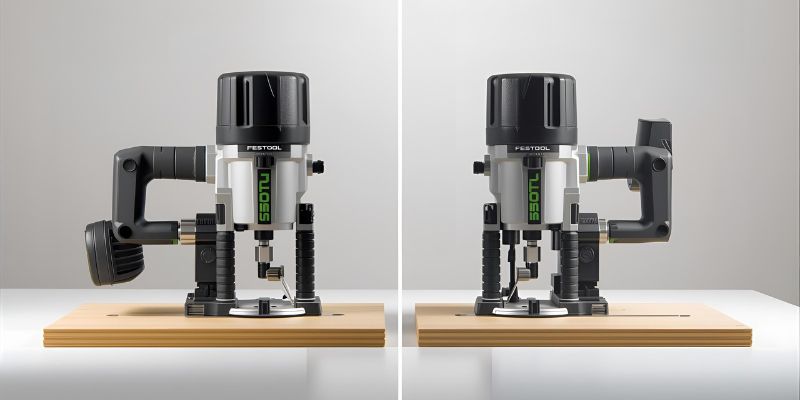
Festool Domino 500 vs. 700: A Direct Comparison
Let’s put these two powerhouses side-by-side to see how they stack up. Understanding these differences will help you pinpoint which one is the right fit for your woodworking journey.
| Feature | Festool Domino 500 | Festool Domino 700 |
|---|---|---|
| Weight | Approx. 3.1 kg (6.8 lbs) | Approx. 4.7 kg (10.4 lbs) |
| Maximum Domino Width | 10mm | 14mm |
| Maximum Domino Height | 50mm | 75mm |
| Maximum Mortise Depth | 28mm | 70mm |
| Motor Power | 450W | 720W |
| Ideal For | Smaller projects, portability, general woodworking | Larger projects, heavier-duty joinery, thicker materials |
| Domino Compatibility | 4x20mm to 10x50mm | 4x20mm to 14x75mm |
As you can see, the primary differences lie in their size, weight, motor power, and the maximum size of dominoes they can accommodate. The 700’s ability to use wider and longer dominoes, along with its deeper cutting capacity, makes it the clear choice for projects demanding maximum joint strength.
Making the Right Choice for Your Projects
So, how do you decide? It really comes down to the types of projects you envision yourself tackling. Ask yourself these questions:
- What scale are my typical projects? Are you building small boxes and shelves, or large dining tables and bookcases?
- How often will I need to move my tools? Do you have a dedicated workshop, or do you often work in different locations?
- What kind of wood do I usually work with? Are you primarily using lighter softwoods, or do you often work with dense hardwoods?
- What is my budget? While both are significant investments, pricing can vary.
For many beginners and hobbyists, the Festool Domino 500 is more than capable. It handles a vast majority of common joinery tasks beautifully and offers that renowned Festool precision in a more accessible package. It’s a fantastic workhorse that will serve you well for years.
However, if you know you’ll be building substantial furniture, working with very thick stock, or require the absolute strongest joints possible for structural integrity, the Festool Domino 700 is the way to go. Its increased capacity and power mean you won’t be limited by your tool when tackling ambitious projects.
Setting Up and Using Your Festool Domino
Once you’ve chosen your Domino, getting started is surprisingly simple. Festool’s design philosophy emphasizes user-friendliness, even for complex tools. Here’s a basic rundown:
Step-by-Step Guide (General Process):
- Select Your Domino: Choose the appropriate size domino for your project’s wood thickness and the desired joint strength. Festool offers a wide range of sizes in various wood types.
- Install the Correct Cutter: The Domino comes with specialized spiral cutters. Ensure you install the cutter that matches the width of your chosen domino. The tool’s manual will guide you on this.
- Set the Mortise Depth: Use the depth adjustment knob to set how deep you want the mortise to be. This is crucial for ensuring the domino sits correctly and provides maximum surface area for glue. A good rule of thumb is to set the depth so the domino is about two-thirds to three-quarters of the way through the workpiece.
- Set the Mortise Width (if applicable): For some domino sizes, you can adjust the mortise width. This is done via a simple dial or lever on the tool.
- Position the Domino Joiner: Place the tool against the edge of your workpiece. Use the built-in fence to align the cutter with your desired join location. Many Dominoes have adjustable fences for different angles.
- Make the Mortise: Plunge the tool into the wood, making the mortise. The tool’s oscillating action makes this smooth and efficient.
- Repeat for the Mating Piece: On the second piece of wood you want to join, create a corresponding mortise. Ensure the spacing and alignment are precise.
- Apply Glue and Insert Domino: Apply wood glue to the mortises and the domino itself. Slide the domino into one mortise, then bring the two pieces of wood together and slide the domino into the second mortise.
- Clamp and Let Dry: Clamp the pieces securely and allow the glue to dry completely.
Safety First: Always wear safety glasses and hearing protection. Ensure the workpiece is stable and that the Domino’s power cord is not a tripping hazard. Familiarize yourself with the tool’s safety features and the manufacturer’s instructions.
Achieving Perfect Joinery: Tips for Beginners
Using a Festool Domino is inherently easier than many other joinery methods, but here are a few tips to help you achieve flawless results right from the start:
- Practice on Scrap Wood: Before tackling your main project, practice on some scrap pieces of the same wood. This helps you get a feel for the tool’s settings and how it cuts.
- Mark Your Lines Clearly: Even though the Domino is precise, clear pencil lines on your workpiece help ensure perfect alignment, especially for repetitive joinery like in cabinet face frames.
- Use the Dust Extraction System: Not only does it keep your workspace clean, but good dust extraction also helps you see your marks and the cut line more clearly. Connect your Domino to a Festool dust extractor for the best results. You can learn more about the importance of dust collection in woodworking from resources like the Occupational Safety and Health Administration (OSHA).
- Keep the Tool Moving: Once you start plunging the tool, keep it moving smoothly through the mortise. Don’t force it, but also don’t hesitate.
- Consider Domino Placement: Think about where you place your dominoes. For wider pieces, using two dominoes can provide extra strength. For cabinet doors, placing them strategically can prevent sagging.
- Understand Glue Surface Area: The beauty of the Domino system is the increased glue surface area it provides compared to simple dowels. Ensure your dominoes are fully seated to maximize this.
When Might You Need Both? (The Professional’s Dilemma)
For many home woodworkers, one Domino is sufficient. However, some professionals or very serious hobbyists might find value in owning both. Why? Because they serve slightly different, yet complementary, purposes.
- The 500 for Quick Jobs: For smaller, quicker tasks like assembling drawers, building jigs, or doing quick repairs, the 500’s portability and speed are invaluable.
- The 700 for Big Builds: When it’s time to build a large, solid dining table, a heavy-duty workbench, or a massive bookshelf, the 700’s capacity and power become essential.
If your budget allows and your project range is very diverse, having both can streamline your workflow. However, if you’re just starting or have a specific focus, choosing the one that best matches your current needs is the most practical approach.
Alternatives to Festool Domino
While Festool Domino joiners are top-tier, it’s good to know there are other options available for creating strong joinery. Understanding these can help you appreciate what the Domino offers or provide alternatives if Festool isn’t in your budget right now.
- Traditional Doweling Jigs: These require drilling holes and inserting dowels. They are generally less expensive but can be trickier to get perfectly aligned, especially for beginners. Brands like Kreg and Jessem offer good options.
- Pocket Hole Jigs: Primarily from Kreg Tool, these create angled holes and use specialized screws. They are fast and strong, excellent for cabinet construction and face frames, but the visible pocket holes might not suit all aesthetics.
- Mortise Machines/Chains: For very traditional joinery or heavy-duty woodworking, dedicated mortising machines or mortise chains used with a drill press create clean, rectangular mortises. These are typically for more advanced users and larger workshops.
The Festool Domino system stands out for its speed, accuracy, and ease of use, particularly for its ability to create strong, repeatable joinery with minimal setup. For a comprehensive review of joinery techniques, you might find resources from woodworking education sites like Wood Magazine very helpful.
Frequently Asked Questions (FAQ)
Q1: Is the Festool Domino 500 powerful enough for hardwoods?
A1: Yes, the Domino 500 is quite capable of cutting mortises in most hardwoods for common furniture construction. For extremely dense or thick hardwoods, the Domino 700 offers more power and a larger cutting capacity.
Q2: Can I use Festool Dominoes with other brands of domino joiners?
A2: Festool Dominoes are designed to work with Festool Domino joiners. While other tools create mortises, using non-Festool dominoes in a Festool machine, or vice-versa, might lead to poor fit and weak joints.
Q3: How deep can the Festool Domino 500 cut?
A3: The Festool Domino 500 can cut mortises up to a maximum depth of 28mm.
Q4: Which Domino is better for building cabinet face frames?
A4: For cabinet face frames, the Domino 500 is usually sufficient and highly efficient due to its speed and portability. Its domino sizes are perfect for typical cabinet construction.
Q5: Do I need a Festool dust extractor to use a Domino?
A5: While not strictly mandatory, using a Festool dust extractor (or any good shop vac) with your Domino is highly recommended. It significantly improves dust collection, which means a cleaner workspace and better visibility.
Q6: Are Festool Dominoes expensive?
A6: Festool tools are considered premium tools, and their Domino joiners are an investment. However, many users find the precision, speed, and durability justify the cost, especially for serious hobbyists and professionals.
Conclusion
Choosing between the Festool Domino 500 and the Domino 700 is about matching the tool to your woodworking aspirations. The Domino 500 is a superb, user-friendly option for a vast range of projects, offering exceptional precision and portability that’s perfect for many home workshops and hobbyists. It’s a fantastic entry into the world of high-quality joinery. On the other hand, the Domino 700 is the undeniable champion for larger, more demanding builds, providing the power and capacity needed for robust, heavy-duty joints in thicker materials.
Whichever you choose, you’re investing in a tool that will elevate your woodworking, making strong, beautiful joints easier and faster than ever before. Take a moment to consider your typical projects, your workshop space, and your long-term woodworking goals. With the right Festool Domino in hand, you’ll be creating strong, professional-looking joinery with confidence and ease. Happy woodworking!